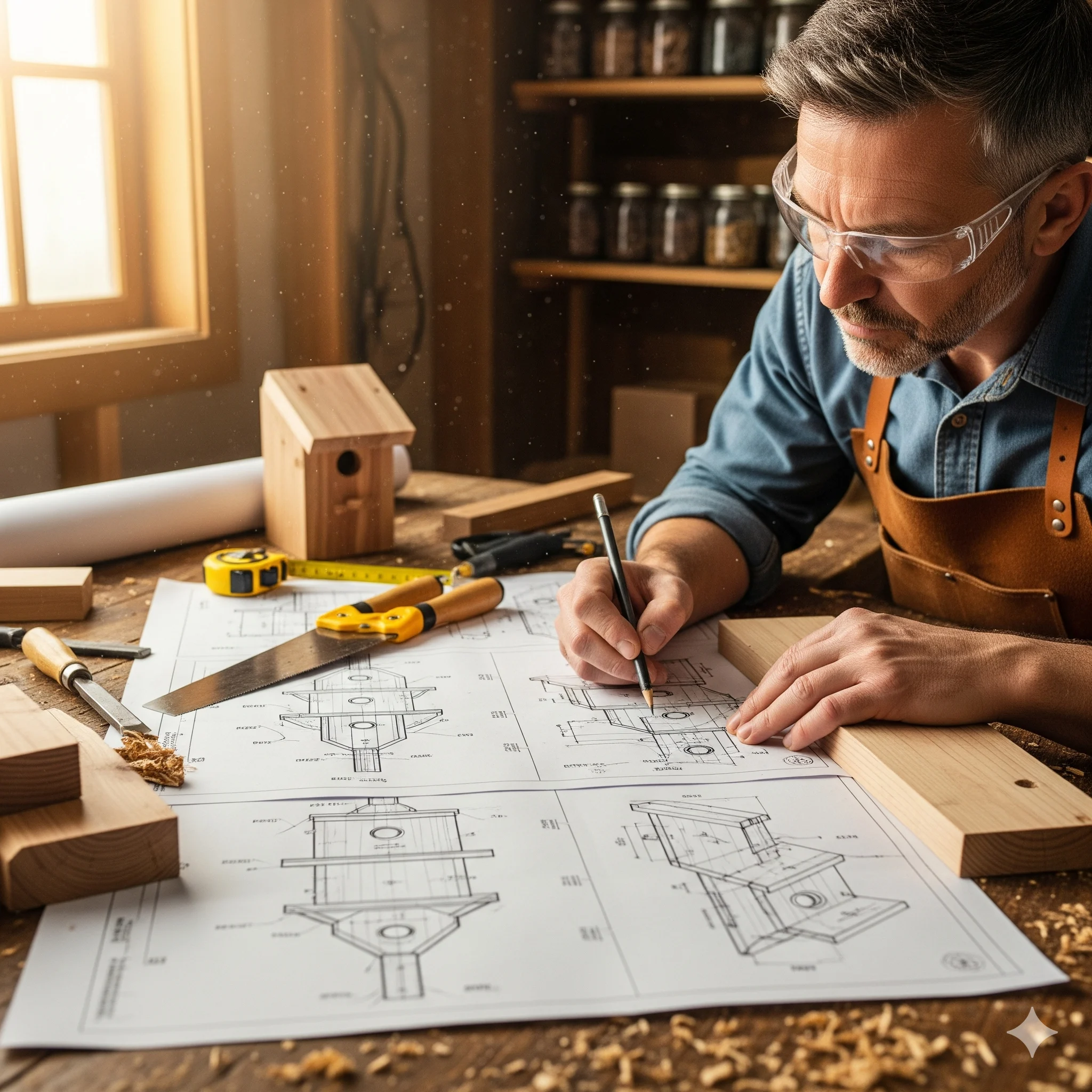
Creating a birdhouse can be a rewarding woodworking project that attracts beautiful birds to your garden. However, not all Birdhouse Woodworking Plans are created equal. When you consider the essential features in your plans, you will ensure a successful build that meets the needs of local birds and provides beauty to your outdoor space. Below are crucial aspects to keep in mind.
Design and Dimensions
The design of your birdhouse is one of the first things to consider. Different species of birds have varying requirements. Here are some points to help you choose the right dimensions:
- Entrance Hole Size: The size of the entrance hole should match the species you’re targeting. For example, bluebirds prefer a 1.5-inch hole, while wrens need one that is slightly smaller.
- Interior Space: Sufficient interior space is critical. Most small birds require an interior space of at least 6 inches wide, 6 inches deep, and 8 inches tall.
- Roof Design: A sloped roof helps prevent water from pooling and provides better protection against predators.
Ventilation and Drainage
Proper ventilation and drainage should never be overlooked, as they are crucial for the health of bird inhabitants:
- Ventilation Holes: Including holes near the top of the birdhouse allows for airflow, preventing overheating during hot months.
- Drainage Holes: Make sure to have small holes at the bottom, which will allow rainwater to escape and keep the nesting area dry.
Materials
Selecting the right materials affects the durability and safety of your birdhouse. Here are some options:
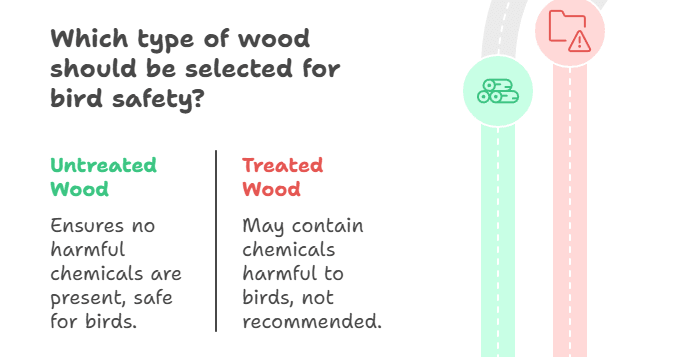
- Wood Type: Natural woods like cedar or redwood resist rot and are excellent choices. Avoid treated lumber as it contains chemicals harmful to birds.
- Plywood: If using plywood, ensure it is exterior-grade and of a thickness that can withstand various weather conditions.
Ease of Access
It’s essential to have easy access for cleaning out the birdhouse or inspecting it:
- Removable Roof or Side Panel: Designing your birdhouse with a removable roof or side panel makes it simpler to maintain. Regular cleaning will keep parasites at bay.
- Hinges: Consider adding hinges for easy opening without compromising the structural soundness of the birdhouse.
Finishing Touches
While it may seem minor, the finish of your birdhouse matters. Here are some options:
- Non-Toxic Paints or Stains: If you choose to paint your birdhouse, use non-toxic options safe for wildlife.
- Natural Finishes: You can opt for natural oil finishes, which offer protection without harsh chemicals.
Placement and Location
Birdhouse placement is just as important as its design. Take the following into account when choosing a location:
- Distance from Predators: Position your birdhouse at a safe distance from potential predators like cats or raccoons.
- Height and Orientation: Mount your birdhouse about 5 to 10 feet above the ground, facing away from prevailing winds and extreme sunlight.
Careful attention to essential features in your birdhouse woodworking plans will increase the chance of attracting birds while enhancing your outdoor space. It’s worth taking the time to consider ventilation, drainage, and materials, and design for ease of access and safety.
Common Mistakes to Avoid When Building a Birdhouse
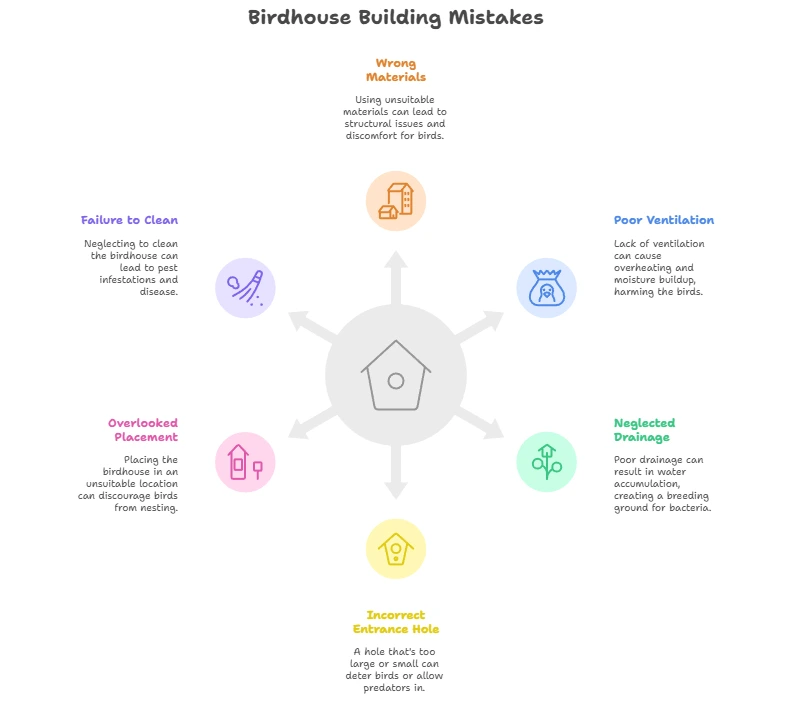
Building a birdhouse can be a rewarding project, but even experienced woodworkers can make mistakes. Understanding the common pitfalls will help you craft a safe and inviting home for your feathered friends. Here are some of the most frequent errors to avoid when engaging in birdhouse woodworking plans.
Choosing the Wrong Materials
One of the first decisions you have to make is what materials to use. Many beginners might opt for cheap, untreated wood. This can lead to problems. Here are a few materials to avoid:
- Pressure-Treated Lumber: This type of wood is treated with chemicals that can be harmful to birds.
- Softwood Without Treatment: While softwoods are easy to work with, they are also prone to weathering and decay.
- Plywood: If you choose plywood, ensure it’s exterior-grade. Regular plywood can absorb moisture and break down quickly.
Instead, opt for natural cedar or redwood, which are both durable and safe for wildlife.
Ignoring Proper Ventilation
Good airflow is essential in a birdhouse. Without proper ventilation, the interior can become stuffy and hot during summer months. Here are steps to ensure adequate ventilation:
- Drill small holes near the top of each side of the birdhouse.
- Consider a slanted roof design that allows heat to escape.
By ensuring your birdhouse is well-ventilated, you’ll create a comfortable space for birds to thrive.
Neglecting Drainage
Water can accumulate inside a birdhouse, leading to mold and rot. To combat this, add drainage holes at the bottom of the house. Here’s how:
- Drill several small holes, spaced evenly to allow excess water to escape.
- Cover the hole with a mesh or fine screen to prevent predators from entering.
Providing proper drainage will help maintain a dry environment for nesting birds.
Incorrect Entrance Hole Size
The size of the entrance hole can determine which birds will occupy your birdhouse. If it’s too large, you may attract unwanted species or predators. Conversely, if it’s too small, the intended birds may not be able to enter.
Here’s a quick reference:
| Bird Species | Recommended Entrance Hole Diameter |
|---|---|
| Bluebird | 1.5 inches |
| Chickadee | 1.25 inches |
| Woodpecker | 1.5 to 2 inches |
Use these measurements to tailor the entrance hole to your target bird species.
Overlooking Placement Location
The right location can make a big difference when it comes to attracting birds. Here are some placement tips:
- Ensure the birdhouse is at least five feet off the ground.
- Position it away from busy areas and high-traffic environments.
- Face the entrance hole away from prevailing winds.
A well-placed birdhouse provides safety and comfort to the birds.
Failing to Clean the Birdhouse
After the nesting season, many people forget to clean out the birdhouse. Not cleaning can lead to disease and the buildup of parasite eggs. Remember to:
- Wait until after the nesting season has ended.
- Remove old nesting material.
- Use a mild soap and water solution to clean the interior.
Regular maintenance will keep the birdhouse a safe haven for future occupants.
The Best Wood Types for Crafting Durable Birdhouses
When it comes to building birdhouses, choosing the right materials is crucial for durability, aesthetics, and the health of the feathered friends you hope to attract. Wood is typically the best choice, but with various options available, knowing which types stand out can make a significant difference. Let’s explore the best wood types for crafting durable birdhouses.
Popular Wood Types for Birdhouses
When deciding on the wood for your birdhouse, consider the following popular types:
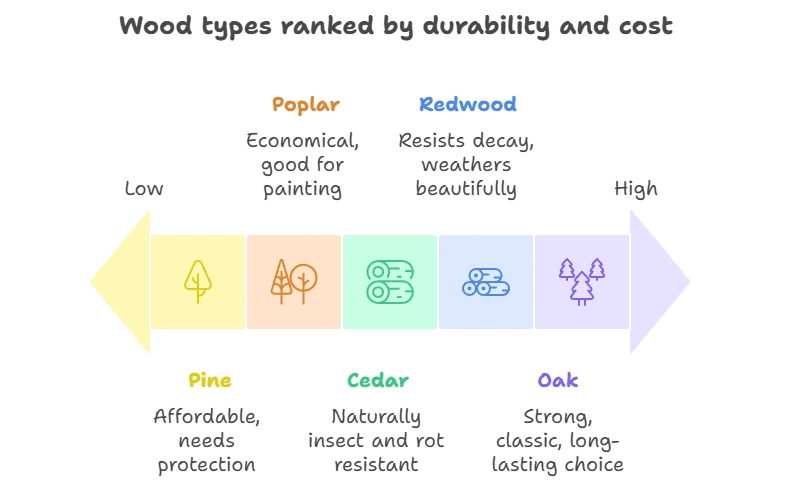
- Cedar: Known for its natural resistance to decay, cedar is lightweight and easy to work with. Its aromatic oils help repel insects, making it an excellent choice for outdoor projects.
- Redwood: Another highly durable option, redwood is known for its beautiful color and grain. Like cedar, it possesses natural oils that prevent rotting and vermin infestations.
- Pine: While not as decay-resistant as cedar or redwood, treated pine remains a budget-friendly choice. Ensure you use pressure-treated wood that is safe for wildlife.
- Poplar: A cost-effective hardwood option, poplar is stable and easy to paint or stain. It’s a good choice for those looking to personalize their birdhouses while still providing durability.
- Oak: While oak is incredibly durable, it can be heavier and harder to work with compared to other wood types. If you choose oak, make sure to season it properly to reduce warping.
Factors to Consider When Selecting Wood
Selecting the right wood also involves considering certain factors:
1. Weather Resistance
Choosing a wood type that withstands various weather conditions is essential. Wood like cedar and redwood has natural resistance to the elements, ensuring your birdhouse lasts longer.
2. Safety for Birds
Using untreated or natural wood is critical as chemicals used in some treatments can be harmful to birds. Always opt for organic options to ensure the safety of your avian guests.
3. Workability
How easy a wood type is to cut and shape can vary widely. Beginners might prefer softer woods like pine or poplar, while seasoned woodworkers might enjoy the challenge of working with harder options like oak.
4. Aesthetic Appeal
Choosing a type of wood that not only meets durability standards but also looks appealing is essential. Birdhouses can be a charming addition to your yard, so consider the wood’s grain and color.
Recommended Wood Treats
If you need to treat the wood for extra protection, here are a few safe options:
- Linseed Oil: This natural oil can protect wood while maintaining a non-toxic environment for birds.
- Beeswax: Beeswax also provides a waterproof quality and is safe for the environment.
Building Tips for Birdhouses
Before you embark on your birdhouse building adventure, here are some helpful tips:
- Consider Ventilation: Ensure your birdhouse has enough holes or openings for airflow to keep the interior cool during hot months.
- Use Rust-Proof Screws: Protect your birdhouse from rust damage by using galvanized or stainless-steel screws.
- Design Accessibility: Make sure there is an easy way to clean out the birdhouse after nesting season.
Resources for Birdhouse Woodworking Plans
If you’re looking for plans to help you get started, there are plenty of resources available. Websites like Wood Magazine offer detailed birdhouse woodworking plans that cater to varying skill levels. Additionally, Ana White provides user-friendly designs that are straightforward and budget-conscious.
Finding the right wood type for your birdhouse not only enhances its durability but also makes it an attractive home for your feathered friends. By choosing wisely and following proper building techniques, you can create a cozy and safe haven for them to nest and thrive.
| Wood Type | Durability | Cost |
|---|---|---|
| Cedar | Very High | Medium |
| Redwood | Very High | High |
| Pine | Moderate | Low |
| Poplar | Moderate | Low |
| Oak | High | High |
How to Attract Different Bird Species with Specific Birdhouse Designs
If you’re looking to turn your backyard into a bird sanctuary, constructing the right birdhouse is essential. Different bird species have specific nesting preferences, and understanding these can greatly enhance your chances of attracting a variety of birds. Here’s how to select and design birdhouses to appeal to different species.
Understanding Bird Preferences
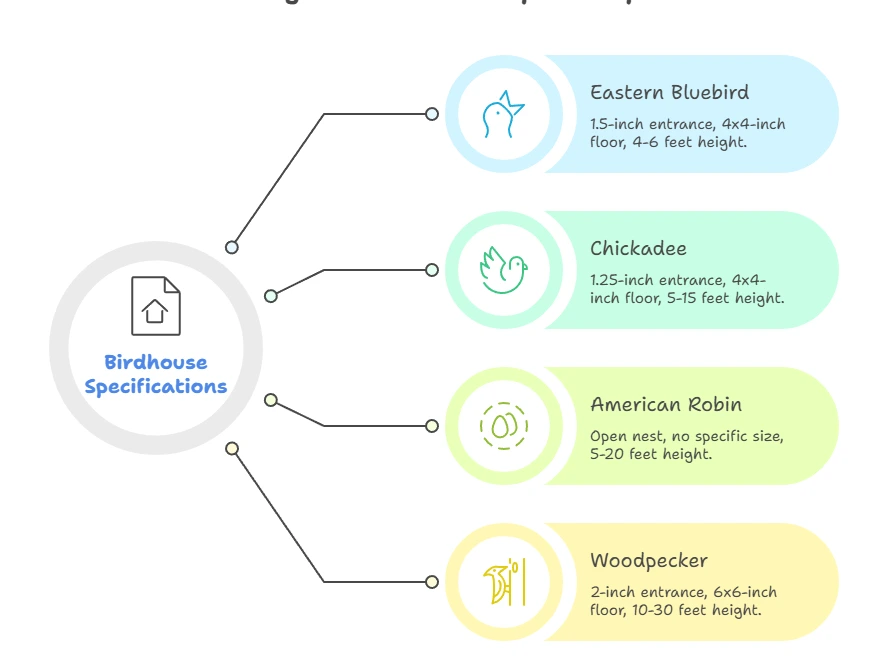
Each bird species has its set of requirements when it comes to housing. Factors such as size, entrance hole dimensions, and materials all play significant roles in making your birdhouse inviting. Here are some common birds you may want to attract and their specific needs:
| Bird Species | Entrance Hole Size | Floor Space | Height from Ground |
|---|---|---|---|
| Eastern Bluebird | 1.5 inches | 4 x 4 inches | 4-6 feet |
| Chickadee | 1.25 inches | 4 x 4 inches | 5-15 feet |
| American Robin | No specific size (open nest) | No specific size | 5-20 feet |
| Woodpecker | 2 inches | 6 x 6 inches | 10-30 feet |
Designs That Attract Specific Birds
Now that you have a sense of what different bird species need, let’s look at specific birdhouse designs that cater to these requirements.
1. Eastern Bluebird House
To attract Eastern Bluebirds, build a birdhouse that is approximately 6 inches wide, 6 inches deep, and 10 inches tall. Ensure the entrance hole is 1.5 inches in diameter. Include drainage holes at the bottom to keep the nest dry and use untreated wood like cedar or pine. Place the birdhouse on a post or fence about 4 to 6 feet off the ground.
2. Chickadee Nest Box
Chickadees prefer birdhouses made from sturdy wood with an entrance hole of 1.25 inches. The box should measure around 8 inches high and have 4 x 4 inch dimensions. Position the house at least 5 feet above the ground, ideally nestled among some branches or shrubs for added security.
3. Robin Nesting Area
Robins don’t use a traditional birdhouse but rather prefer open spaces for nesting. You can create a shallow platform or shelf using 2 x 4 wood, placing it about 5 to 20 feet above ground. Adding some natural foliage or a bush nearby will enhance its chances of being spotted.
4. Woodpecker Habitat
To attract woodpeckers, a larger birdhouse is necessary. Create a house that measures at least 8 x 8 inches with a height of 18 inches. Use a 2-inch entrance hole and ensure the house has a rough interior for woodpeckers to climb. Place it 10 to 30 feet high, preferably on a tree trunk or a sturdy post.
Enhancing the Birdhouse Appeal
To make your birdhouses even more inviting, consider additional features:
- Perches: Some birds appreciate a small perch outside their home.
- Ventilation: Drill a few small holes near the roof to allow air circulation.
- Predator Guards: Adding guards around the entrance can protect inhabitants from predators.
Maintenance and Care
Regular maintenance is crucial for attracting birds. Clean out old nests after the breeding season and check for weather damage. It’s best to inspect birdhouses each spring to ensure they are safe and ready for new visitors.
For those interested in detailed birdhouse woodworking plans, you can find helpful resources at BirdWatching Daily and National Wildlife Federation. These websites offer a wealth of information about how to best cater to different bird species.
Creating a successful birdhouse requires attention to the specific needs of the birds in your area. By investing time in your designs and setups, you can potentially turn your outdoor space into a vibrant haven for various bird species.
Creative Customizations for Your Birdhouse Projects
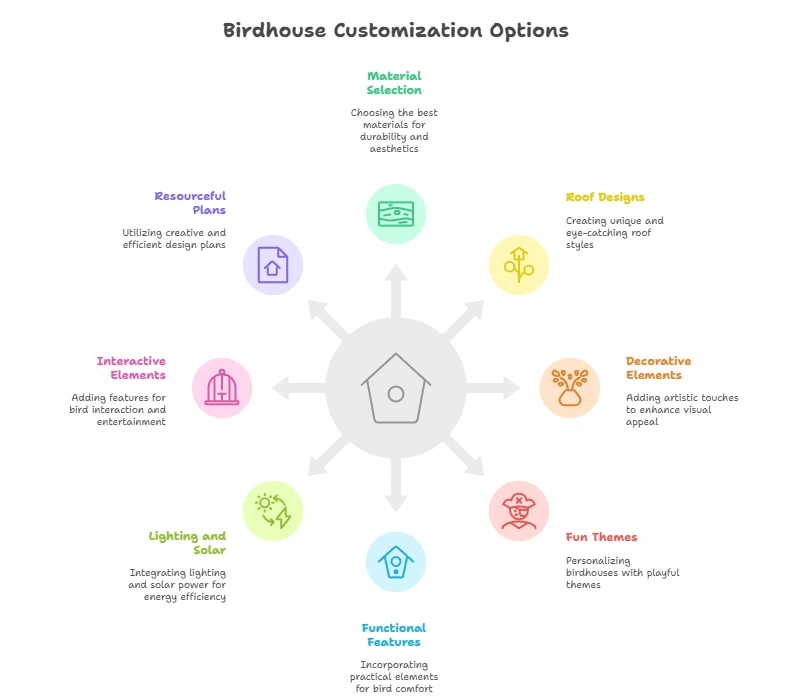
Creating birdhouses can be a delightful and rewarding project, blending woodworking skills with a love for nature. While traditional designs are charming, adding customizations can elevate your birdhouse project and make it a unique addition to your garden. Here are some creative ideas to inspire your crafting journey.
Choose the Right Materials
The materials you select can impact both the appearance and durability of your birdhouse. Consider using:
- Reclaimed Wood: This gives a rustic feel and is eco-friendly.
- Marine Ply: Ideal for humid climates as it can withstand moisture.
- Cedar or Pine: Both provide a natural aesthetic and are easy to work with.
Incorporate Unique Roof Designs
The roof of your birdhouse can set it apart significantly. Experiment with these styles:
- Asymmetrical Roof: Adds a modern touch and can provide extra shelter to the entrance.
- Green Roof: Planting succulents or moss can promote biodiversity.
- Mountable Roof: Allows for easy access for cleaning or observation.
Include Decorative Elements
Little decorative touches can enhance the overall charm of your birdhouse:
- Carvings: Add your favorite designs or patterns to the wood.
- Paint: Use non-toxic outdoor paint to give your birdhouse a splash of color.
- Natural Accents: Attach twigs, bark, or stones to create a natural look.
Personalize with Fun Themes
Theme-based birdhouses can bring a playful aspect to your bird-friendly environment. Here are some exciting ideas:
- Fairy Tale Theme: Design a home resembling a castle or cottage.
- Beach House: Use pastel colors and seaside decorations like shells.
- Farmhouse Style: Incorporate red and white paint with a traditional barn look.
Functional Features to Consider
While aesthetics are important, functionality should not be overlooked. Here are key features to consider for practicality:
- Drainage Holes: Ensure your birdhouse has good drainage to keep it dry.
- Removable Bottom: Make cleaning easy by incorporating a removable base.
- Ventilation Slits: Proper airflow is crucial for the comfort of your feathered guests.
Lighting and Solar Features
Solar-powered lights can make your birdhouse a magical spot at night. Consider installing solar panels on the roof to power:
- LED Lights: Create a whimsical atmosphere around your yard.
- Motion Sensors: Add lights that turn on when birds approach, creating a lively scene.
Interactive Elements
Engaging with birds can be a delightful experience. Here are some ideas to enhance interaction:
- Bird Feeders: Attach small feeders to the side for food access.
- Observation Windows: Create clear panels for easy viewing of the inhabitants.
- Reflection Features: Incorporate mirrors to create engaging environments for birds.
Resourceful Plans and Designs
Finding reliable plans can significantly aid your project. Websites like Birdhouse Project and Wood Magazine offer various designs and tips for all skill levels.
The possibilities for customizing your birdhouse are virtually endless. Let your creativity flow and transform simple birdhouse woodworking plans into an artistic spectacle. Not only will your yard benefit from beautifully crafted birdhouses, but you’ll also create a welcoming home for birds to thrive.
If you’re ready to start on your birdhouse woodworking plans, consider integrating these creative customizations to make your project truly one-of-a-kind.
Conclusion
When embarking on your birdhouse woodworking plans journey, the knowledge you’ve gained can significantly enhance your project’s success. By understanding the essential features to incorporate in your birdhouse plans, such as proper ventilation, drainage, and size, you lay a strong foundation for a healthy habitat.
Avoiding common pitfalls ensures a smooth building experience, making it vital for you to recognize mistakes, like neglecting entry hole dimensions or using unsuitable materials. Speaking of materials, opting for the best wood types, such as cedar or pine, not only boosts the durability of your birdhouses but also ensures they withstand the elements over time.
To make your efforts truly rewarding, consider the needs of specific bird species you want to attract. Tailoring your designs can draw in a variety of feathered friends, each with unique habits and preferences. Unleash your creativity through customizations that personalize your birdhouses, transforming them into charming garden features while still serving their primary purpose.
Embracing these strategies elevates your birdhouse project from basic to extraordinary. With well-thought-out plans and attention to detail, you’ll not only create a welcoming environment for birds but also cultivate a fulfilling woodworking experience. Happy building, and may your backyard be filled with lively chirps and beautiful sights!