
When it comes to woodworking, having the right power tools can make a world of difference. Whether you’re a seasoned expert or just starting, the Best Woodworking Power Tools help you create masterpieces while saving time and effort. Here’s a look at the top ten essential woodworking power tools every craftsman should consider.
1. Table Saw
The table saw is a must-have tool in any woodworking shop. It offers precise cuts in large sheets of wood and can easily handle different types of material. The Delta Table Saw is highly recommended for its durability and accuracy.
2. Miter Saw
A miter saw is perfect for making angled cuts. Whether you’re working on framing, chair rails, or crown moldings, a high-quality miter saw can enhance your efficiency. The DeWalt Miter Saw stands out for its reliable performance and easy-to-use features.
3. Router
Routers add creativity to your woodworking projects by allowing you to create intricate edges and shapes. They are versatile tools used for hollowing out an area in a piece of wood. The Rockler Router is a popular choice among woodworkers for its power and precision.
4. Drill Press
If you need to drill precise holes consistently, a drill press is the tool for you. It allows for greater control than a handheld drill. The JB Tools Drill Press is praised for its robust construction and user-friendly features.
5. Band Saw
The band saw is an essential tool for making curved cuts. It is highly versatile and can also resaw lumber into thinner pieces. The Craftsman Band Saw is recommended for both beginners and advanced woodworkers for its reliability and precision.
6. Jigsaw
For more irregular cuts, a jigsaw is indispensable. It’s portable and easy to use, making it great for both straight and curved cuts. The Bosch Jigsaw is well-regarded for its performance and ease of control, perfect for intricate designs.
7. Sander
A smooth finish can elevate your projects. Sanders come in various types, but a random orbital sander is a great multipurpose choice. The Makita Random Orbital Sander ensures a flawless finish while being easy to handle.
8. Circular Saw
Circular saws are fundamental for those needing portability and flexibility. With their easy-to-use design, they can cut through different materials quickly. The Porter Cable Circular Saw is a top pick for woodworkers who need reliability on various job sites.
9. Plunge Router
For creating grooves and recesses, a plunge router is essential. It allows you to plunge into the wood to create precise cuts. The Ridgid Plunge Router is an excellent option for its user-friendly design and efficient performance.
10. Dust Collection System
Keeping your workspace clean is crucial. A dust collection system helps maintain air quality and cleanliness in your workshop. The Wood Magazine Dust Collection System provides efficient solutions tailored for woodworkers.
Having these tools in your workshop makes woodworking more enjoyable and productive. With the correct power tools, you can enhance your skills and create stunning pieces that reflect your craftsmanship. Explore different brands and models to find the tool that suits your needs best. Investing in quality Best Woodworking Power Tools will pay off in the long run, ensuring that your projects are completed with precision and ease.
Essential Safety Tips When Using Power Tools in Woodworking

Using power tools in woodworking can be a fulfilling experience, but safety must always come first. Whether you’re a seasoned woodworker or just starting, these essential safety tips will help protect you from potential hazards while you create your masterpieces.
Wear Appropriate Safety Gear
Safety gear is your first line of defense. Here’s what you should always wear:
- Safety Glasses: Protect your eyes from flying debris.
- Hearing Protection: Earplugs or earmuffs guard against hearing loss from loud tools.
- Dust Mask: A mask helps filter out harmful wood dust.
- Steel-Toed Boots: These protect your feet from heavy objects that could drop.
- Gloves: Use gloves suitable for woodworking to protect your hands but avoid loose-fitting ones that can get caught in machines.
Keep Your Workspace Organized
An organized space lets you work more safely and efficiently. Follow these guidelines:
- Keep your work area clean and free from clutter.
- Store tools in designated spots to avoid misplacing them.
- Ensure proper lighting so you can see what you’re doing.
- Remove any unnecessary items from your workspace that could cause distractions.
Inspect Tools Before Use
Always inspect your power tools before starting any project. Look for:
- Loose Parts: Check screws, nuts, and bolts to ensure everything is tight.
- Power Cords: Look for frays or exposed wires.
- Safety Features: Confirm that safety guards and switches are functioning properly.
Learn the Right Techniques
Using power tools effectively is as important as using them safely. Here are a few techniques to follow:
- Always read the user manual for specific safety instructions related to your tools.
- Use push sticks or other aids to keep your hands away from the cutting area.
- Never reach over or across a spinning blade; keep a safe distance.
Power Tool Specific Tips
| Tool | Safety Tip |
|---|---|
| Table Saw | Use a blade guard and reduce the risk of kickback with a splitter. |
| Router | Always use the tool’s base and maintain a firm grip. |
| Drill | Secure your workpiece with clamps before drilling. |
Keep Children and Pets Away
It’s critical to keep children and pets away from your workspace. Here’s how:
- Establish a clear boundary where children and pets are not allowed.
- Communicate the dangers of power tools to those around you.
Understand Emergency Procedures
Accidents can happen, so be prepared. Know the location of:
- The nearest first-aid kit.
- Emergency contact numbers (like poison control).
- How to shut off the main power if needed.
While using power tools, prioritize your safety and health. For additional information and resources, consider visiting Woodworker’s Source or check out Wood Magazine. By following these safety tips, you can enjoy woodworking while minimizing risks. Be proactive about your safety, and your work will not only be more enjoyable but also more productive.
How to Choose the Right Power Tool for Your Woodworking Projects
Choosing the right power tool for your woodworking projects can greatly influence the efficiency and quality of your work. With various tools on the market, it’s essential to know what to look for when selecting the best ones for your needs. Here are some vital tips to guide you through your decision-making process.
Understand Your Project Requirements
The first step in selecting the right power tool is to clearly understand the scope of your woodworking project. Take time to consider the following aspects:
- Type of Material: Different materials require different types of power tools. Softwoods like pine are easier to work with compared to hardwoods like oak.
- Complexity: If your project involves intricate cuts or detailed work, specific tools may serve you better.
- Size: Will you be working on small items like furniture or larger items like cabinetry?
Fundamental Power Tools for Woodworking
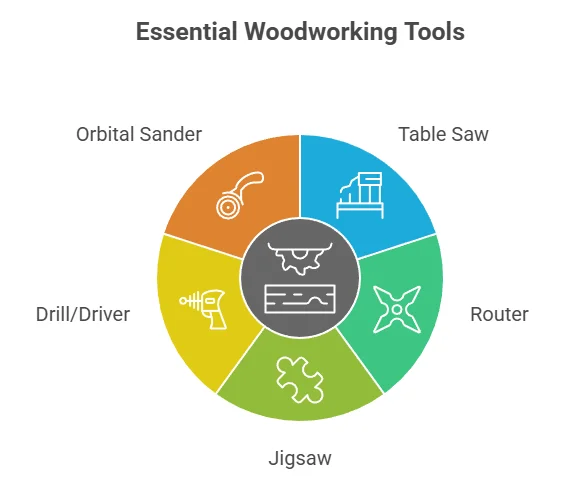
| Tool | Description | Best Use |
|---|---|---|
| Table Saw | A versatile saw that offers accuracy for straight cuts. | Ripping large sheets of wood. |
| Router | Used to hollow out an area in wood. | Creating edges and intricate designs. |
| Jigsaw | A saw that allows for curved and intricate cuts. | Working on complex shapes. |
| Drill/Driver | A tool for drilling holes and driving screws. | Assembly and fastening tasks. |
| Orbital Sander | Used for sanding surfaces to achieve a smooth finish. | Finishing work on wood surfaces. |
Consider Battery vs. Corded Tools
Power tools can be either battery-operated or corded. Each type has its advantages:
- Battery-Powered Tools: Great for mobility and working in locations without power outlets. They have become increasingly powerful and offer convenience.
- Corded Tools: Often provide more consistent power and are generally less expensive than battery counterparts. They are ideal for long and intense projects.
Evaluate Safety Features
Safety should always be a top priority when it comes to power tools. Look for tools that come with safety features like blade guards, electric brakes, or automatic shut-off. This can help minimize risks, especially if you are new to woodworking.
Brand Reputation and Warranty
Consider reputable brands known for their quality power tools. Reading customer reviews and expert recommendations can give you an idea of the tool’s performance. Strong warranty options often indicate a company’s confidence in their product. Some trusted brands in woodworking include:
Set a Budget
Power tools can vary greatly in price. Set a budget before shopping, which allows you to narrow down your choices. Keep in mind that while cheaper tools may save money upfront, they might lack durability and performance compared to higher-end models. In your search for the Best Woodworking Power Tools, take the time to weigh your options carefully. Understanding your project needs, evaluating tool features, and investing in quality tools will assure greater success in your woodworking endeavors. For further insights, you can refer to Wood Magazine’s website, which offers a variety of tutorials and tool reviews.
The Impact of Cordless vs. Corded Power Tools in Woodworking
When it comes to woodworking, the type of power tools you choose can significantly affect your projects. One of the most debated topics is the difference between cordless and corded power tools. Both categories have their unique advantages and downsides, making it essential to understand how they impact your woodworking experience.
Cordless Power Tools
Cordless power tools have gained immense popularity among woodworkers due to their portability and ease of use. They run on rechargeable batteries, allowing you to work freely without the hassle of cords getting in your way. Here are some benefits of using cordless power tools:
- Portability: Without cords, you can easily move around your workspace.
- Convenience: Cordless tools are often lightweight and easier to handle, reducing fatigue.
- Safety: By eliminating cords, you decrease the risk of tripping hazards.
- Advanced Features: Many cordless tools today come equipped with smart technology.
Corded Power Tools
Corded power tools remain a staple in woodworking for several reasons. They plug directly into an electric outlet, providing a continuous power supply. Here’s why many professionals still prefer corded tools:
- Consistency: Corded tools deliver uninterrupted power.
- Power: Typically, corded tools can generate higher torque and power.
- Long-term Cost: Corded tools usually last longer and don’t require battery replacements.
- Broad Range: The variety of corded tools is vast, offering high-powered options.
Comparing Performance
| Feature | Cordless Tools | Corded Tools |
|---|---|---|
| Power Supply | Battery-operated | Direct electricity |
| Portability | Highly portable | Limited by cord length |
| Power Output | Varies, usually less powerful | Generally more powerful |
| Usage Time | Limited by battery life | Unlimited |
| Maintenance | Batteries require replacement | Longer-lasting and low maintenance |

Choosing What’s Best for You
The choice between cordless and corded tools ultimately depends on your specific woodworking needs. If you favor mobility and versatility, then cordless tools may be the better option. However, if your projects demand higher power and consistent performance, corded tools are likely the way to go. It’s worth considering a balanced approach. Many woodworkers find it beneficial to have both types in their toolkit. Toolbarn offers a great selection of both corded and cordless woodworking power tools, which can help you make the right choice based on your needs. Regardless of your choice, always prioritize safety and features that complement your woodworking style. Investing in the right tools will enhance your craftsmanship and make the woodworking process a lot more enjoyable.
Maintenance Tips to Extend the Life of Your Woodworking Power Tools
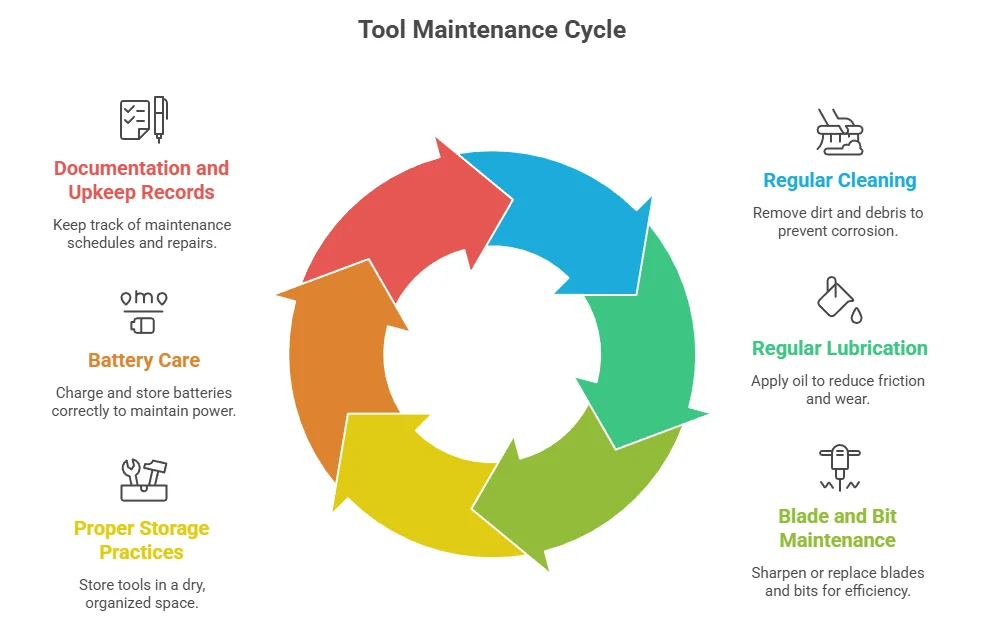
Woodworking power tools are essential for any craftsman, whether a hobbyist or a professional. To keep your tools in top-notch condition, regular maintenance is key. Implementing a few simple practices can extend the life of your tools and ensure they perform at their best. Here are some valuable tips to guide you in maintaining your woodworking power tools.
Regular Cleaning
Dust and debris can build up on your tools, affecting their performance and longevity. Make a habit of cleaning your tools after each use. Here are steps to follow:
- Unplug your tools: Safety first! Always disconnect your tools from power sources.
- Use compressed air: Blow out any dust buildup.
- Wipe down surfaces: Use a damp cloth for surfaces like tables and handles.
- Clean blades and bits: Remove resin and pitch buildup using a soft brush and a specialized cleaner.
Regular Lubrication
Lubrication is essential for moving parts to ensure smooth operation and prevent wear. Here are some tips:
- Identify moving parts: Check your user manual for parts requiring lubrication.
- Use appropriate lubricant: Select a lubricant suitable for the specific tool.
- Follow the frequency: Refer to manufacturer recommendations for how often to lubricate.
Blade and Bit Maintenance
For woodworking power tools like saws and drills, blades and bits are crucial. Keep them sharp and in good condition:
- Sharpening: Regularly sharpen your blades and bits according to usage frequency.
- Storage: Store blades in a protective case to prevent damage.
- Inspection: Before use, check for any signs of wear or damage.
Storage Practices
Proper storage can significantly impact the life span of your woodworking power tools. Follow these guidelines:
- Avoid moisture: Keep tools in a dry area to prevent rust and corrosion.
- Use toolboxes: Store power tools in organized toolboxes or racks.
- Climate control: If possible, maintain a stable temperature and humidity level.
Battery Care
If you use cordless power tools, maintaining the battery is essential for performance and longevity:
- Charge cycles: Avoid letting the battery fully discharge.
- Temperature awareness: Store batteries in a cool, dry place.
- Regular inspection: Check for signs of swelling or leakage.
Documentation and Upkeep
Keeping records will help you stay on top of your tool maintenance:
- Service log: Maintain a log detailing maintenance, repairs, and service dates.
- Manufacturer guidelines: Refer to your tool’s manual for specific maintenance schedules.
These maintenance tips into your routine can help extend the life of your woodworking power tools! Regular care is not only an investment in your tools but also enhances safety and performance while you work. For more detailed information, resources, and tools specific to your needs, visiting sites like Wood Magazine and Popular Woodworking can be highly beneficial. By taking proper care of your tools, you’ll ensure they serve you well for many years, enhancing both your skills and the projects you complete.
Conclusion
Selecting the Best Woodworking Power Tools is crucial for any craftsman aiming to take their projects to the next level. The top ten tools highlighted offer a blend of efficiency, power, and versatility, enabling you to tackle various tasks with ease. Remember, safety is paramount; always implement essential safety tips, such as wearing protective gear and staying aware of your surroundings while you work.
Choosing the right tool can significantly influence the outcome of your projects and your overall woodworking experience. Whether you prefer the flexibility of cordless options or the reliability of corded tools, understanding the pros and cons of each will help you make an informed decision. Cordless tools generally promote mobility, while corded ones often deliver consistent power for demanding tasks.
Longevity is also an essential factor in your investment. By following maintenance tips—like regular cleaning, proper storage, and timely blade replacements—you can effectively extend the life of your power tools, maximizing both performance and cost-effectiveness. Ultimately, your woodworking journey is enhanced by the right tools, combined with knowledge and responsible practices. Whether you’re a seasoned professional or a budding enthusiast, empowering yourself with the right information not only improves your craftsmanship but also ensures a safe and enjoyable woodworking experience. Happy crafting!