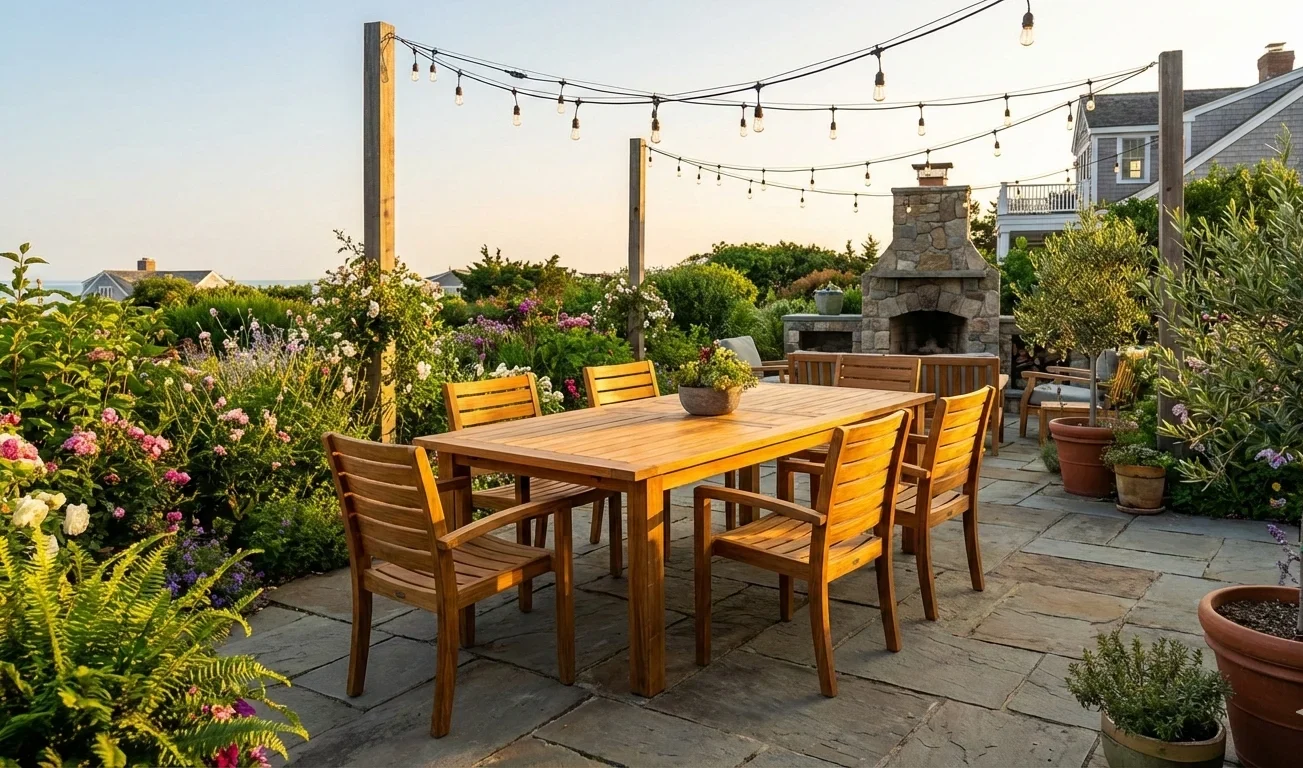
When you’re choosing wood for outdoor furniture, two primary factors come into play: durability and aesthetics. The right wood can elevate your outdoor space, providing both functionality and beauty. Here’s a closer look at some of the best wood options that marry toughness with visual appeal.
Cedar
Cedar is a popular choice for outdoor furniture due to its natural resistance to decay and insects. It features a beautiful, warm color and an aromatic scent that might remind you of a forest. Cedar is lightweight, making it easy to move around, yet robust enough to stand up to varying weather conditions.
- Durability: Naturally resistant to moisture and rot.
- Aesthetics: Rich, warm tones are visually pleasing.
- Maintenance: Requires periodic sealing for longevity.
Teak
Teak is often regarded as the gold standard for outdoor furniture. This wood boasts a high oil content, which makes it resistant to moisture, warping, and decay. Its golden-brown hue can be maintained with proper care or allowed to develop a natural silver patina over time.
- Durability: Highly resistant to the elements.
- Aesthetics: Luxurious look with a beautiful grain pattern.
- Maintenance: Minimal, simple cleaning and oiling recommended.
Ipe
Ipe, also known as Brazilian walnut, is one of the most durable hardwoods available. This species is incredibly dense, making it resistant to scratches, impacts, and weather damage. If you’re seeking furniture that will last for decades, Ipe is an excellent choice.
- Durability: Can last 50 years or longer with minimal maintenance.
- Aesthetics: Deep brown color with striking grain patterns.
- Maintenance: Occasional oiling helps maintain color.
For more insights on Ipe wood, check out IPE Furniture.
Redwood
Redwood is another fantastic option for outdoor furniture. Similar to cedar, it’s naturally resistant to insects and decay. Its rich color and attractive grain can add a striking element to your garden or patio space.
- Durability: Resistant to rot and stable under high humidity.
- Aesthetics: Stunning reddish hues and smooth texture.
- Maintenance: Needs regular sealing to maintain its color.
Acacia
If you’re looking for a more budget-friendly option without sacrificing quality, acacia is worth considering. This hardwood comes from fast-growing trees and is known for its resistance to moisture. Its warm, golden tones can brighten up any outdoor area.
- Durability: Good resistance to the elements.
- Aesthetics: Warm hues and attractive grain patterns.
- Maintenance: Requires treatment every year for optimal longevity.
Choosing the Right Wood
When selecting wood for outdoor furniture, consider the following:
- Climate: Your local weather conditions can affect wood performance.
- Usage: Will the furniture be heavily used or primarily decorative?
- Care and Upkeep: Are you willing to perform regular maintenance?
Understanding your needs and preferences will guide you to the ideal wood for your outdoor furniture. Investing in quality wood for outdoor furniture not only enhances your backyard but also contributes to sustainable practices. Make sure to choose responsibly sourced wood where possible, supporting eco-friendly options.
Comparing Hardwood vs. Softwood for Your Outdoor Seating
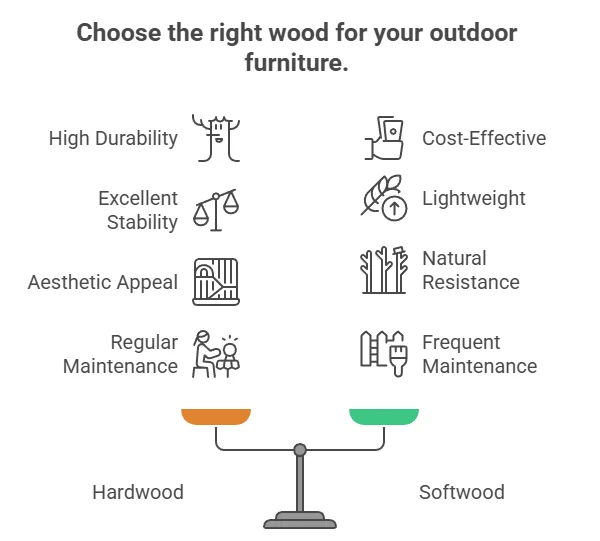
When choosing outdoor seating, one of the first decisions you’ll face is whether to go for hardwood or softwood. Both types of wood come with their own sets of advantages and disadvantages, impacting durability, aesthetic appeal, and maintenance needs. Here’s a closer look at how hardwood and softwood differ, allowing you to make an informed choice for your outdoor furniture.
Hardwood: The Sturdy Option
Hardwoods are derived from deciduous trees, which typically lose their leaves in autumn. This category includes well-known types such as oak, maple, and teak. Here’s what you can expect from hardwoods:
- Durability: Hardwoods are known for their strength and resistance to wear. This makes them ideal for outdoor furniture that needs to withstand the test of time.
- Stability: Due to their dense structure, hardwoods are less likely to warp or crack over time, making them a safer long-term investment.
- Aesthetic Appeal: Hailing from beautiful trees, hardwoods often feature rich colors and unique grains, adding elegance to your outdoor space.
- Maintenance: Although durable, hardwood furniture often requires regular oiling or sealing to maintain its appearance, especially in direct sunlight.
One of the most popular hardwood choices for outdoor seating is teak. It contains natural oils that make it resistant to moisture and pests, perfect for varied weather conditions. For more on the benefits of teak, check out Teak Closeout.
Softwood: The Affordable Alternative
Softwoods come from coniferous trees, which tend to be evergreen. Popular options include pine, cedar, and spruce. Here’s a breakdown of their characteristics:
- Cost-Effective: Softwoods are usually less expensive than hardwoods. They are a great choice if you’re on a budget but still want quality outdoor seating.
- Lightweight: Softwoods are easier to move, making them convenient if you like to rearrange outdoor furniture.
- Natural Resistance: Certain softwoods, like cedar, have excellent natural resistance to rot and insects, which is beneficial in outdoor environments.
- Maintenance: Softwoods may require more frequent maintenance, including treatments to extend their life and appearance if left exposed to the elements.
If you are budget-conscious but still desire some level of elegance, cedar softwood can be an appealing choice. For more on cedar and its benefits, you can visit Cedar Solutions.
Comparing Durability and Longevity
| Feature | Hardwoods | Softwoods |
|---|---|---|
| Durability | High | Medium |
| Resistance to Weather | Varies, less naturally resistant | Varies, some are naturally resistant |
| Cost | More expensive | Less expensive |
| Maintenance Frequency | Less frequent | More frequent |
Making the Right Choice for Your Needs
The decision between hardwood and softwood ultimately boils down to your specific needs, preferences, and budget. If you prioritize longevity and a premium look, hardwoods might be the better choice. However, if you’re looking for something more affordable and lightweight, softwoods can fulfill that role effectively.
Remember to consider climate conditions in your area as well. If you live in a region with harsh winters or lots of rain, investing in high-quality hardwood might be more beneficial. Always think about how much time you’re willing to invest in maintaining your furniture and whether you prefer the classic aesthetics of hardwood or the practical benefits of softwood.
Discover more about outdoor seating options and care tips on expert sites like Garden Furniture World. These resources can help guide your decision according to your personal style and outdoor needs.
In the end, whether you choose hardwood or softwood for your outdoor seating, make sure you pick something that enhances your outdoor space while fitting your lifestyle and maintenance preferences.
Maintenance Tips for Extending the Life of Wooden Outdoor Furniture

Wooden outdoor furniture adds beauty and charm to your garden or patio, but to keep it looking great for many years, you need to focus on proper maintenance. By taking a few simple steps, you can extend the life of your wooden pieces and enjoy them for seasons to come.
Regular Cleaning
To maintain your wooden outdoor furniture, start with regular cleaning. Dust and dirt can accumulate, leading to deterioration over time. Here’s how you can keep your furniture sparkling clean:
- Use a soft brush or cloth to remove dust. A vacuum cleaner with a brush attachment can also work well.
- Wash the furniture with mild soap and water. Use a soft sponge or cloth to wipe surfaces gently.
- Rinse thoroughly with clean water to remove any soap residue.
- Let your furniture dry completely to prevent moisture buildup.
Protecting from the Elements
Sun, rain, and humidity can all be tough on wooden furniture. Here are some strategies to protect your investment:
- Use a wood preservative: This will help to guard against the sun and moisture. Look for products specifically designed for outdoor use.
- Cover furniture during harsh weather: Invest in high-quality covers for your furniture to shield it from rain, snow, and intense sunlight.
- Store furniture indoors: If possible, bring your wooden pieces inside during winter months or severe weather conditions.
Regular Inspection
Make it a habit to inspect your furniture regularly. Keep an eye out for the following:
- Creaking or wobbly joints: Tightening screws and bolts can solve this issue.
- Cracks or splitting: Fill small cracks with wood filler to prevent the damage from worsening.
- Peeling finish: If the finish starts to peel, it may be time to refinish the surface.
Refinishing and Sealing
As time goes by, your wooden outdoor furniture may lose its protective finish. To restore its beauty and protection, consider refinishing your pieces:
- Sand the surface: Use fine-grit sandpaper to smooth out rough or peeling areas.
- Clean the surface: After sanding, wipe down the furniture with a damp cloth to remove dust.
- Apply a new finish: Choose a quality outdoor wood finish or sealant, applying it evenly with a brush.
- Let it dry: Follow the manufacturer’s instructions for drying times before using the furniture again.
Choosing the Right Location
The location of your outdoor furniture can impact its lifespan. Here are some tips:
- Keep furniture shaded: If possible, place it under a patio or use umbrellas to protect it from direct sunlight.
- Avoid wet areas: Place your furniture where it won’t be exposed to standing water or continuous moisture.
Additional Resources
For further information on caring for wooden furniture, check out these helpful resources:
- Wood Magazine on Outdoor Wood Care
- Family Handyman: Care Tips for Wooden Furniture
- Better Homes & Gardens: Caring for Wood Furniture
By integrating these maintenance tips into your routine, you can protect your wooden outdoor furniture and enjoy its beauty for years. With regular care, your investment will pay off, allowing countless outdoor gatherings and moments of relaxation.
The Environmental Impact of Choosing Sustainable Wood Options
Choosing sustainable wood options significantly affects our environment, promoting a healthier planet and ensuring that we preserve vital ecosystems for future generations. The impact begins with how wood is harvested, processed, and utilized. By selecting wood sourced from sustainable practices, you contribute to responsible forest management and the reduction of carbon footprints.
The Importance of Sustainable Wood
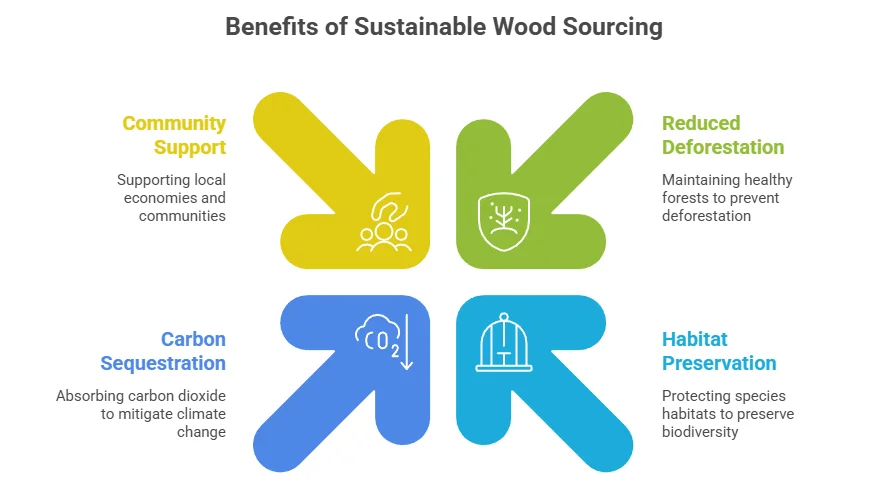
Wood is a popular material for construction, furniture, and various domestic items. However, the traditional logging practices can lead to deforestation, habitat destruction, and biodiversity loss. Sustainable wood is harvested with methods that ensure forests can regenerate and ecosystems remain intact. Here are some critical advantages of choosing sustainable wood:
- Reduced Deforestation: Sustainable practices help maintain healthy forests, reducing the risk of deforestation.
- Habitat Preservation: By safeguarding species habitats, sustainable wood sourcing protects biodiversity.
- Carbon Sequestration: Healthy forests absorb carbon dioxide, mitigating climate change.
- Community Support: Sustainable practices often support local economies and communities by providing jobs and resources.
How to Identify Sustainable Wood
When shopping for wood or wood products, look for certifications that verify sustainable sourcing. Familiar certifications include:
- FSC (Forest Stewardship Council): This certification indicates that the wood is sourced from sustainably managed forests.
- PEFC (Programme for the Endorsement of Forest Certification): This ensures that sourcing meets strict environmental and social standards.
Products bearing these certifications guarantee that rigorous standards have been met to protect both the environment and communities involved in the production process.
The Economic Impact of Sustainable Wood
Sustainable wood sourcing can carry a higher initial cost than conventionally sourced wood. However, this investment yields long-lasting benefits, including:
| Benefit | Details |
|---|---|
| Longevity | Sustainable materials tend to be more durable, reducing the need for frequent replacements. |
| Increased Value | High-quality sustainable wood often has greater resale value due to its desirability. |
| Market Demand | Consumers increasingly prefer eco-friendly products, potentially increasing sales for businesses that offer sustainable wood. |
Environmental Benefits
Opting for sustainable wood contributes to numerous environmental benefits:
- Soil Health: Sustainable practices help maintain soil health by preventing erosion and supporting local flora.
- Water Quality: Healthy forest ecosystems filter water, reducing pollution that can enter waterways.
- Wildlife Protection: Preserving forests provides shelter for wildlife, contributing to biodiversity conservation.
The Role of Consumers and Businesses
As a consumer, you can play a significant role in promoting sustainable practices. Look for reputable brands and retailers that prioritize sustainable sourcing. Companies also share the responsibility; those that choose sustainable wood options can attract environmentally-conscious customers, enhancing brand loyalty. Both parties can contribute to a shift towards sustainability by supporting businesses committed to these practices.
Resources for Sustainable Wood Options
To learn more about sustainable wood, consider visiting the following websites:
- Forest Stewardship Council
- Programme for the Endorsement of Forest Certification
- World Wildlife Fund – Sustainable Timber
By making informed choices about wood products, you not only enhance your spaces but also protect the environment. Every small action contributes to a more sustainable future, ensuring that forests continue to thrive and serve as vital resources for generations to come.
Creative Designs for Outdoor Furniture Using Various Wood Types
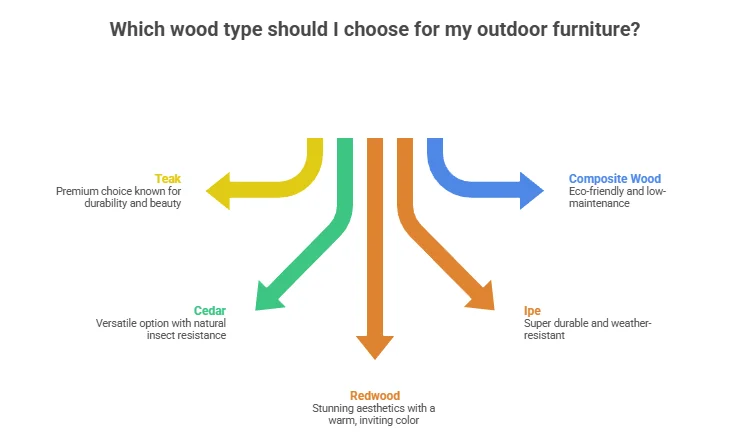
Outdoor furniture can transform your garden, patio, or backyard into a beautiful and functional space. With a variety of wood types available, you have endless possibilities for creative designs that suit your style. Choosing the Best Wood for Outdoor Furniture is crucial; it affects durability, aesthetic appeal, and comfort. Let’s explore some popular wood types and innovative design ideas that will elevate your outdoor area.
Teak: The Premium Choice
Teak wood is often regarded as the Best Wood for Outdoor Furniture due to its natural oils that repel moisture, preventing warping and decay. Here are some creative designs you can craft with teak:
- Teak Lounge Chairs: Sleek and modern with curved lines for comfort.
- Dining Sets: Large teak tables paired with matching benches create a rustic yet elegant outdoor dining experience.
- Wooden Planters: Use leftover teak pieces to create stylish planters that showcase your favorite flowers or herbs.
Cedar: A Versatile Option
Cedar is another excellent option for outdoor furniture because of its resistance to rot and insects. It has a natural, aromatic scent and a warm color that enriches any outdoor setting. Some design ideas include:
- Adirondack Chairs: Classic comfort with a user-friendly design that is perfect for relaxation.
- Cedar Benches: Use them along garden paths or on patios for seating that blends with nature.
- Picnic Tables: Build sturdy, rustic picnic tables for family gatherings outdoors.
Redwood: Stunning Aesthetics
Redwood is prized for its beauty and durability. It is naturally resistant to rot and has a striking red hue that enhances any garden. Consider these creative uses:
- Redwood Swing Sets: A perfect choice for families, redwood can withstand the elements while providing a fun space for kids.
- Garden Arbors: Use redwood to create visually stunning garden structures that add height and elegance.
- Outdoor Sectionals: Design comfortable sectional sofas that provide an inviting space for gatherings.
Ipe: The Super Durable Option
Ipe wood is known for its exceptional density and hardness; it can withstand harsh weather conditions, making it ideal for outdoor applications. Here are creative designs using Ipe:
- Wooden Decking: Install Ipe decking for a robust outdoor surface that requires low maintenance.
- Fire Pit Surrounds: Design a beautiful outdoor fire pit surrounded by Ipe benches for cozy gatherings.
- Modern Lounge Sets: Create sleek, contemporary outdoor furniture with clean lines.
Composite Wood: Eco-Friendly Solutions
Composite wood, made from recycled materials, combines wood fibers with plastic to create durable furniture. This eco-friendly alternative is gaining popularity and can be used for:
- Recycled Deck Chairs: Stylish and weather-resistant, perfect for poolside lounging.
- Portable Tables: Lightweight and easily portable, ideal for picnics or camping.
- Outdoor Benches: Attractive and practical for any outdoor space without the high maintenance.
When designing furniture, consider mixing materials for a unique look. For instance, pairing metal frames with wooden tops can create stunning contrasts. Always remember to treat your wooden furniture with the appropriate sealants and finishes to extend its lifespan.
For further inspiration and guidance, you can check out these websites:
Choosing the right wood for outdoor furniture not only enhances your landscape but also reflects your personal style. Explore these creative designs and make your outdoor space a welcoming refuge.
Conclusion
Choosing the Best Wood for Outdoor Furniture involves balancing durability, aesthetics, and environmental considerations. Hardwoods like teak and mahogany offer long-lasting strength and natural beauty, making them top choices for outdoor seating. However, softwoods such as cedar and redwood can also serve well, often at a lower cost and with unique rustic charm. Understanding the properties of each type helps you select what aligns best with your needs and style.
Maintaining wooden outdoor furniture is essential for prolonging its lifespan and preserving its appearance. Regular cleaning, applying protective finishes, and proper storage during harsh weather conditions can significantly enhance the durability of your furniture. With the right care, both hardwoods and softwoods can thrive outdoors and retain their appeal for years.
As you make your selection, consider the impact on the environment. Opting for sustainably sourced wood helps protect forests and supports responsible forestry practices. Not only does it benefit the planet, but sustainable materials can also add a unique narrative to your outdoor space.
Don’t shy away from creativity when designing your outdoor furniture. Experimenting with different wood types can lead to stunning designs that fit your personal taste and lifestyle. Whether it’s a classic rustic bench or a modern wooden dining set, the possibilities are endless. With careful thought and consideration, you can create an outdoor oasis that is both beautiful and environmentally friendly.