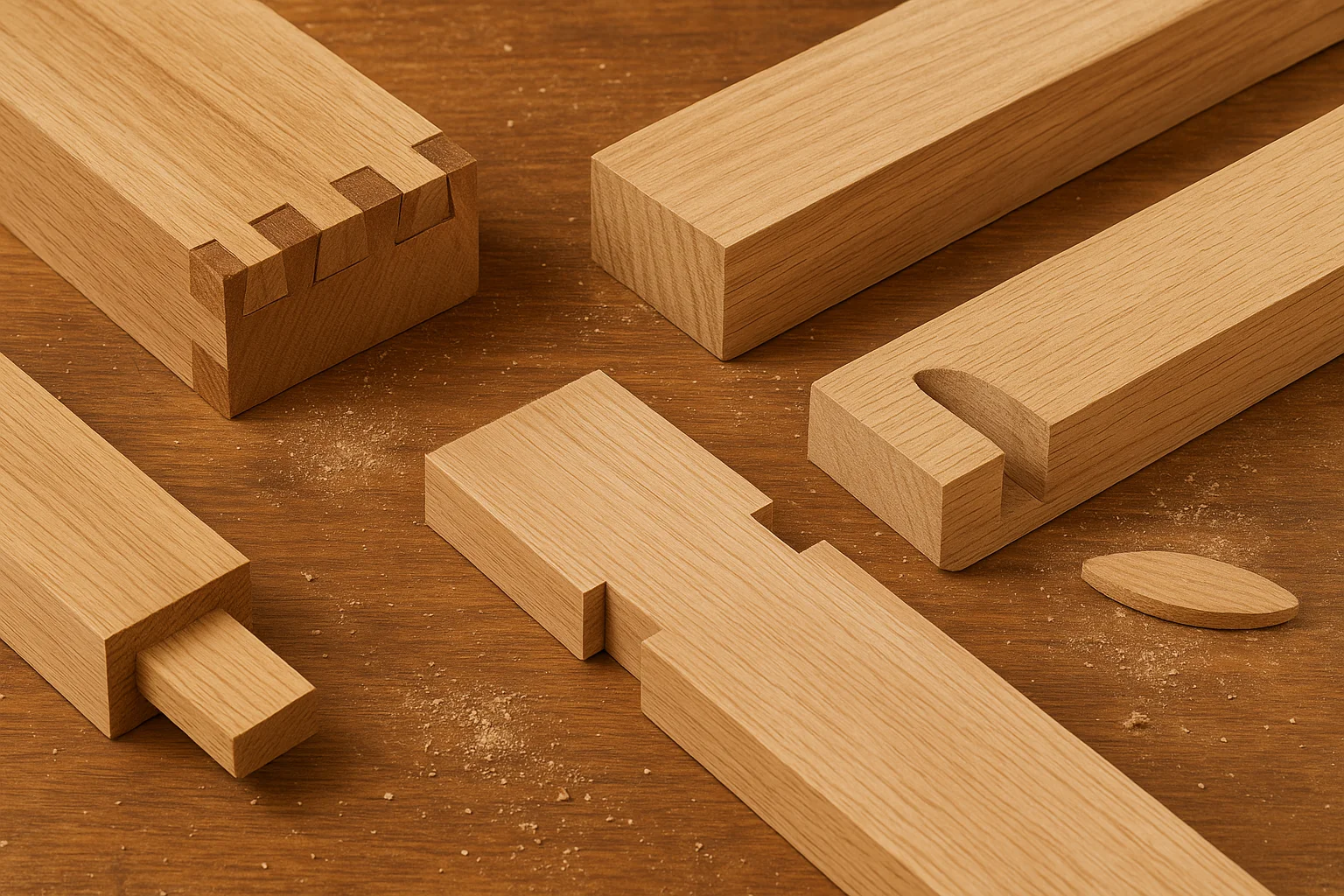
Woodworking is an age-old craft that combines skill, artistry, and precision. For those venturing into more complex projects, understanding Advanced Woodworking Joinery Techniques can significantly enhance the strength and longevity of your creations. Whether you are a seasoned woodworker or a passionate hobbyist, these techniques are sure to elevate your craftsmanship.
Joinery involves the methods of connecting pieces of wood together. Mastering Advanced Woodworking Joinery Techniques not only improves the structural integrity of your furniture but also contributes to the aesthetic appeal of your work. Here are several advanced techniques that can provide stronger connections:
Key Joinery Techniques
1. Dovetail Joints
Dovetail joints are renowned for their strength and visual appeal. Typically used in drawers and boxes, these joints resemble interlocking tails and pins. They resist pulling apart, making them ideal for load-bearing applications.
2. Mortise and Tenon Joints
This classic joinery technique involves fitting a tenon (a protruding piece) into a mortise (a hollowed-out section). The result is a connection that is both robust and stable. Mortise and tenon joints are often used in structural frames and cabinetry.
3. Biscuit Joints
Biscuit joinery utilizes oval-shaped plates made of wood (biscuits) that you insert into slots cut in the adjoining wood pieces. This method provides excellent alignment and adds strength to edges. Biscuit joints work well for edge-to-edge joins as well as in larger surfaces like tabletops.
4. Lap Joints
Lap joints involve simply overlapping two pieces of wood before securing them. They can be made in many variations, such as half-lap joints and cross-lap joints. The simplicity of lap joints allows for quick assembly, making them a favorite for framing and panel work.
5. Pocket Hole Joints
Pocket hole joinery is a technique that features angled holes drilled into one plank to receive screws from another plank. This method is ideal for joining pieces where both sides are visible, as it allows for a clean finish. Pocket holes can be used in a variety of projects, including furniture assembly.
Comparison Table of Joinery Techniques
| Technique | Strength | Ease of Use | Applications |
|---|---|---|---|
| Dovetail Joints | Very High | Medium | Drawers, Boxes |
| Mortise and Tenon | Very High | Medium | Frames, Tables |
| Biscuit Joints | High | Easy | Tabletops, Panels |
| Lap Joints | Medium | Very Easy | Frames, Panels |
| Pocket Hole Joints | High | Very Easy | Furniture Assembly |
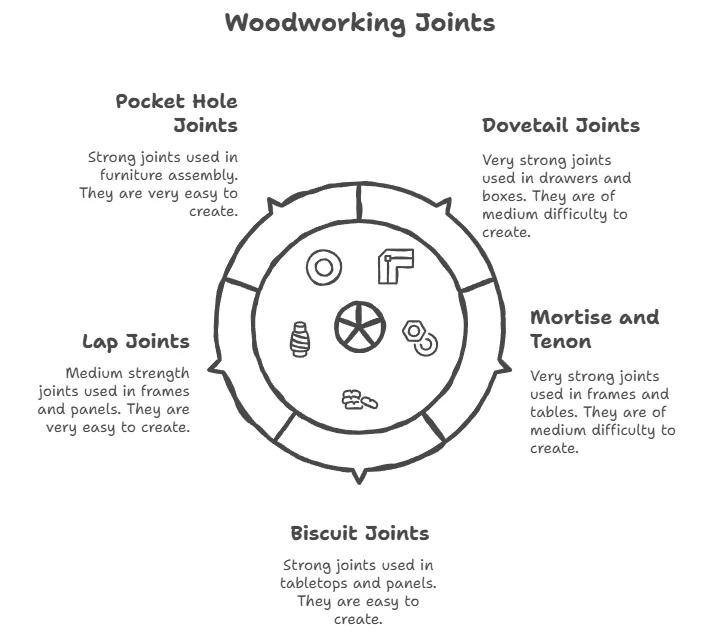
Each joinery technique has its unique advantages and applications. Selecting the right method depends on your project requirements, materials, and desired aesthetics. Experimenting with each will sharpen your skills and expand your knowledge base.
For those looking to boost their joinery knowledge, there are many resources available. Websites like Wood Magazine and Popular Woodworking provide tutorials, tips, and inspiration for woodworkers of all levels.
Integrating Advanced Woodworking Joinery Techniques into your woodworking repertoire allows for stronger, more beautiful pieces. As you refine these skills, your projects will evolve, leading to greater satisfaction and craftsmanship. So, gather your tools, practice these methods, and watch your woodworking capabilities soar!
The Benefits of Mastering Joinery Skills in Woodworking Projects
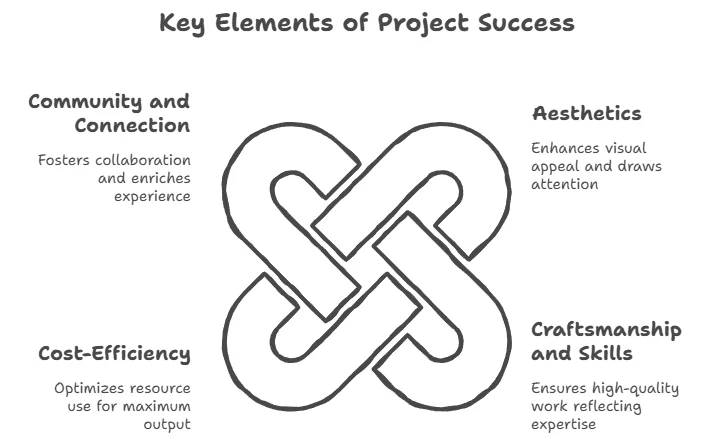 When diving into woodworking, mastering advanced joinery skills is one of the best investments you can make in your craftsmanship. These techniques not only elevate your projects but also contribute significantly to the strength, aesthetics, and longevity of your creations. Understanding the benefits of superb joinery can inspire you to refine your skills and produce stunning woodworking pieces.
The Strength of Your Projects
One major benefit of mastering joinery is that it enhances the structural integrity of your woodworking projects. Strong joints ensure that your furniture, cabinets, and other items will stand the test of time. Here are some techniques that offer exceptional strength:
- Dovetail Joints: Ideal for drawers and casework, they create a mechanical lock that prevents the joint from pulling apart.
- Mortise and Tenon: A traditional method that provides a sturdy connection, often used in frame construction.
- Box Joints: Known for both aesthetics and strength, equally effective in box-like structures.
Enhancing Aesthetics
Advanced Woodworking Joinery Techniques not only strengthen your projects but also enhance their visual appeal. Well-executed joints can make your work stand out. Here are a few ways advanced joinery can improve aesthetics:
- Clean Lines: Precision joinery leads to seamless connections between pieces, giving your projects a professional finish.
- Unique Designs: Techniques like finger joints or splines can add character and unique design elements to your work.
- Use of Wood Grain: Expertly placed joints can showcase the natural beauty of the wood, emphasizing its grain and color variations.
Improving Craftsmanship and Skills
Learning Advanced Woodworking Joinery Techniques allows you to grow as a woodworker. Engaging in different joinery methods broadens your skill set, making you more versatile in projects. You will develop a better understanding of woodworking principles, leading to:
- Increased Confidence: Mastering challenging techniques boosts your self-esteem and encourages you to take on more complex projects.
- Problem-Solving Skills: Each joinery technique presents its challenges, enhancing your problem-solving and critical-thinking abilities.
- Creativity: As you become more skilled, you’ll be able to innovate and create unique designs that reflect your personal style.
Cost-Efficiency
Though advanced joinery may require a deeper initial investment in terms of tools and learning, the long-term benefits are undeniable. By mastering these techniques, you can save money in several ways:
- Durability: Strong joints mean fewer repairs or replacements in the future.
- Project Reuse: When you make durable furniture, it can be repurposed or refinished rather than discarded.
- Reduced Waste: Learning to create accurate joints minimizes mistakes and material waste.
Fostering Community and Connection
Excellent joinery skills can open doors to a community of like-minded woodworkers. By participating in workshops, forums, and local meet-ups, you can:
- Share Knowledge: Collaborate with others and exchange tips on the latest joinery techniques.
- Receive Feedback: Constructive criticism can help you improve your skills dramatically.
- Network: Building relationships can lead to new opportunities for collaborations or projects.
Resources for Mastering Joinery
To further enhance your joinery skills, consider exploring specific resources:
- Woodworkers Source – Offers materials and educational content on woodworking.
- Wood Magazine – Provides detailed tutorials and plans for Advanced Woodworking Joinery Techniques.
- Woodcraft – A reputable source for tools and supplies necessary for advanced woodworking projects.
Advanced Woodworking Joinery Techniques can significantly impact your woodworking journey, enhancing both your projects and your skills. Embracing these methods will not only improve the quality of your work but also foster a deeper connection to the craft. So, if you’re looking to elevate your woodworking prowess, it’s time to dive into the fascinating world of advanced joinery.
Essential Tools and Equipment for Advanced Joinery Techniques
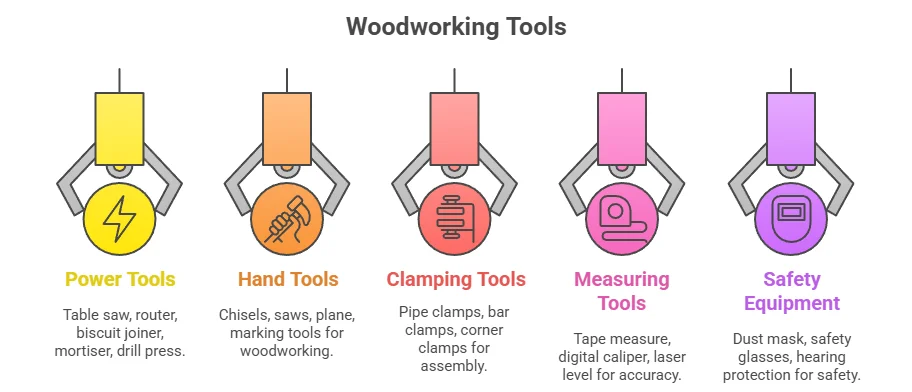
Understanding Advanced Woodworking Joinery Techniques is not just about skill; it also involves having the right tools and equipment. Investing in high-quality tools will elevate your joinery projects and enable you to achieve exceptional results. Here’s a list of essential tools that every advanced woodworker should consider for their workshop.
Power Tools
Power tools can drastically improve the efficiency and precision of your joinery work. Here are some that are indispensable:
- Table Saw: A table saw is essential for making accurate crosscuts and rip cuts. Look for one with a powerful motor and a reliable fence system.
- Router: A router allows for fine shaping and edge finishing of wood pieces. It is great for creating grooves and joints.
- Biscuit Joiner: This tool simplifies aligning pieces and creating strong joints. It uses small wooden biscuits to connect two pieces seamlessly.
- Mortiser: A mortiser makes it easy to create precise mortises, which is a key component in many joinery techniques.
- Drill Press: With a drill press, you can easily create straight holes for dowels or screws, ensuring accuracy in your projects.
Hand Tools
While power tools make the task easier, hand tools play an essential role in fine woodworking. Here’s a list of important hand tools:
- Chisels: A sharp set of chisels is critical for precise work in mortising and trimming joints. Look for various sizes for versatility.
- Saws: Different types of saws like dovetail saws or Japanese pull saws are vital for intricate cuts. Ensure they are well-maintained for clean results.
- Plane: A plane is perfect for smoothing surfaces and adjusting joint fits. Hand planes can be used to achieve a fine finish.
- Marking Tools: Accurate marking is crucial. Use tools like squares, marking gauges, and pencils to ensure your measurements are correct.
Clamping and Assembly Tools
Proper clamps are essential for holding your pieces in place as the glue sets. Consider these options:
- Pipe Clamps: Versatile and strong, pipe clamps are useful for various sizes of assemblies.
- Bar Clamps: These clamps are great for quick setups and can be adjusted for different widths.
- Corner Clamps: Ideal for ensuring 90-degree angles in your assemblies, corner clamps are excellent for frames and boxes.
Measuring Tools
Precision in woodworking starts with accurate measurements. Here are some measuring tools you shouldn’t overlook:
- Tape Measure: A must-have for any woodworker, ensure it’s long enough for your projects.
- Digital Caliper: For high precision measurements, a digital caliper can measure up to .001 inches.
- Laser Level: Useful for ensuring level surfaces and straight lines over long distances.
Safety Equipment
Safety should never be neglected in a woodworking shop. Equip yourself with the following:
- Dust Mask: Helps protect your lungs from fine wood dust.
- Safety Glasses: Protects your eyes from splinters and debris.
- Hearing Protection: Essential when using loud machinery like table saws and routers.
Workshop Setup Tips
Having the right tools isn’t enough. Properly setting up your workshop can lead to better results:
- Organize your tools: Keep your most-used tools easily accessible.
- Work Surface: Ensure you have a sturdy and flat workbench to assemble your projects.
- Lighting: Good lighting is crucial. Brightly lit areas reduce mistakes and increase precision.
By having the right tools and equipment at your disposal, you can master Advanced Woodworking Joinery Techniques and take your skills to new heights. Investing in quality tools means investing in your craft. For more insights and tool recommendations, check out Wood Magazine and Woodworker’s Source.
Traditional vs. Modern Joinery: Which Techniques Suits Your Style?
Woodworking is an art that combines skill, creativity, and traditional methods with modern technology. When it comes to joinery, the choice between traditional and modern techniques can significantly affect your project’s outcome, aesthetics, and durability. Understanding these options is crucial for any woodworker, whether you are just starting or are a seasoned pro looking for new techniques to incorporate.
Understanding Traditional Joinery Techniques
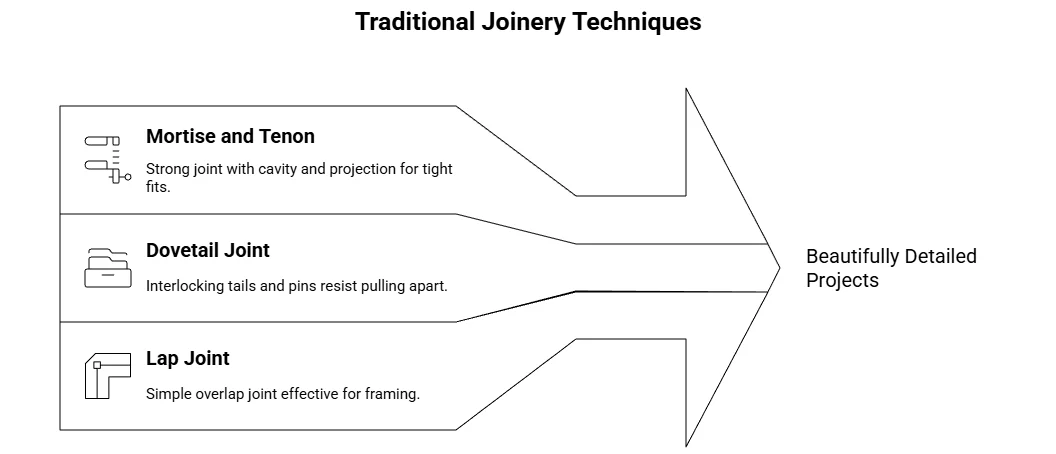
Traditional joinery techniques have been used for centuries and include methods such as mortise and tenon, dovetail, and lap joints. These techniques emphasize craftsmanship and often result in beautifully detailed projects. Here are some key aspects:
- Mortise and Tenon: This strong and durable joint is created by cutting a cavity (mortise) into one piece of wood and a corresponding projection (tenon) on the other piece, allowing for tight fits.
- Dovetail Joint: Famous for its resistance to being pulled apart, the dovetail joint has interlocking tails and pins, making it ideal for drawers and boxes.
- Lap Joint: In a lap joint, two pieces of wood overlap each other, making it simple yet effective, especially for framing applications.
These joints can often be created using hand tools, which allows for precision and craftsmanship that many modern techniques cannot replicate. However, they do require practice and patience.
Exploring Modern Joinery Techniques
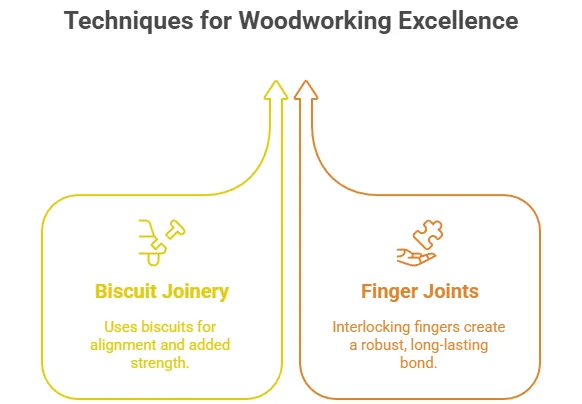
Modern joinery methods have evolved considerably, leveraging technology to simplify and enhance the woodworking process. Common modern techniques include pocket hole joinery, biscuit joinery, and finger joints:
- Pocket Hole Joinery: This technique involves drilling an angled hole into one workpiece, which allows for a screw to be driven into the adjoining piece without being visible. It’s quick and effective.
- Biscuit Joinery: This method entails using small, oval-shaped wood pieces (biscuits) inserted into slots cut into two pieces of wood, providing added strength and alignment.
- Finger Joints: These joints interlock with a series of ‘fingers’ cut into both pieces of wood, resulting in a strong bond that’s often used for long lengths of material.
Modern joinery often allows for faster construction times while still achieving solid results. These techniques are particularly useful for mass production and when using power tools.
Choosing the Right Technique for Your Style
When determining which joinery technique best suits your style, consider the following factors:
- Project Purpose: Are you making a piece of furniture that needs to last generations, or a casual craft project?
- Skill Level: Are you comfortable using traditional hand tools, or do you prefer the ease of modern equipment?
- Time Constraints: Do you need a quick project, or can you invest time in perfecting your skills?
Aligning your woodworking goals with the appropriate technique will lead to higher satisfaction with your results. For more in-depth guidance on various joinery techniques, consider visiting resources like Wood Magazine and Fine Woodworking.
Final Thoughts on Traditional and Modern Joinery
Ultimately, the decision between traditional and modern joinery depends on your personal preference, project requirements, and available tools. While traditional techniques offer beauty and craftsmanship, modern methods provide speed and efficiency. Experimenting with both styles can broaden your skills and enhance your woodworking repertoire.
Whichever path you choose, remember that the joy of woodworking lies in the journey itself. Every cut and joint tells a story, and every project is an opportunity to express your creativity. Engage with the woodworking community online or at local workshops to share your experiences and learn from others. These interactions can spur your growth and keep you inspired.
For further exploration and inspiration, check out Woodworker’s Source for materials, tools, and projects.
Common Mistakes to Avoid When Implementing Advanced Joinery Methods
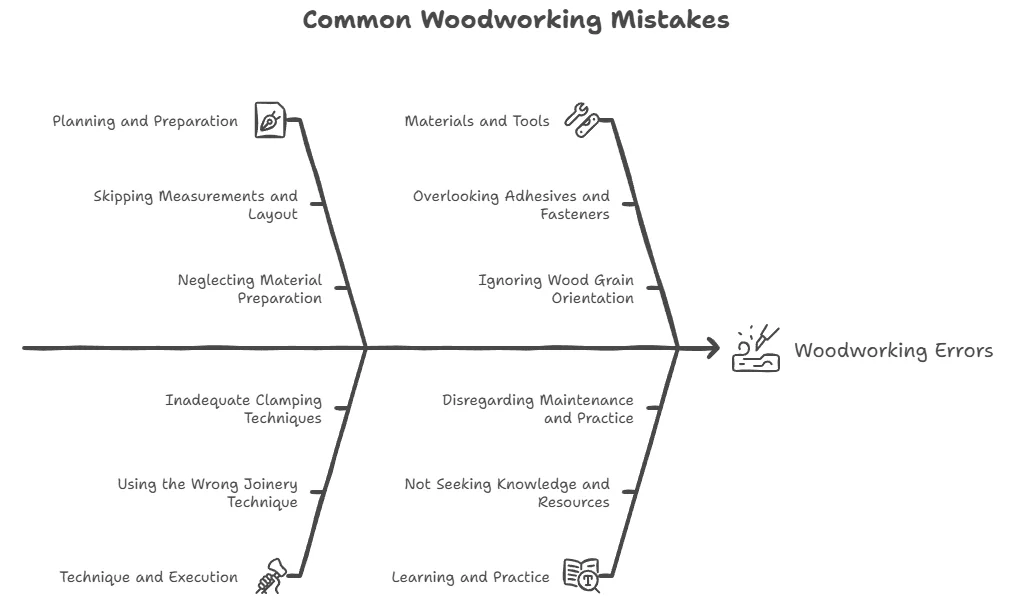
When it comes to Advanced Woodworking Joinery Techniques, understanding how to execute them properly can significantly enhance the quality of your projects. However, mistakes can happen during the process, and being aware of them is essential. Here are some common pitfalls to avoid when working with advanced joinery methods.
1. Skipping Measurements and Layout
One of the most crucial steps in any woodworking project is precise measurement and layout. Before diving into cutting and joining, take time to accurately measure and mark your pieces. Errors in measurement can lead to ill-fitting joints and wasted materials. Use a tape measure, square, and marking gauge to ensure your pieces are measured correctly.
2. Ignoring Wood Grain Orientation
Wood grain orientation plays a vital role in the strength and aesthetics of your joints. Failing to pay attention to the grain can result in weaker joints and could affect the final look of your project. For instance, aligning the grain direction properly can enhance the strength of a dado or mortise joint. Always observe the direction of the grain when making your cuts.
3. Using the Wrong Joinery Technique
Using an inappropriate joining technique for the type of project you are working on can lead to complications. Here are some popular joinery techniques and where they are best applied:
- Mortise and Tenon: Best used for frame assemblies.
- Dovetail Joints: Ideal for drawer construction and elegant joints.
- Box Joints: Great for toolboxes and simple boxes, offering good strength.
Always match your joinery method to the demands of your project.
4. Neglecting Material Preparation
Preparation of the wood is another crucial step. Before you start cutting, make sure your wood is clean, dry, and free from defects. Moist wood can lead to dimensional changes after the joinery is completed. Moreover, any knots, splits, or twists may weaken your joints. Proper preparation will yield better results in the long run.
5. Overlooking Adhesives and Fasteners
Your choice of adhesives and fasteners can make a huge difference in the performance of your joints. Using the right glue for the type of wood and joint can enhance strength. Similarly, selecting the appropriate fasteners ensures that your joints can withstand loads. Always follow manufacturer recommendations and guidelines when choosing these materials.
6. Inadequate Clamping Techniques
Once your joints are glued, using incorrect clamping techniques can lead to weak bonds or misalignment. Ensure that your clamps are applied evenly and firmly; however, be cautious not to apply too much pressure, which could damage the workpiece. Consider using cauls to distribute pressure evenly across your joints.
7. Failing to Test Joints
It’s a good practice to create test joints before working on your final pieces. This will allow you to see how well your methods and techniques perform. Testing helps in identifying errors in fitting and can provide a chance to refine your approach before tackling the final project.
8. Rushing the Process
Woodworking requires patience. Rushing through joinery can lead to careless mistakes and compromised quality. Take your time to ensure each step is executed correctly. Allow ample time for glue to dry, and avoid hastily applying finish before ensuring your joints are dry and stable.
9. Not Seeking Knowledge and Resources
Advanced Woodworking Joinery Techniques can be complex, and there’s always more to learn. Take advantage of resources available online or at woodworking centers. Websites like Wood Magazine and Popular Woodworking offer valuable insights and tutorials that can guide you through complex methods.
10. Disregarding Maintenance and Practice
Joinery skills improve with practice and maintenance. Make sure to regularly review your techniques and tools, seek feedback from peers, and continuously work on refining your skills. As the saying goes, “practice makes perfect.” Each project offers a chance to improve and learn from mistakes.
By avoiding these common mistakes, you can enhance your woodworking skills and ensure your Advanced Woodworking Joinery Techniques projects are successful. With each endeavor, you’ll grow as a craftsman and create work that showcases your talents.
Conclusion
Mastering Advanced Woodworking Joinery Techniques is a journey that enhances your craftsmanship and elevates the quality of your projects. By exploring a variety of joinery methods, you can create stronger and more durable connections in your work, ensuring that your creations stand the test of time. The benefits of honing these skills extend beyond craftsmanship; they lead to increased efficiency and a deeper understanding of wood properties and behaviors.
Equipping yourself with the right tools is crucial in implementing these advanced techniques effectively. Tools such as dove-tail jigs, chisels, and specialized saws can make a significant difference in accuracy and finish. Whether you lean towards traditional techniques or modern methods, understanding both styles will enable you to adopt the approach that best matches your personality and design philosophy, ensuring each project resonates with your unique artistic vision.
As you delve into the world of advanced joinery, it’s important to be mindful of common pitfalls. Avoiding mistakes such as miscalculating dimensions, underestimating wood movement, and using improper techniques will save you time and frustration in the long run.
Investing your time in learning and practicing Advanced Woodworking Joinery Techniques not only supports the strength of your projects but also deepens your appreciation for woodworking as an art form. Embrace the learning process, and you’ll find joy in both the challenge and the rewards it brings. As you refine your skills, you’ll be amazed at the transformation in your work and how much more satisfying each project becomes. Happy woodworking!