
Types of Woodshops
First, it’s essential to define what kind of woodshop you want to establish. Different types of woodshops vary significantly in their size requirements. Here are some common types to consider:
- Hobby Shop: Ideal for casual woodworkers, it typically needs about 100-200 square feet.
- Small Commercial Shop: If you plan to create items for sale, aim for at least 300-400 square feet.
- Large Commercial Shop: For serious craftsmanship or high-volume production, consider at least 1,000 square feet or more.
Essential Tools and Space Allocation
Your choice of tools will also significantly influence the space you’ll need. Here’s a breakdown of essential tools and their approximate space requirements:
| Tool | Space Required (sq ft) |
|---|---|
| Table Saw | 50 |
| Band Saw | 20 |
| Lathe | 30 |
| Woodworking Bench | 20 |
| Router Table | 15 |
| Sanders | 15 |
| Storage Cabinets | 30 |
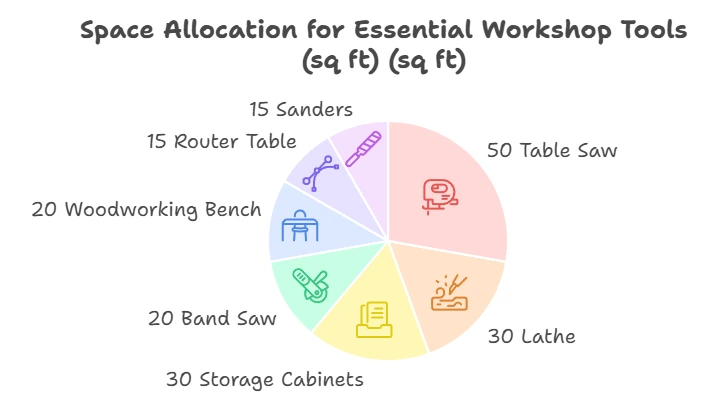
This table illustrates the essential tools and the estimated space they require. Remember, it’s important to allow for extra room to move around your tools comfortably. A good rule of thumb is to add 50-100% more space than the combined area of your tools.
Safety and Workflow Considerations
Safety and workflow are crucial factors to consider when determining the area required for a woodshop. Here are key elements:
- Aisle Space: Ideally, you should have at least 36 inches of aisle space between tools for safe movement.
- Clearance: Ensure there is adequate clearance around tools for easy access and operation.
- Ventilation: Proper ventilation is necessary to minimize dust and fumes, which might require additional airflow space.
- Electrical Needs: Plan where your electrical outlets will go. You might need to allocate extra room around these areas.
Location Considerations
The location of your woodshop also plays a significant role. Consider the following:
- Garage: Utilizing part of your garage can be a cost-effective solution, often providing plenty of room.
- Basement: A basement can serve as a quiet and controlled working environment, although you may need to address humidity issues.
- Outdoor Shed: If space allows, an outdoor shed could be an excellent option for separating work from home life.
Think about noise levels, access to utilities, and how often you’ll be using your shop when deciding on a location. Each option has its advantages and disadvantages; weigh them based on your needs.
Essential Tools Every Woodshop Should Have
Creating a well-equipped woodshop is essential for any woodworker looking to take their projects to the next level. With the right tools, you can enhance your skills, work more efficiently, and unleash your creativity. Below, you will find a list of essential tools that every woodshop should have.
Power Tools
Power tools are the backbone of most woodshops. They save time and effort, providing precision and power. Here are some must-have power tools:
- Table Saw: A table saw is crucial for making accurate, straight cuts in various sizes of wood. It allows for rip cuts and crosscuts, making it versatile for many projects.
- Router: This tool is excellent for hollowing out wood or decorative edging. A router can add detailed designs and make grooves with ease.
- Jigsaw: Ideal for cutting curves and intricate patterns, a jigsaw can be used on various materials and is especially useful for detailed work.
- Drill Press: Provides precision drilling at various angles and depths, making it essential for accuracy in your projects.
- Band Saw: Great for making curved cuts and resawing materials. It offers flexibility for both veneer cutting and intricate patterns.
Hand Tools
While power tools are vital, hand tools remain indispensable for detailed work and finishing touches. Here are essential hand tools you should consider:
- Chisels: A good set of chisels allows for precise cutting, shaping, and detailing in wood.
- Saws: Hand saws, coping saws, and dovetail saws are invaluable for fine craftsmanship and intricate cuts.
- Planes: A hand plane helps create smooth surfaces and can also adjust the thickness of the wood for fit.
- Square: Ensures your cuts are straight and angles are perfect. A combination square is particularly useful for both measuring and marking.
- Clamps: Necessary for holding pieces together while glue sets or while you’re working on them. Various types are available, including C-clamps and bar clamps.
Safety Gear
Safety should always be a priority in your woodshop. Here are vital safety gear items to have:
- Eye Protection: Always wear safety glasses to protect your eyes from flying debris.
- Hearing Protection: Use earplugs or earmuffs when using loud machinery to protect your hearing.
- Dust Mask: A quality dust mask or respirator protects your lungs from fine dust particles that can be harmful.
Measuring and Marking Tools
Having accurate measurements is vital in any project. Here are essential measuring and marking tools:
- Tape Measure: Essential for measuring large pieces, a tape measure should be easy to read and durable.
- Caliper: Provides high-precision measurements for small parts. It can also measure internal and external dimensions.
- Pencil and Marking Gauge: Sharp pencils or mechanical pencils for marking, and marking gauges for consistent line depth are crucial for accuracy.
Storage Solutions
Keeping your woodshop organized is key to maximizing efficiency. Consider these storage solutions:
- Workbenches: A sturdy workbench provides a stable surface for all your projects. Look for one with storage options.
- Toolboxes: Keep your tools safe and organized with a good toolbox that’s easy to move around.
- Shelving Units: Utilize vertical space by installing shelving units for storing wood, tools, and smaller items.
While each woodshop is unique, having these essential tools will enhance your woodworking experience and empower you to tackle various projects. For more in-depth information about woodworking tools and techniques, check out Woodworking Talk and Wood Magazine. By investing in quality tools and creating a well-organized space, you set yourself up for success in your woodworking journey. Whether you are a beginner or a seasoned pro, ensuring you have the right tools makes all the difference in your craft.
Tips for Designing an Efficient Woodworking Space
Creating an efficient woodworking space requires thoughtful design and careful planning. Whether you are a seasoned craftsman or a beginner woodworker, the layout of your workshop can significantly affect your productivity and creativity. Here are some essential tips to help you design a woodworking shop that meets your needs.
Determine Your Space Requirements
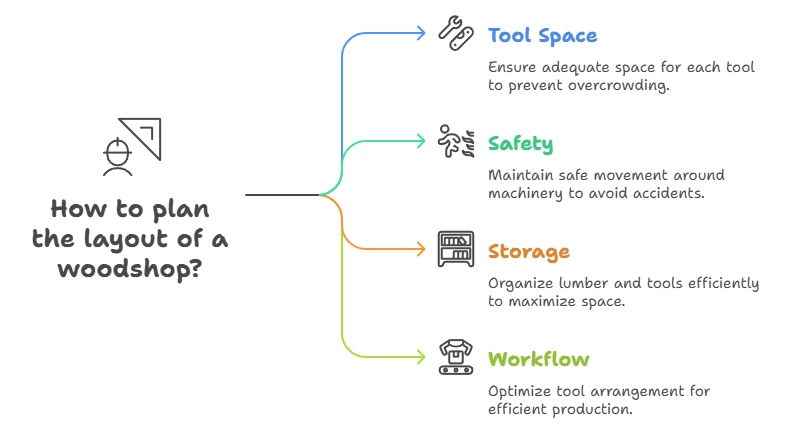
Before you start buying tools or arranging furniture, evaluate How Much Room Do You Need for A Woodshop? Common factors include:
- Tools: Consider the tools you own and their sizes. Tools like table saws, band saws, and jointers require immense space. Make sure to have adequate room for each tool.
- Safety: Ensure enough space for safe movement around your machinery. A minimum of three to four feet on all sides of your woodworking equipment is often recommended.
- Storage: Factor in areas for storing lumber, tools, and accessories. Shelving, cabinets, and workbenches can help organize your space.
- Workflow: Map out your workflow to find out how to arrange your tools most efficiently. Consider the process from cutting to assembling so that you minimize wasted movement.
Design Your Layout
Once you know how much space you need, you can start designing the layout. Here are a few layouts to consider:
- U-Shaped Design: This layout provides access to different tools from all sides, making it easy to move between stations.
- L-Shaped Design: This is efficient for narrow spaces, allowing you to place benches and tools along two adjacent walls.
- Inline Design: All tools are placed in a single line, which is effective for smaller shops but might require careful planning to avoid bottlenecking.
Maximize Storage Solutions
In any woodworking shop, storage can quickly become an issue. Consider using the following storage solutions:
- Vertical Storage: Utilize wall-mounted racks and pegboards to keep your tools visible and accessible.
- Mobile Carts: These can hold frequently used tools and materials, allowing you to move them closer to your workstation when needed.
- Toolboxes and Chests: Invest in quality storage units to protect your tools and keep them organized.
Prioritize Safety and Comfort
Designing your workshop for safety and comfort is crucial. Here are some key points to consider:
- Good Lighting: Ensure your workspace is well-lit to avoid accidents. Use overhead lights and task lighting where needed.
- Ventilation: Proper air circulation is vital for preventing the build-up of dust and fumes. Consider adding windows or an exhaust fan.
- Anti-Fatigue Mats: If you spend long hours standing, anti-fatigue mats can help reduce stress on your legs and back.
Assess Electrical Needs
Electrical considerations are crucial when setting up your woodworking space. You may require the following:
- Additional Outlets: Ensure enough electrical outlets for all your tools. Plan for multiple high-amperage outlets for larger machines.
- Power Lines: Check if your electrical wiring can safely support the power needs of your tools.
- Lighting Circuits: Isolate your lighting circuits from your power tools to avoid overloads.
To explore more tips and details on setting up a woodworking space, consider visiting Wood Magazine or Woodworker’s Journal. Both websites offer a wealth of resources that can assist you in achieving the perfect woodworking workshop. Planning your woodworking shop requires taking into account a range of factors including space, layout, storage, safety, and electrical needs. By focusing on these elements, you can create an efficient and enjoyable woodworking environment that fosters creativity and productivity.
Choosing the Right Location for Your Woodshop
When it comes to establishing a woodshop, choosing the right location is crucial for both functionality and safety. The ideal placement of your woodworking space will depend on several factors, including available space, resources, and your personal workflow. In this guide, we’ll explore some essential aspects to consider when selecting the perfect location for your woodshop.
Assessing Your Space Requirements
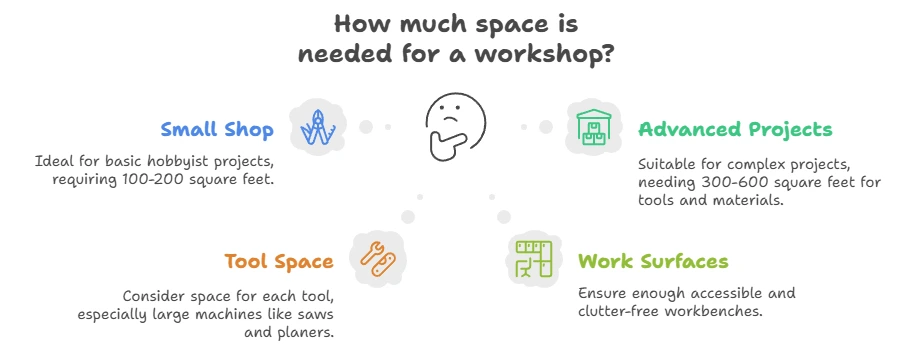
Before you dive deep into layout planning, it’s important to evaluate How Much Room Do You Need for A Woodshop? The space will largely depend on the type of woodworking you plan to do and the tools you will use. Here are some key points to consider:
- Basic Size Recommendations: A small shop for hobbyists typically requires at least 100 to 200 square feet. For more advanced projects, aim for 300 to 600 square feet, ensuring ample space for various tools and materials.
- Tools and Equipment: Each piece of equipment will have unique space requirements. Large machines like table saws, jointers, and planers need more room to operate safely.
- Work Surfaces: Consider the number of workbenches or surfaces you need. These areas should be easily accessible and free of clutter.
Selecting the Right Environment
Once you determine the size, focus on the environment of your shop location. Here are some attributes to consider:
- Lighting: Natural light is a bonus, but make sure to incorporate powerful overhead lighting and task lighting to see details during your projects.
- Ventilation: Good air circulation is essential, especially if you’re working with potentially toxic materials. Consider windows, vents, or even a dust collection system.
- Climate Control: Maintaining a consistent temperature and humidity levels is vital for woodworking materials, particularly wood. Prepare to invest in appropriate climate control systems like heaters or dehumidifiers.
Accessibility and Safety Considerations
Your woodshop should be easily accessible not only for yourself but also for deliveries or guests. Consider these factors related to access and safety:
- Entry Points: Ensure that multiple entry points make it easier to transport large pieces of wood and equipment.
- Emergency Exits: Safety is paramount in any workspace. Make sure to have clear pathways and exits in case of emergencies.
- Noise Consideration: If you reside in a neighborhood, keep noise levels in mind. Selecting a more remote area may minimize disturbances to neighbors.
Utilities and Amenities
It’s also important to consider the availability of utilities and amenities in your chosen location. Factors you should evaluate include:
- Electrical Outlets: More power outlets make it easier to plug in multiple tools and machines.
- Water Supply: Having an accessible water source can ease cleanup and can be useful for various projects.
- Storage Areas: Adequate storage for lumber, tools, and supplies can help keep the workspace organized and functional.
Ideal Locations for Woodshops
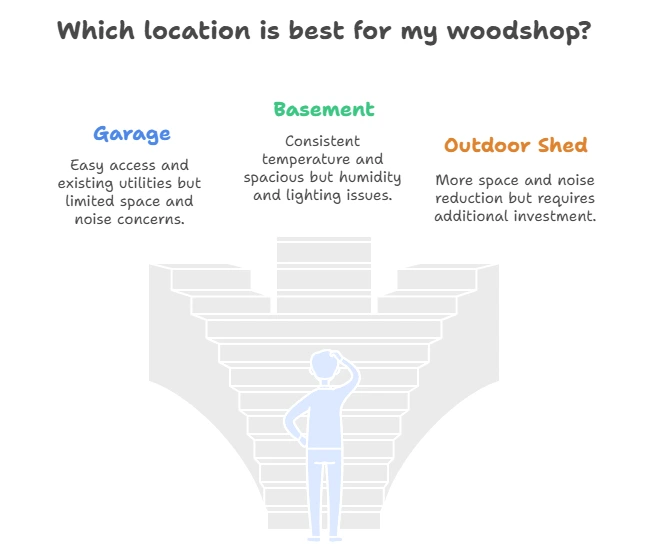
Choosing the perfect location can vary greatly depending on your circumstances. Here are some common locations to evaluate:
| Location | Pros | Cons |
|---|---|---|
| Garage | Easy access and often has existing power and storage. | Limited space and noise may disturb other household members. |
| Basement | Consistent temperature and often spacious if unfinished. | Humidity can be high, and lighting may need improvement. |
| Separate Outdoor Shed | More space and potential for noise reduction. | Requires additional investment for utilities and materials. |
Whether you are starting from scratch or optimizing your current space, consider all these factors carefully to build a woodshop that meets your needs. For more guidance on setting up your woodshop, you may explore resources from Wood Magazine or Popular Woodworking. Not only will these sites provide insights into equipment and materials, but they will also help you refine your workspace for optimal results. Your woodshop is a reflection of your creativity and skills. Invest the time to choose the right location to ensure a space where you can craft and build with ease.
Maximizing Small Spaces for Woodworking Projects
Creating a woodshop in a small space may seem daunting, but with clever strategies, you can turn even the coziest corner of your home into a fully functional woodworking area. Understanding how to maximize small spaces is key to running effective woodwork projects without feeling cramped. Here are some handy tips to help you set up your woodshop efficiently.
Assess Your Space
Before diving into setting up your woodshop, start by taking a good look at the area you have. Measure the room or space effectively to know exactly how much square footage you can work with. Consider the following:
- Dimensions: Knowing the length, width, and height of your space lets you visualize what you can fit in.
- Access to power: Make sure there are enough power outlets for your tools.
- Lighting: Natural light is great, but adequate artificial lighting will ensure safe woodworking.
Essential Tools and Equipment
Within your limited space, you’ll want to prioritize essential tools that can handle various tasks. Here’s a list of must-have tools:
- Table Saw: A compact table saw can serve multiple functions for cutting wood.
- Miter Saw: Perfect for crosscuts, a miter saw is useful in making precise angles.
- Router: This versatile tool is great for decorative edging and hollowing out areas in wood.
- Hand Tools: Don’t underestimate the value of hand tools like chisels, planes, and saws.
Vertical Space Utilization
In small woodshops, using vertical space is crucial. Here are some effective ways to make the most of it:
- Wall-mounted shelves: Install shelves high on the walls to store tools and materials.
- Pegboards: A pegboard allows you to hang tools for easy access while keeping the floor clear.
- Vertical racks: Use vertical racks for lumber storage, thus utilizing height effectively.
Modular Furniture
Investing in modular furniture can save space and increase flexibility. This type of furniture can adapt to your needs and be easily rearranged. Consider the following:
- Fold-down tables: These tables can be stowed away when not in use.
- Mobile carts: A rolling cart can store tools and materials, making it easy to move them around the workshop as needed.
- Stackable storage bins: Keep your workshop tidy with bins that stack and store tools safely.
Creating Work Zones
If space permits, designate specific areas for different tasks. This will help keep your workflow organized and reduce clutter. Typical work zones can include:
- Cutting Zone: A clear space with your saws and cutting tools.
- Assembly Zone: A larger table where you can put projects together.
- Finishing Zone: Where you can paint, stain, or seal your projects.
Noise Reduction
Woodworking can be noisy, especially with power tools. If you’re in a shared space or even a garage, consider soundproofing options. Here are ways to reduce noise:
- Acoustic Panels: Installing panels can significantly dampen the sound.
- Carpeting: Putting down rugs can absorb noise and vibrations.
- Enclosed Spaces: If possible, build enclosures or sound-proofed rooms within your workshop.
Safety Tips for Small Woodshops
Even in compact spaces, safety should be your top priority. Keep these tips in mind:
- Clear pathways: Ensure there’s enough space to move around without tripping over tools.
- Fire safety: Store flammable materials properly and have a fire extinguisher nearby.
- Personal protective equipment: Always wear safety glasses, gloves, and dust masks when needed.
With the right approach, setting up a woodshop in a small space can be incredibly rewarding. You will be able to indulge in your woodworking hobbies or professional projects without feeling cramped. For further inspiration and resources on woodworking, visit Wood Magazine or check out Popular Woodworking.
Conclusion
Creating a woodshop is an exciting journey for any woodworking enthusiast. Understanding How Much Room Do You Need for A Woodshop? is crucial as it directly impacts the functionality and efficiency of your projects. Whether you have a spacious garage or a small corner in your basement, optimizing that space is what truly matters.
Equipping your woodshop with essential tools is the next step in ensuring you can tackle various projects with ease. From a reliable table saw to versatile hand tools, having the right equipment will make your woodworking experience enjoyable and productive.
Designing an efficient woodworking space involves planning for workflow and accessibility. Effective use of storage solutions and a well-thought-out layout can transform even the smallest areas into productive workstations. Remember, the goal is to create an environment where you can work comfortably and efficiently.
Choosing the right location for your woodshop can influence both your creativity and productivity. Factors such as natural lighting, ventilation, and noise levels should be considered. A well-located space helps you remain focused and inspired.
For those working with limited space, maximizing your area is paramount. Clever storage solutions, foldable work surfaces, and multi-functional tools can make even a tiny workshop effective for woodworking projects. With careful planning and creativity, you can transform any size area into a functional woodshop.
Ultimately, the perfect woodshop is one that reflects your unique needs and available resources. So, get started with the space you have, apply the tips discussed, and let your woodworking skills flourish!