 ATTENTION: World's Largest Collection of 16,000 Woodworking Plans!
Stop struggling with incomplete plans that waste your time and money!
Step-by-step instructions that make woodworking super easy, even for beginners
Detailed schematics, cutting lists, and materials lists for every project
Get new plans monthly for life - no recurring fees or hidden costs
Request custom plans for your unique projects at no extra charge
Get 4 valuable bonuses including woodworking guides and business tips
GET INSTANT ACCESS NOW!
ATTENTION: World's Largest Collection of 16,000 Woodworking Plans!
Stop struggling with incomplete plans that waste your time and money!
Step-by-step instructions that make woodworking super easy, even for beginners
Detailed schematics, cutting lists, and materials lists for every project
Get new plans monthly for life - no recurring fees or hidden costs
Request custom plans for your unique projects at no extra charge
Get 4 valuable bonuses including woodworking guides and business tips
GET INSTANT ACCESS NOW!
Current Trends in Woodworking
The woodworking industry has seen significant shifts in recent years. Here are some trends driving demand for woodworkers:
- Custom Furniture: More consumers are seeking unique, customized furniture pieces. This trend boosts demand for skilled woodworkers who can create tailored solutions.
- Sustainability: As people become more eco-conscious, there is a growing interest in sustainable woodworking practices. Using reclaimed wood and environmentally friendly finishes is attractive to many buyers.
- Home Improvement: The surge in home improvement projects, especially due to the pandemic, has increased the need for woodworking skills. Many homeowners are turning to professionals to enhance their living spaces.
- Hobbies and DIY: There’s been a rise in DIY culture, where more people are taking up woodworking as a hobby. Although they may not need professional help initially, this may lead to future referrals for woodworkers.
Job Opportunities for Woodworkers
The demand for woodworkers varies across different areas, offering a range of job opportunities. Here are some sectors where woodworkers can thrive:
- Furniture Manufacturing: Companies always need skilled woodworkers to craft both custom and mass-produced furniture.
- Cabinetry: Cabinetmakers are essential for construction and renovation projects, leading to a steady demand.
- Restoration Projects: Older buildings often require wood restoration, which taps into a niche market for skilled craftsmen.
- Interior Design: Collaborating with interior designers can lead to unique projects, as wooden elements are crucial in many design schemes.
Skills Required for Woodworkers
To stay competitive in this field, woodworkers should focus on developing specific skills, including:
- Technical Skills: Knowing how to use various woodworking tools and machinery is fundamental.
- Design Abilities: Understanding design principles can help in creating aesthetically pleasing pieces.
- Problem-Solving: Each project may present different challenges that require innovative solutions.
- Attention to Detail: Precision is key in woodworking; even small mistakes can affect the final product.
Pay Scale for Woodworkers
The income for woodworkers can vary significantly based on experience, location, and job type. Below is a general pay scale:
| Type of Woodworker | Average Salary (Annually) |
|---|---|
| Cabinetmaker | $40,000 – $60,000 |
| Furniture Maker | $35,000 – $75,000 |
| Restoration Specialist | $45,000 – $70,000 |
| Custom Woodworker | $50,000 – $90,000+ |
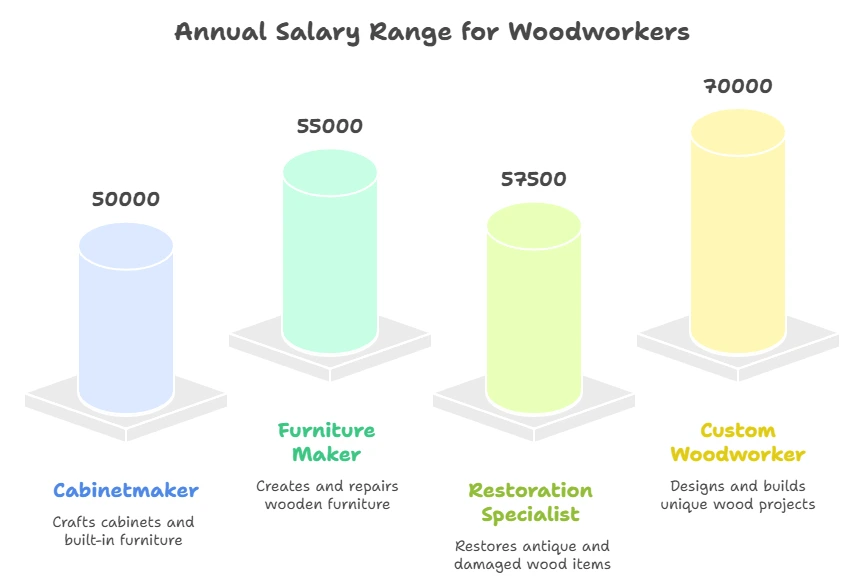
Income can also increase based on portfolios and reputations within the industry. Successful woodworkers often find that their income rises with experience and high-quality craftsmanship.
Future of Woodworking
With an increasing interest in handcrafted goods, woodworkers are likely to remain in demand. Here are factors contributing to this future landscape:
- Growth in E-commerce: Online sales platforms allow woodworkers to reach broader audiences, increasing their potential customer base.
- Workshops and Classes: As more people explore woodworking as a hobby, the demand for instructional workshops can create additional job opportunities.
The woodworking profession is flourishing, offering various job prospects and a promising future. If you’re considering a career in woodworking or looking for skilled woodworkers, there are plentiful opportunities today and in the years to come.
For more information on the woodworking profession, you can visit Woodworking Network and Wood Magazine.
The Skills Every Woodworker Needs to Succeed

If you’re considering a career in woodworking or just want to improve your skills as a hobbyist, it’s essential to know the skills you need to succeed in the woodworking industry. Woodworking combines artistry and craftsmanship, making it both a fulfilling profession and a rewarding pastime. Here, we’ll explore the skills that every woodworker should hone to excel in this craft.
Technical Skills
First and foremost, technical skills form the foundation of any successful woodworking career. Here are the critical technical abilities you should focus on:
- Measuring and marking: Precision is crucial. Knowing how to accurately measure wood and mark it for cutting is foundational to any woodworking project.
- Cutting and shaping: Mastering various cutting techniques, such as using hand saws, table saws, and band saws, will enable you to create your desired shapes effectively.
- Joining techniques: Familiarity with different joining methods, including dovetail joints, mortise and tenon joins, and pocket hole joints, is necessary for constructing sturdy furniture.
- Finishing: Learning how to apply finishes like stains, varnishes, and paints ensures your projects look professional and last longer.
Design Skills
Woodworking isn’t just about constructing items; it’s also about design. To create functional works of art, consider developing the following design skills:
- Prototyping: Create models or rough drafts of your designs to visualize and adjust them before starting production.
- Computer-aided design (CAD): Familiarity with CAD software can help you draft plans, enabling accurate dimensions and layouts for your projects.
- Creativity: Being able to think outside the box allows you to incorporate unique elements in your projects, setting you apart in a competitive market.
Problem-Solving Skills
Every woodworker encounters challenges, whether it’s adjusting plans mid-project or fixing mistakes. Enhancing your problem-solving skills will make you more adept at overcoming these obstacles.
- Critical thinking: Assess various solutions to problems that arise, weighing the pros and cons of each option.
- Adaptability: Be ready to change your approach if a project isn’t going as planned or a new opportunity arises.
Interpersonal Skills
If you aim to make woodworking your career, strong interpersonal skills are necessary for building relationships in the industry. Work on enhancing these skills:
- Communication: Effectively communicating your ideas and accepting feedback improves teamwork and relationships with clients.
- Networking: Connecting with other woodworkers, suppliers, and industry professionals helps you grow your business and find new opportunities.
Business Skills
For woodworkers aiming to run their own business, solid business skills are indispensable. You’ll want to get comfortable with:
- Budgeting: Knowing how to manage finances is crucial for acquiring materials and setting prices for your work.
- Marketing: Understanding how to effectively market your products can dramatically increase your visibility to potential customers. Consider platforms like Instagram and Etsy to showcase your work.
- Time management: Balancing production schedules and deadlines will help you keep your workflow steady and your customers satisfied.
Safety Skills
Woodworking can be dangerous without the right safety measures in place. Essential safety skills include:
- Using protective gear: Always wear safety goggles, gloves, and ear protection while working with tools.
- Tool safety: Understanding the correct way to use tools reduces accidents and instills confidence in your abilities.
- Workspace organization: A tidy workspace minimizes risks and helps maintain focus on the task at hand.
Each of these skills plays a vital role in becoming a successful woodworker. Whether you are just starting out or looking to refine your craft, keep honing these abilities to thrive in this fulfilling field. Whether you seek guidance from websites like Woodworking Network or join forums and communities, there’s a wealth of resources available to help you grow. Remember, a successful woodworker is well-rounded in technical, creative, and business aspects of the craft. Now, go ahead—let your woodworking journey begin!
How to Build a Successful Woodworking Business

Building a successful woodworking business requires a blend of craftsmanship, business acumen, and strategic planning. Whether you’re a seasoned woodworker or a hobbyist looking to turn passion into profit, understanding the nuances of this trade is crucial. Here are steps one can take to develop a thriving woodworking business.
Start with a Solid Business Plan
Creating a business plan is the first step toward success. It should clearly outline your business goals, strategies, target market, and financial projections. A solid plan will serve as a roadmap, guiding you through the various stages of establishing and growing your business.
Identify Your Niche
Woodworking encompasses various niches, including furniture making, cabinetry, custom signs, and hobby projects. Evaluate your skills and interests to find a niche that resonates with you. Some popular niches in woodworking are:
- Custom furniture
- Home décor items
- Kitchen cabinets
- Wooden toys
- Artisan home goods
Focusing on a specific niche can help you target your marketing efforts and stand out in a crowded marketplace.
Source Quality Materials
High-quality wood and materials are essential for producing exceptional products. Establish relationships with local sawmills or wholesalers to procure the best raw materials. Ensure you consider:
- Cost of materials
- Quality and type of wood (hardwood vs. softwood)
- Availability and sustainable sourcing
Investing in premium materials may slightly increase your initial costs but can significantly improve the quality and durability of your products.
Invest in the Right Tools
Equipping your workshop with the right tools can enhance your efficiency and precision. Basic tools needed for a woodworking business include:
- Table saw
- Band saw
- Drill press
- Router
- Hand tools (chisels, saws, etc.)
Over time, as your business grows, consider expanding your toolset to include specialized equipment that caters to your niche.
Build an Online Presence
In today’s digital age, having an online presence is crucial for attracting customers. Create a user-friendly website showcasing your work, services, and contact information. Utilize platforms like Etsy or Shopify to sell your products directly to customers. Make sure to:
- Use high-quality images of your products
- Create engaging and informative product descriptions
- Include customer testimonials to build trust
Market Your Business Effectively
Marketing efforts significantly impact your business’s visibility. Engage in both online and offline marketing strategies such as:
- Social media advertising (Instagram, Pinterest)
- Content marketing (blogging about woodworking tips)
- Local craft fairs and markets
- Networking with other woodworkers and business owners
Developing a strong brand identity will set you apart from competitors and attract a loyal customer base.
Prioritize Customer Service
Exceptional customer service can lead to repeat business and referrals. Always listen to customer feedback and address concerns promptly. Offering customization options can also enhance customer satisfaction and create unique buying experiences.
Manage Finances Wisely
Maintaining accurate financial records is vital for any business. Track your income and expenses to ensure you’re on top of your finances. Hire a professional accountant if needed, use accounting software, or set aside time for bookkeeping weekly. This step will help you make informed decisions and avoid potential financial issues.
Stay Updated and Expand Skills
The woodworking industry evolves, with new techniques and trends making waves. Stay updated by attending workshops, online courses, or woodworking expos. Expanding your skill set not only helps in producing better products but can also offer opportunities to diversify your business.
Consider Larger Projects
Once established, think about larger projects that could expand your business’s scope. Collaborating with architects or interior designers can lead to significant contracts, boosting your revenue. Always ensure that you keep delivering quality work to maintain a favorable reputation.
By focusing on these elements, you can build a successful woodworking business that thrives in a competitive landscape. Whether your goal is to run a full-time operation or a side hobby, these strategies can help you reach your woodworking ambitions.
The Impact of Technology on Modern Woodworking

Woodworking has seen a remarkable evolution over the years, influenced heavily by technological advancements. These innovations have transformed how woodworkers approach their craft, making processes more efficient and precise. One of the biggest shifts is the introduction of computer numerical control (CNC) machines. Unlike traditional methods, CNC technology allows woodworkers to create intricate designs with incredible accuracy. A computer program drives the machines, which cuts, carves, and shapes wood according to pre-set digital designs. This has not only expanded creative possibilities but has also reduced waste by optimizing material usage.
Use of SketchUp or AutoCAD
Moreover, software tools play a crucial role in modern woodworking. Programs such as SketchUp or AutoCAD enable woodworkers to visualize projects before they start. These design tools offer the ability to manipulate dimensions and styles, providing a clearer picture of the final product. This pre-planning reduces errors and leads to a more streamlined building process, saving both time and resources.
3D printing
Another crucial technological impact comes from 3D printing. While it’s often associated with plastics, advancements in 3D technology have also allowed for the printing of wooden components. This opens up new avenues for creating complex shapes and forms that would be difficult or impossible to achieve with traditional methods. Now, woodworkers can focus on enhancing designs rather than getting bogged down in manual labor.
Power Tools
Additionally, modern woodworking tools are evolving. Traditional hand tools are now available with electric and battery-operated versions. These power tools increase efficiency significantly, allowing woodworkers to complete projects faster without sacrificing quality. For instance, battery-powered saws and drills provide the flexibility to work in various locations without needing to stay near an electrical outlet.
Online Marketplace
The rise of the online marketplace has also altered the landscape for woodworkers. With platforms like Etsy or even dedicated woodworking websites, artisans can reach a broader audience. You no longer need a physical storefront to showcase your work. This shift not only provides more opportunities for woodworkers but also allows customers to find unique, handcrafted items conveniently.
Social Media Role
Moreover, social media plays a pivotal role in promoting woodworking. Platforms like Instagram and Pinterest are ideal for sharing woodworking projects and connecting with potential clients. By showcasing completed works and behind-the-scenes creation processes, woodworkers can build a following and engage a community that appreciates their craftsmanship.
Yet, with these advancements, it’s essential to maintain a balance between technology and traditional skills. While tech can enhance efficiency and precision, the artistry involved in woodworking remains rooted in hands-on skills. The touch, feel, and aesthetic judgment that come from traditional carpentry techniques are irreplaceable.
Here’s a quick overview of some key technologies impacting woodworking today:
- CNC Machines: Enhance precision and reduce labor time.
- Design Software: Tools like SketchUp allow for pre-designing projects.
- 3D Printing: Opens up new creative avenues with complex shapes.
- Power Tools: Battery-powered tools increase flexibility and efficiency.
- Online Platforms: Allow woodworkers to market their products beyond local markets.
- Social Media: Engages a broader audience for sharing ideas and finished products.
As technology continues to evolve, it’s exciting to consider how woodworking will adapt. Woodworkers who embrace these advancements will likely find themselves on the cutting edge of a craft that beautifully marries traditional skill with modern technology.
Whenever you’re looking for resources to explore the relationship between technology and woodworking, feel free to check out Wood Magazine or Woodworker’s Journal for insightful articles and expert advice.
The future of woodworking truly lies in the hands of those who leverage these tools wisely while continuing to hone their traditional craft.
Sustainability in Woodworking: Trends and Practices
Sustainability is becoming a key focus in many industries, and woodworking is no exception. As environmental awareness grows, woodworkers are increasingly adopting practices that prioritize ecological responsibility. Many consumers now seek furniture and products that reflect their sustainable values, creating a demand for eco-friendly woodworking.
One of the core sustainability trends in woodworking is the use of reclaimed wood. This involves sourcing wood from old structures, discarded furniture, or even pallets. By repurposing this material, woodworkers can reduce waste and lessen the demand for new lumber, which often involves deforestation. Reclaimed wood products not only have a unique aesthetic but also tell a story of sustainability.
Benefits of Using Reclaimed Wood:
- Environmental Impact: Reduces the need for logging and preserves forests.
- Unique Aesthetic: Each piece has its own history, adding charm to products.
- Durability: Often made from old-growth forests, providing strength and longevity.
Another significant trend is the certification of sustainable wood sources, such as those verified by the Program for the Endorsement of Forest Certification (PEFC) or the Forest Stewardship Council (FSC). These organizations ensure that wood is harvested responsibly, promoting forest management that is environmentally sound, socially beneficial, and economically viable. Consumers are more likely to trust products that display these certifications, which in turn drives demand for certified materials.
Woodworkers are also exploring ways to reduce waste during the crafting process. For instance, implementing precise cutting techniques can minimize off-cuts. Additionally, many craftspeople are now recycling byproducts or scraps from their projects into smaller items, reducing the overall waste created in their workshops.
Education plays a crucial role in promoting sustainable woodworking practices. Workshops and seminars are becoming more prevalent, where experienced woodworkers share sustainable techniques with newcomers. Many online platforms offer resources on sustainable woodworking practices, inspiring both seasoned artisans and hobbyists to rethink their methods. Websites like Woodworker’s Journal provide valuable insights and tips for those interested in sustainability.
Moreover, there’s a shift towards using sustainable finishes and adhesives. Traditional chemicals used in woodworking can be harmful to both health and the environment. Woodworkers are increasingly opting for low-VOC (volatile organic compounds) or water-based finishes, which are less toxic and have a lower environmental impact. Innovations in eco-friendly adhesives, such as those made from plant materials, are also contributing to this trend.

Key Practices for Sustainable Woodworking:
- Use reclaimed and certified wood sources.
- Implement efficient crafting techniques to reduce waste.
- Educate oneself and others on sustainable practices.
- Opt for eco-friendly finishes and adhesives.
In addition to these practices, the concept of local sourcing is gaining traction. By sourcing materials nearby, woodworkers can reduce carbon footprints associated with transportation. This not only supports local economies but also connects craftspeople with their communities, fostering a sense of responsibility and collaboration.
The rise of online marketplaces focused on sustainable products has further bolstered the demand for eco-friendly woodworking. Consumers are increasingly turning to platforms that prioritize handmade and sustainable goods, making it easier for woodworkers to reach an audience that values ethical production. Websites like Etsy showcase numerous artisans committed to environmentally-friendly practices.
As the demand for sustainable woodworking continues to grow, it represents an opportunity for woodworkers to differentiate themselves in a competitive market. By embracing eco-friendly materials and practices, they can not only contribute to environmental conservation but also appeal to a conscientious customer base.
Sustainability in woodworking is not just a trend—it’s becoming a vital part of the craft. By leveraging reclaimed materials, obtaining certifications, reducing waste, using eco-friendly products, and promoting local sourcing, woodworkers can dramatically lessen their environmental impact. As you consider your own woodworking practices, think about how you can incorporate these sustainable trends into your work.
Conclusion
The demand for woodworkers is undeniably on the rise, driven by a growing appreciation for handcrafted items and sustainable practices. As consumers increasingly prioritize quality and eco-friendly solutions, woodworkers who hone essential skills and adapt to modern trends are well-positioned for success in this evolving landscape.
To thrive in this field, aspiring woodworkers must focus on acquiring both fundamental and advanced skills, from mastering traditional techniques to embracing contemporary tools and technology. A solid understanding of design software and machinery allows woodworkers to create innovative products that cater to diverse customer needs.
Moreover, establishing a successful woodworking business requires not just craftsmanship but also savvy marketing strategies and financial management. By carving out a niche and building a strong online presence, woodworkers can connect with their target audience and turn their passion into profit.
The integration of technology has transformed woodworking, offering new opportunities for creativity and efficiency. Automation, 3D printing, and digital design tools enable woodworkers to streamline production while enhancing the quality of their products. This shift paves the way for innovative woodworking solutions that align with market demands.
Furthermore, the emphasis on sustainability is reshaping industry standards. Woodworkers who prioritize responsible sourcing and eco-friendly techniques not only appeal to environmentally conscious consumers but also contribute positively to the planet.
The future for woodworkers looks bright. By continuously developing their skills, embracing technology, and committing to sustainable practices, woodworkers can tap into a thriving market that values craftsmanship and innovation. The landscape is ripe for those willing to invest in their craft and adapt to the changing world of woodworking.