
What is Fresh Cut Wood?
Fresh cut wood, often referred to as green lumber, is harvested directly from trees and not yet dried out. This type of wood retains a high moisture content, typically between 30% to 100%. While it might seem like a great option for rough projects, it’s important to understand how this moisture impacts the wood.
Building with fresh cut wood is a topic of great interest for many DIY enthusiasts and professionals alike. When you harvest wood directly from trees, it can bring a unique set of challenges and advantages that can impact your building project. Fresh cut wood, also known as green wood, possesses distinct characteristics that differentiate it from seasoned or kiln-dried lumber.
Understanding the Importance of Drying Fresh Cut Wood
One important aspect to understand is the moisture content in fresh cut wood. Green wood has a high moisture level, typically ranging from 30% to 50%. This can lead to several complications during the building process.
- Shrinkage: As the wood dries, it may shrink unevenly, causing structural issues in your project.
- Warping: Uncontrolled moisture loss can lead to warping, affecting both the appearance and stability of the wood.
- Cracking: Fresh cut wood is prone to cracking as it dries, which can impair the structural integrity of your project.
- Mold and Mildew Growth: High moisture levels can create an ideal environment for mold, which can damage the wood and pose health risks.
So, Can You Build with Fresh Cut Wood? The answer is yes, but there are some important considerations to keep in mind.
One common practice is to use fresh cut wood in projects where the wood will not experience high stress or where shrinkage is less of a concern. Here are some ways fresh cut wood can be effectively utilized:
- Temporary Structures: Fresh cut wood can be ideal for temporary structures or frameworks that can be taken down later.
- Outdoor Projects: Consider using fresh cut wood for outdoor furniture, garden beds, or landscaping features where shrinkage will have a lesser impact.
- Rustic Finishes: If your project goal includes a rustic aesthetic, utilizing fresh cut wood can contribute to a unique and natural appearance.
If you’re leaning towards using fresh cut wood for your project, consider these tips to help mitigate its drawbacks:
- Proper Drying: Allow the wood to dry gradually in a controlled environment. Avoid direct sunlight to prevent rapid drying, which can lead to increased cracking.
- Seal Ends: Sealing the ends of the wood can help slow down the drying process and reduce the risk of checking.
- Monitor Climate: Pay attention to the humidity levels in your workspace, as this can influence how the wood dries.
Can You Build with Fresh Cut Wood? It is also an environmentally friendly option, as it supports sustainable forestry practices. Using local sources minimizes transportation emissions and uses material that would otherwise go to waste. If this interests you, learn more about sustainability in your woodworking journey at Forest Guild.
Another critical factor is the type of wood you’re using. Different species have varying rates of drying and shrinkage. For instance, hardwoods like oak and maple stay denser, whereas softwoods like pine and cedar tend to warp more significantly. Ensure you consider this when selecting your fresh cut wood for specific projects. You can explore more about different wood types at Wood Magazine.
To help manage expectations, it’s essential to measure and account for possible dimensional changes during the drying process. Create your construction plans accordingly, allowing extra space in joints and fixtures to accommodate potential shrinkage. An organized approach will lead to better outcomes in using fresh cut wood as a building material.
Building with fresh cut wood can be both rewarding and challenging. By understanding its properties, you can make the most of this natural resource to create beautiful, durable structures that stand the test of time. Seeking guidance from experts and learning about techniques for working with green wood can make your project a breeze. Don’t hesitate to check resources like Woodworker’s Source for further insights.
Ultimately, while fresh cut wood can require additional care and planning, it can also provide a unique opportunity for creativity and sustainability in your building projects.
The Advantages and Disadvantages of Using Fresh Cut Wood
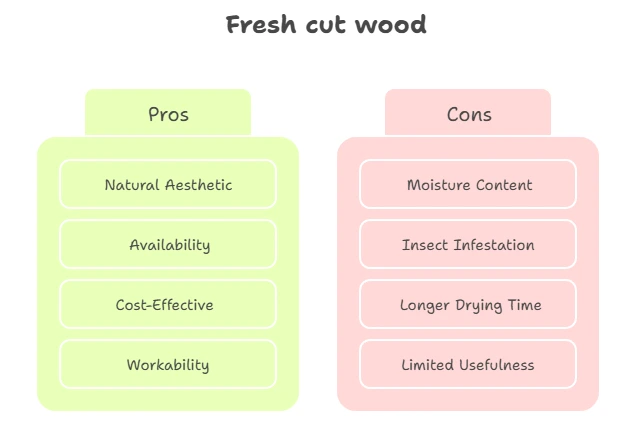
Using fresh cut wood can be a popular choice for various construction and crafting projects. When considering whether to work with fresh cut lumber, it’s essential to understand both the advantages and disadvantages it brings. This knowledge empowers builders, craftsmen, and DIY enthusiasts to make informed decisions that best suit their needs.
Advantages of Using Fresh Cut Wood
Natural Aesthetic
Fresh cut wood boasts a rich, natural look that is hard to replicate. Its unique grain patterns and vibrant colors can enhance the beauty of any project. Whether you’re building furniture, a deck, or even decorative items, the visual appeal of fresh cut wood can make a significant difference.
Availability
Fresh cut wood is often more accessible compared to seasoned or treated wood. Local sawmills and lumber yards may carry fresh cut options, making it easier for you to find the materials you need without a long wait. Additionally, some regions may have an abundance of specific types of wood that can be sourced more cheaply when fresh cut.
Cost-Effective Option
When budget is a concern, using fresh cut wood can be more economical. The cost of seasoned wood, which undergoes drying and treatment processes, is typically higher due to additional labor and time involved. Using fresh cut wood allows you to save on initial expenses, which can be crucial for larger projects.
Workability
Fresh cut wood is often easier to work with. Its softness makes it simpler to cut, shape, and carve. This is especially beneficial for hobbyists and those new to woodworking, as it reduces the risk of damaging the wood during the crafting process.
Disadvantages of Using Fresh Cut Wood
Moisture Content
A notable drawback of fresh cut wood is its high moisture content. Freshly harvested lumber can contain a significant amount of water, which can lead to problems during and after construction. As the wood dries, it may warp, crack, or cup, compromising the structural integrity of your work.
Insect Infestation
Fresh cut wood can be prone to insect infestation. Bark beetles and termites can be present in unprocessed wood, potentially leading to costly damage over time. It’s essential to inspect the wood carefully before use and consider treating it if you suspect any infestations.
Longer Drying Time
While fresh cut wood is more readily available, it requires significant time to dry adequately before use. This can delay projects where immediate construction is required. For optimal results, the wood should be allowed to air-dry for a certain period to minimize warping and cracking, potentially pushing back your timeline.
Limited Usefulness
Due to its moisture content and subsequent instability, fresh cut wood may not be suitable for all applications. For outdoor structures that must endure the elements, seasoned wood is usually a better choice. Understanding your project’s requirements is crucial when deciding to use fresh cut wood.
Things to Consider When Using Fresh Cut Wood
Here are several factors to consider if you choose to work with fresh cut wood:
- Treat the Wood: Consider using preservatives or wood treatments to enhance its durability.
- Store it Properly: Ensure that fresh cut wood is stored in a dry place to minimize moisture absorption and prevent decay.
- Allow for Curing: Give sufficient time for the wood to dry before incorporating it into your project.
Using fresh cut wood can have both advantages and disadvantages. Its natural beauty and cost-effectiveness can be appealing, but moisture content and the potential for insect problems require careful consideration. If you want to explore more about using fresh cut wood, you can visit Wood Magazine or the Woodworker’s Journal for additional insights.
Best Practices for Drying Fresh Cut Wood Before Construction
When embarking on construction projects, using fresh cut wood can be tempting due to its availability and lower cost. However, working with fresh cut wood entails some critical steps before it can be employed in building. One essential step is drying the wood properly. Here’s what you need to know about best practices for drying fresh cut wood effectively before you start construction.
To avoid these issues, it’s critical to follow best practices for properly drying fresh cut wood before incorporating it into your construction plans.
Initial Steps for Drying Fresh Cut Wood
Here are tips to start the drying process right:
- Cut Properly: Ensure the wood is cut into manageable sizes. Smaller pieces dry faster than large logs.
- Store in a Dry Place: Choose a well-ventilated area, ideally outdoors, under a shelter to protect from rain.
- Stack with Spacers: Use spacers between layers of wood to promote airflow. This will enhance evaporation and speed up the drying process.
Techniques for Drying Fresh Cut Wood
Beyond initial storage, various techniques can optimize the drying process:
Air Drying
This is the most common method, utilizing natural air humidity and flow. It can take several months but is cost-effective. Here’s a simple guide:
- Stack wood in rows with spacers between them.
- Ensure the stack is located away from direct sunlight to prevent rapid drying, which can cause cracking.
- Monitor moisture levels periodically using a moisture meter.
Kiln Drying
If time is of the essence, consider kiln drying. This controlled process can reduce drying time significantly—often to just a few days. It involves:
- Placing wood in a specialized chamber that uses heat and airflow.
- Carefully regulating temperatures and humidity levels.
For optimal results, check resources that detail how to use kilns for drying wood correctly.
Monitoring the Drying Process
Regardless of the drying method, monitoring is key to success. Here’s what you can do:
- Use a moisture meter to track the moisture content. For most construction projects, you should aim for a moisture content between 6% and 12%.
- Check for any signs of mold or weakness in the wood and adjust storage conditions accordingly.
Final Steps and Considerations
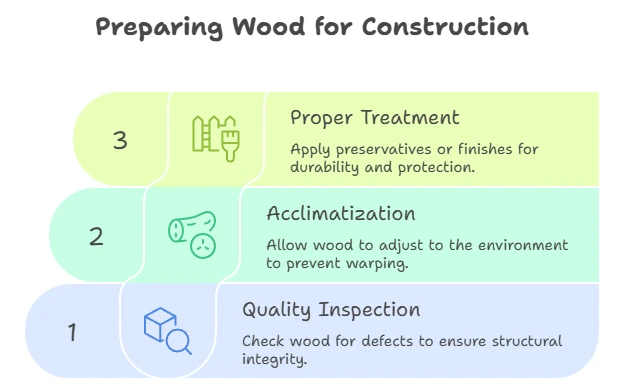
Before using your dried wood for construction, consider the following:
- Quality Inspection: Inspect wood for any cracks, warp, or defects.
- Acclimatization: Allow the wood to acclimatize to the environment where it will be used. Place it in the construction area for some time before installation.
- Proper Treatment: Treat the wood with preservatives or finishes appropriate for the intended use.
By adhering to these best practices, you can ensure that your fresh cut wood is adequately dried, making it ready and suitable for your construction project. Understanding these steps not only saves money but also enhances the longevity and performance of your building.
For more detailed information about wood drying methods, visit Woodworkers Source or Fine Woodworking.
Comparing Fresh Cut Wood to Seasoned Wood for Building Projects
When tackling a building project, choosing the right type of wood is crucial. Fresh cut wood and seasoned wood offer unique benefits and drawbacks that can influence your decision. Understanding these differences will help you make an informed choice for your construction needs.
What is Seasoned Wood?
Seasoned wood has undergone a drying process, either air-dried or kiln-dried, reducing its moisture content to about 6% to 20%. This process enhances the wood’s overall stability and durability, making it a preferred choice for many builders.
Advantages of Seasoned Wood
- Stability: Seasoned wood is less likely to warp, crack, or split once used, ensuring better results in building projects.
- Lightweight: With less moisture content, seasoned wood is easier to handle and transport, making the construction process smoother.
- Resistant to Pests: The lower moisture content can deter pests, minimizing the risk of insect infestation.
Disadvantages of Seasoned Wood
- Higher Cost: Seasoned wood generally comes with a higher price tag due to the drying process and labor involved.
- Delayed Use: You may need to wait for the wood to dry fully if you choose air-dried methods, adding time to your project.
Key Comparisons
| Aspect | Fresh Cut Wood | Seasoned Wood |
|---|---|---|
| Moisture Content | 30%-100% | 6%-20% |
| Stability | Prone to warping and cracking | Stable and reliable |
| Weight | Heavier | Lighter |
| Cost | Generally lower | Generally higher |
| Use | Immediate, but caution needed | Ready to use after drying |
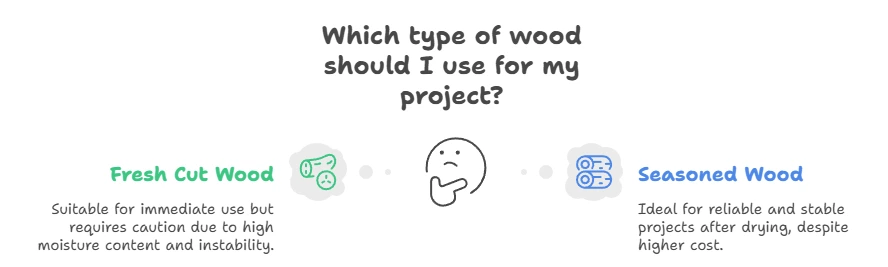
Deciding between fresh cut wood and seasoned wood heavily depends on your specific building project requirements. If you prioritize immediate availability and cost savings, fresh cut wood might suit your needs. However, for projects requiring stability and long-lasting durability, seasoned wood is often the better choice. For further reading on choosing the best wood for your building project, check out Wood Magazine and Family Handyman.
Tips for Selecting and Preparing Fresh Cut Wood for Your DIY Projects
If you’re diving into DIY projects, fresh cut wood can be an exciting material to work with. However, handling and preparing it requires special attention. The process of selecting and preparing fresh cut wood is crucial for ensuring the success of your projects. Here’s how you can effectively choose and prepare this type of wood.
Understanding Fresh Cut Wood
Fresh cut wood, also known as green wood, comes directly from the tree. It has a high moisture content, which can affect its use in projects. Unlike seasoned wood that has been dried out and cured, fresh cut wood can warp, crack, or shrink as it dries. Before you jump into your project, it’s essential to grasp the characteristics of fresh cut wood.
Selecting the Right Fresh Cut Wood
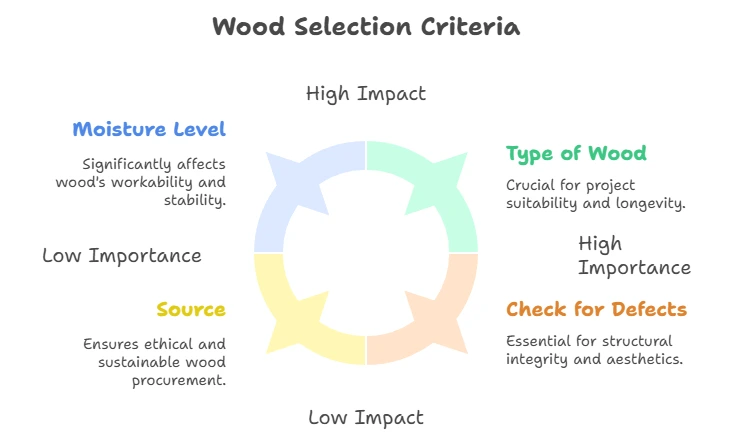
When it comes to selecting fresh cut wood, certain factors should guide your choice. Here are some tips to help you make the right selection:
- Type of Wood: Different woods serve different purposes. For instance, oak and maple are great for furniture, while cedar is ideal for outdoor projects due to its resistance to rot.
- Moisture Level: Although fresh cut wood has high moisture content, consider using a moisture meter to check its levels. Ideally, a moisture content of around 20% is manageable for most projects.
- Check for Defects: Look for knots, cracks, and other imperfections. These can affect the strength and overall appearance of your finished product.
- Source: Always choose wood from reputable suppliers or local sawmills. This ensures that the wood is harvested sustainably and adheres to local regulations.
Preparing Fresh Cut Wood for Your Projects
Once you’ve selected the right type of fresh cut wood, the next step is preparation. This phase is essential in ensuring the wood behaves correctly during and after your project.
Seasoning the Wood
To reduce the moisture content in fresh cut wood, you should dry or season it. Here are popular methods:
- Air Drying: Stack your wood in a well-ventilated and shaded area. Ensure proper spacing between the logs for air circulation. This can take several weeks to months, depending on the wood species and environment.
- Kiln Drying: This is a faster method where wood is placed in a controlled environment to reduce moisture. It’s often used commercially and yields a uniform moisture level.
Cutting and Shaping
After seasoning, you can cut and shape the wood according to your project needs. Here’s how to do it effectively:
- Use Sharp Tools: Dull tools can cause splintering. Make sure your saws and chisels are sharp for clean cuts.
- Measure Twice, Cut Once: Always measure and mark before cutting to minimize waste.
- Mind the Grain: Pay attention to the wood’s grain direction while cutting and shaping to ensure structural integrity.
Finishing Touches
Once the wood is cut and shaped, applying a finish enhances durability and appearance. Here are a few finishing tips:
- Sanding: Smooth the surface using sandpaper. Start with coarser paper and move to finer grades for a polished look.
- Sealing: Use wood sealant to protect against moisture and insects, especially for outdoor projects.
- Painting or Staining: If desired, apply paint or stain to achieve your preferred color and finish.
Experimenting with fresh cut wood can lead to a rewarding DIY experience. Embracing the unique qualities of green wood requires some extra care, but it allows you to create stunning pieces. For more tips on working with fresh cut wood, check out resources like Woodworker’s Source or This Old House.
Keep these tips in mind as you embark on your DIY journey, and remember that patience is key when working with fresh cut wood!
Conclusion
Building with fresh cut wood can be both an exciting and challenging venture. Understanding the basics, like the wood’s moisture content, is vital for ensuring your project’s longevity. Fresh cut wood comes with its own set of advantages and disadvantages. While it can be more affordable and locally sourced, its high moisture content can lead to warping and cracking if not properly managed.
To mitigate these issues, following best practices for drying fresh cut wood is essential. Whether you choose to air dry, use a kiln, or follow other drying methods, taking the time to prepare the wood adequately will pay off in the reliability and aesthetics of your finished product.
When comparing fresh cut wood to seasoned wood, it’s clear that seasoned wood generally offers greater stability and is less prone to issues over time. However, fresh cut wood can still be a viable option for those willing to invest the effort into preparation.
Selecting the right pieces of fresh cut wood is equally critical. Look for wood that appears healthy, dense, and free of major defects. Pay attention to grain patterns as well, as they can indicate how the wood might perform once dried.
Embarking on a DIY project with fresh cut wood can yield beautiful results if you take the necessary precautions. By understanding the nuances of fresh cut wood and taking the time to prepare it correctly, you can create projects that not only look great but also stand the test of time. Happy building!