
Practical Skills Matter
Woodworking is primarily a hands-on craft. It involves using tools, understanding wood properties, and mastering techniques like joining, sanding, and finishing. These skills are best acquired through practice rather than a traditional classroom setting.
Mentorship Opportunities
Many experienced woodworkers offer mentorships. Working under the supervision of a skilled craftsman can provide invaluable insights, real-world techniques, and shortcuts that you won’t find in a textbook.
DIY and Online Learning
Today, learning opportunities are abundant. Websites like Woodworking Network and Wood Magazine offer tutorials, articles, and forums to help you get started.
While practical skills are critical, some individuals still seek formal education. Attending a woodworking school or community college can provide structured lessons and access to advanced equipment. Here are some benefits of pursuing education in woodworking:
Structured Curriculum
A formal program often covers essential topics like design principles, wood science, and safety protocols, grounding students in fundamental skills.
Networking Opportunities
Attending a school connects students with peers and industry professionals, which can lead to job opportunities and collaborations.
Access to Tools and Facilities
Schools typically have advanced tools and workshop areas that may not be available to hobbyists or independent learners.
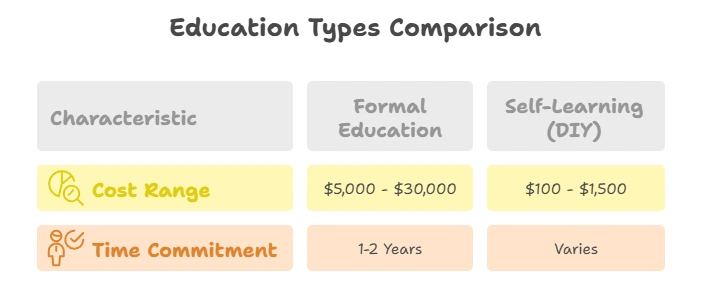
Many people also wonder about the financial aspect of woodworking education. Here’s a simple breakdown of costs associated with formal education versus self-learning:
| Type of Education | Cost Range | Time Commitment |
|---|---|---|
| Formal Education | $5,000 – $30,000 | 1-2 Years |
| Self-Learning (DIY) | $100 – $1,500 | Varies |
A significant point to consider is whether woodworking can be a viable career without a formal degree. The answer is yes! Many woodworkers make a successful living through custom jobs, selling creations, or working for woodworking shops. All it requires is a commitment to honing your craft and a willingness to learn continuously. Additionally, woodworking can serve as a fulfilling hobby.
If you enjoy the process of creating and don’t envision a career solely in this field, you can still dive into woodworking without the necessity of a degree. Crafting pieces for personal enjoyment or gifting them to friends and family can be incredibly rewarding. In the end, the choice between formal education and self-taught skills depends on personal goals and circumstances. Some individuals thrive in structured environments, while others find passion in hands-on learning.
Whatever path you choose, remember that dedication and practice will play a significant role in your success. If you’re still pondering your options, consider starting with some basic courses either online or through community workshops to find what suits you best. Online platforms like Udemy and forums where woodworkers share their experiences can also provide insights into the best path for you. Whether you seek a degree or carve your path through practical experience, woodworking is a fulfilling endeavor. The key is to stay engaged, keep learning, and find joy in the craftsmanship.
The benefits of hands-on experience in woodworking careers
Many people wonder about the best way to start a woodworking career. While taking courses and reading books can give you a solid foundation, hands-on experience takes your skills to the next level. This real-world practice is crucial in the woodworking field and offers several key benefits. One of the most significant advantages of hands-on experience is the boost it gives to your skill set. Working directly with tools and materials allows you to learn faster. Here are some vital aspects of how hands-on practice enhances skills:
Technique Mastery
Engaging with wood allows you to fine-tune your techniques. Whether you’re learning to cut joints or sand surfaces, you’ll grasp the nuances of each method better through practice.
Problem-Solving
Woodworking projects rarely go as planned. By tackling challenges in real time, you develop your critical thinking and problem-solving skills, which are essential in any trade.
Tool Familiarity
Understanding each tool’s function is crucial. When you use them frequently, you become proficient in their operation, safety, and maintenance.
Experiential learning also opens doors for creativity. When you engage in woodworking tasks, you explore different styles and techniques you may not have considered. The more you practice, the more innovative your designs can become. This creative freedom can lead you to develop a personal style that sets you apart in the field.
Networking possibilities expand significantly through hands-on experience in woodworking. You can connect with peers, mentors, and industry leaders in real-time situations such as workshops or community projects. Building these relationships can lead to job opportunities and collaborations that less experience might not afford you.
Furthermore, when you actively participate in woodworking communities, you also gain access to invaluable resources. Learning from experienced woodworkers, discovering new techniques, and sharing your projects allow for continuous improvement. Being a part of a network can lead you to valuable sources of information, tools, and materials that you would not discover on your own.
| Hands-On Experience Benefits | Description |
|---|---|
| Skill Development | Improves techniques and tool usage. |
| Creative Exploration | Encourages innovation and style development. |
| Networking | Builds connections with professionals and enthusiasts. |
| Access to Resources | Provides valuable information and material sources. |
Besides these advantages, hands-on experience in woodworking helps in building confidence. Completing projects successfully gives you a sense of accomplishment, motivating you to tackle even more challenging tasks. This confidence is critical when you decide to start a career in woodworking, as it can influence how you present yourself in job interviews or client meetings.
If you are considering entering the woodworking industry, you might also find practical experience to be more rewarding than traditional education. While courses provide you with essential theoretical knowledge, they might not deliver the same confidence and innovation that hands-on projects can. You could work on your own projects or seek out internships and workshops. Create a plan to gain hands-on experience effectively. Here are some steps you might consider:
Find Local Workshops
Search for workshops in your area that offer practical woodworking sessions.
Join Community Groups
Many woodworking clubs exist where you can engage with other enthusiasts.
Volunteer
Offer your skills on community projects to gain experience while helping others.
Mentorship
Seek mentors who can guide you through hands-on projects and share their expertise.
Embracing hands-on experience in woodworking careers provides you with a spectrum of benefits. It enables you to enhance your skills, foster creativity, build a solid network, and gain valuable insights into the trade. If you’re serious about pursuing woodworking, remember that practicing what you learn is essential. Experience is your greatest teacher, and it prepares you for a fulfilling career in this rewarding craft. For useful resources and additional information, consider visiting Woodworker’s Source for top-notch materials and tips, or check out Wood Magazine for project ideas and techniques.
Top woodworking courses and certifications for aspiring woodworkers
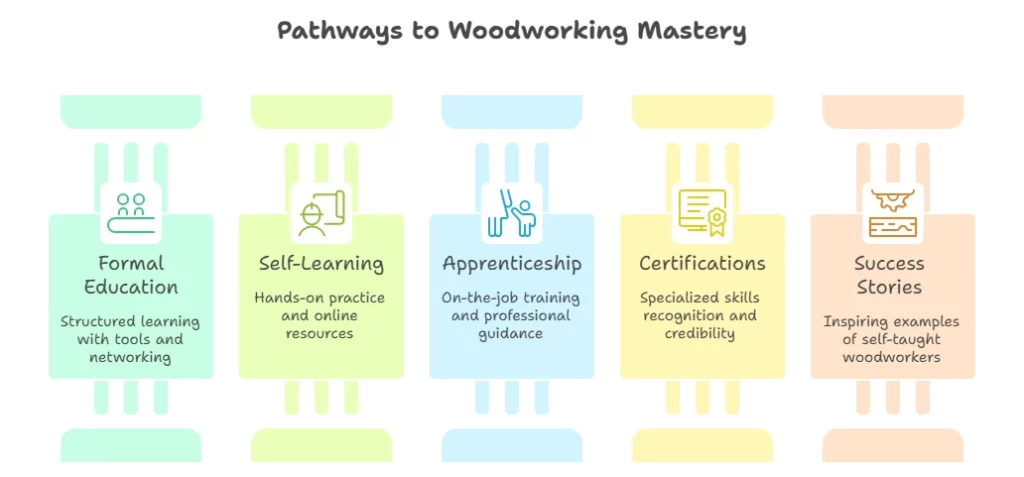
For those who are passionate about crafting beautiful wooden items, it’s crucial to find the right courses and certifications to enhance your skills. Whether you’re looking to build furniture, create intricate carvings, or simply explore woodworking as a hobby, proper training can make all the difference. Here are some of the top woodworking courses and certifications that aspiring woodworkers should consider. One of the best ways to enter the woodworking field is by exploring structured programs that teach foundational skills. These courses can range from beginner tutorials on basic techniques to advanced classes covering specialized woodworking skills.
Basic Woodworking Classes
These classes are perfect for those starting out or looking to refine their skills:
- Woodworkers Guild of America – Offers various online classes that target different skill levels.
- Craftsman Blog – Lists local woodworking classes, allowing you to find in-person options near you.
Intermediate and Advanced Courses
As you grow more comfortable with woodworking, you’ll want to tackle more complex projects. Consider these options:
- Woodworking Masterclasses – They offers a library of hand-tool woodworking tutorial videos—both free and subscription-based
- The Wood Whisperer – Provides a vast library of advanced classes covering cabinetry and fine woodworking.
Certifications
While a formal degree isn’t necessary for woodworking, certifications can enhance your resume and skill set. Here are some notable options:
- Lumberjack Tools Certification – Focuses on safe tool use and basic techniques.
- Woodworker Career Alliance – Offers various certifications in specific woodworking areas like cabinetry and fine furniture making.
Hands-On Workshops
Nothing beats the value of hands-on experience. Participating in workshops can give you practical skills and insights that are hard to find in books or online courses. Consider looking up:
- The Wood School – Provides workshops that focus on real-world projects.
- Highland Woodworking Tools – Offers a variety of practical sessions with expert woodworkers.
Online Learning Platforms
Many aspiring woodworkers prefer the convenience of online courses. Here are a couple of popular platforms:
- Udemy – Features a plethora of woodworking courses for different skill levels.
- Skillshare – Offers numerous woodworking tutorials that enhance various skills, from basic to advanced.
A Focus on Community Learning
Joining a woodworking community can often constitute your best support system. Look for local clubs or online forums. Organizations such as the American Woodworkers Guild offer networking opportunities, workshops, and resources for skill development. They can provide valuable insights and inspiration from fellow woodworkers and industry veterans.
| Course/Certification | Focus Area | Website |
|---|---|---|
| Woodworkers Guild of America | Basic and Intermediate Skills | Visit |
| Woodworker Career Alliance | Intermediate Techniques | Visit |
| Lumberjack Tools Certification | Tool Safety and Basics | Visit |
By investing time in the right courses and certifications, you can elevate your woodworking skills and turn your passion into something more. Remember to research and choose programs that align with your goals, whether they are for personal satisfaction or building a career. Happy woodworking!
The role of apprenticeships in learning woodworking skills
Learning woodworking skills is a journey filled with creativity, precision, and artistry. One of the best pathways to gain expertise in this craft is through apprenticeships. They serve a crucial role in teaching aspiring woodworkers the necessary skills required to succeed in the industry. When you join an apprenticeship program, you get the chance to work alongside experienced professionals. This hands-on experience is invaluable as it allows you to learn techniques, understand the craftsmanship involved, and develop a professional mindset. You interact with seasoned woodworkers who share their knowledge and provide insights that books and videos simply cannot offer. Some key advantages of apprenticeships in woodworking are:
Practical Experience
The most significant benefit is the opportunity for on-the-job training. You work directly with tools and materials, learning how to handle them safely and effectively.
Mentorship
You receive guidance from experts who can answer your questions and help you improve your skills quickly.
Networking Opportunities
An apprenticeship can connect you with industry professionals, which might help you land future job opportunities or collaborations.
Building a Portfolio
By working on real projects, you can create a portfolio that showcases your skills and creativity, making you more attractive to potential employers.
Many people wonder if a degree in woodworking is necessary to become successful in this field. The answer is that while formal education can be beneficial, it is not always essential. Many successful woodworkers have built their careers through apprenticeships and hands-on experiences.
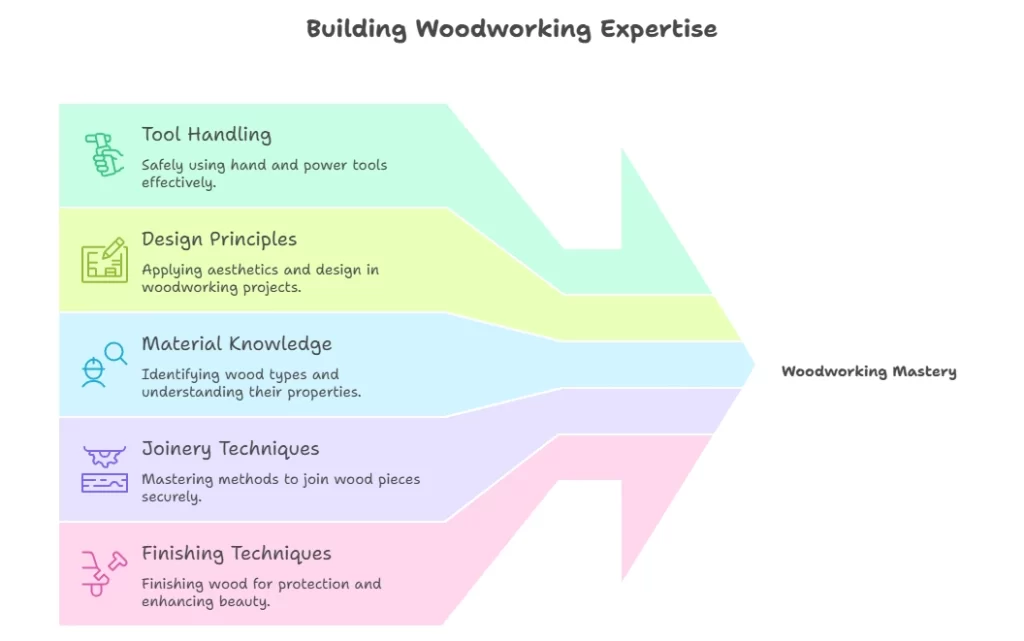
In fact, some apprenticeship programs can lead to certifications that are respected in the industry, proving your skills to potential employers. Most apprenticeship programs last from 2 to 4 years, depending on the complexity of the skills being taught. You typically need to commit to a certain number of hours, ensuring you gain a comprehensive understanding of woodworking techniques. During your apprenticeship, you will learn:
| Skill Area | Description |
|---|---|
| Tool Handling | Understanding how to safely use hand and power tools. |
| Design Principles | Learning about design and aesthetics in woodworking projects. |
| Material Knowledge | Identifying different types of wood and their properties. |
| Joinery Techniques | Mastering various methods to join wood pieces together. |
| Finishing Techniques | Learning how to properly finish wood for protection and beauty. |
Apprenticeships can be found through local trade schools, community colleges, or by directly approaching carpentry shops and woodworking businesses. Some well-known organizations, such as the Woodworkers Institute and the Woodworkers Guild of America, provide resources and information about apprenticeship opportunities. It is important to choose the right apprenticeship for your interests and career goals. Some programs may focus on fine woodworking, while others emphasize cabinetry or furniture design. Think about what aspects of woodworking excite you the most. When seeking out programs, consider the following:
Reputation
Look for programs with good reviews and a history of successful graduates.
Curriculum
Ensure the program covers the skills you want to learn.
Hands-on Training
Emphasize programs that offer extensive hands-on experience.
Support Resources
Consider programs that provide career placement support and networking opportunities.
As you embark on your woodworking journey, remember that an apprenticeship can be a fantastic way to learn, grow, and develop your skills. Whether you aim to become a professional woodworker or simply want to pursue a fulfilling hobby, the knowledge and experience gained through an apprenticeship will serve as a strong foundation for your woodworking career. While a degree in woodworking may not be necessary, choosing an apprenticeship can offer unmatched practical skills and professional networking opportunities that set you up for success in this fulfilling craft.
Success stories: Self-taught woodworkers who thrived without a degree
Many people dream of working with their hands and creating beautiful pieces from wood, but a common question arises: Do You Need A Degree for Woodworking? The good news is that numerous self-taught woodworkers have thrived without formal education. Their stories can inspire both novices and seasoned craftspeople alike. Here are some notable success stories that demonstrate how passion, dedication, and self-guided learning can lead to success in the woodworking industry.
 One of the most recognized self-taught woodworkers is Steve Ramsey. He started his woodworking journey purely as a hobby, sharing his projects on YouTube. With no college degree in woodworking or a related field, Steve focused on learning through trial and error. His engaging videos and instructional blogs ushered many into the woodworking community. Today, he runs a successful woodworking channel, showcasing various projects while educating others about techniques and tools.
 Another inspiring story is that of Tommy Mac. Tommy grew up in a woodworking family, but he didn’t stick to formal courses. He explored carpentry through mentorship, often seeking advice from seasoned craftsmen. His commitment to honing his skills led him to create “The New Yankee Workshop,” a television series that has taught countless viewers how to tackle woodworking projects, proving that you don’t need a degree to make a significant impact in this field.
 Similarly, Marc Spagnuolo, known as The Wood Whisperer, is another self-taught woodworker who turned his passion into a full-time career. Marc began his journey by exploring various woodworking techniques and sharing his insights online. His platform combines tutorials, product reviews, and community engagement, welcoming aspiring woodworkers to connect and learn. His story is a testament to the idea that dedication and hard work can triumph over formal education. Several factors contribute to the success of self-taught woodworkers, which makes their stories particularly valuable. Here are some essential elements frequently present in their journeys:
Passion
A love for woodworking often drives self-taught woodworkers to invest their time and energy into mastering their craft.
Mentorship
Many successful woodworkers sought guidance from experienced craftsmen, helping them refine their skills faster than they could alone.
Online Resources
With the internet at your fingertips, aspiring woodworkers can access free tutorials, videos, and communities that foster learning.
Experimentation
Self-taught woodworkers aren’t afraid to try new techniques. They learn best through hands-on experience, which accelerates the learning process.
Networking
Engaging with other woodworkers can provide support and knowledge sharing. Many self-taught woodworkers join local clubs or online forums to connect with others.
The woodworking community is vast and welcoming, with no shortage of resources for those eager to learn. Websites like Wood Magazine and Popular Woodworking offer tutorials, plans, and inspiration for woodworkers at every level. Additionally, platforms such as Instagram and Pinterest are rich with ideas and projects that can guide self-taught woodworkers as they expand their skill sets.
Ultimately, success in woodworking doesn’t hinge on formal education. Instead, it relies on your commitment to grow, learn, and connect with others who share your passion. Each self-taught woodworker’s journey illustrates that boundless creativity and practice can break down the barriers traditionally set by degrees and formal training. As you venture into woodworking, remember that there are countless resources available, and you can follow the paths of those who have achieved success without a degree. With determination, you’ll find your unique style and build a rewarding crafting experience.
Conclusion
The question of whether Do You Need A Degree for Woodworking? is ultimately about recognizing the value of skills and hands-on experience over formal education. While a degree can provide foundational knowledge and credibility, many successful woodworkers have demonstrated that determination, practice, and creativity often lead to thriving careers without traditional qualifications. Hands-on experience plays a crucial role in mastering the craft of woodworking. Engaging in projects, experimenting with tools, and learning from mistakes are invaluable proceedings that help develop practical skills. Additionally, pursuing top woodworking courses and certifications can offer structured learning opportunities, enhancing your expertise and boosting your resume even if you don’t hold a degree. Apprenticeships serve as another vital pathway for those looking to break into the field of woodworking. Learning directly from seasoned professionals offers unique insights and techniques that are hard to replicate through books or online tutorials. This mentorship experience is often a game changer, opening doors to job opportunities and expanding professional networks. The success stories of self-taught woodworkers remind us that passion is a powerful driving force. Many individuals have harnessed their love for woodworking, honing their craft through trial and error, and ultimately carving their niche in the industry. Their journeys illustrate that dedication, creativity, and a willingness to learn can lead to remarkable achievements. Whether you choose the path of formal education or decide to forge your own, woodworking is accessible to all. Focus on building your skills, seizing learning opportunities, and pursuing your passion, and you’ll find that success in woodworking awaits you, degree or not.