
Starting a woodworking business can be a fulfilling endeavor, blending creativity with craftsmanship. However, as with any business, understanding the financial requirements is crucial. How Much Money Do You Need to Start A Woodworking Business? often depends on various factors, including your skills, the scale of your operation, and the type of products you wish to create.
One of the first expenses you might encounter is the purchase of tools and equipment. The cost of woodworking tools can vary significantly based on quality and brand. Here’s a breakdown of common equipment and their estimated costs:
| Tool | Estimated Cost |
|---|---|
| Table Saw | $300 – $1,500 |
| Router | $100 – $400 |
| Drill Press | $150 – $500 |
| Sander | $50 – $300 |
Total costs for tools can range widely from $700 to $3,300 or more. If you are just starting, investing in the bare essentials might be wise. For example, a table saw and a good quality drill can cover many basic projects.
In addition to tools, you’ll need a workspace. If you don’t already have a garage or shed, consider the costs of renting a workshop or a studio. The rental prices can vary based on location, but this could add another $500 to $1,500 monthly to your budget.
Marketing your woodworking business is another area where you’ll need to allocate funds. Building a website and promoting your products on social media can effectively attract customers. Here are some expected costs:
- Website Development: $200 – $2,000 (including domain name and hosting)
- Social Media Advertising: $50 – $300 per month
- Business Cards and Print Material: $50 – $200
When calculating your initial investment, consider legal requirements, such as registering your business and getting the necessary licenses. These expenses can range from $50 to $500, depending on your locality.
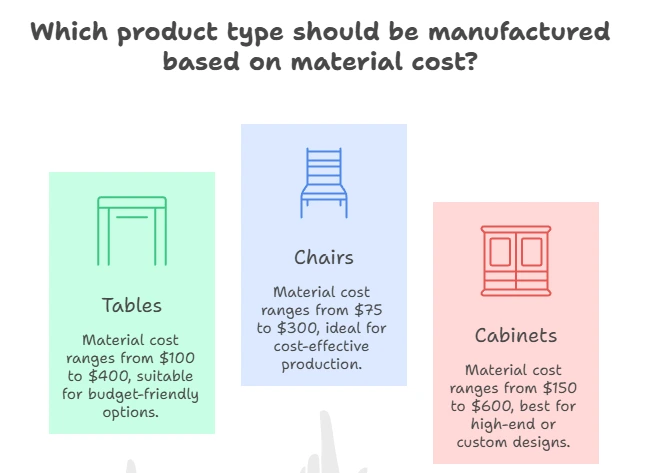
Now, let’s look at inventory costs. If you plan to produce items to sell directly, you’ll need materials like wood, stains, and finishes. The cost of materials can fluctuate based on the types of products you want to create:
| Product Type | Estimated Material Cost |
|---|---|
| Table | $100 – $400 |
| Chairs | $75 – $300 |
| Cabinets | $150 – $600 |
An initial investment of about $2,000 to $5,000 may be required to start a modest woodworking business, accounting for tools, workspace, marketing, and materials. However, your personal situation, including existing equipment and your planned business scale, will ultimately dictate your costs.
In the journey of establishing your woodworking business, it’s crucial to seek education, whether through courses, online resources like Woodworkers Source, or through books and woodworking communities. Investing time in understanding techniques and business practices can save you money in the long run.
Additionally, networking with fellow woodworking enthusiasts and attending local craft fairs can provide valuable insights and potential leads for sales. Websites like Woodworking Network are also great for industry news and trends.
While starting a woodworking business requires a financial commitment, understanding your expenses can help you plan better. Whether you start small or go for a larger setup, remember that thoughtful planning and consultation can lead to a successful venture.
Essential Tools and Equipment for Woodworking Startups
If you’re passionate about woodworking and want to turn that passion into a business, understanding what tools and equipment you need is crucial. The right tools can significantly enhance your productivity and the quality of your work. Below is a detailed list of essential tools and equipment that every woodworking startup should consider.
Basic Hand Tools
Starting with hand tools is often the best approach for beginners. They are generally more affordable, require less maintenance, and are perfect for learning the craft. Here are the basic hand tools you should include:
- Chisels: A set of chisels is essential for shaping and detailing wood. Look for both bevel-edged and firmer chisels.
- Hand Saw: A good-quality hand saw can handle various cutting tasks. Consider a crosscut saw for cutting against the grain.
- Claw Hammer: This multi-purpose tool is great for driving and removing nails.
- Square: A combination square ensures your cuts are straight and accurate.
- Screwdrivers: A mixed set of flathead and Phillips screwdrivers will help with assembly and other tasks.
Power Tools for Efficiency
As your skills and demands grow, investing in power tools becomes essential. These tools can save time and ensure precision. Keep an eye on these key items:
- Table Saw: An invaluable tool for making straight cuts. Choose one with a robust fence system for accuracy.
- Router: This tool can create decorative edges and hollow out areas in various materials.
- Drill and Drill Bits: A reliable drill is necessary for making holes. Consider a cordless model for flexibility.
- Bandsaw: Ideal for cutting curves and thick pieces of wood.
- Sander: An orbital or belt sander enhances your finishing process and helps avoid splinters.
Safety Gear
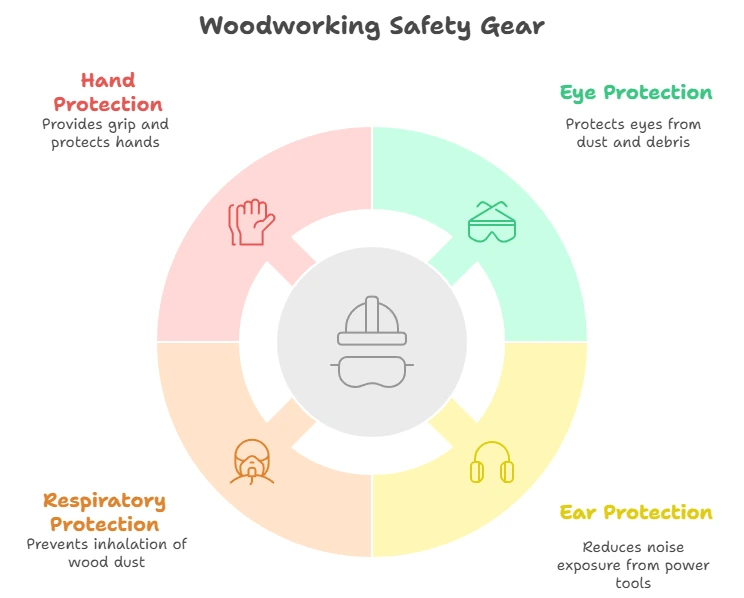
Your safety should always come first while woodworking. Ensure you have the following safety gear on hand:
- Safety Glasses: Protect your eyes from wood dust and flying debris.
- Ear Protection: Power tools can be noisy, so invest in quality earplugs or earmuffs.
- Dust Mask: Keep wood dust out of your lungs by wearing a dust mask, especially when sanding.
- Gloves: Use gloves for grip and to protect your hands when handling rough wood.
Workbenches and Storage
A sturdy workbench and appropriate storage solutions can greatly enhance your woodworking experience. Consider these essential solutions:
- Workbench: A heavy and flat workbench provides a stable surface for all your projects.
- Tool Storage: Organize your tools efficiently with toolboxes or pegboards.
- Material Storage: Plan designated areas for wood and supplies, such as racks or bins.
Optional but Useful Accessories
While not required, these tools can provide added convenience and efficiency:
- Measuring Tape: Precision is key in woodworking, so a quality measuring tape is a must.
- Wood Clamps: These are essential for holding pieces together during gluing or assembly.
- Dust Collection System: This can help keep your workspace clean and safe from excessive dust.
Invest in Quality
When starting your woodworking business, it may be tempting to buy the cheapest tools available. However, investing in quality equipment will pay off over time. Look for reputable brands and read reviews before making purchases.
For more resources on woodworking tools, check out Wood Magazine for tips and guidance, and visit Popular Woodworking for product reviews and woodworking strategies.
By acquiring the right tools and safety equipment, you can set yourself up for success in your woodworking business. The initial investment may seem high, but having quality tools will enhance your craftsmanship and make the work more enjoyable. Start small, and as you grow in your craft, expand your collection of tools to meet the demands of your projects.
Budgeting Strategies for New Woodworking Entrepreneurs
Starting a woodworking business can be exciting, but it also requires careful financial planning. Knowing How Much Money Do You Need to Start A Woodworking Business? and developing effective budgeting strategies is crucial to setting your venture up for success. Let’s explore some effective budgeting strategies that new woodworking entrepreneurs should follow.
Understand Your Initial Costs
The first step in budgeting for your woodworking business is to understand your initial startup costs. These can vary widely depending on the scale of your operation. Consider the following categories of expenses:
- Equipment: This includes all necessary woodworking tools like saws, drills, and sanders. Prices can range from a few hundred to several thousand dollars, depending on brand quality and functionality.
- Raw Materials: Your need for wood, hardware, and finishing supplies can run up costs. Calculate the types of materials you intend to use and their costs.
- Workspace: If you’re renting space, factor in the cost of rent, utilities, and insurance. If working from home, consider the cost of converting an area into a functional workshop.
- Legal and Permitting Fees: Registering your business and obtaining necessary permits can incur costs. Don’t overlook these fees as they are essential for operating legally.
- Marketing and Branding: Allocate funds for creating a website, branding materials, and advertising.
Track Your Expenses
Establishing a system to track your expenses will help you stay within budget. Use software or applications tailored for budgeting. By monitoring where your money goes, you can easily identify areas where you can cut back. Here are some popular accounting tools:
- Xero – user-friendly for small business accounting.
- QuickBooks – comprehensive accounting software that can grow with your business.
- Wave – free accounting tools for small businesses.
Create a Detailed Budget Plan
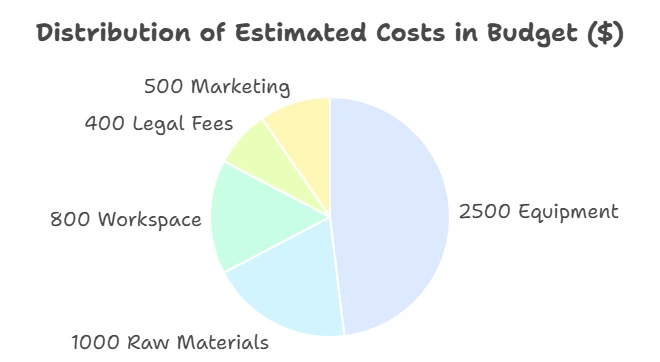
A detailed budget plan will provide a roadmap for managing your finances. Start by breaking down your expenses into categories similar to the initial costs described earlier. Here’s a template for a simple budget:
| Category | Estimated Costs | Actual Costs | Variance |
|---|---|---|---|
| Equipment | $2,500 | $2,300 | $200 |
| Raw Materials | $1,000 | $1,200 | -$200 |
| Workspace | $800 | $800 | $0 |
| Legal Fees | $400 | $400 | $0 |
| Marketing | $500 | $450 | $50 |
Set Financial Goals
Setting financial goals is key to navigating your woodworking business efficiently. Goals can be short-term, such as reaching a specific sales target each month, or long-term, like achieving a certain level of profitability by year-end. These goals will inspire you to stick to your budget.
Consider Funding Options
If your initial costs exceed your budget, consider funding options. Here are a few avenues to explore:
- Small Business Loans: Organizations like the Small Business Administration offer loans with favorable terms for entrepreneurs.
- Crowdfunding: Websites such as Kickstarter allow you to raise funds while showcasing your project.
- Grants: Look for industry-specific grants that support new businesses.
Be Prepared for Unforeseen Expenses
It’s essential to have a contingency fund set aside for unexpected expenses. The woodworking business can face surprises like equipment repairs or additional material costs. Setting aside about 10-15% of your budget for these situations can keep your finances stable.
By following these budgeting strategies, you can approach your woodworking business with confidence. Ensuring you’re financially prepared will lay a solid foundation for your entrepreneurial journey. Remember, the key to success in any business is understanding your finances and adapting your budget as needed.
Cost-effective Marketing Techniques for Woodworking Businesses
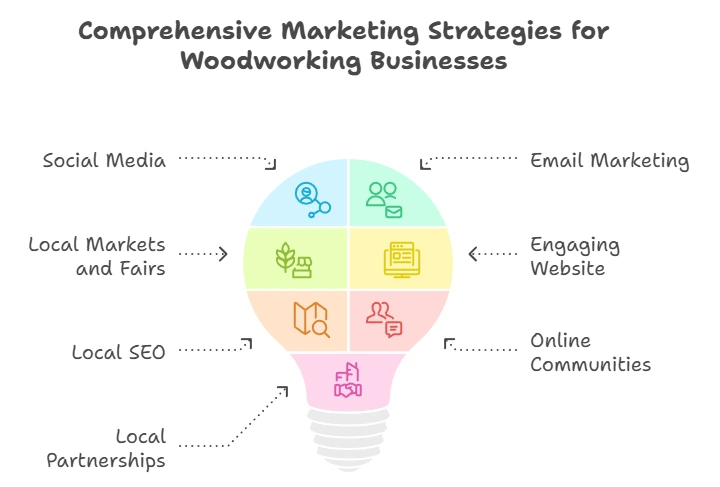
For woodworking businesses, marketing is vital to attract customers and showcase your craftsmanship. However, effective marketing does not have to be expensive. Here are some cost-effective marketing techniques that can help your woodworking business thrive without breaking the bank.
Utilize Social Media
Social media platforms like Instagram, Facebook, and Pinterest are great for showcasing your woodworking projects. Here’s how you can maximize their potential:
- Engage with Your Audience: Post regular updates about your projects, share behind-the-scenes footage, and respond to comments to build a community.
- Join Groups: Join woodworking or local business groups to connect with potential customers and share your expertise.
- Use Hashtags: Optimize your posts using relevant hashtags like #woodworking, #handmade, and #customfurniture to reach a broader audience.
Leverage Email Marketing
Email marketing is a powerful tool that can yield a high return on investment. Here are ways to make it effective:
- Build Your List: Encourage website visitors and social media followers to sign up for your newsletter by offering exclusive content or discounts.
- Personalize Your Messages: Send tailored emails that reflect your audience’s interests, such as new project launches or seasonal promotions.
- Use Eye-Catching Designs: Create visually appealing emails with images of your woodworking projects to entice readers to click and learn more.
Participate in Local Markets and Fairs
Setting up a booth at local markets or fairs can provide invaluable exposure and allow potential customers to interact with your products firsthand. When participating:
- Offer Live Demonstrations: Show attendees how you create your woodworking pieces, which can create interest and engagement.
- Network with Other Vendors: Establish relationships with fellow artisans and vendors, which can lead to collaboration opportunities.
- Collect Contacts: Make sure to have a sign-up sheet for interested customers to receive updates and promotions.
Build an Engaging Website
Having a professional website is crucial for your woodworking business. Here’s how to make it budget-friendly:
- Use Website Builders: Platforms like Wix or Squarespace offer user-friendly templates to create a website without needing to code.
- Optimize for SEO: Use relevant keywords in your content to enhance search visibility. Focus on phrases like “custom woodworking” or “handcrafted furniture” to attract organic traffic.
- Add a Blog: Share your knowledge about woodworking through a blog. This can attract visitors and establish you as an authority in the field.
Utilize Local SEO
Local SEO is crucial for woodworking businesses as many customers look for services nearby. Here are tips to improve local visibility:
- Google My Business: Sign up for a free Google My Business account to help your company appear in local searches.
- Collect Reviews: Encourage satisfied customers to leave positive reviews which can boost your rank and attract new customers.
- Use Local Listings: List your business on platforms like Yelp and local directories to enhance visibility.
Engage with Online Communities
Engaging in online forums or woodworking communities can introduce your business to new potential customers. Consider:
- Offering Expertise: Provide advice and share tips in forums like the Woodworking Talk Forum to establish credibility.
- Collaborating with Influencers: Partner with woodworking influencers for a wider reach that resonates with their audience.
Consider Local Partnerships
Collaborate with local businesses to reach new audiences. For example:
- Cross-Promotions: Work with local home improvement stores or gardening centers to promote each other’s products.
- Workshops and Classes: Host woodworking workshops at local community centers, which can provide additional income and advertise your services.
Implementing these marketing strategies can significantly enhance your woodworking business’s visibility and drive sales without a hefty budget. The key is consistency and engaging authentically with your audience. By using these cost-effective techniques, you can cultivate a loyal customer base and grow your brand effectively.
Common Financial Mistakes to Avoid in Woodworking Ventures
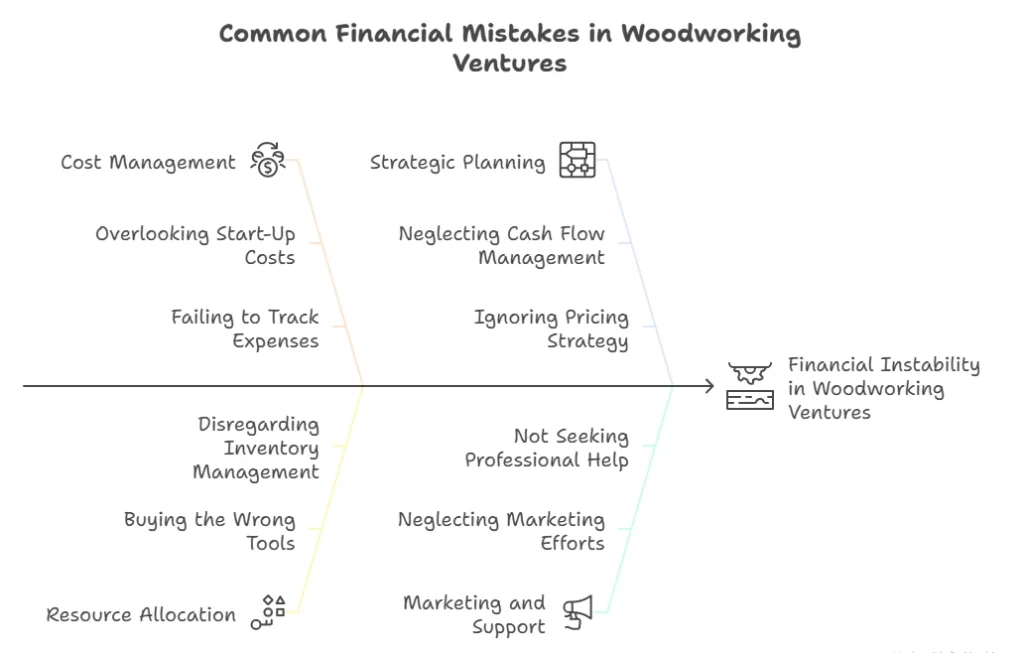
Starting a woodworking venture is an exciting endeavor, but it’s essential to handle your finances wisely. Many new entrepreneurs make financial missteps that can jeopardize their business. This guide highlights common financial pitfalls to avoid, ensuring your woodworking business thrives.
Overlooking Start-Up Costs
One of the first mistakes many woodworkers make is underestimating their start-up costs. It’s easy to think about the tools and materials you’ll need, but remember to factor in:
- Location costs (rent, utilities)
- Licensure and permits
- Insurance expenses
- Marketing and branding
- Initial inventory and supplies
Creating a detailed budget before launching can prevent financial strain down the road. Use resources like SCORE for cost estimation tools and guidelines.
Neglecting Cash Flow Management
Cash flow is the lifeblood of any business. Many woodworkers focus heavily on revenue but overlook cash flow management. Monitor your income and expenses closely to ensure you have enough funds to cover operational costs. Tools such as QuickBooks can help you manage cash flow effectively.
Buying the Wrong Tools
Investing in high-quality tools is crucial, but purchasing unnecessary equipment can drain your resources. As a beginner, consider starting with essential tools first:
- Table saw
- Router
- Drill press
- Hand tools
Once your business grows, you can invest in more advanced machinery. Always aim for a balance between quality and expense.
Ignoring Pricing Strategy
A common mistake in woodworking businesses is not having a clear pricing strategy. Many new woodworkers underprice their products, fearing they won’t sell. This can be detrimental. To avoid this:
- Calculate the cost of materials and labor.
- Research competitors’ prices.
- Consider your unique selling points when determining prices.
Setting the right price ensures you cover costs and generate profit. Resources like Wood Magazine can provide insights into pricing benchmarks.
Failing to Track Expenses
Keeping track of expenses is vital for understanding your business’s financial health. Failing to do so can lead to overspending. Make it a habit to log all expenses daily. You can use sheets or apps designed for tracking expenses. Keeping your finances organized helps when it comes time for tax season.
Neglecting Marketing Efforts
In the woodworking world, great craftsmanship isn’t enough if no one knows about it. Ignoring marketing can lead to poor sales. Explore different marketing strategies to promote your woodworking business effectively:
- Build a website to showcase your work.
- Use social media platforms to engage with potential customers.
- Attend local craft fairs to gain visibility.
Investing in marketing will yield significant returns when done correctly. Resources like Woodworkers Source can give you tips on how to market woodworking products.
Not Seeking Professional Help
Many entrepreneurs try to handle everything themselves to save money. However, consulting with financial professionals can save you from costly mistakes. Whether it’s an accountant or a business mentor, their expertise can provide valuable insights into managing your woodworking finances effectively.
Disregarding Inventory Management
Poor inventory management can lead to excess costs. Without proper tracking, you may end up with too much stock or miss out on popular items. Consider using software tools to help manage your inventory effectively, ensuring you meet customer demands without over-extending your resources.
A successful woodworking business requires careful financial planning. By avoiding these common financial mistakes, you can set a strong foundation for your venture. Understanding your costs, managing cash flow, and making informed decisions will pave the way for a thriving business.
Conclusion
Starting a woodworking business requires thoughtful planning and financial awareness. The initial investment can vary widely based on the scale of your operation and the tools you choose to buy. Essential tools and equipment may initially seem costly, but they are vital for producing quality craftsmanship that attracts customers.
Budgeting strategies play a crucial role in maintaining control over your finances. Allocating your funds wisely not only helps in purchasing necessary equipment but also in covering operational costs. Adopting cost-effective marketing techniques can further elevate your business visibility without straining your budget. Simple online marketing strategies, social media presence, and word-of-mouth can effectively promote your work when you’re just starting.
While setting up your business, it’s crucial to steer clear of common financial pitfalls. Overspending on non-essential items or neglecting to track expenses can quickly lead to financial strain. Staying informed about your finances, networking within your community, and continually refining your craft can significantly enhance your chances of long-term success.
Ultimately, the key to launching your woodworking business is to find a balanced approach. By understanding your financial needs, making prudent purchases, and avoiding costly mistakes, you can create a stable foundation for your passion to flourish. With dedication, creativity, and practical strategies, your woodworking venture can provide not just a source of income but also personal fulfillment, turning your passion into a thriving business.