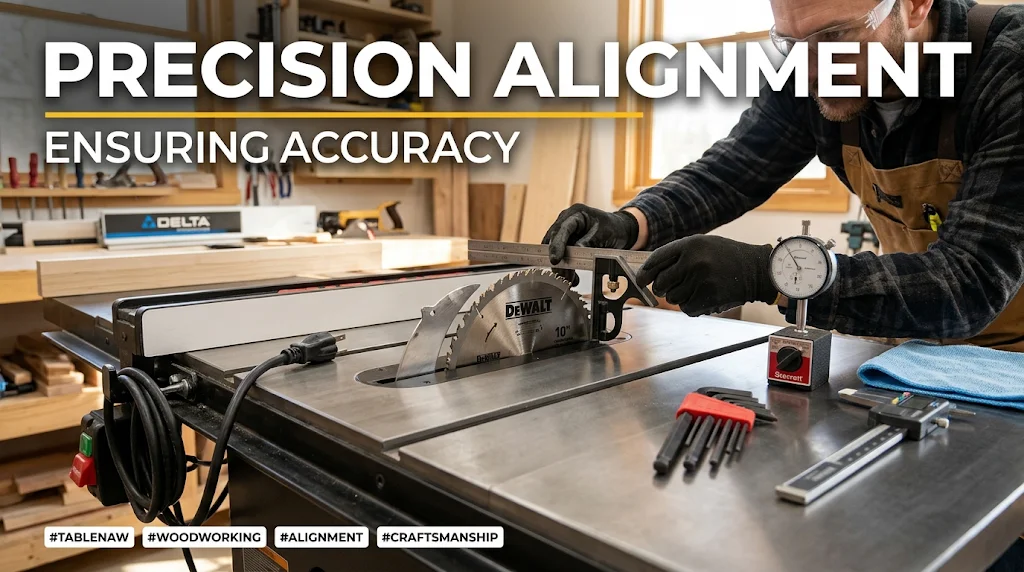
Tuning up a cast iron table saw is essential for anyone looking to improve their woodworking results. A well-tuned saw ensures precise cuts, extends the life of the tool, and enhances safety measures. Here’s a guide to help you make the most out of your Tune Up a Cast Iron Table Saw.
Check and Adjust the Blade Alignment
The first step in tuning up your table saw is to check the alignment of the blade. Misaligned blades can lead to issues like uneven cuts and safety hazards.
- Tools Needed: A combination square or a triangle square
- Procedure:
- Raise the blade to its highest position.
- Place the combination square against the blade and check if it’s parallel to the miter slot.
- If it’s not aligned, adjust the blade using the manufacturer’s guide.
Inspect and Clean the Table Surface
Cleaning the table surface is vital for the saw’s performance. Dust and debris can affect the sliding of materials and create friction.
- Cleaning Steps:
- Use a damp cloth to wipe the table surface.
- Remove any rust spots with a fine abrasive pad.
- Apply a coat of paste wax to protect the surface.
Adjust the Throat Plate
The throat plate should fit snugly against the blade. If it’s too high or too low, it could cause binding or kickbacks. Here’s how to adjust it:
- Procedure:
- Loosen the screws holding the throat plate.
- Adjust the plate to be flush with the table surface.
- Tighten the screws back in place.
Check the Fence Alignment
The fence must be perfectly parallel to the blade to ensure accurate rip cuts. To check the fence alignment:
- Tools Needed: A ruler or measuring tape
- Steps:
- Run a piece of scrap wood against the fence and make a cut.
- Measure the width of the cut on both ends.
- If they’re not equal, adjust the fence accordingly.
Inspect the Table Saw Blade
A sharp blade is crucial for clean cuts. Dull blades can cause excessive strain on the saw motor. Here’s how to check and maintain your blade:
- Steps:
- Check for visible damage or dullness.
- Replace the blade if it shows signs of wear.
- Clean the blade with a specialized cleaner to remove pitch and resin.
Final Maintenance Checks
Routine maintenance helps prolong the life of your cast iron table saw. Don’t forget these key items:
- Check the Motor: Ensure it’s free of debris and lubricate if necessary.
- Inspect the Power Cord: Look for wear or damage to avoid hazards.
- Verify Safety Features: Ensure that all safety features are functioning properly.
For further reading on maintenance techniques, visit Wood Magazine or Woodworking Network.
Following these steps regularly can help you maintain a smooth-running a Cast Iron Table Saw. Not only will this ensure higher quality cuts, but it also allows you to work more efficiently and safely.
Essential Tools and Supplies for Maintaining Your Table Saw
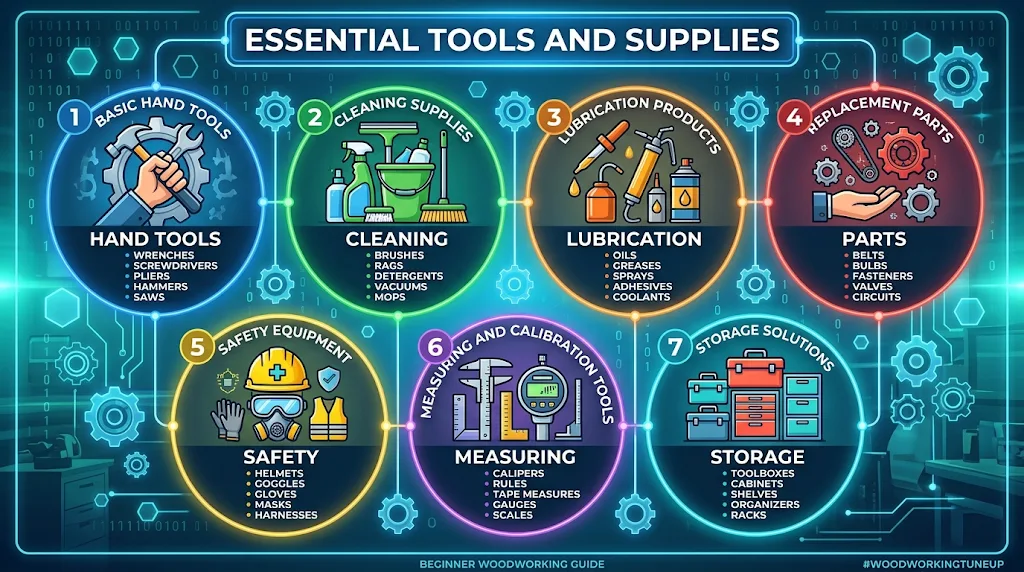
To keep your table saw running smoothly and safely, having the right tools and supplies is crucial. Regular maintenance can extend the life of your saw and enhance its performance. Below, you will find a detailed list of essential tools and supplies needed to maintain your table saw effectively.
Basic Hand Tools
Your first line of defense in maintaining a table saw includes basic hand tools. Here are the essentials:
- Wrenches: A set of wrenches, particularly adjustable ones, will help you with various adjustments and tightening tasks.
- Phillips and Flathead Screwdrivers: These are important for making small adjustments and replacements on your saw.
- A Straight Edge or Level: This ensures your table saw is perfectly aligned, which is vital for accuracy in cuts.
- Hex Keys: Often required for blade changes and other adjustments.
Cleaning Supplies
Keeping your table saw clean is as important as any technical adjustment. Here’s what you need:
- Compressed Air: Helps in blowing away sawdust and debris that accumulate in hard-to-reach areas of your table saw.
- Shop Vacuum: Perfect for removing dust from the surface and underneath the saw.
- Soft Cloths and Brushes: Use these for wiping and cleaning various parts of your saw, including the table, fence, and miter gauge.
Lubrication Products
Proper lubrication keeps the moving parts of your table saw functioning smoothly. The following lubricants are recommended:
- Silicone Spray: Ideal for lubricating the table top and slide surfaces without attracting dust.
- White Lithium Grease: Great for gears and other intricate parts that require a heavier lubricant.
- 3-in-One Oil: Versatile for various applications, including bearing lubrication.
Replacement Parts
Having replacement parts on hand can save you time and trouble. Here are key parts to consider:
- Blades: A set of high-quality blades for different types of cuts (crosscuts, ripping, etc.) can save you a lot of hassle.
- Drive Belts: Check for wear and have a spare on hand to avoid downtime.
- Blade Guards: Always ensure your safety equipment is functioning correctly.
Safety Equipment
Maintaining safety should always come first. Essential safety equipment includes:
- Safety Glasses: Protect your eyes from flying debris.
- Hearing Protection: Protect your ears from the loud noises of cutting.
- Dust Mask: Always wear a mask when working with the saw to avoid inhaling sawdust.
Measuring and Calibration Tools
To ensure accurate cuts, measuring tools are crucial:
- Calipers: Useful for precise measuring of blade height and depth.
- Tape Measure: Helps in measuring wood lengths before cutting.
- Square: Important for checking the alignment of cuts and ensuring perfect angles.
Storage Solutions
Organizing your tools can make maintenance easier:
- Toolboxes: Keep all your hand tools organized and accessible.
- Shelves: Store larger supplies and replacement parts on sturdy shelves.
Investing in these essential tools and supplies for your table saw not only keeps it in peak condition but also enhances your overall woodworking experience. If you’re looking for specific products, visit Woodworkers Guild of America or Rockler Woodworking and Hardware for high-quality options.
By regularly maintaining your table saw with the right tools and supplies, you can significantly improve its efficiency and lifespan. Taking the time to care for your equipment ensures that it performs optimally, making your woodworking projects more enjoyable and precise.
Common Problems in Table Saws and How to Fix Them
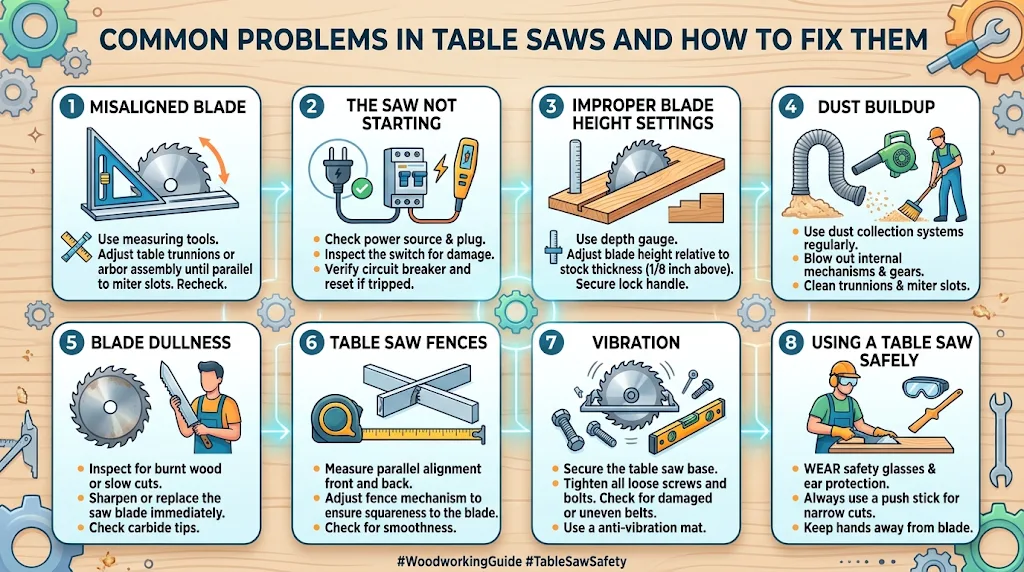
Table saws are essential tools in woodworking, but like any machine, they can develop problems over time. Understanding common issues can help you maintain your saw effectively, ensuring it runs smoothly and produces precise cuts.
Misaligned blade
One common issue is a misaligned blade. If your blade is not parallel to the miter slots, it can cause uneven cuts. To fix this problem, follow these steps:
- Use a ruler to measure the distance from the blade to the miter slot on both front and back.
- If the measurements differ, adjust the alignment using the adjusting screws usually found at the back of the blade assembly.
- Re-check the measurements to ensure they are equal.
The saw not starting
Another frequent problem is the saw not starting. This issue can stem from a few causes:
- Check if the power cord is plugged in securely.
- Inspect the switch for any signs of damage.
- If necessary, replace the switch or reset the circuit breaker.
Improper blade height settings
Improper blade height settings can also affect your cutting efficiency. If your blade is too high or too low, it can lead to poor performance. Here’s how to adjust:
- Raise the blade to about 1/8 inch above the thickness of the material you’re cutting.
- Lock the adjustment lever in place before starting your cut.
Dust buildup
Dust buildup can hinder the performance of your table saw, leading to overheating and potential malfunctions. Regular cleaning is key. Clean the saw using a brush and compressed air to remove sawdust from the motor, blade guards, and around the table.
Blade dullness
Blade dullness is another common problem that can cause uneven cuts and increase the risk of kickback. To resolve this, check your blade for wear. If it’s dull, consider:
- Sharpening it yourself using a sharpening tool.
- Taking it to a professional sharpening service.
- Replacing the blade entirely if it’s beyond repair.
Table saw fences
Table saw fences can also lose accuracy over time. A misaligned fence can lead to bad cuts and wasted material. To fix this:
- First, ensure the fence is parallel to the blade by measuring its distance from the blade at both ends.
- If it’s off, adjust the fence according to your table saw model requirements.
Vibration
Vibration during use is another issue that many woodworkers face. Excessive vibration can lead to inaccuracies in cutting. Address this by:
- Checking that all screws and bolts are tight.
- Ensuring the saw is placed on a stable, level surface.
Using a table saw safely
Using a table saw safely is equally as important. Always use necessary safety equipment, such as goggles and ear protection. Make sure to also review safety tips to minimize the risk of accidents:
- Don’t wear loose clothing that could get caught in the saw.
- Always use push sticks for narrow cuts.
- Read the owner’s manual to ensure you understand your machine.
Regular maintenance can help prevent many of these common problems. Create a maintenance schedule to inspect and maintain your table saw routinely. Doing so will enhance its longevity and performance.
Being proactive about your table saw’s health can make all the difference in your woodworking projects. Whether you’re a beginner or an experienced carpenter, understanding how to address and fix common issues will keep your table saw in peak condition and help you make clean, accurate cuts.
The Importance of Regular Maintenance for Longevity of Equipment
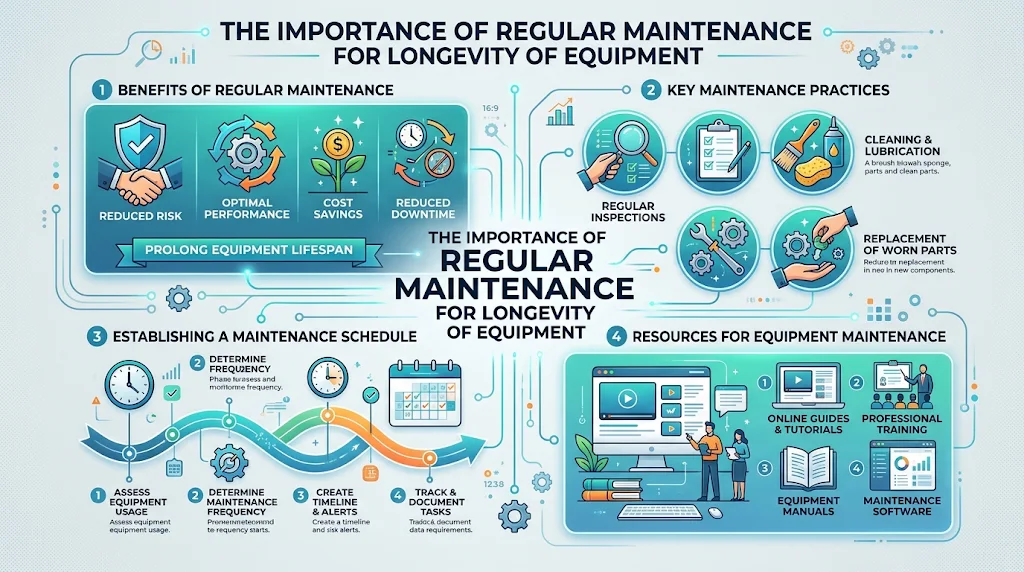
Regular maintenance of equipment is crucial for ensuring its longevity and optimal performance. Whether you rely on heavy machinery for work or simple tools for hobbies, maintaining them properly can save you time and money in the long run. By maintaining your equipment, you not only prolong its life but also improve its efficiency and reliability. Below are key aspects to consider when it comes to the importance of regular equipment maintenance.
Benefits of Regular Maintenance
There are several advantages to keeping your equipment well-maintained. These benefits extend beyond just the lifespan of the equipment.
- Reduced Downtime: Frequent maintenance minimizes the chances of unexpected breakdowns, helping you avoid costly downtime.
- Improved Safety: Well-maintained equipment reduces the risk of accidents and injuries, providing a safer working environment.
- Enhanced Performance: Regular tune-ups help maintain peak performance, allowing you to work more efficiently.
- Cost Savings: Preventative maintenance is often less expensive than major repairs or replacements.
| Expense Type | Average Cost | Frequency |
|---|---|---|
| Routine Maintenance | $50-$100 | Monthly |
| Major Repairs | $500-$1,500 | As Needed |
| Replacement Parts | $100-$300 | Annually |
- Environmental Impact: Proper maintenance often leads to reduced waste and energy consumption, making it more eco-friendly.
Key Maintenance Practices
Implementing a routine maintenance schedule can be beneficial. Here are some practices to incorporate:
- Regular Inspections: Conduct routine checks to identify any signs of wear and tear early on. This can include examining belts, blades, and electrical components.
- Cleaning: Cleaning equipment ensures it operates efficiently. Dust and debris can cause overheating and malfunction.
- Lubrication: Apply lubricant as necessary. Moving parts should be properly oiled to reduce friction and wear.
- Calibration: Regularly calibrate your equipment to ensure it remains accurate and reliable.
Establishing a Maintenance Schedule
Creating a maintenance schedule tailored to your equipment type and usage can help ensure that nothing is overlooked. Consider the following:
- Determine the equipment’s usage frequency.
- Identify manufacturer recommendations for maintenance timelines.
- Allocate specific time slots for each maintenance activity.
- Keep a log of completed maintenance tasks for future reference.
Resources for Equipment Maintenance
To assist you in your maintenance efforts, consider tapping into resources that specialize in equipment care. Websites like Toolbarn and FactoryMation offer valuable tips and guidelines.
Additionally, investing in manuals and maintenance books specific to your equipment can provide you with essential insights for proper care. These resources can help you understand what parts require regular attention and how to fix common issues.
Regular maintenance is integral to extending the lifespan and maintaining the effectiveness of your equipment. By taking the time to care for your tools and machinery, you not only enhance safety and performance but also protect your investment. Embrace a proactive approach to equipment maintenance, and you’ll reap the rewards of a more efficient and durable operation.
Tips for Achieving Precision Cuts with Your Table Saw
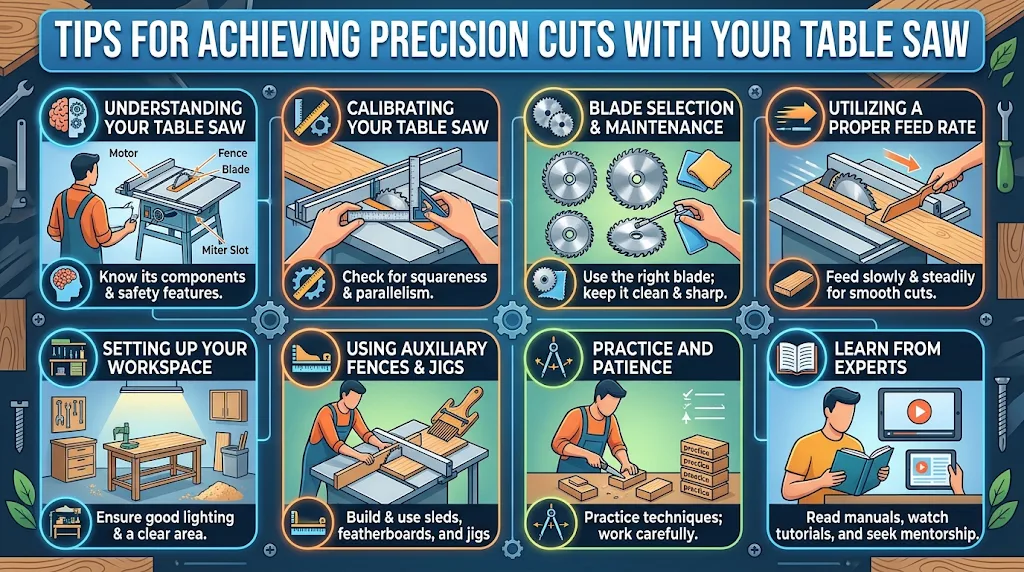
Understanding Your Table Saw
To achieve precision cuts with your table saw, it’s essential to understand its components. This includes the blade, fence, and table. Each part plays a crucial role in ensuring a straight and clean cut. The blade’s sharpness, the stability of the fence, and the flatness of the table all contribute to precision. Make sure to regularly check and maintain these elements to get the best performance from your saw.
Calibrating Your Table Saw
Regular calibration is vital for achieving accurate cuts. Follow these tips to keep your saw aligned and efficient:
- Check the blade alignment: Ensure that the blade is parallel to the miter slots. Use a combination square for precision.
- Adjust the fence alignment: The fence should be perfectly square to the blade. Use a reliable measuring tool to confirm this.
- Tune the miter gauge: Make sure your miter gauge is accurate. A misaligned miter can lead to uneven cuts.
Blade Selection and Maintenance
Selecting the right blade is crucial for making precise cuts. Blades are designed for different types of cutting tasks, such as ripping or crosscutting. Here are some tips for choosing and maintaining your table saw blade:
- Use a high-quality blade: Invest in a premium saw blade designed for the type of cuts you need. This will result in cleaner edges and smoother finishes.
- Keep the blade sharp: A dull blade can cause splintering and require more force, compromising accuracy. Replace or sharpen blades regularly.
- Clean the blade: Dust and resin can build up on the blade. Regular cleaning ensures better performance and extends blade life.
Utilizing a Proper Feed Rate
The way you feed your material through the saw significantly affects the quality of the cut. Maintain a steady and controlled feed rate. Here are some recommendations:
- Control your speed: Feed the material slowly and steadily. Rushing through can lead to errors.
- Support long pieces: Use roller stands or clamps to hold long stock firmly, maintaining stability during cuts.
- Push sticks and featherboards: Utilize these tools to keep your hands safe and help guide the material smoothly.
Setting Up Your Workspace
A clean and organized workspace can enhance your precision cuts. Here are key aspects to consider:
- Clear workspace: Ensure your work area is free of clutter. This reduces distractions and accidents.
- Good lighting: Proper lighting is essential. It helps you see your work clearly, promoting better accuracy.
- Stable surface: Make sure your table saw is on a stable surface. An uneven base can cause movement during cutting.
Using Auxiliary Fences and Jigs
Consider using auxiliary fences or jigs to enhance the accuracy of your cuts. They can assist with repetitive cuts and complex angles. For example, a sled can help you achieve crosscuts with precision. Building jigs tailored to specific tasks can improve your efficiency and accuracy significantly.
Practice and Patience
Remember that practice makes perfect. Take your time when making cuts, especially when you’re learning new techniques. Each project helps you understand your table saw and improve your skills. Engage in simple projects that allow you to build confidence before tackling more complex tasks.
Learn from Experts
To further enhance your knowledge, consider exploring online resources and articles dedicated to woodworking and table saw techniques. Websites like Wood Magazine and Popular Woodworking offer excellent tips and insights on how to maximize your table saw’s potential.
By following these methods, you can effectively achieve precision cuts with your table saw. Remember that consistent practice and a commitment to proper technique will lead to improved results over time. Focus on safety and precision, and your woodworking projects will benefit greatly from your newfound skills.
Conclusion
Regularly tuning up your cast iron table saw is essential for optimal performance and longevity. By following the key steps and techniques we’ve discussed, you can ensure that your saw remains in top-notch condition. Gathering the right tools and supplies is a crucial first step; having everything at hand, from a good alignment tool to cleaning materials, simplifies the process.
Being aware of common problems, such as misaligned blades or dull saw teeth, allows you to troubleshoot effectively. Addressing these issues promptly can save you time and money in the long run. Remember, investing time in maintenance pays off by extending the lifespan of your equipment and enhancing its performance.
Achieving precision cuts is another vital aspect of using your table saw effectively. By focusing on proper alignment and ensuring that your blade is sharp and clean, you can significantly improve the quality of your work. Regular tuning, combined with consistent maintenance practices, will help you achieve those professional-quality cuts you desire.
Ultimately, a well-maintained cast iron table saw can be a reliable partner in your woodworking projects. By being proactive and adopting these practices, you not only protect your investment but also enhance your craftsmanship. Embrace these tips and enjoy the satisfaction that comes from precision and quality in every cut. Remember, a few simple adjustments can make a world of difference in your woodworking experience.