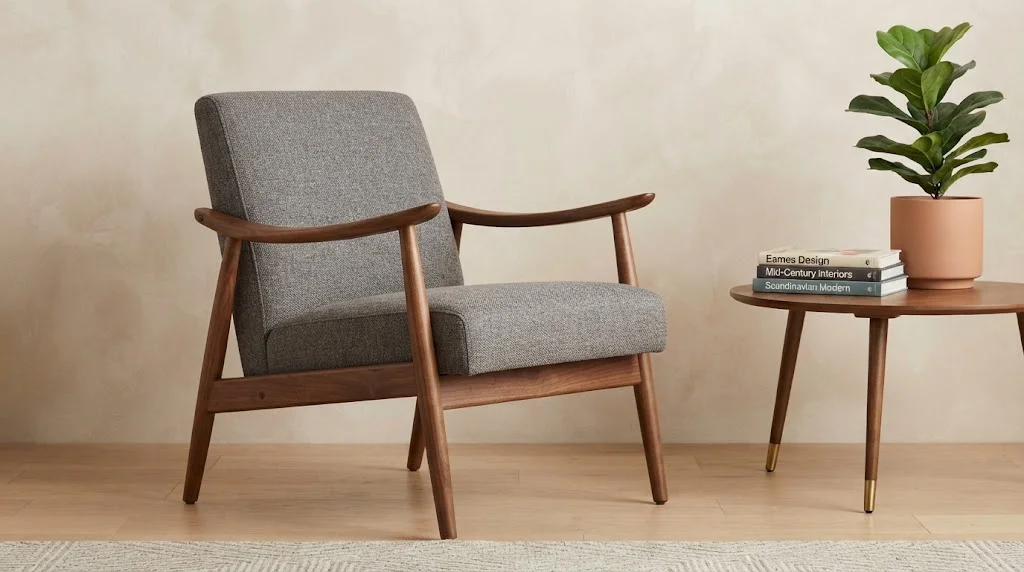
Creating a mid-century modern chair can be a rewarding project that allows you to add a touch of vintage charm to your home. These chairs are known for their sleek lines, functional design, and a mixture of wood and fabric materials. Below is a step-by-step guide to help you craft your own stunning Mid Century Modern Chair.
Materials You Will Need
- Wood (e.g., walnut or teak)
- Upholstery fabric
- Foam padding
- Screws and wood glue
- Sandpaper
- Wood stain or sealer
- Staple gun
- Measuring tape
- Saw (table saw or jigsaw)
- Drill
Step 1: Design Your Chair
Before you start building, sketch out your design. Mid-century modern chairs typically have a low profile and elegant angles. Consider various styles, such as the classic Eames lounge chair or a simple accent chair. Pay attention to dimensions, as these chairs should be comfortable and visually appealing.
Step 2: Cut the Wood Pieces
Using your measurements, cut the wood for the frame. You will generally need:
- Four legs
- Two side rails
- One backrest panel
- One seat panel
Make sure to sand the edges after cutting to avoid splinters.
Step 3: Assemble the Frame
Begin assembling your chair frame. Secure the legs to the seat using screws and wood glue, ensuring everything is square. Attach the side rails for additional support. Use a level to keep the chair balanced. Allow the glue to set according to the manufacturer’s instructions.
Step 4: Prepare the Seat and Backrest
To create a comfortable seating experience, cut foam padding to fit the seat and backrest. You can purchase upholstery foam from craft stores or online platforms. Once cut, layer the foam on the wood and secure it with the staple gun for durability.
Step 5: Upholster the Chair
Choose an upholstery fabric that complements your mid-century modern design. Cut the fabric, leaving extra material for folding over the edges. Position the fabric over the foam and stretch it tightly. Use the staple gun to secure it to the underside of the seat and backrest. Be sure to pull the fabric evenly to avoid wrinkles.
Step 6: Finishing Touches
After the upholstery is complete, finish the wood by applying a wood stain or sealer to enhance the natural grain. Allow it to dry completely before moving the chair. The staining process not only enhances aesthetics but also protects the wood from damage.
Step 7: Add Final Touches
Once the chair is dry, inspect it for any imperfections. Make necessary adjustments or touch-ups. Check stability by gently rocking it back and forth. If everything feels secure, you’re ready to showcase your new Mid Century Modern Chair!
Essential Materials for Crafting Mid Century Modern Furniture
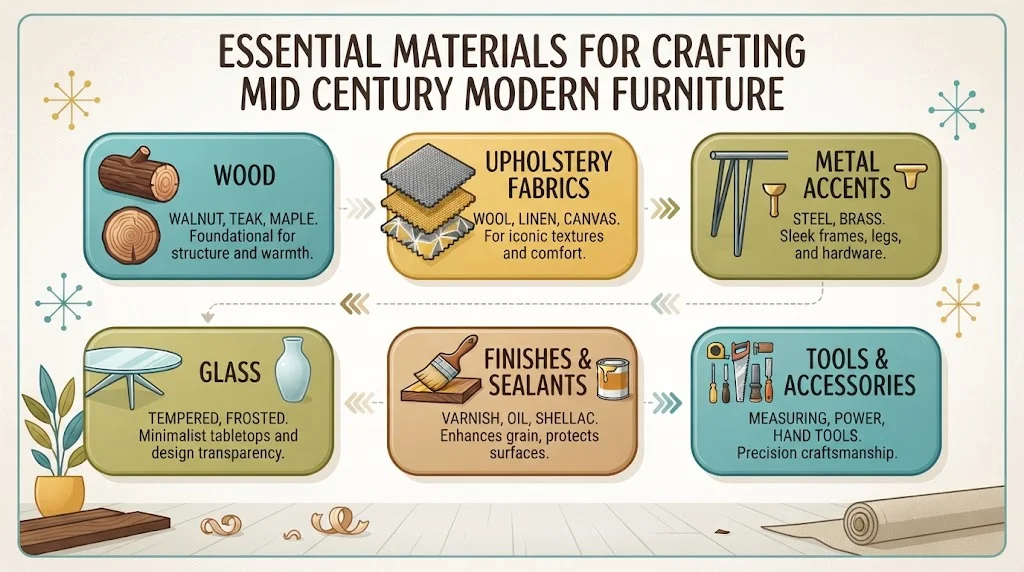
When it comes to crafting mid-century modern furniture, the choice of materials plays a crucial role in achieving the iconic clean lines and functional aesthetics that define this design period. The mid-century modern style, popularized between the 1940s and 1960s, emphasizes simplicity and connection with nature. Understanding which materials to use can enhance both the beauty and durability of your handmade pieces. Here’s a look at the essential materials you’ll need to consider.
Wood
Wood is a foundational element in mid-century modern furniture design. It gives warmth, character, and structural integrity to your projects. Here are some types commonly used:
- Teak: Highly sought after for its golden hue and resistance to decay, making it ideal for both indoor and outdoor furniture.
- Walnut: Known for its rich color and fine grain, walnut adds a luxury touch to pieces.
- Maple: Offers a light and clean aesthetic with durability, often used for functional items like tables and chairs.
Upholstery Fabrics
The right upholstery can make a significant impact on the comfort and appearance of chairs and sofas. Consider these fabrics for your mid-century modern furniture:
- Wool: Soft, durable, and available in various textures, wool creates a sophisticated look.
- Linen: Breathable and natural, linen provides a casual yet elegant appearance.
- Canvas: Heavy-duty and versatile, canvas is ideal for producing durable, easy-to-clean furniture.
Metal Accents
Metal components often highlight the geometric designs of mid-century modern furniture. Common elements to include are:
- Steel: Used for frames, legs, and supports, steel provides strength and a sleek look.
- Brass: Employed for finishing touches on handles and legs, brass adds a vintage flair.
- Aluminum: Lightweight and resistant to rust, it’s often found in outdoor furniture designs.
Glass
Glass elements, especially tops for tables, can enhance the aesthetic appeal of mid-century modern furniture. Consider these points:
- Tempered Glass: Offers safety and strength, making it perfect for tabletops that require design transparency.
- Frosted Glass: Provides a softer look and can help diffuse light in living spaces.
Finishes and Sealants
Using the correct finishes not only preserves the beauty of your furniture but also protects it from wear. When finishing your furniture, consider:
- Varnish: Offers a durable, protective layer while enhancing the wood’s natural grain.
- Oil: Options like Danish oil nourish the wood and are easy to apply, giving a natural finish.
- Shellac: Provides a classic look and fast-drying finish, suitable for small items or details.
Tools and Accessories
No project would be complete without the right tools. To craft mid-century modern furniture, you’ll need:
- Measuring tools (tape measure, square)
- Power tools (saw, drill, sander)
- Hand tools (chisels, clamps, screwdrivers)
- Finishing tools (brushes, rags)
Crafting mid-century modern furniture requires a thoughtful selection of materials. This process allows you to tailor your furniture to fit both aesthetic preferences and functional needs. For additional resources and tutorials on craftsmanship, consider exploring Wood Magazine and B&Q DIY. These sites offer a wealth of information to support your creative projects.
Whether you’re building chairs, tables, or storage pieces, understanding the materials you’re working with can drastically elevate your work. Start creating timeless furniture that embodies the spirit of mid-century modern design!
Design Principles of Mid Century Modern Style
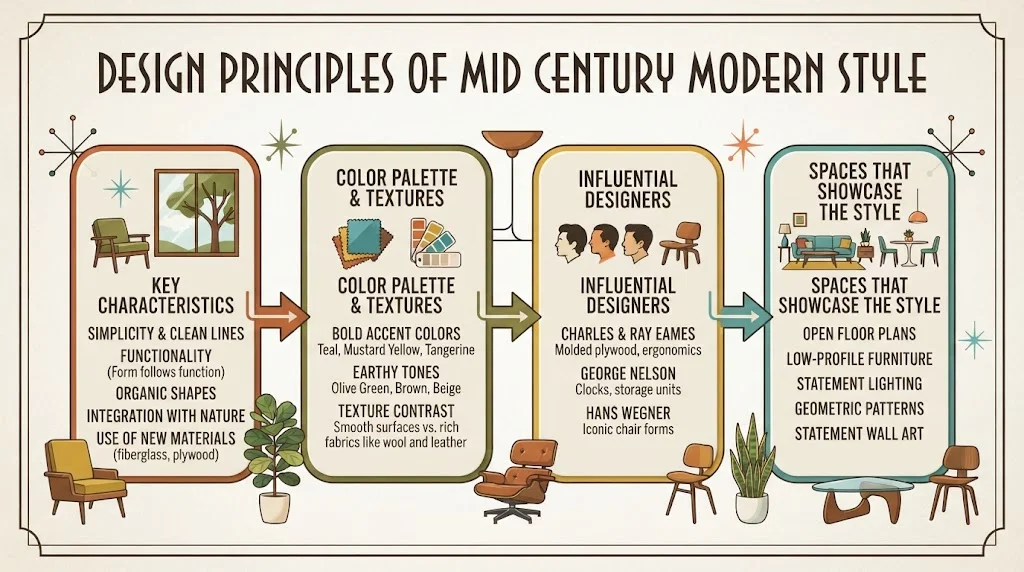
Mid Century Modern style is a design movement that emerged in the mid-20th century, primarily from the 1940s to the 1960s. It continues to influence today’s architecture, furniture, and décor, and understanding its core principles can help anyone appreciate or recreate this timeless aesthetic.
Key Characteristics of Mid Century Modern Design
Mid Century Modern design is characterized by several fundamental principles that set it apart from other styles. These traits include:
- Simplicity: The style emphasizes clean lines and minimal clutter, promoting a sense of openness and harmony.
- Functionality: Every piece of furniture serves a purpose, blending practicality with artful design.
- Organic Shapes: Unlike the geometric angles of previous styles, Mid Century Modern incorporates soft curves and natural forms.
- Integration with Nature: Large windows and open spaces are common, bringing the outdoors inside and blurring the line between interior and exterior.
- Use of New Materials: Innovations in manufacturing led to the use of materials like fiberglass, molded plastic, and plywood, enabling groundbreaking designs.
Color Palette and Textures
The colors and textures in Mid Century Modern design play a crucial role in its aesthetic appeal. Bright, bold hues such as teal, mustard yellow, and tangerine are often featured alongside earthy tones. These colors reflect a playful yet sophisticated approach to design. Textures are equally important, with a mix of smooth surfaces and rich fabrics, such as wool or leather, providing a warm contrast to sleek finishes.
Influential Designers
Several designers became synonymous with the Mid Century Modern movement, leaving a lasting legacy on the style:
- Charles and Ray Eames: Renowned for their innovative use of materials and ergonomic designs.
- George Nelson: A leader in bringing contemporary aesthetics and function into furniture design.
- Hans Wegner: Famous for his iconic chairs that merge function and sculptural form effortlessly.
Spaces that Showcase the Style
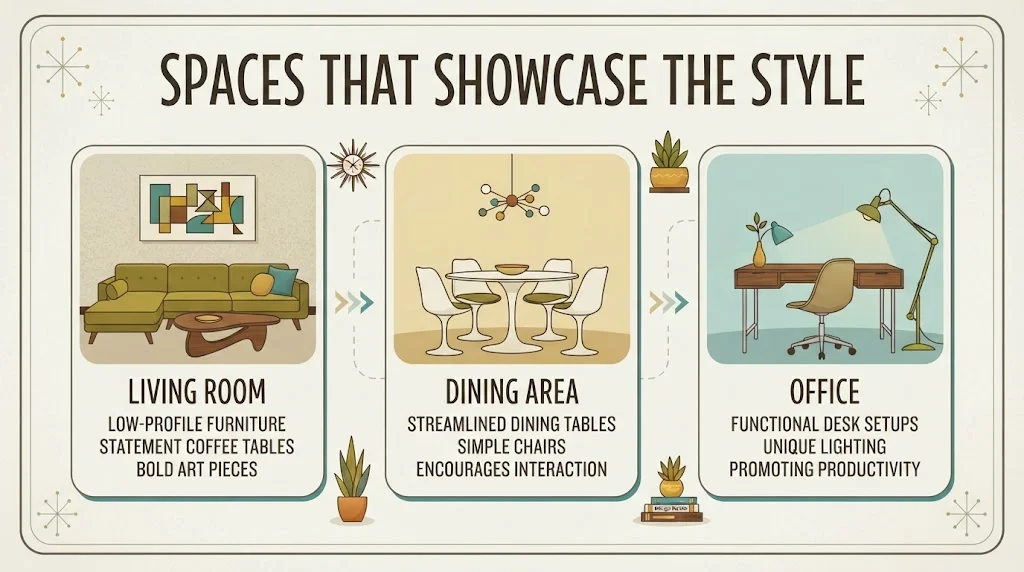
To appreciate Mid Century Modern design, consider how it can transform different spaces:
| Room Type | Design Elements |
|---|---|
| Living Room | Low-profile furniture, statement coffee tables, and bold art pieces. |
| Dining Area | Streamlined dining tables with simple chairs that encourage interaction. |
| Office | Functional desk setups paired with unique lighting, promoting productivity. |
Mid Century Modern in Your Home
Integrating this design style into your home doesn’t require a full remodel. You can start small by adding a few signature pieces, such as:
- Aero Chair: A classic chair that epitomizes Mid Century aesthetics.
- Teak Furniture: Look for well-crafted pieces that showcase wood’s natural beauty.
- Decorative Lighting: Pendants and floor lamps that boast geometric designs enhance ambiance.
Resources and Inspiration
If you want to dive deeper into Mid Century Modern design, exploring the following resources can be quite beneficial:
- Dwell: An excellent platform for modern design inspiration.
- Architectural Digest: Offers insights into high-end modern design.
- Museum of Modern Art (MoMA): A fantastic resource for learning about significant artists and designers from this era.
Whether you’re renovating a space or simply trying to understand this iconic style, knowing these design principles can help you appreciate the elegance and innovation of Mid Century Modern design.
Tips for Customizing Your Mid Century Modern Chair
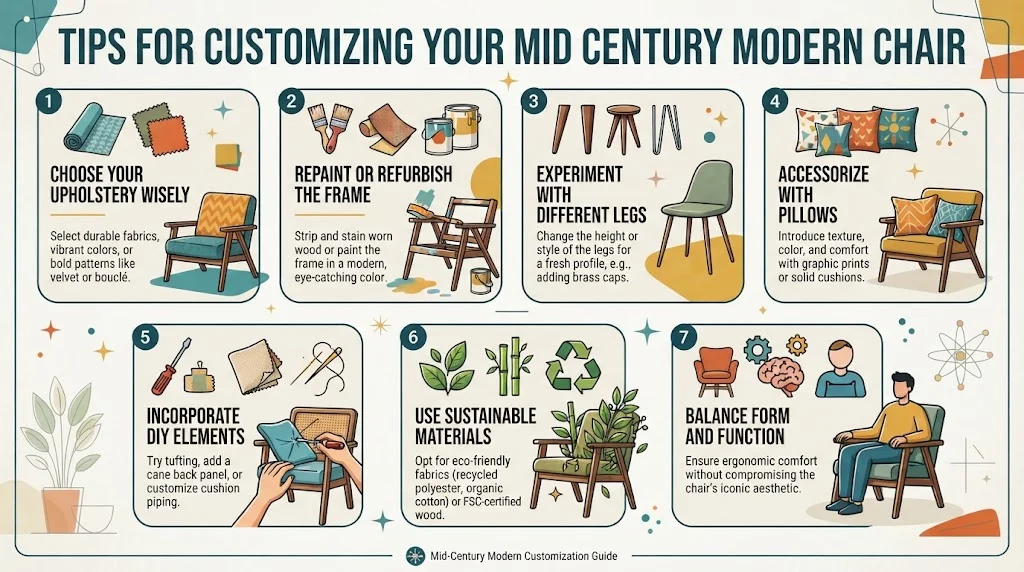
Customizing a mid-century modern chair can transform a simple piece of furniture into a personalized work of art. This popular design style, known for its clean lines and organic shapes, offers a perfect canvas for your creativity. You don’t need to be a professional designer or craftsman to create a unique chair that fits your style. Here are some expert tips to help you customize your mid-century modern chair.
Choose Your Upholstery Wisely
The first element that can dramatically change the look of your chair is the upholstery. You can opt for bold colors, interesting patterns, or textured fabrics to make a statement. When selecting upholstery:
- Consider the room’s color palette: Choose fabrics that complement or contrast with your existing decor.
- Think about functionality: Choose materials that are durable and easy to clean if the chair will be used frequently.
- Explore vintage fabrics: Look for retro fabrics that echo the spirit of the mid-century style, available at specialized sites like Rosenberry Rooms.
Repaint or Refurbish the Frame
The frame of your mid-century modern chair can often benefit from a fresh look. Whether it’s wood or metal, here’s how to approach it:
- Wood Frames: Stripping and staining can reveal the natural beauty of the wood. Consider using oil finishes to highlight the grain.
- Metal Frames: A fresh coat of paint can bring your chair back to life. Use spray paint designed for metal to ensure adhesion and durability.
Experiment with Different Legs
The legs of your mid-century modern chair play a significant role in its overall aesthetic. Here are some ideas:
- Swapping out legs: For a different material, like adding wooden legs to a metal chair, can create a fresh design.
- Consider varying the height: Chairs with longer legs can offer a more casual feel, while shorter legs suggest a classic look.
Accessorize with Pillows
Adding throw pillows is an excellent way to enhance comfort and style. Here are some tips:
- Select pillows that match or complement your chair’s upholstery.
- Mix and match patterns and textures for an eclectic look.
- Opt for various shapes and sizes to create depth.
Incorporate DIY Elements
Get creative! You can easily incorporate DIY elements to make your chair truly one-of-a-kind:
- Hand-painted designs: Use fabric paint to create unique patterns or stencils on your upholstery.
- Attach decorative elements: Adding fringe or trim can add character and make the chair stand out.
Use Sustainable Materials
In today’s eco-conscious world, using sustainable materials adds value to your custom project. When customizing, consider:
- Reclaimed wood for frames or legs: It’s environmentally friendly and gives a unique, rustic appearance.
- Eco-friendly upholstery options: Look for materials like organic cotton or recycled fibers.
Balance Form and Function
While aesthetics are important, don’t forget about the functionality of your chair. Comfort should be a priority, especially if the chair is to be used regularly. Here are some practical additions:
- Thicker cushioning: For added comfort can make a significant difference.
- Ergonomic design: Ensure the chair supports good posture and is comfortable to sit in for extended periods.
Customizing your mid-century modern chair allows you to express your personal style while also focusing on functionality. Not only is it an opportunity for creative expression, but it can also enhance the overall ambiance of your living space. By exploring different upholstery, refining the frame, and incorporating personalized touches, your chair can transform into a centerpiece that reflects your personality.
For those looking to dive deeper into the world of mid-century modern design and customization, consider exploring additional resources. Sites like MCM Furniture and Nordic Design provide inspiration and supplies for your next project.
Maintenance and Care for Mid Century Modern Furniture
Mid-century modern furniture is celebrated for its timeless design and functionality. However, to keep these pieces looking their best, proper maintenance and care are essential. With a few simple practices, you can extend the life and beauty of your mid-century items. Here are some effective strategies to help you maintain their charm.
Regular Cleaning
Cleaning is the first step in maintaining mid-century modern furniture. It’s important to use gentle methods to avoid damaging the finishes. Here’s how you can do it:
- Dust Regularly: Use a soft, dry cloth to dust your furniture weekly. This prevents dirt buildup and preserves the finish.
- Use a Damp Cloth: For deeper cleaning, moisten a cloth slightly with water. Wipe surfaces gently and dry immediately to avoid moisture damage.
- Avoid Harsh Chemicals: Stay away from abrasive cleaners or chemicals, as they can strip finishes and ruin the surface.
Protecting the Finish
The finish on mid-century furniture is often what makes these pieces stand out. Follow these tips to protect it:
- Coasters Are Key: Always use coasters under drinks to prevent water rings.
- Table Covers: Use tablecloths or protective covers during family gatherings to avoid scratches.
- Sunlight Exposure: Position furniture away from direct sunlight to prevent fading and discoloration.
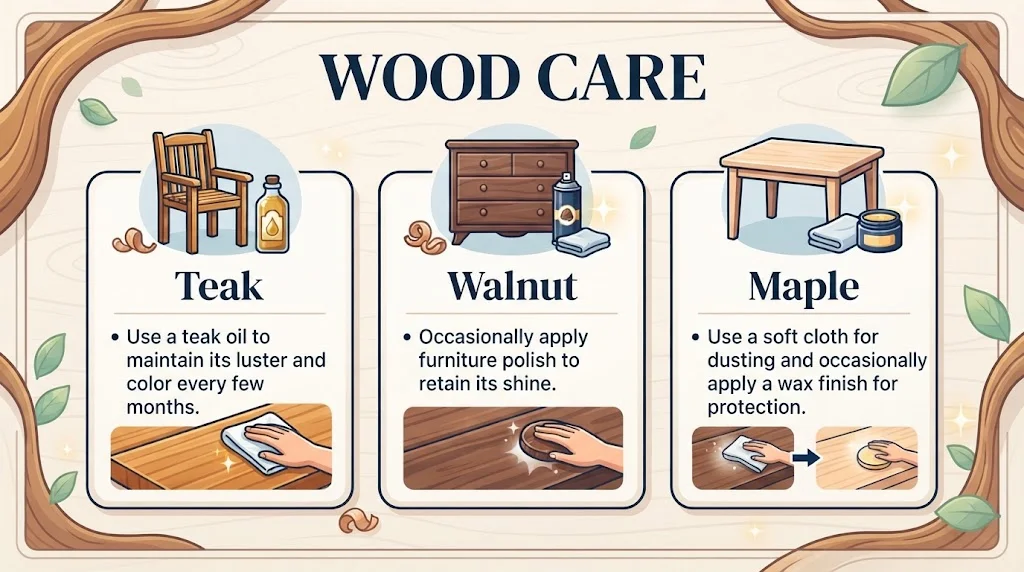
Wood Care
Many mid-century modern pieces are made from various types of wood. Different woods require distinct maintenance practices:
| Wood Type | Care Tips |
|---|---|
| Teak | Use a teak oil to maintain its luster and color every few months. |
| Walnut | Occasionally apply furniture polish to retain its shine. |
| Maple | Use a soft cloth for dusting and occasionally apply a wax finish for protection. |
Upholstery Care
If your mid-century piece has upholstery, proper care is vital. Here’s how to maintain it:
- Vacuum Regularly: Use a vacuum with a brush attachment to prevent dust accumulation.
- Spot Clean Spills: Blot spills immediately with a clean, dry cloth. Do not rub, as this can spread stains.
- Professional Cleaning: Consider hiring a professional cleaner annually to preserve the fabric.
Wood Restoration
After years of use, you may notice scratches or worn surfaces on your furniture. Restoring these features can make a significant difference:
- Use a Wood Repair Kit: For minor scratches, a wood repair marker can fill in the gaps. Match the color to your furniture.
- Refinishing: If the surface is severely worn, consider refinishing. Stripping the old finish and applying a new layer can make the piece look brand new.
Handling Hardware Issues
Handles and hinges are crucial for functionality. Check them regularly for wear:
- Tighten Loose Handles: Use a screwdriver to tighten any loose screws.
- Lubricate Hinges: A little lubricant can prevent squeaks and improve functionality.
Proper care for your mid-century modern furniture not only maintains its aesthetic appeal but also ensures its longevity. By incorporating these simple maintenance routines, you’ll keep your cherished pieces looking fabulous for years to come.
If you’re looking for more detailed guides on furniture restoration and maintenance, visit Wood Magazine or check out Apartment Therapy for tips on stylish living and furniture care.
Conclusion
Creating your own mid century modern chair can be a rewarding and fulfilling project that combines craftsmanship with personal style. By following the step-by-step guide, you’ve gained insight into both the construction process and the essential materials needed. Understanding the design principles of mid century modern style helps ensure your chair not only looks aesthetically pleasing but also embraces the functional beauty characteristic of this iconic era.
Customization plays a significant role in making your chair uniquely yours. Whether you’re looking to tweak the shape, choose bold fabrics, or play with colors, these personal touches can transform a standard piece into a stunning focal point in your home. Remember, the charm of mid century modern design lies in its blend of simplicity and creativity, so don’t shy away from experimenting.
Investing time in maintenance and care will ensure your mid century modern chair remains a beloved part of your space for years to come. Regular cleaning and minor repairs will keep its charm and functionality intact, allowing you to enjoy the warm nostalgia of mid century design without compromising on quality.
Whether you’re a seasoned DIY enthusiast or a beginner, crafting a mid century modern chair is an excellent way to explore your creativity and enhance your living space. Embrace the journey and relish each step of the process as you create a piece that reflects your style and appreciation for timeless design. Your mid century modern chair is not just furniture; it’s a story of craftsmanship and individuality waiting to be shared.