
Woodworking can be a fulfilling craft and a profitable business venture. If you’re just starting and looking for ideas, using plywood is a smart choice. Plywood is affordable, versatile, and easy to work with, making it ideal for beginners. Here are some excellent Profitable Woodworking Projects to Sell Using Plywood you can create and sell, focusing on plywood.
1. Plywood Furniture
Creating furniture from plywood is a fantastic way to get started. It’s accessible and can stand out in the market due to its unique style. Here are a few ideas:
- Plywood Chairs: Simple to design and build, plywood chairs can be both modern and traditional.
- Coffee Tables: Use different shapes and finishes to create eye-catching tables.
- Bookshelves: Functional and aesthetic, these can be sold to families, students, or professionals.
2. Home Decor Items
Plywood is great for home décor projects as it can be cut into beautiful shapes and designs. Here are some profitable ideas:
- Wall Art: Create unique plywood wall hangings that can be painted or stained.
- Picture Frames: Craft customized frames in various sizes. Personalized items are always popular.
- Shelf Decor: Design floating shelves that add a modern touch to home interiors.
3. Storage Solutions
Everyone loves a good storage solution! With plywood, you can design functional items that appeal to customers looking to declutter their homes. Consider the following:
- Storage Boxes: Perfect for toys, books, and crafts. They can be personalized with names or colors.
- Cabinets: Plywood cabinets for kitchen, bathroom, or living space are much sought after.
- Drawer Organizers: Help customers keep their spaces tidy with custom drawer organizers.
4. Toys and Games
Wooden toys are timeless and often more durable than plastic alternatives. Here’s how you can use plywood in this category:
- Puzzles: Simple yet engaging; these are great for children and easy to personalize.
- Play Sets: Consider building themed play sets, like a dollhouse or garage.
- Educational Games: Create fun learning games that combine education with play.
5. Pet Products
Pet lovers are always looking for unique products for their furry friends. Plywood can be a great material for creating functional and stylish pet items:
- Pet Beds: Cozy, stylish, and functional beds make for a great product.
- Cat Trees: Multi-level climbing structures that can be made sturdy with plywood.
- Dog Feeders: Elevated feeding stations can be stylishly designed for your pets.
Marketing Your Woodworking Projects
Once you’ve crafted your items, how do you sell them? Here are a few effective strategies:
- Online Marketplaces: Utilize platforms like Etsy or eBay to reach a larger audience.
- Social Media: Share photos on Instagram or Pinterest. These platforms are great for visual products.
- Local Markets: Participate in craft fairs or local markets to showcase your work directly.
Understanding Costs and Pricing
When calculating pricing, keep in mind your material costs, labor, and overhead. A simple breakdown can help you:
| Item | Cost to Produce ($) | Proposed Selling Price ($) |
|---|---|---|
| Plywood Chair | 30 | 75 |
| Wall Art | 10 | 25 |
| Pet Bed | 40 | 90 |
By mastering these Profitable Woodworking Projects to Sell Using Plywood, you can turn your passion into a rewarding income stream. For more resources and ideas, visit Wood Magazine or Woodworkers Source.
Essential Tools for Crafting Plywood Projects at Home
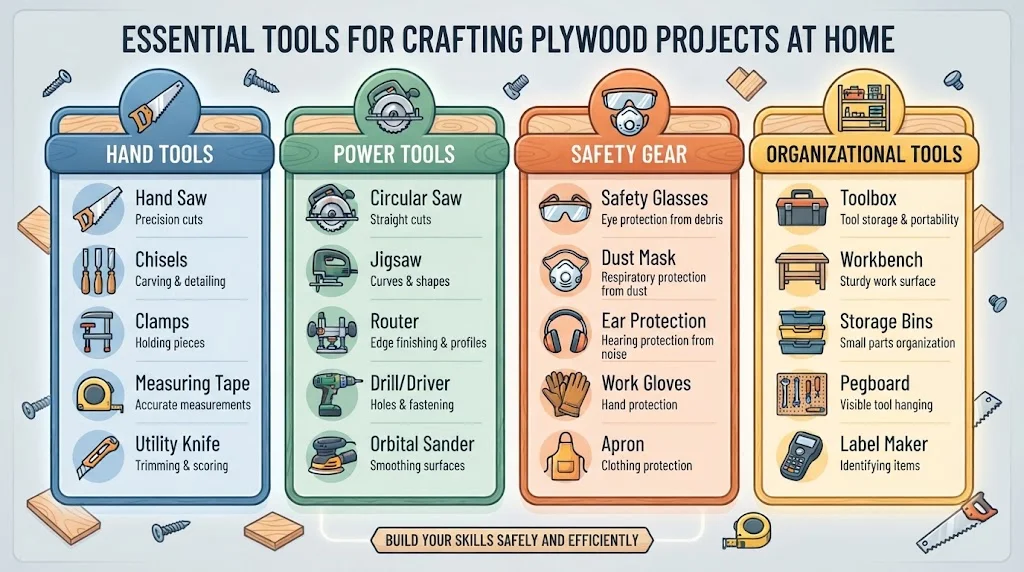
If you’re planning to dive into the world of woodworking with plywood projects, having the right tools is crucial. Whether you’re a beginner or a seasoned crafter, the tools you choose can make a significant difference in your work quality and efficiency. Let’s explore some essential tools that will help you create stunning plywood items right from the comfort of your home.
Hand Tools
While power tools are often the go-to for many projects, hand tools deserve a place in your toolkit as well. They allow for precision and finesse that is sometimes unmatched. Here are a few must-have hand tools:
- Hand Saw: A quality hand saw is essential for making straight cuts on plywood. Look for one with fine teeth for smoother cuts.
- Chisels: Chisels will help you carve and detail your project. A set of chisels in various sizes will offer versatility.
- Clamps: These are vital for holding pieces in place while cutting or gluing. Consider having a variety of sizes.
- Ruler or Measuring Tape: Accurate measurements are key in woodworking. Invest in a sturdy measuring tool.
Power Tools
Power tools can speed up the process and ease labor during woodworking projects. Here’s a list of power tools that can benefit your plywood crafting:
- Circular Saw: This versatile tool is used for making straight cuts. It can handle thick plywood with ease. Consider using a guide to ensure straight lines.
- Jigsaw: Great for making curved cuts or intricate shapes. A jigsaw is handy for creative projects where standard cuts won’t do.
- Router: Perfect for edge finishing, carving designs, and hollowing out sections of wood. A plunge router can add a professional finish to your projects.
- Sander: Whether it’s a hand sander or a power sander, smoothing surfaces is necessary for achieving that polished look.
Safety Gear
Safety should always come first. When working with power tools and plywood dust, wearing appropriate safety gear is imperative:
- Safety Glasses: Protect your eyes from flying debris.
- Dust Mask: Prevent inhaling dust particles that can be harmful to your lungs.
- Ear Protection: When using loud power tools, it’s wise to wear ear protection to avoid hearing loss.
Organizational Tools
Good organization can streamline your workflow. Keep your workspace tidy with these items:
- Toolbox: A sturdy toolbox can keep all your tools in one place and prevent them from getting lost.
- Workbench: Invest in a solid and stable workbench that has ample surface area for your projects.
- Storage Bins: Use bins or shelves for storing plywood pieces and smaller items like screws and nails.
Planning Your Projects
Planning is crucial before starting any project. A good set of plans will guide you through the process. Various resources are available online where you can find detailed woodworking plans specifically for plywood projects. Websites like Wood Magazine and Woodworking Network provide valuable insights and project ideas.
Marketing Strategies for Your Woodworking Business
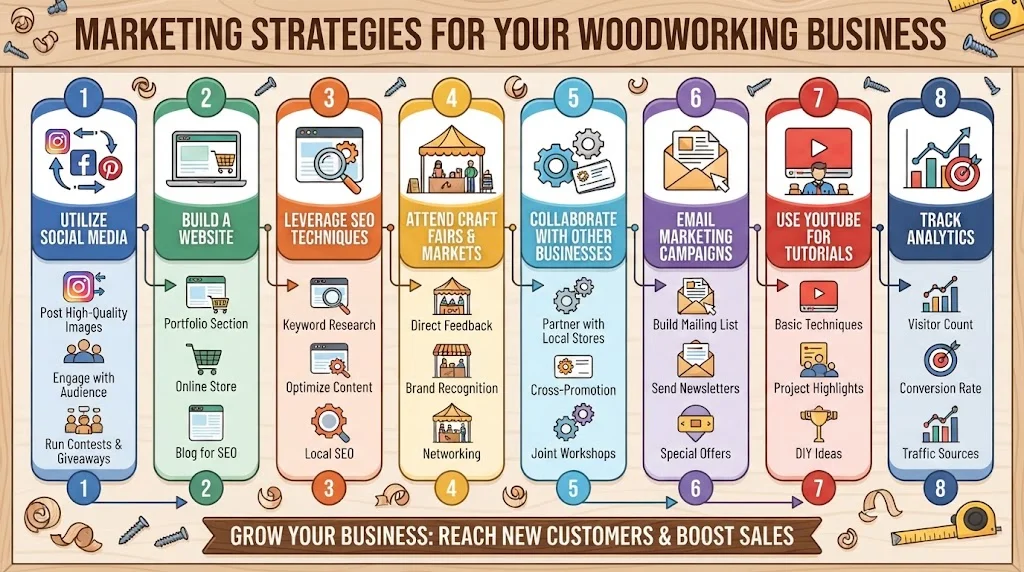
Starting a woodworking business can be an exciting venture, but marketing it effectively is crucial for generating sales and building a customer base. Here are some key strategies to help you promote your woodworking business successfully.
Utilize Social Media
Social media platforms are powerful tools for small businesses. Use sites like Instagram, Facebook, and Pinterest to showcase your woodworking projects. Here are some tips:
- Post High-Quality Images: Visuals are vital. Share clear, well-lit images of your products and your workshop process.
- Engage with Your Audience: Respond to comments and messages. Ask for feedback and encourage customers to share their purchases.
- Run Contests or Giveaways: This can create buzz around your brand and increase your follower count.
Build a Website
An online presence is essential for your woodworking business. Having a well-structured website allows customers to view your products and learn about your business. Here are crucial elements to consider:
- Portfolio Section: Display your past projects to showcase your skills.
- Online Store: Use e-commerce plugins to sell directly from your website.
- Blog Posts: Create informative content related to woodworking to attract visitors through search engines.
For inspiration, you can check out Woodworker’s Journal for tips on design and content.
Leverage SEO Techniques
Search engine optimization (SEO) is vital for driving organic traffic to your website. Consider the following:
- Keyword Research: Identify keywords relevant to woodworking that potential customers might search for.
- Optimize Content: Use targeted keywords in your product descriptions, blog posts, and website headings.
- Local SEO: If you serve a local market, make sure to include your location in keywords to attract nearby customers.
Attend Craft Fairs and Markets
Participating in local craft fairs and markets allows you to connect with customers face-to-face. Here’s what you can gain:
- Direct Feedback: Engage with potential customers to understand their preferences.
- Brand Recognition: Being present at local events can enhance your brand visibility.
- Networking: Meet other artisans and business owners for potential partnerships.
Look for local events through websites like Crafts Fair for opportunities in your area.
Collaborate with Other Businesses
Cross-promotion can be a powerful marketing tool. Look for complementary businesses that align with your brand. For instance:
- Team up with interior designers who can feature your products in their projects.
- Partner with local home improvement stores to set up displays or workshops.
Collaboration increases your reach and can create a win-win situation for all parties involved.
Email Marketing Campaigns
Email marketing allows you to directly communicate with your customers. Start building a mailing list by offering something of value, like a discount or free e-book related to woodworking. Regularly send newsletters featuring:
- New Product Announcements: Keep subscribers updated on your latest creations.
- Special Offers: Give your loyal customers exclusive discounts.
- Workshops or Classes: If you offer classes, let your subscribers know how they can participate.
Use YouTube for Tutorials
Creating video content is a great way to showcase your woodworking skills. Consider producing step-by-step tutorials or project highlights. You could cover:
- Basic woodworking techniques for beginners.
- Tips on choosing the right wood for projects.
- DIY ideas using your products.
Linking your YouTube channel to your website can also enhance your online presence and drive traffic.
Track Analytics
Understanding customer behavior through analytics can help refine your marketing strategies. Use tools like Google Analytics to monitor your website’s performance. Key analytics to observe include:
- Visitor Count: Know how many people visit your site and their behavior patterns.
- Conversion Rate: Track how many visitors make a purchase.
- Traffic Sources: Identify where your visitors are coming from to focus your marketing efforts effectively.
By utilizing these marketing strategies, you can elevate your woodworking business and reach a broader audience. Get started today, and watch your woodworking dreams take flight!
Tips for Pricing Your Plywood Creations to Maximize Profit
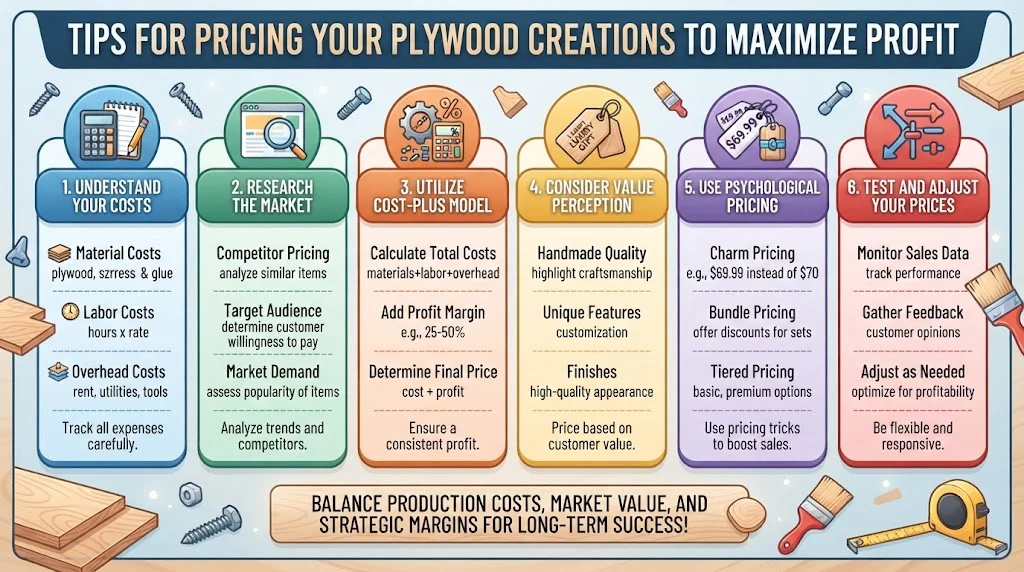
When it comes to selling your plywood creations, pricing plays a crucial role in maximizing your profit. Not knowing how to price your work can lead to losses instead of gains. Here are some effective tips to help you price your plywood projects competitively while ensuring you make a profit.
Understand Your Costs
Before setting a price, you need to understand the costs involved in creating your plywood projects. Consider the following:
- Material Costs: This includes plywood, screws, glue, and any finishing supplies.
- Labor Costs: Calculate how much time you spend on each project and assign a fair hourly wage.
- Overhead Costs: Factor in power, tools, workspace rent, and maintenance.
Once you have a clear breakdown of these costs, you can set a solid foundation for your pricing strategy.
Research the Market
Finding the right price also involves thorough market research. Check the prices of similar items sold by competitors. Visit online marketplaces like Etsy, Amazon, and local craft fairs. Analyze the following:
- What are popular items in your niche?
- How much do they sell for?
- How quickly do they sell?
This information allows you to adapt your prices competitively while still covering your costs.
Utilize the Cost-Plus Pricing Model
One effective pricing strategy is the cost-plus model. Here’s how it works:
- Add up all your costs (materials, labor, overhead).
- Decide on your profit margin. A good starting point is between 25% to 50%.
- Multiply your total costs by the desired profit margin and add this to your costs.
For instance, if your total costs amount to $50 and you want a 40% profit margin:
Price = Total Costs + (Total Costs x Profit Margin)
Price = $50 + ($50 x 0.40) = $70
Consider Value Perception
Customers often associate higher prices with better quality. If your plywood projects offer unique features, craftsmanship, or customization, don’t hesitate to charge a bit more. Highlight these points in your marketing:
- Share the story behind your creations.
- Emphasize handmade craftsmanship.
- Show high-quality finishes and designs.
Engaging customers with this information justifies a higher price point.
Use Psychological Pricing
Psychological pricing is another strategy that could boost your sales. Here are some techniques:
- Use charm pricing, such as $69.99 instead of $70.
- Group similar items together and offer bundle deals.
- Introduce tiered pricing for customizations.
These approaches can make your prices appear more attractive.
Test and Adjust Your Prices
Don’t be afraid to test your prices. Begin with an initial launch price and monitor how well your products sell. If an item sells out quickly, you might consider increasing the price. Conversely, if sales are sluggish, it may be time to lower the price or add more value. Utilizing feedback from customers can also offer insights on their willingness to pay. This dynamic strategy keeps your prices aligned with market behavior.
Sustainable Sourcing: Choosing Eco-Friendly Plywood for Your Projects
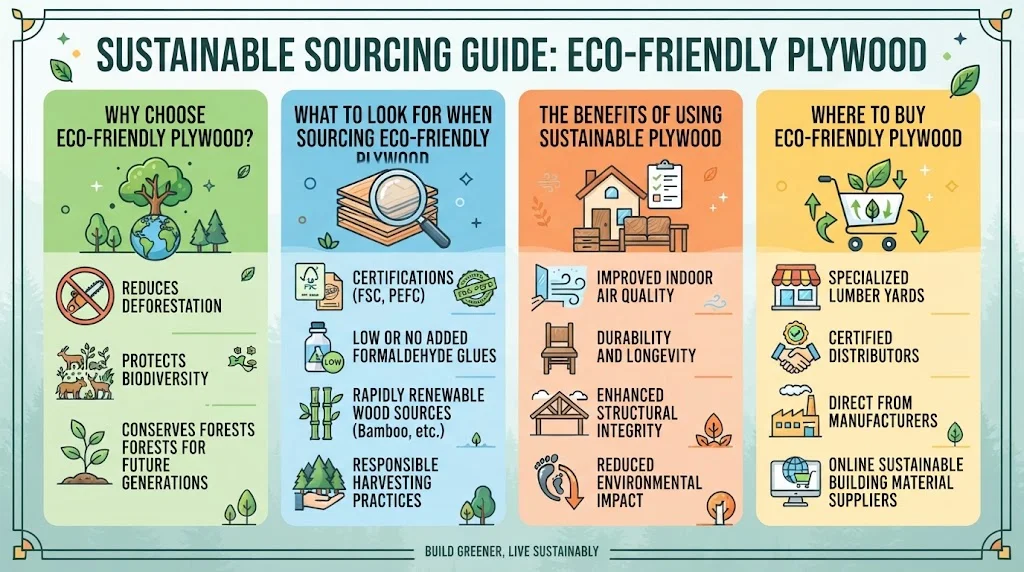
When embarking on your woodworking projects, the choice of materials plays a crucial role in achieving both aesthetic appeal and sustainability. Plywood has become a popular choice among woodworkers due to its versatility and durability. However, understanding how to source eco-friendly plywood can elevate your projects and support the environment.
Why Choose Eco-Friendly Plywood?
Eco-friendly plywood is sourced from sustainable forests, promoting responsible forestry practices. Choosing this wood helps combat deforestation and protects wildlife habitats. Additionally, eco-friendly plywood often uses fewer harmful chemicals in its production process, making it safer for your home and the earth.
Types of Eco-Friendly Plywood
Understanding the types of eco-friendly plywood available will help you make informed choices. Here are a few options:
- Bamboo Plywood: Made from fast-growing bamboo, it is a stylish and sustainable choice.
- FSC-Certified Plywood: This plywood comes from forests managed sustainably, ensuring minimal environmental impact.
- Reclaimed Wood Plywood: Sourced from repurposed wood, it reduces waste and adds a rustic charm to your projects.
What to Look for When Sourcing Eco-Friendly Plywood
Finding the right eco-friendly plywood involves considering several factors:
- Certifications: Look for certifications such as the Forest Stewardship Council (FSC) or the Programme for the Endorsement of Forest Certification (PEFC). These organizations ensure that the wood meets specific environmental criteria.
- Material Composition: Check for plywood made from natural adhesives and finishes to reduce indoor pollution and improve air quality.
- Local Sourcing: Buying plywood produced locally not only supports the economy but also reduces carbon emissions associated with long-distance transportation.
The Benefits of Using Sustainable Plywood
Sustainable plywood into your projects can yield numerous benefits, including:
- Environmental Impact: Reduces your ecological footprint, helping you contribute to a healthier planet.
- Durability: High-quality plywood tends to be stronger, providing better longevity for your projects.
- Market Appeal: Eco-friendly products often attract environmentally conscious customers, enhancing your marketability.
Where to Buy Eco-Friendly Plywood
When shopping for eco-friendly plywood, consider the following retailers known for their sustainable practices:
| Retailer | Website |
|---|---|
| Building Green | buildinggreen.com |
| Eco-Home | eco-home.com |
| Green Building Supply | greenbuildingsupply.com |
Projects You Can Create with Eco-Friendly Plywood
There are countless woodworking projects you can tackle using eco-friendly plywood. Here are some ideas:
- Furniture: Craft stylish tables, chairs, and shelves that showcase your craftsmanship while being kind to the earth.
- Home Décor: Create bespoke wooden art, frames, and shelves for a unique touch in your living space.
- Outdoor Projects: From planters to garden furniture, eco-friendly plywood can withstand the elements when treated properly.
Tips for Working with Plywood
To ensure a successful woodworking project, keep these tips in mind:
- Measure Twice: Always double-check your dimensions before cutting to avoid waste.
- Use Proper Tools: Invest in high-quality tools designed for plywood to achieve clean cuts and professional results.
- Finish Wisely: Opt for low-VOC finishes to maintain indoor air quality and enhance the natural beauty of the wood.
By choosing eco-friendly plywood for your projects, you not only enhance your craftsmanship but also contribute positively to the environment. Embrace sustainable sourcing today and watch your woodworking endeavors flourish!
Conclusion
Embarking on a woodworking journey with plywood can be both exciting and profitable. From creating eye-catching decor pieces to constructing functional furniture, the possibilities are endless for beginners looking to sell their handmade creations. Equip yourself with the essential tools that make crafting easier and more enjoyable, ensuring you can bring your creative visions to life efficiently.
Marketing your woodworking business is crucial for visibility and success. Utilize platforms like social media and local markets to showcase your unique designs and connect with potential customers. A strong marketing strategy can set you apart and draw attention to the quality of your work. Additionally, understanding how to price your products wisely is essential for maximizing profit. By researching market trends and considering your materials, time, and craftsmanship, you can set competitive prices that reflect your value.
Sustainability is not just a trend; it’s a responsibility. Choosing eco-friendly plywood not only helps the environment but also appeals to a growing consumer base that values sustainable practices. This ethos into your projects can enhance your brand image and attract environmentally-conscious buyers.
Ultimately, venturing into woodworking with plywood presents an incredible opportunity to unleash your creativity while generating income. By following best practices in both project creation and business management, you can build a successful woodworking venture that resonates with customers and stands the test of time. Dive into this captivating field with passion, and watch your efforts flourish.