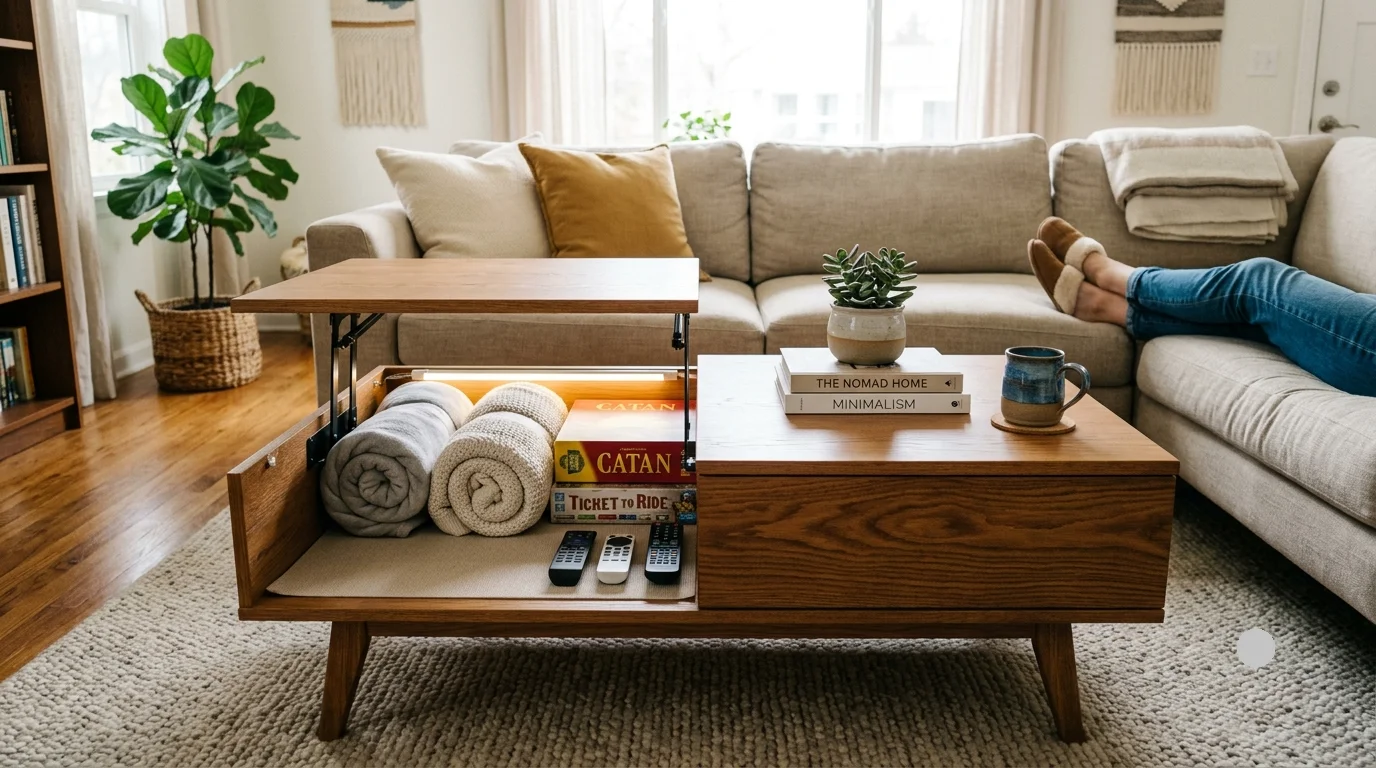
If you’re looking to enhance your living space with a functional yet stylish piece, designing a DIY Coffee Table with Storage with Measurements can be an excellent choice. It not only gives you a place to set your drinks and magazines but also offers a clever solution for stashing away items like blankets or books. With some careful planning, you can create a custom piece that fits perfectly in your home and meets your storage needs.
Understanding Dimensions
When designing a DIY Coffee Table with Storage with Measurements, precise measurements are key. Consider the space where you intend to place the table. The average coffee table height ranges from 16 to 18 inches. Make sure this height complements your sofa or chairs for a comfortable interaction. Here is a basic guideline for dimensions:
| Measurement Element | Recommended Size |
|---|---|
| Height | 16 – 18 inches |
| Width | 40 – 48 inches |
| Depth | 24 – 30 inches |
| Storage Space Height | 12 – 15 inches |
These dimensions provide a solid foundation but feel free to adjust according to your specific needs and design aesthetic. A larger table can serve as a centerpiece, while a compact table can fit snugly into tighter spaces.
Choosing the Right Materials
Selecting materials plays a significant role in the look and durability of your coffee table. Common materials include:
- Wood: Oak or pine are popular choices due to their strength and appearance.
- Metal: A metal frame can add a modern touch while ensuring stability.
- Glass: A glass top can give an airy feel but consider using it in combination with other materials for added support.
Make sure to consider the finish. A good sealant will protect your table from spills or scratches, especially if you have kids or pets.
Design Considerations
As you begin to sketch out your design, think about how storage will be incorporated. Here are a few ideas:
- Open Shelves: These can be stylish and accessible, perfect for displaying books or decorative items.
- Drawers: Ideal for stashing away items out of sight, drawers can help keep your living space looking tidy.
- Lift-Top Design: A lift-top coffee table offers hidden storage beneath the tabletop, combining functionality with style.
When designing the storage, ensure that it is easy to access. You want the storage solutions to work for you, not against you.
Assembly Process
After sorting out the dimensions, materials, and design elements, the assembly process begins. Make sure you have these tools handy:
- Drill
- Saw
- Screwdriver
- Measuring tape
- Sandpaper
Follow these general steps to assemble your coffee table:
- Start by cutting your materials to the desired size based on your earlier measurements.
- Assemble the frame using wood glue and screws, ensuring it’s sturdy.
- Add the storage elements, be it shelves or drawers, before attaching the table top.
- Sand down rough edges and apply your chosen finish.
After assembly, place your table in your desired location, and use your creativity to style it with decorative items or functional pieces.
Choosing the Right Materials for Your DIY Coffee Table Project
Embarking on a DIY coffee table project is an exciting venture that not only enhances your living space but also offers storage solutions tailored to your needs. When you decide to build a coffee table, one of the most critical decisions you will make is choosing the right materials. The correct materials ensure your table’s durability, aesthetics, and overall functionality. Let’s explore the various options available to you.
Wood Options
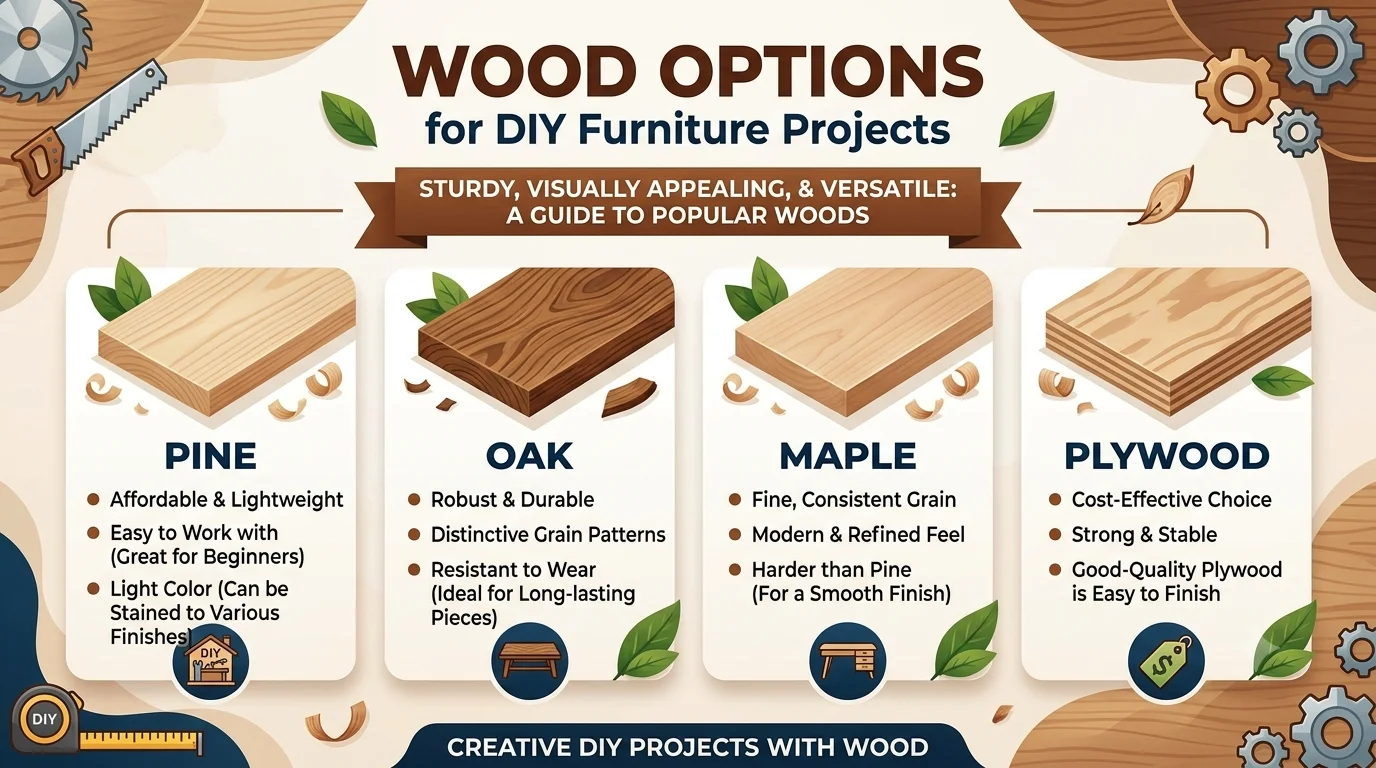
Wood is often the go-to material for DIY furniture projects. It’s sturdy, visually appealing, and versatile. Here are some popular types of wood to consider:
- Pine: Affordable and lightweight, pine is easy to work with, making it perfect for beginners. It’s known for its light color and can be stained to achieve various finishes.
- Oak: A robust choice with distinctive grain patterns, oak is durable and resistant to wear. It’s ideal if you’re looking for a long-lasting piece.
- Maple: Known for its fine, consistent grain, maple can provide a modern feel to your coffee table. It’s harder than pine, thus suitable for a more refined look.
- Plywood: If you’re looking to save on costs, good-quality plywood can be an excellent choice. It’s strong and can be finished easily.
Metal Accents
Integrating metal into your design can offer a contemporary edge to your coffee table. Consider these elements:
- Steel: Steel legs or frames can add stability and a modern aesthetic. You can paint or finish the steel to match your wood tones.
- Aluminum: Light and corrosion-resistant, aluminum can bring elegance without heaviness. It’s great for those wanting a sleek, minimalistic design.
- Brass: For a touch of luxury, brass details like knots or feet can elevate your DIY project. Use it sparingly to maintain balance.
Top Finishing Options
Your choice of finish can greatly impact your coffee table’s look and lifespan. Here are finishing options to think about:
- Stains: Stains bring out the natural beauty of the wood, adding color while preserving the grain. A clear stain can enhance the wood’s natural appeal.
- Paint: If you prefer a pop of color, choose a high-quality paint suitable for furniture. Remember to use a primer for better adhesion.
- Sealants: Protect your table with polyurethane or varnish. This will help guard against scratches and spills, enhancing durability.
Storage Solutions
When planning your coffee table, think about how you want to incorporate storage. Here are a few ideas:
- Drawer compartments: Easy access to books and remotes.
- Open shelves: Ideal for magazines and decorative items, enhancing visibility.
- Hollow spaces: Use the area underneath for baskets or boxes, keeping the table surface clean.
Dimensions for Your Coffee Table
Choosing the right dimensions is essential for your coffee table to fit harmoniously in your living space. Most coffee tables are about 16-18 inches high and typically measure between 36-48 inches long. If you’re building one, consider the following standard dimensions:
| Dimension | Standard Measurement (inches) |
|---|---|
| Height | 16-18 |
| Length | 36-48 |
| Width | 18-24 |
Ensure your table height matches your seating; generally, it should be about 2-4 inches lower than your couch cushions for comfort.
Step-by-Step Guide to Building a Functional Coffee Table with Storage
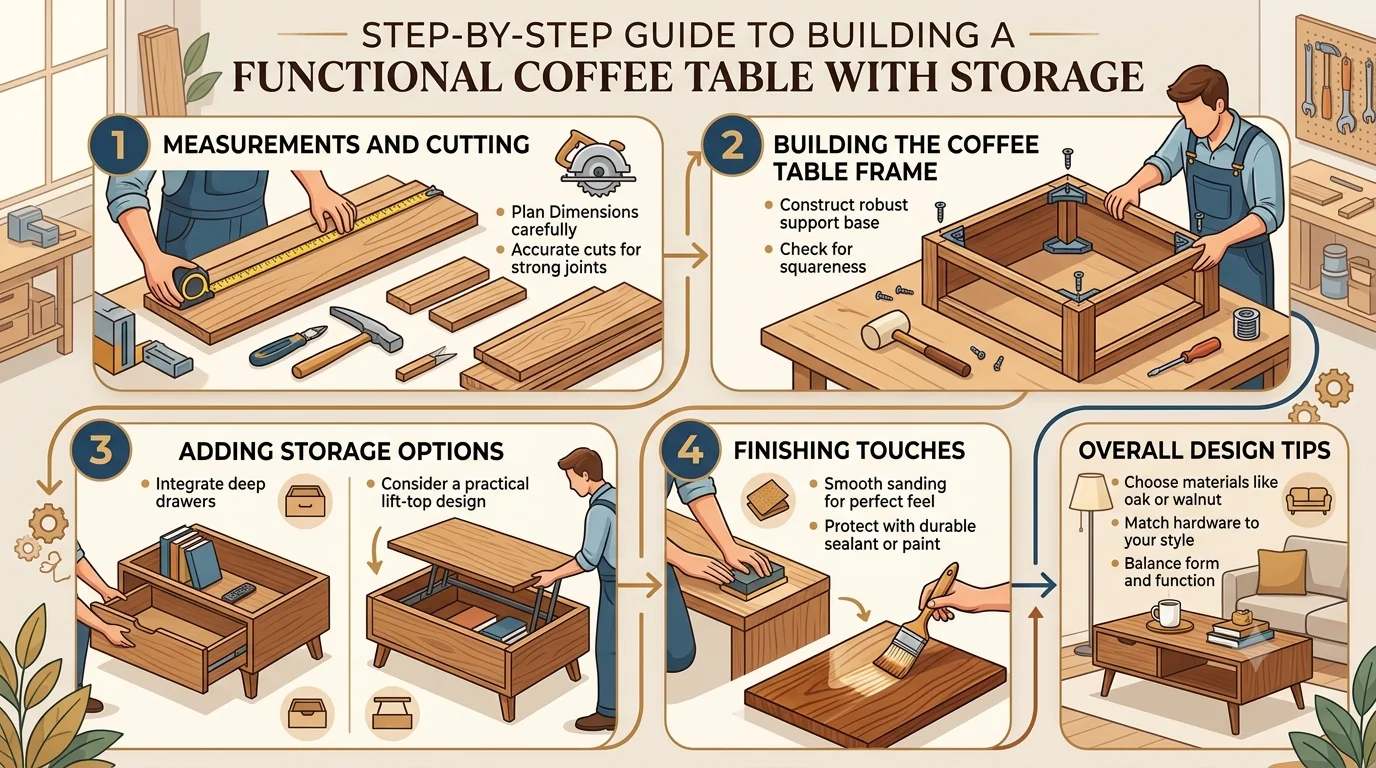
Building your own coffee table with storage isn’t just functional; it’s also a great way to personalize your living space. By following a few simple steps and using the right materials, you can create a stunning table that also serves as a storage solution. Let’s dive into the process!
Materials Needed
- 1 sheet of plywood (3/4″ thickness)
- 4 wooden legs (detachable or fixed)
- Wood screws
- Wood glue
- Sandpaper (medium and fine grit)
- Paint or wood stain
- Clear wood finish (optional)
- Measuring tape
- Circular saw or miter saw
- Screwdriver
- Drill
Measurements and Cutting
Before you start cutting your wood, it’s important to decide on the dimensions of your table. A standard coffee table is usually around 48″ long, 24″ wide, and 18″ tall. For additional storage, consider a thicker tabletop and a design that includes a shelf or drawers beneath. Here’s a simple table of cuts you’ll need:
| Piece | Dimensions |
|---|---|
| Tabletop | 48″ x 24″ |
| Shelf (optional) | 46″ x 22″ |
| Legs | 4 pieces, 18″ each |
Building the Coffee Table Frame
Begin by cutting the plywood to your specified dimensions. Start with the tabletop, then cut the shelf, if you choose to include one. Make sure to measure twice before cutting, as this will help avoid mistakes! Once you have your pieces, use sandpaper to smooth out any rough edges.
Next, attach your legs to the corners of the tabletop. Depending on the type of legs you choose — either detachable or fixed — your installation method may differ. If they’re fixed, drill the legs directly onto the tabletop. In the case of detachable legs, use plates that can securely hold them in place. Utilize wood screws as well as wood glue for a robust structure that can withstand daily use.
Adding Storage Options
If you want to create extra storage, consider adding drawers or a shelf beneath the tabletop. Here’s a simple way to make a drawer:
- Cut two side pieces that are 4″ high, 22″ wide.
- Cut a front piece that is 4″ high and 24″ wide.
- Cut a back piece that is 4″ high and 22″ wide.
- Include a base piece that is 22″ x 24″.
Once you have your drawer pieces cut, assemble them together using wood glue and screws. Install slide rails on the sides to allow the drawer to open smoothly.
Finishing Touches
After you’ve assembled your coffee table with storage, it’s time to finish it off. You can paint or stain your table to match your decor. If you wish, apply a clear wood finish to protect the surface from spills and scratches.
Overall Design Tips
When designing your table, think about the aesthetic and practicality. Choosing a style that complements your interior design can bring the whole room together. Consider options like:
- Rustic wood finishes for a cozy feel.
- Glossy paint for a modern look.
- Adding decorative knobs for drawers to enhance style.
Creative Storage Solutions for Your Coffee Table
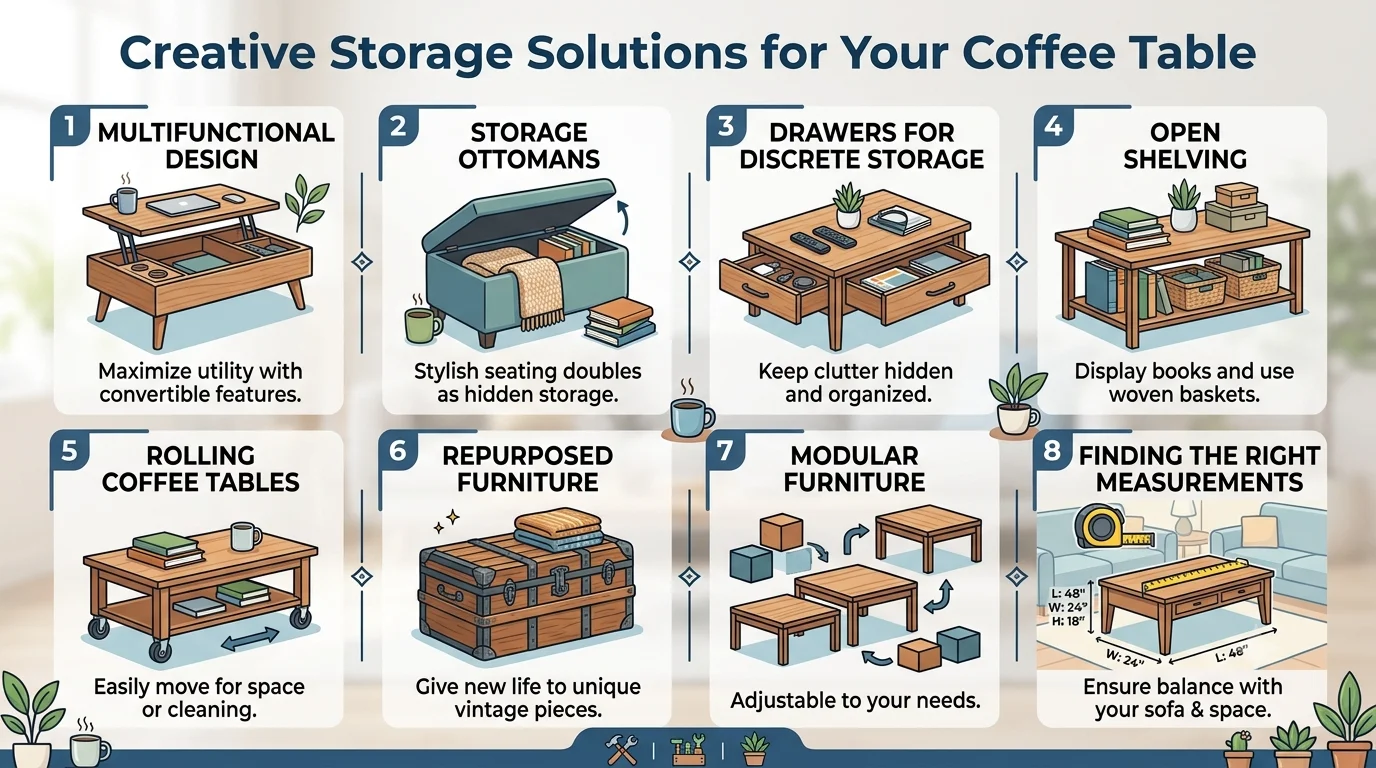
When it comes to home decor, a coffee table with clever storage can elevate your living space while keeping it organized. Whether you’re reading a book, enjoying a coffee, or hosting friends, having a functional yet stylish coffee table is a game-changer. Let’s explore some creative storage solutions that will not only declutter your area but also add aesthetic value to your home.
Multifunctional Design
Choosing a coffee table that serves multiple purposes is a smart strategy. Look for options that combine a table with storage. For example, coffee tables with lift-top designs can hide books, magazines, or game controllers inside. This design allows you to use the top as a desk space when needed while keeping everything neat inside.
Storage Ottomans
Using ottomans as coffee tables can be an innovative approach that offers storage and seating. Here are some benefits of using storage ottomans:
- Provides additional seating when you have guests.
- Offers a soft surface for resting your feet.
- Can be used to store blankets, toys, or magazines.
Plus, they come in various designs and colors, enabling you to choose one that complements your existing decor.
Drawers for Discrete Storage
If you prefer a more traditional look, consider coffee tables with drawers. This option is great for discreetly storing items while keeping the surface clear. Here’s how to maximize their potential:
- Designate one drawer for coasters and small items.
- Use another drawer for remote controls, ensuring they’re always within reach.
- Store board games or crafting supplies in a larger drawer.
Open Shelving
Open shelving under your coffee table is another functional solution. It provides a way to display decorative items while also offering storage. You can use this space in several creative ways:
- Arrange decorative baskets for easy access to items.
- Showcase your favorite coffee table books and magazines.
- Include a small plant or decorative item that complements your decor.
Rolling Coffee Tables
For a flexible option, consider a rolling coffee table. This type allows for easy movement and can serve multiple purposes. When guests arrive, you can quickly rearrange the table for drinks or snacks. Rolling coffee tables often feature under-table storage, perfect for stashing away items when not in use. They come in various styles, allowing you to select one that fits seamlessly into your living room design.
Repurposed Furniture
If you enjoy DIY projects, why not repurpose an old piece of furniture into a coffee table? An unused chest or crate can be transformed into a unique storage solution with a bit of creativity. With some paint, staining, or refinishing, you can create a beautiful, functional coffee table:
- Transform a vintage trunk into a coffee table with storage for blankets.
- Use a wooden crate and add some wheels for a rustic yet functional table.
- Refinish a small dresser by removing the top drawers and using the remaining structure as a table.
Modular Furniture
Modular furniture is designed for versatility. You can arrange these pieces in different configurations, making them perfect for a customizable living space. Many modular coffee tables come with hidden storage compartments, drawers, or shelves. This allows you to adapt your coffee table depending on your needs and available space.
Finding the Right Measurements
When selecting or designing your coffee table with storage, accurate measurements are essential. A standard coffee table height is 16-18 inches, but make sure to consider how it fits with your sofas or chairs. The width can vary between 30-48 inches, depending on your space. Ensure that there’s enough room for foot traffic – ideally, leave about 18 inches of space around it.
A coffee table with storage enhances both the functionality and aesthetic appeal of your living area. Whether you choose a stylish ottoman, a multifunctional design, or a repurposed piece, these creative solutions will keep your space tidy and inviting. Remember to select the right size to complement your furniture while adding charm to your decor.
For more unique coffee table solutions, check out sources like Apartment Therapy or Elle Decor, which offer a wide range of ideas on interior design.
Styling Tips to Enhance Your DIY Coffee Table’s Aesthetics and Functionality
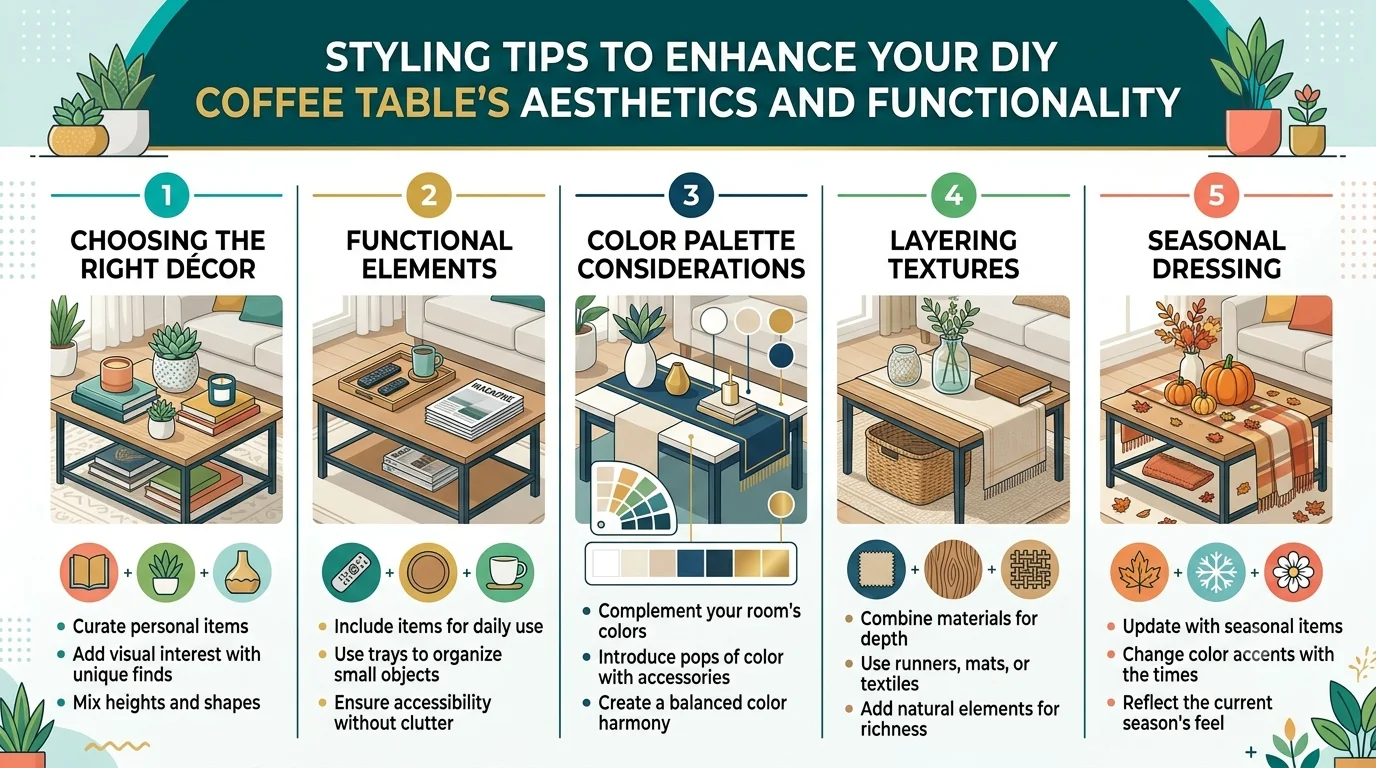
Transforming your DIY coffee table into a centerpiece of style and functionality is an exciting journey. By implementing a few key styling tips, you can easily enhance its aesthetics while ensuring that it serves its purpose well. Whether you’ve built your coffee table with storage or chosen a simple design, there are various ways to elevate its look and utility.
Choosing the Right Decor
Start by selecting the right decor for your coffee table. Consider these elements:
- Centerpiece: A bold centerpiece can become the focal point of your living space. Select a decorative object, such as a vase filled with fresh flowers or a unique sculpture that resonates with your home’s theme.
- Books: Stack a few coffee table books with interesting covers. This not only adds character but provides an opportunity for guests to engage and explore new topics.
- Candles: Use candles in varied heights for a cozy atmosphere. Group them together on a decorative tray to keep things organized.
Functional Elements
Functionality is equally important when styling your DIY coffee table. Here are some ways to merge style with practicality:
- Storage Baskets: Use stylish baskets to store remote controls, magazines, or other small items. This keeps the table tidy and adds texture to the overall design.
- Trays: Incorporate a decorative tray to corral smaller items. This helps to create visual organization while allowing for easy access to frequently used items.
- Coasters: Stylish coasters not only protect your table but can also serve as eye-catching decorations. Choose coasters that complement your overall color scheme.
Color Palette Considerations
Your coffee table can greatly benefit from a well-curated color palette. Here’s how to create balance:
- Neutral Tones: Consider using neutral colors as a base for your decor. Whites, grays, and earth tones can help create a calm and inviting atmosphere.
- Accent Colors: Add pops of color through decor pieces—think bright cushions on nearby seating or colorful artwork on surrounding walls. This helps the coffee table stand out without overwhelming the space.
- Metallic Accents: Incorporate metallic elements, such as gold or silver, through decorative trays or trims. These can add a touch of elegance and sophistication.
Layering Textures
Layering different textures can create depth and intrigue in your coffee table design. Consider the following:
- Wood and Metal: If your coffee table is made of wood, consider adding metal decor items to contrast with the natural element.
- Fabric: Use fabrics such as linen or velvet with your decorative pieces. A soft table runner or fabric cookies can provide a great textural difference without overwhelming the space.
- Nature-Inspired Elements: Bring in nature with plants. Succulents or small potted plants not only look good but also introduce freshness and vibrant color.
Seasonal Dressing
Giving your coffee table a seasonal update can keep your space feeling fresh and relevant throughout the year:
- Spring: Use pastels, floral arrangements, and bright colors.
- Summer: Incorporate beach-themed decor with seashells, bright colors, and airy textures.
- Fall: Use warm tones, pumpkins, and textured throws to create a cozy vibe.
- Winter: Opt for rich colors, festive decor, and warm lighting to invoke a sense of comfort.
These styling tips can significantly enhance the aesthetic appeal and functionality of your DIY coffee table. Remember, the key to a well-styled coffee table is balance. For more creative ideas and resources related to DIY furniture, consider visiting DIY Network or check out HGTV for additional inspiration.
Eventually, your coffee table should express your style while meeting your needs. With the right decor, color palette, and functional elements, you can create a stunning centerpiece that not only looks great but also serves a purpose in your home.
Conclusion
Creating a DIY Coffee Table with Storage with Measurements is a rewarding project that combines functionality and creativity. By understanding essential dimensions and design considerations, you can craft a piece that fits perfectly into your living space. Selecting the right materials is paramount, as sturdy components ensure your coffee table not only lasts but also enhances your home’s aesthetic.
Following a step-by-step guide simplifies the building process, allowing you to transform raw materials into a beautifully crafted coffee table. You can personalize the design further by incorporating creative storage solutions, such as hidden drawers or shelving, to keep your space organized and stylish. These features not only elevate the functionality of your coffee table but also provide a unique touch that reflects your personal style.
Once built, styling your coffee table is key to making it a focal point in your room. Consider incorporating decorative elements like books, candles, and plants that complement your home’s decor. With thoughtful arrangement, you can enhance both the look and utility of your DIY project.
Investing time and effort into this coffee table with storage offers a blend of practicality and creative expression. Whether you’re new to DIY or have experience, this project allows you to infuse your personality into your home. Embrace the process, have fun with your design choices, and enjoy the satisfaction of creating a functional piece that will serve you for years to come. Your living space deserves a coffee table that is as beautiful as it is practical, making it the heartbeat of your home.