Building wooden apartment furniture pieces can be a fulfilling and creative process. With some basic tools and materials, you can craft unique furniture that not only fits your space but also reflects your style. Here are some creative techniques to consider when embarking on this project.
Choosing the Right Wood
When building wooden furniture, the choice of wood is crucial. Different types of wood have distinct properties and aesthetic qualities. Here are some common woods to consider:
- Pine: Affordable and easy to work with, pine is great for beginners.
- Birch: This hardwood is durable and has a beautiful grain, making it ideal for finished pieces.
- Oak: Known for its strength, oak is perfect for heavy-use items like tables.
- Maple: With a fine uniform texture, maple is often used for kitchen furniture.
Understanding Measurements and Design
Before cutting any wood, take the time to plan your measurements accurately. Measure your space and consider how the new furniture will fit with existing pieces. Here are some tips:
- Use graph paper to sketch your designs at scale.
- Consider functionality: Does your design allow for storage or flexibility?
- Leave space for any electrical outlets or heat sources if applicable.
Essential Tools for Your Project
Having the right tools is key to building high-quality wooden furniture. Here’s a list of essential woodworking tools you should have:
- Measuring tape and square
- Hand saw or power saw
- Drill and drill bits
- Sander or sandpaper
- Wood glue and clamps
- Paintbrush and wood finish
Techniques for Building Furniture
There are various techniques you can apply when building furniture. Here are a few creative methods:
Joinery Techniques
Mastering different joinery techniques will provide you with sturdy and aesthetically pleasing connections between wood pieces. Here are some popular joinery methods:
- Dowel Joint: Simple and effective, just drill aligned holes and insert dowels.
- Mortise and Tenon: A traditional method that provides strong connections.
- Box Joint: Ideal for drawers, these interlocking fingers create a solid bond.
Finishing Techniques
Once your furniture is built, applying a finish is crucial to protect your piece and enhance its beauty. Consider these finishing techniques:
- Sanding: Smooth the surface with progressively finer sandpaper.
- Staining: Add color and highlight the wood grain with a suitable wood stain.
- Sealing: Use a polyurethane seal or varnish to protect your piece from wear.
Innovative Storage Solutions
In an apartment, maximizing space is important. Here are some creative storage solutions you can incorporate into your wooden furniture:
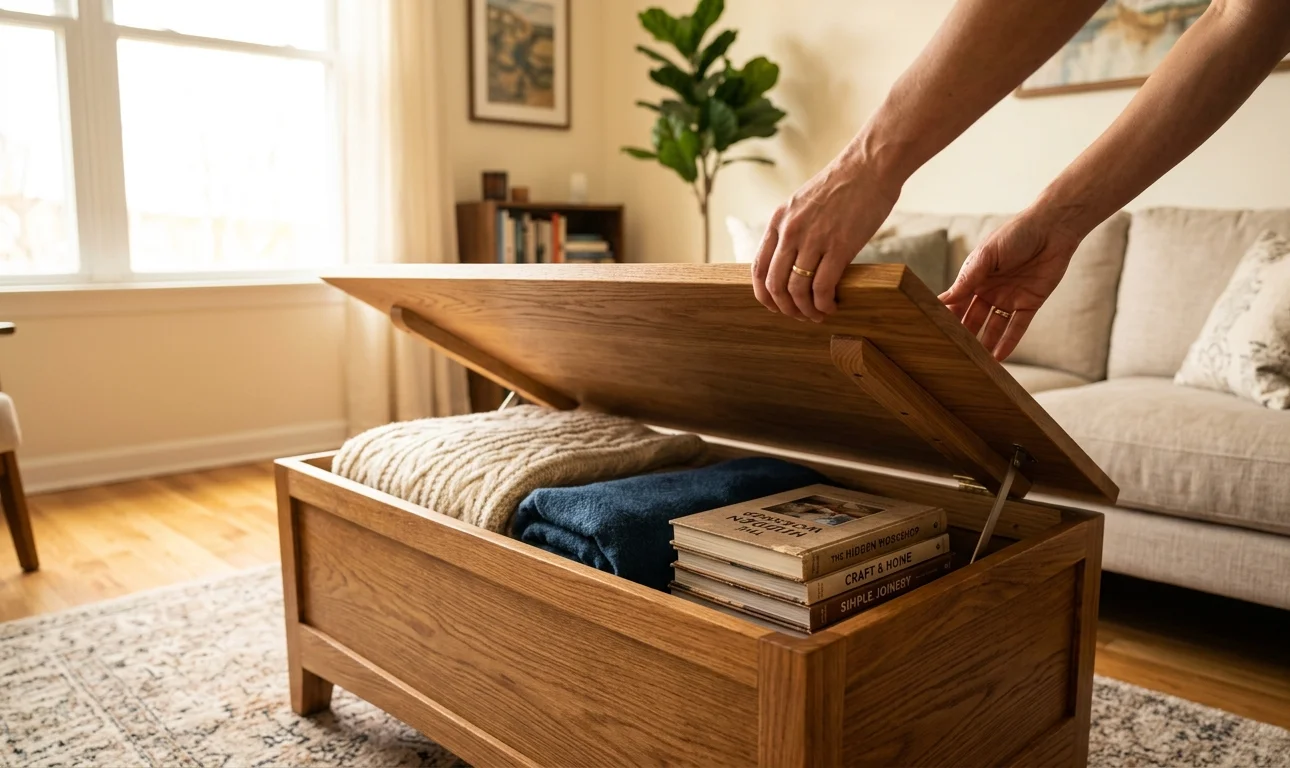
- Lift-Top Coffee Tables: Perfect for storing blankets or books.
- Built-In Shelves: Utilize vertical space to store items without taking up floor space.
- Ottomans with Hidden Storage: Multi-functional pieces can be both seating and storage.
Essential Tools for DIY Furniture Projects
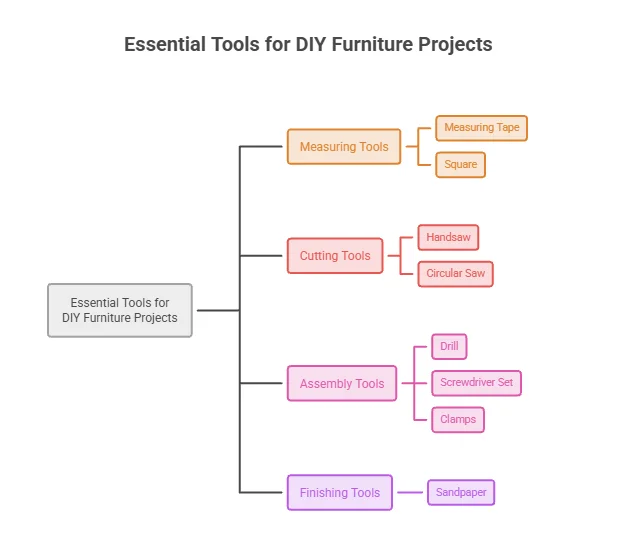
Understanding which tools you need can streamline your process and ensure safety while you work. Here’s a list of essential hand tools and power tools that will make your DIY furniture projects smoother:
- Measuring Tape: Accurate measurements are key. A reliable measuring tape will help you measure wood pieces or spaces accurately.
- Square: A combination square helps ensure that your corners are right angles, making your furniture sturdy and visually appealing.
- Handsaw or Circular Saw: A good saw is essential for cutting wood to the desired dimensions. Choose based on your comfort level and the size of your projects.
- Drill: A powerful drill is crucial for making precise holes and driving screws easily. A cordless option can improve mobility.
- Screwdriver Set: Having both Phillips and flathead screwdrivers ensures that you can tackle various fasteners.
- Sandpaper: Smooth surfaces are a must for any piece of furniture. Use different grit levels for initial shaping and finishing touches.
- Clamps: Clamps are essential for holding pieces together while glue dries or during assembly.
Power Tools to Consider
For those who want to elevate their projects, investing in some power tools can be beneficial:
- Router: A router is great for adding decorative edges or hollowing out areas in wood.
- Jigsaw: Perfect for making curved cuts or intricate shapes that a handsaw cannot manage.
- Miter Saw: A miter saw is ideal for making precise angled cuts for furniture corners or trim work.
- Table Saw: For repeated straight cuts, a table saw can drastically improve accuracy and speed.
Materials You Need
Once you have your tools ready, you’ll need to gather the right materials to bring your ideas to life. The following list highlights essential materials commonly used in DIY furniture projects:
- Wood: Choose the type of wood based on your project. Common choices are plywood, hardwood, and softwood. Each has its unique texture and strength.
- Wood Glue: A strong adhesive can help bond wood pieces together, especially for joints that are less visible.
- Screws and Nails: Different sizes are necessary to provide a sturdy construction. Consider using wood screws for better grip in wooden pieces.
- Stain or Paint: Finishing products can enhance the look of your furniture while protecting it from wear. Choose water-based options for ease of cleanup.
- Finish/Sealer: To preserve the aesthetics of your wood, applying a finish or sealer will ensure durability and resistance to moisture.
Where to Get Your Tools and Materials
Finding the right supplies can be simple if you know where to look. Here are a few reliable resources:
- Home Depot: A comprehensive selection of tools and materials for both beginners and professionals.
- Lowe’s: They offer a wide variety of DIY products, perfect for any furniture project.
- Woodcraft: Specializes in woodworking tools and materials.
Equipping yourself with these essential tools and materials can pave the way for successful DIY furniture projects. Start small, practice your skills, and you’ll be amazed at what you can create!
Tips for Designing Functional Furniture in Small Spaces
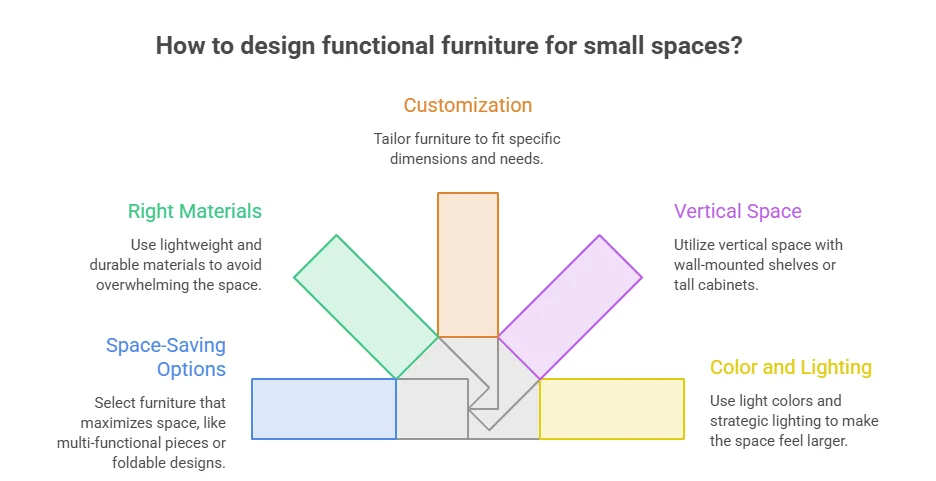
Living in a small space can be both charming and challenging. The key to making the most of your compact living area is to design functional furniture. With clever planning, you can create a warm, inviting atmosphere while maximizing every square inch available. Here are some practical tips to help you design furniture that is both functional and stylish in smaller spaces.
First and foremost, consider your needs. To design furniture that fits well in small spaces, you should ask yourself what functions you need. Will your sofa be used for seating only, or should it also provide storage? Do you need a table that can serve multiple purposes? Understanding your requirements can help guide your design choices.
Space-Saving Furniture Options
Space-saving furniture can be a game-changer in a tiny apartment. Here are some popular options:
- Multi-Functional Sofas: Look for sofas that convert into beds or come with built-in storage. This can be especially helpful if you frequently host guests.
- Expandable Dining Tables: An expandable table can help accommodate more guests when needed and can be compact when not in use.
- Wall-Mounted Desks: A folding desk can free up floor space. Fold it down when working and tuck it away when you’re finished.
Choosing the Right Materials
The materials you choose for your furniture can greatly affect the overall look and feel of your space. Opt for lighter materials, such as wood or metal, which can make your apartment feel more open. Transparent materials, like glass, can also create an illusion of more space. Consider the following:
- Lightweight Woods: Furniture made from lightweight woods can be easily moved and arranged as needed.
- Metal Accents: Use metal frames for chairs or tables to add a modern touch that doesn’t overwhelm the space.
- Transparent Surfaces: Glass or acrylic pieces can make the area feel less cluttered.
Customizing Your Furniture for Small Areas
Custom furniture is a fantastic way to solve specific spatial problems. If purchasing off-the-shelf furniture doesn’t fit the bill, consider customizing your pieces:
- Built-In Storage: Incorporate storage solutions into your furniture; for example, a bench with drawers underneath can serve dual purposes.
- Size Matters: Build furniture that fits perfectly into awkward nooks or corners, optimizing every available inch.
- Versatile Pieces: Custom builds that allow for rearrangement can adapt as your needs change.
Vertical Space
Don’t forget about your walls! Utilizing vertical space can minimize clutter and open up your floor area. Use shelves, hooks, and pegboards creatively:
- Wall Shelves: Install floating shelves to hold books, decor, or plants, keeping your belongings off the floor.
- Hooks and Racks: Use wall-mounted storage options for coats and bags to keep your space tidy.
- Pegboards: These can provide customizable storage for kitchen essentials or craft supplies.
Color and Lighting
Colors and lighting can have a significant impact on how spacious a room feels. Light colors can create an airy atmosphere, while well-placed lighting can enhance the effect:
- Neutral Palettes: Opt for light, neutral colors to make a small space feel larger and brighter.
- Mirrors: Incorporate mirrors to reflect light, which gives the illusion of more space.
- Layered Lighting: Use different types of lighting (overhead, task, and ambient) to create depth and warmth.
By following these tips, you can create functional furniture that not only maximizes the usability of your small space but also adds to the overall aesthetic.
 : Using Reclaimed Wood
As the world becomes more aware of environmental issues, many people are searching for sustainable options in their daily lives, including furniture choices. One of the most effective ways to contribute to a greener planet is by opting for furniture made from reclaimed wood. This approach not only reduces waste but also adds a unique charm and history to your living space.
Reclaimed wood is sourced from old buildings, furniture pieces, and other structures that are no longer in use. Byax repurposing this wood, artisans can create stunning furniture while avoiding the need for new lumber, thus conserving valuable natural resources. Here are some core reasons why using reclaimed wood in furniture making is not just about aesthetics but is a significant move towards sustainability.
Environmental Benefits
Using reclaimed wood helps protect the environment in multiple ways:
- Reduces Deforestation: By utilizing wood that is already available, we reduce the demand for new timber, helping to preserve forests.
- Minimizes Waste: Repurposing wood prevents it from ending up in landfills, where it would contribute to waste and pollution.
- Lower Carbon Footprint: The production process for reclaimed wood furniture typically requires less energy than creating new furniture, resulting in lower carbon emissions.
Unique Aesthetic Appeal
Furniture made from reclaimed wood often comes with its own character and stories. Each piece carries history through its unique grain patterns, knots, and color variations. Homeowners can find beautifully crafted pieces that not only stand out but also invite conversation. You can choose from rustic tables, elegant chairs, or custom shelving units that reflect your personal style.
Durability and Quality
Reclaimed wood is often sourced from trees that have matured for decades, making it denser and harder than many new woods. This leads to:
- Long-lasting Furniture: Well-maintained reclaimed wood furniture can last for generations, providing excellent value for your investment.
- Resistance to Damage: Older, reclaimed wood can withstand wear and tear better than newer, softer wood types.
Support Local Artisans
Choosing furniture made from reclaimed wood often means supporting local artisans and craftspeople. This not only helps boost local economies but also ensures that you are purchasing unique, quality pieces. Many of these artisans incorporate sustainable practices in their overall production methods, further contributing to the environmental benefits.
Understanding the Different Types of Reclaimed Wood
When purchasing reclaimed wood furniture, it’s essential to know what you’re looking for. Here are common sources of reclaimed wood:
| Source | Description |
|---|---|
| Barn Wood | Often available in weathered finishes, barn wood is ideal for rustic furniture. |
| Salvaged Pallets | Pallets can be transformed into trendy furniture like tables and benches. |
| Old Flooring | Taken from deconstructed buildings, these floors can create vibrant tabletops. |
| Historic Buildings | Wood from old homes or commercial buildings provides a rich history. |
For those considering making their own furniture, reclaimed wood is readily available from local suppliers or specialty stores focused on sustainable materials. Websites like Reclaimed Wood Exchange and Building Reuse can provide tips, and inspiration.
Sourcing reclaimed wood requires some diligence, but the rewards can be substantial. Not only will you create a striking interior with one-of-a-kind pieces, but you’ll also take steps to help the environment. Embracing reclaimed wood is a choice that aligns your values with your lifestyle, making a statement about your commitment to sustainability.
Step-by-Step Guide to Assembling Your Wooden Furniture Piece
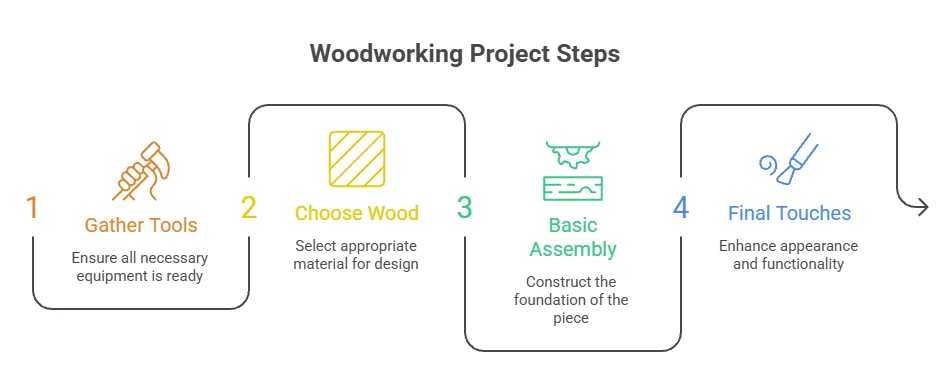
Gather Your Tools
Before you begin, make sure you have all the necessary tools. Here’s a list of items you’ll need:
- Power drill
- Screwdriver (Phillips and flathead)
- Measuring tape
- Wood glue
- Saw (if cutting is required)
- Sandpaper
- Clamps
- Level
Choose the Right Wood
Selecting the right type of wood is crucial. Consider these popular options:
| Type of Wood | Benefits | Best For |
|---|---|---|
| Oak | Durable and strong | Tables, chairs |
| Pine | Lightweight and easy to work with | Bookshelves, simple furniture |
| Maple | Hard and resistant to scratches | Cabinets, dressers |
Start with the Basic Assembly Steps
Assembling wooden furniture can be straightforward if you follow a step-by-step process:
Step 1: Lay Out Your Parts
Begin by spreading out all the parts of your furniture piece. Make sure you have all the components listed in your manual. This could include panels, legs, shelves, and hardware.
Step 2: Connect the Base
Using your measuring tape, ensure equal spacing for your legs or base support. Begin by attaching the legs to the base using screws or wood glue. Make sure to use a level to keep everything straight.
Step 3: Attach the Top
Once the base is secure, it’s time to attach the top. Align the top piece with the edges of the base and use clamps to hold it in place while you drill screws through the underside of the top. This will keep visible hardware to a minimum.
Step 4: Secure the Shelves or Additional Pieces
If your furniture includes shelves or extra pieces, now is the time to install them. Follow the same process as above, measuring carefully to ensure even spacing.
Step 5: Finish with Sanding and Surface Treatment
Once your furniture is assembled, sand any rough edges to avoid splinters. Consider applying a wood finish, such as stain or paint, to protect the wood and enhance its aesthetic appeal.
Final Touches
After finishing your piece, conduct a final inspection. Check that everything is stable and secure. Test the functionality of drawers or doors to ensure they operate smoothly. If everything is good, you’ve successfully built your wooden furniture piece!
For more detailed guides and resources, check out Wood Magazine which offers a wealth of tips on woodworking projects and techniques.
Exploring Online Resources
If you’re looking for more guidance as you build your wooden apartment furniture, several websites offer great tutorials, design ideas, and materials:
- Instructables – A platform with step-by-step guides.
- Pinterest – Find inspiration for countless woodworking projects.
- Ana White – Offers plans for DIY furniture projects.
By following these creative techniques and utilizing the right resources, you can successfully build beautiful wooden apartment furniture pieces that make a statement in your home. Not only will these projects enhance your living environment, but they’ll give you the satisfaction of knowing you created functional art with your own hands.
Conclusion
Building wooden apartment furniture pieces is not only a fun and creative endeavor but also a rewarding way to personalize your living space. By employing the techniques outlined, you can transform simple materials into unique furniture that reflects your style and meets your needs. Remember, having the right tools and materials is crucial. Whether you’re using a saw, drill, or sandpaper, investing in quality equipment can make a significant difference in your project’s outcome.
When designing for small spaces, functionality should take center stage. Multi-purpose furniture can save room while still providing essential utility. Creative designs such as foldable or stackable pieces can maximize your apartment’s potential, ensuring that every square inch serves a purpose.
Sustainability is also an important consideration. Using reclaimed wood not only reduces waste but adds character to your projects. This choice promotes eco-friendliness while giving your furniture a distinct look. Each piece tells a story, making your home not just stylish but also mindful of the environment.
Once you have your designs and materials prepared, following a step-by-step guide can simplify the assembly process. Methodically putting your furniture together ensures a solid build and a beautiful end result. With patience and practice, you can create stunning wooden furniture that enhances your apartment, showcasing your skills and creativity. Engage in this rewarding journey, and enjoy the satisfaction of crafting pieces that truly belong to your unique living space. Happy building!