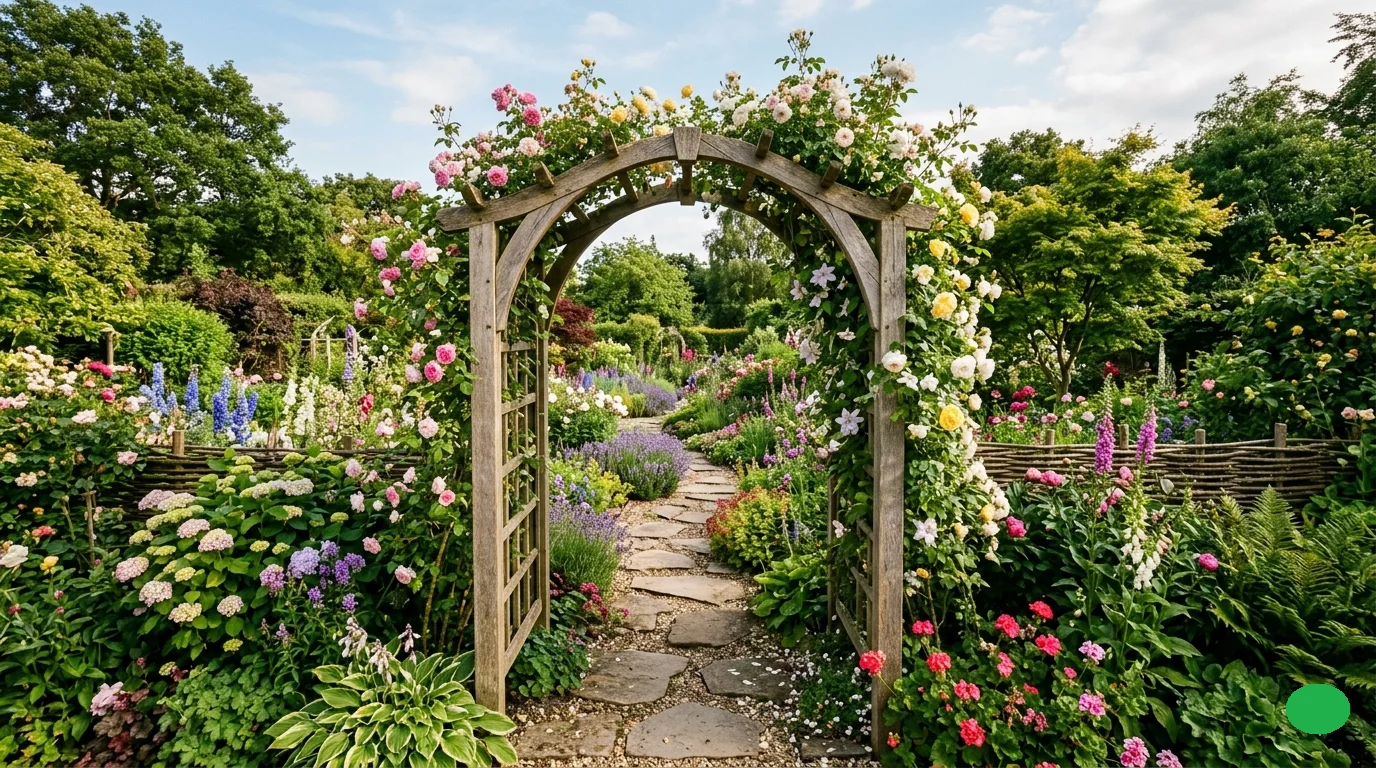
If you want to enhance your garden’s entryway or create a stunning focal point, building a wooden garden archway is an excellent project. This guide will walk you through the essential steps to construct your own wooden garden archway, allowing you to add beauty and structure to your landscaping. With the right tools and materials, you’ll soon have an archway that creates a charming entrance for your garden.
Gather Your Materials
Before you start building, gather all the necessary materials. Here’s a list of what you will need:
- Pressure-treated wood (such as cedar or redwood)
- Wood screws or nails
- Wood glue
- Concrete mix (for securing the posts)
- Sandpaper
- Outdoor paint or stain (optional)
- Measuring tape
- Level
- Power drill
- Saw (hand saw or circular saw)
- Pencil
Designing Your Archway
Consider the size and shape of your archway before you start cutting wood. Common dimensions might include a height of 7 feet and a width of 4 to 6 feet, but you can customize this based on your garden’s layout. You might want a classic rounded top or a modern square design. Sketch a simple plan to visualize your design and note your measurements.
Cutting the Wood
Once you have your design, it’s time to cut the wood. Follow these steps:
- Measure and mark your wood according to your design.
- Using your saw, carefully cut the wood pieces, including vertical posts, horizontal supports, and any decorative elements you wish to add.
- Use sandpaper to smooth the edges of your cuts to prevent splinters.
Assembling the Archway
With your wood pieces cut, it’s time to assemble the archway. Here’s how:
- Begin by placing the two vertical posts in the desired spot, ensuring they are evenly spaced apart.
- Use a level to make sure they are straight before securing them in place with concrete. Follow the concrete mix instructions, allowing time for it to set.
- Once the posts are secure, attach the horizontal support beams at the top of the vertical posts using wood screws or nails. Ensure they are flush with the top.
- If your design includes additional decorative elements, attach them accordingly, ensuring they are securely fixed.
Finishing Touches
Your wooden garden archway can benefit from a little more character. Consider these finishing touches:
- Paint or stain your wood to protect it from the elements and add visual appeal.
- Consider adding climbing plants or vines, like roses or wisteria, to enhance the beauty of your archway as they grow.
- Install lights along the archway for a magical evening atmosphere.
Maintenance Tips
After your wooden garden archway is complete, regular maintenance will keep it looking great:
- Check for any signs of wear or damage, especially after heavy rains.
- Reapply paint or stain as necessary, generally once a year.
- Trim back any vines that may overtake the archway or cause damage.
Choosing the Right Wood for Your Garden Arch
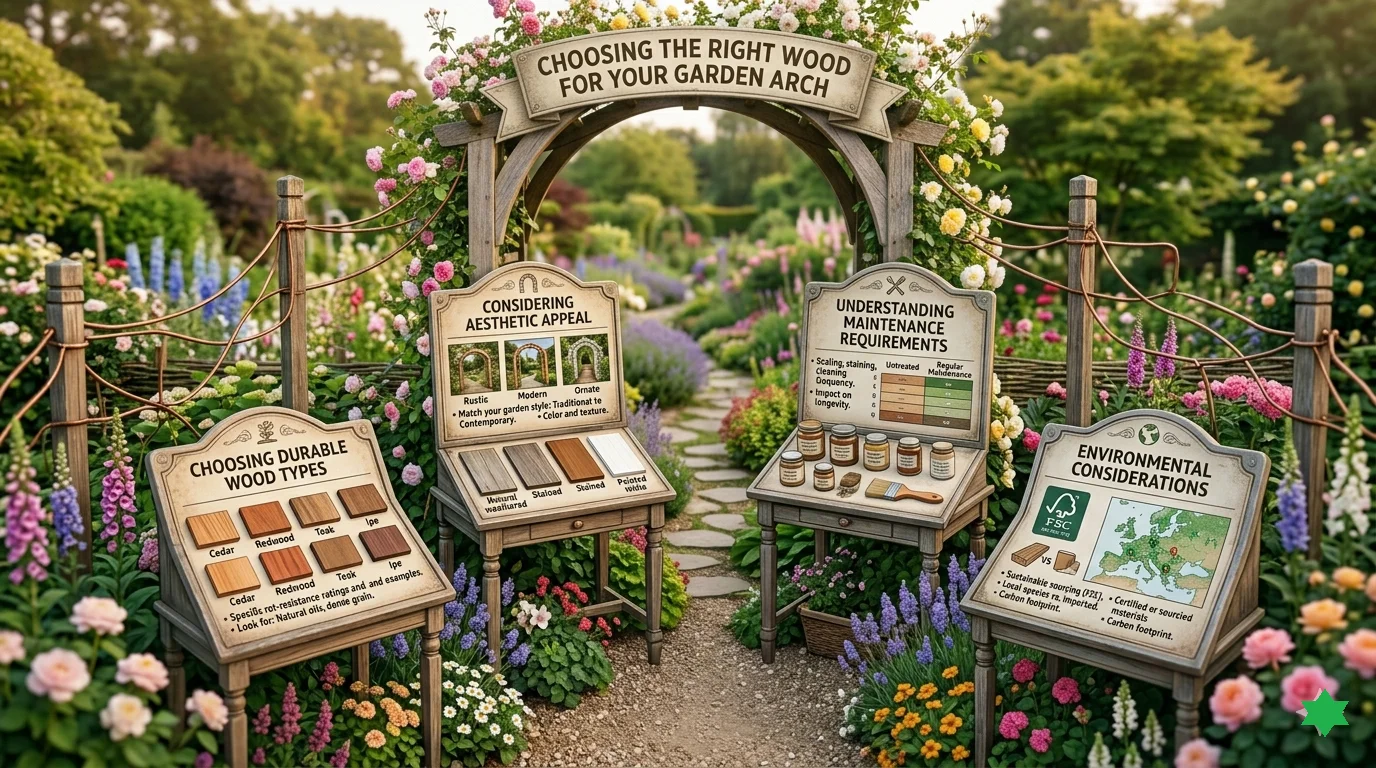
Building a stunning wooden garden arch can transform your outdoor space, creating a beautiful entrance to your garden or a cozy nook in which to relax. However, one of the most crucial considerations when constructing an archway is the type of wood you choose. Different woods offer various benefits and aesthetics, so it’s essential to select the right material that fits your needs and environment.
Choosing Durable Wood Types
When it comes to building a wooden garden archway, durability is key. You want wood that can withstand outdoor conditions, like moisture, pests, and changing temperatures. Here are some popular options:
- Cedar: Known for its natural resistance to decay and insects, cedar is a fantastic option if you want longevity without harsh chemicals. Its beautiful grain also adds charm to your archway.
- Redwood: Similar to cedar, redwood is highly durable and resists warping and splintering. Its deep color and rich texture make it visually appealing, but it can be more expensive.
- Pressure-Treated Pine: This wood type is treated to resist rot and insects, making it budget-friendly yet long-lasting. Keep in mind that it should be left to off-gas the chemicals used in the treatment before painting or staining.
- Teak: Though a more expensive option, teak is incredibly resilient and has a beautiful finish. It’s resistant to water and pests, making it ideal for various climates.
Considering Aesthetic Appeal
Aside from durability, you’ll also want your archway to enhance the beauty of your garden. Consider these aspects:
- Color: Dark woods like mahogany can impart an air of elegance, while light-colored woods can create a more airy, rustic feel.
- Grain Patterns: Different woods have unique grains that can impact the overall look. Random and more intricate patterns may add visual interest.
- Finish: Whether you choose to stain, paint, or leave the wood untreated can change the aesthetic dramatically. A natural finish can highlight the wood’s qualities, while a painted option may lend itself to a more whimsical garden design.
Understanding Maintenance Requirements
Maintenance is another critical factor in choosing the right wood for your garden arch. Different types of wood have varying needs when it comes to upkeep. Here’s a brief overview:
| Wood Type | Maintenance | Longevity |
|---|---|---|
| Cedar | Minimal, occasional staining recommended | 15-30 years |
| Redwood | Regular staining may be needed to prevent fading | 25-50 years |
| Pressure-Treated Pine | Requires sealing and staining every few years | 10-25 years |
| Teak | Rare maintenance; occasional oiling for aesthetic purposes | 50+ years |
Environmental Considerations
Before choosing wood, think about where it comes from. Sustainable options can reduce environmental impact. Look for woods certified by organizations such as the Forest Stewardship Council (FSC), which ensures responsible forestry practices. Local sourcing is also beneficial. Using regional woods not only reduces carbon footprints, but it may also result in lower costs and a more unique piece that reflects your local environment.
Design Ideas to Personalize Your Wooden Archway
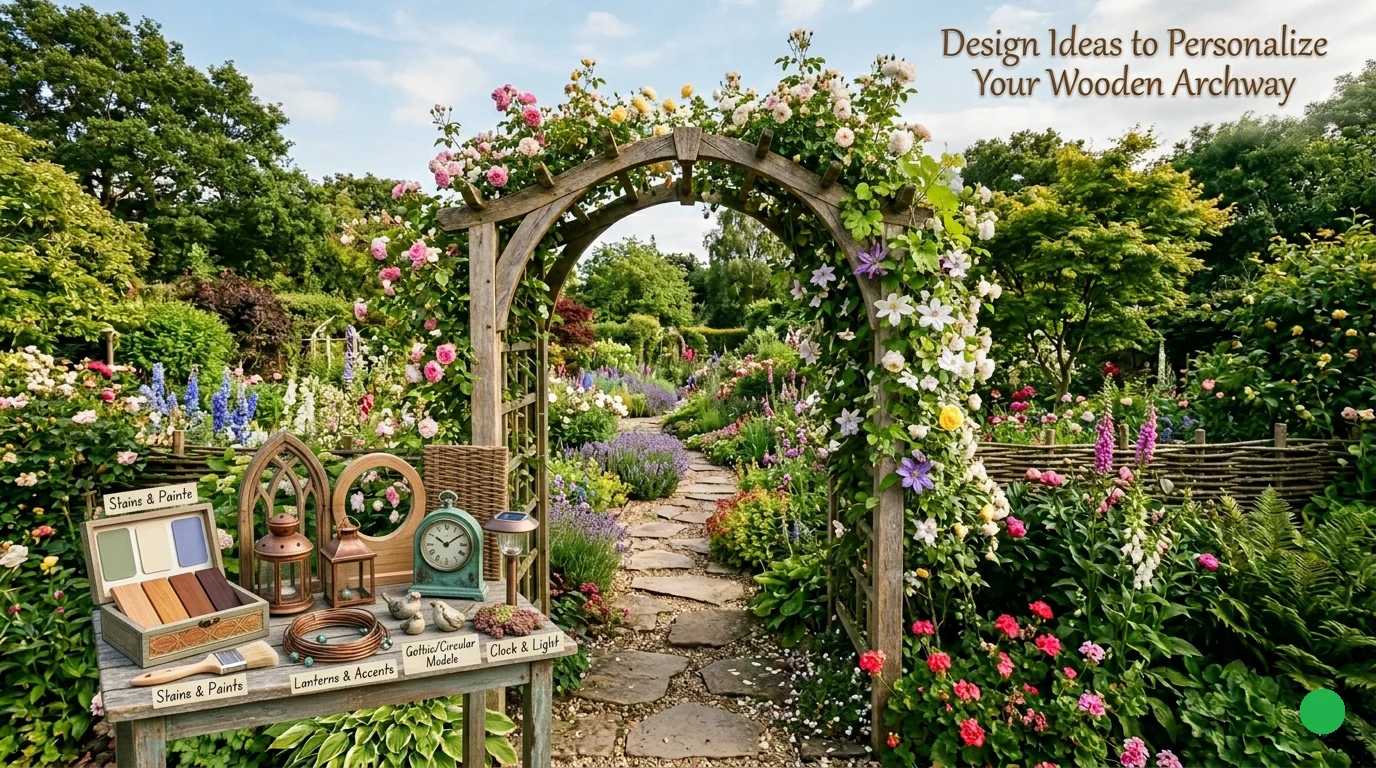
Personalizing your wooden archway can turn a simple structure into a stunning focal point in your garden or yard. Integrating unique design ideas will not only enhance the beauty but also reflect your personality and style. Here are several creative ways to make your wooden archway truly your own.
Incorporate Climbing Plants
One of the most popular ways to personalize a wooden archway is by introducing climbing plants. Vines and flowers can add color and life. Consider these options:
- Wisteria: Known for its beautiful cascading flowers and fragrance.
- Clematis: Offers a variety of colors and blooms throughout the summer.
- Roses: Climbing roses can add a romantic touch.
Ensure you choose the plants that will thrive in your garden’s climate to keep maintenance low and enjoyment high.
Use Paint or Stain
Adding a splash of color can dramatically change the visual appeal of your wooden archway. Here are some ideas:
- Bright Colors: Consider bright hues like turquoise or sunny yellow to create a cheerful atmosphere.
- Natural Stain: Enhance the wood grain with a natural stain that complements your backyard decor.
- Patterns: Get creative by painting stripes or polka dots for a whimsical touch.
Add Decorative Elements
Bringing in decorative pieces will make your archway stand out. You can consider:
- Lighting: String lights or lanterns can add a magical glow during the evening.
- Hanging Planters: Attach planters on each side for a pop of greenery.
- Signage: Personalize with a custom sign displaying your family name or a meaningful quote.
Integrate Functional Features
Personalization isn’t just about aesthetics; functionality can also enhance your wooden archway. Think about:
- Seating: Add a quaint bench underneath the archway for a cozy gathering spot.
- Garden Gate: Include a gate to provide access while maintaining an elegant entrance.
- Artwork: Hang whimsical garden art or birdhouses for a playful vibe.
Choose an Archway Style
Your wooden archway can be styled to complement your existing garden theme. Consider the following styles:
| Style | Description | Best Suited For |
|---|---|---|
| Classic | Timeless and elegant, often with rounded tops. | Traditional gardens or formal landscapes. |
| Rustic | Features rough-hewn wood for a natural look. | Cottage gardens or natural landscapes. |
| Modern | Minimalist design with clean lines and geometric shapes. | Contemporary settings or urban gardens. |
Incorporate Color and Texture
Texture can add depth and character to your archway. Think about using:
- Different Wood Types: Incorporate cedar, pine, or redwood for varying appearances.
- Blending Materials: Combine wood with metal or wrought iron accents for a modern twist.
- Textured Fabrics: Hang fabric swags to introduce softness and movement.
By integrating these personalized design ideas, you will create a wooden archway that complements your garden and reflects your unique style. Whether it’s by adding climbing plants, incorporating colors, or envisioning functional features, the possibilities are endless. For more inspiration, explore resources like Garden Design and Wood Magazine. With creativity and a bit of effort, your wooden archway can become a striking and personalized entry point to your garden sanctuary.
Maintenance Tips for a Long-Lasting Garden Arch
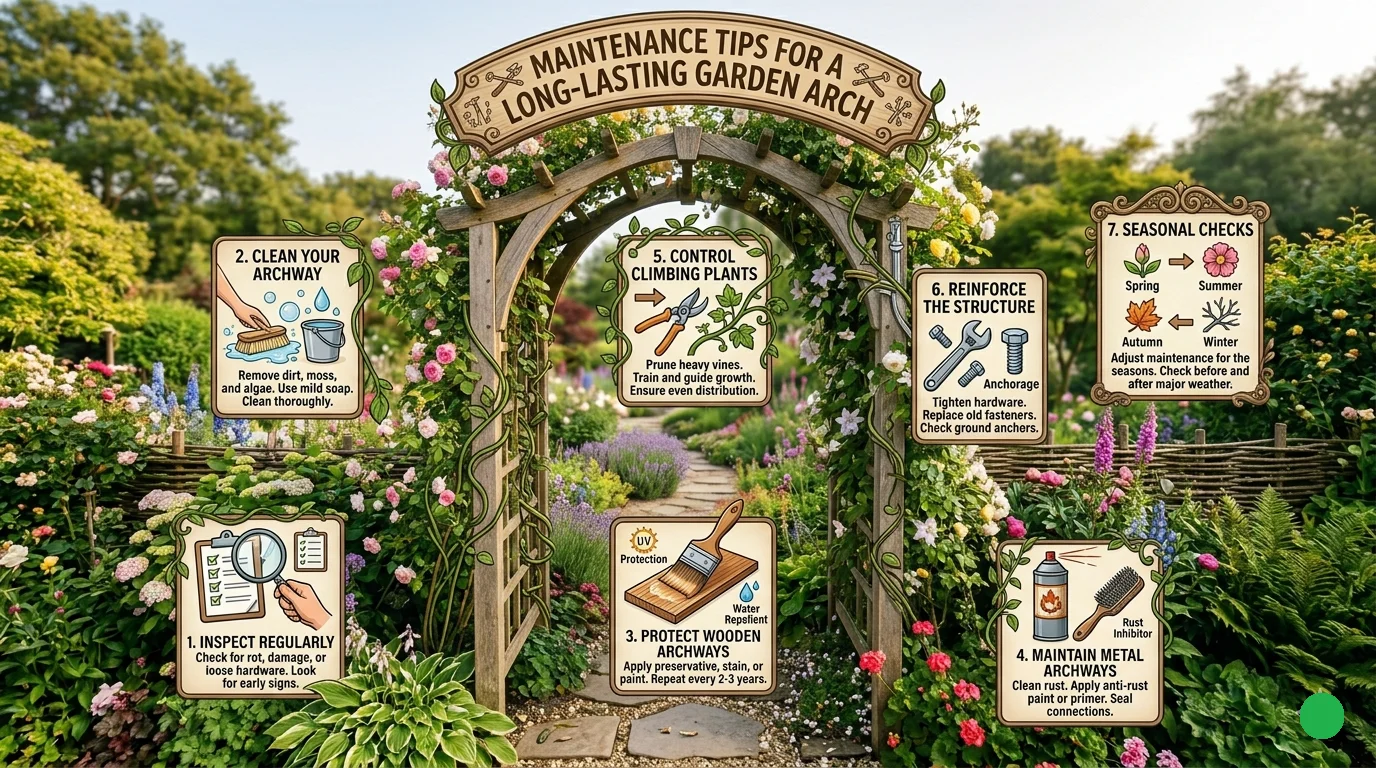
If you want your garden arch to look stunning for years to come, regular maintenance is key. Garden archways not only enhance the aesthetics of your outdoor space but also serve as a structural element for climbing plants. To keep it in great shape, follow these tips to ensure its longevity and beauty.
Inspect Regularly
Regular inspections can help unveil potential issues before they escalate. Check your archway at least twice a year, ideally in spring and autumn. Look for:
- Rust on metal parts
- Wood rot or insect damage on wooden archways
- Loose joints or connections
- Signs of decomposition if painted or treated
If any issues are found, address them immediately to prevent further damage.
Clean Your Archway
Over time, dirt, mildew, and organic debris can accumulate on your garden arch. Keep it clean by using a mild detergent mixed with water and a soft brush or cloth. Here’s how to do it:
- Mix a solution of warm water and gentle detergent.
- Scrub the archway gently with the soft brush or cloth.
- Rinse off with clean water to remove any soap residue.
- Let it dry completely.
Protect Wooden Archways
Wooden garden archways benefit from regular treatment to avoid rot. Follow these steps for effective protection:
- Apply a wood preservative annually to resist rot and insects.
- Stain or paint your archway every few years to provide an additional barrier to the elements.
- Use products specifically designed for outdoor wood.
Consider checking out the offerings at Wood Magazine for tips on the best finishes to use.
Maintain Metal Archways
If your archway is made of metal, it’s essential to protect it from rust. Here’s how to maintain it:
- Inspect for rust spots and treat them promptly with a wire brush and rust-inhibiting primer.
- Repaint with exterior-grade rust-resistant paint as necessary.
- Ensure that no moisture stays trapped between overlapping sections.
For complete guidance on maintaining metal garden structures, visit Gardeners World.
Control Climbing Plants
Climbing plants can be a centerpiece of your garden arch, but they require careful management. Follow these guidelines:
| Action | Frequency |
|---|---|
| Prune overgrown branches | Annually |
| Inspect for pests | Monthly |
| Water plants adequately | As needed based on climate |
Well-maintained climbing plants enhance the visual appeal and help distribute weight evenly across your arch, preventing structural failure.
Reinforce the Structure
If your archway shows signs of sagging or wobbling, consider reinforcing it to ensure it withstands the elements. You can:
- Add support braces to the base for added strength.
- Ensure it’s anchored securely into the ground.
- Upgrade any weak points with sturdier materials when possible.
By maintaining the integrity of your structure, you can enjoy your archway for many seasons to come.
Seasonal Checks
Conduct seasonal checks to keep everything in order. Here’s a simple checklist:
- Clean the archway.
- Check and secure any connections.
- Inspect and treat for pests and diseases on climbing plants.
- Evaluate the overall condition and make repairs as necessary.
This proactive approach will ensure that your garden archway remains a beautiful focal point for years ahead. For more detailed information on maintaining garden structures, visit Lee Valley.
Creative Ways to Enhance Your Garden with an Archway
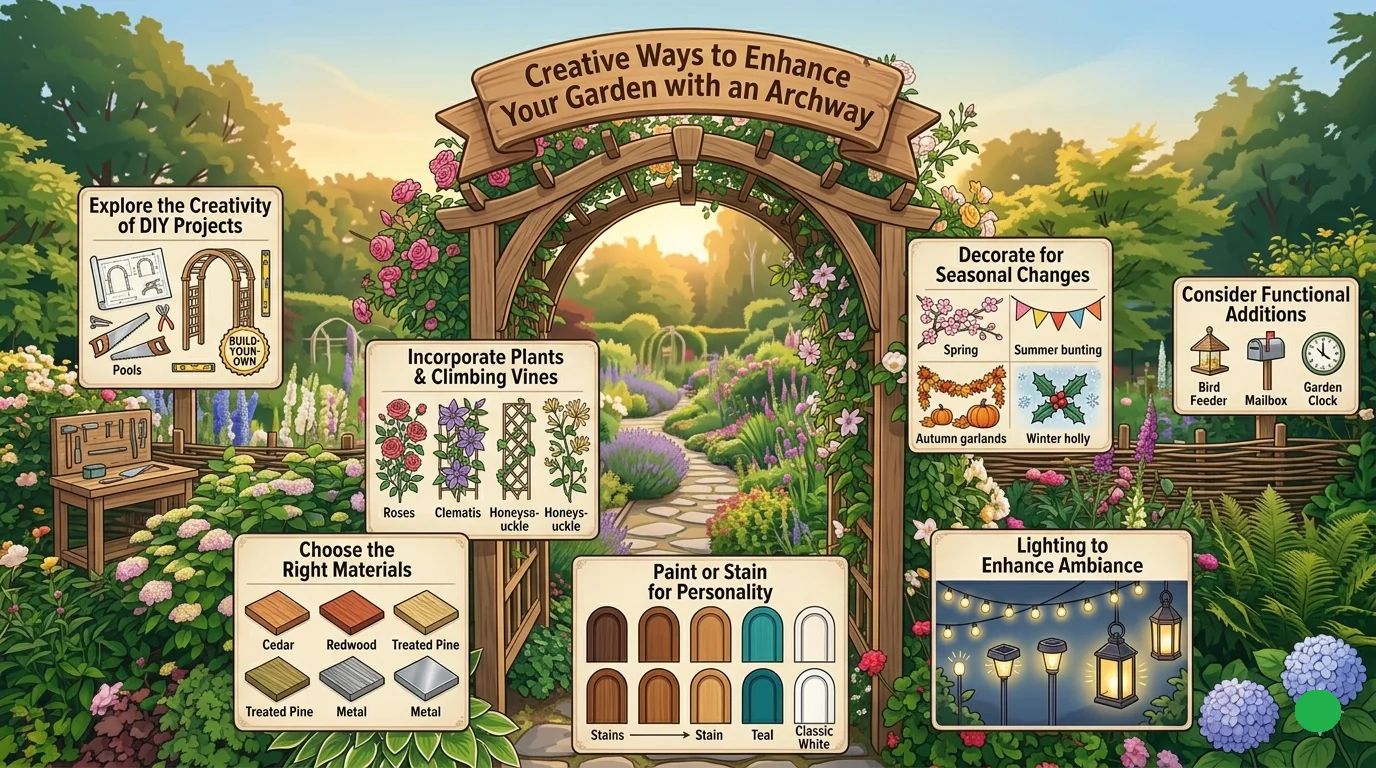
Creating an inviting and beautiful garden often involves incorporating unique structures that add both charm and functionality. One such structure is an archway, which serves as an eye-catching focal point while guiding visitors from one area to another. Whether you want to create an entrance to a garden or simply enhance your overall landscape design, an archway can be a perfect addition. Here are some creative ways to enhance your garden with a stunning garden archway.
Choose the Right Materials
The first step in enhancing your garden with an archway is selecting suitable materials. Consider these popular options:
- Wood: A classic choice that blends well with natural surroundings. Wooden archways can be painted or stained in various colors to match your garden aesthetic.
- Metal: Provides a more modern look. Metal archways can be simple or intricately designed, adding elegance and strength.
- Vinyl: A low-maintenance alternative, vinyl archways come in many styles and colors, perfect for those who want durability without the upkeep.
Incorporate Plants and Climbing Vines
An archway can truly come to life when adorned with plants and climbing vines. Here are some popular climbing plants to consider:
- Roses: Known for their beauty and fragrance, climbing roses add a romantic touch to an archway.
- Wisteria: With cascading blooms, wisteria creates a stunning visual effect as it drapes over the archway.
- Clematis: These hardy perennials offer a wide variety of colors and shapes, making them perfect for adding interest to an archway.
When planning your garden archway, choose one or two plants to create a cohesive, themed look. You can even mix and match different plants for a more diverse appearance.
Paint or Stain for Personality
Adding color to your archway can elevate its presence in your garden. Here are some tips for painting or staining:
- Choose colors that complement your garden: Opt for hues that either contrast or harmonize with your flowers, pathways, and surrounding greenery.
- Use weather-resistant paint: To ensure a long-lasting finish, select paint or stain designed for outdoor use.
- Add patterns: Think about stenciling or creating a distressed look for added visual interest.
Lighting to Enhance Ambiance
Landscape lighting can create a magical atmosphere in your garden, especially at night. Here are some lighting ideas for your archway:
- String lights: Draping string lights across your archway can add a whimsical touch.
- Spotlights: Use spotlights to illuminate the archway and highlight its design.
- Solar-powered lanterns: These eco-friendly options provide soft lighting and enhance the natural beauty of the garden.
Decorate for Seasonal Changes
Use your archway to celebrate seasonal changes in your garden. Here are a few ways to switch up your decor throughout the year:
- Spring: Hang pastel-colored decorations or flower baskets to welcome the season.
- Summer: Consider bright, vibrant blooms or festive banners to enhance the fun summer vibe.
- Fall: Incorporate seasonal elements like pumpkins, gourds, or autumn leaves.
- Winter: Use evergreen garlands and twinkling lights to provide warmth and cheer during cold months.
Consider Functional Additions
Archways can provide more than just a decorative element; they can also serve a functional purpose in your garden. Consider the following:
- Seating Areas: Create a cozy nook by placing a bench under the archway.
- Pathway Indicators: Position your archway to guide visitors along a specific walkway or to a focal point.
- Entryway Delineators: Use an archway to mark the entry or exit of your garden, making it feel more welcoming.
Explore the Creativity of DIY Projects
If you’re feeling crafty, try building your own garden archway. There are many DIY tutorials available that can guide you through the process. Websites such as Better Homes & Gardens and Instructables have great resources to assist you in creating a custom garden archway that suits your style and needs.
An archway into your garden offers endless opportunities for creativity. Whether you opt for a simple wooden structure, lush climbing plants, or vibrant seasonal decorations, you’re sure to enhance your outdoor space beautifully. Enjoy the process of adding this enchanting element to your garden, and watch as it transforms into a captivating landscape full of charm and character.
Conclusion
Building a wooden garden archway can transform your outdoor space, adding both beauty and functionality. By following the outlined step-by-step guide, you can create a stunning focal point that’s perfectly suited for your garden. Selecting the right type of wood is crucial for durability and aesthetics. Using materials such as cedar or redwood ensures that your archway stands strong against the elements while also looking great.
Personalization options are plentiful, allowing you to incorporate unique design ideas that reflect your style. Whether you choose to paint, stain, or embellish your archway with climbing plants, these touches will create a distinct character in your garden. To ensure your wooden arch lasts for years, implementing proper maintenance tips is essential. Regular inspections for wear and tear, along with occasional treatments, will keep your structure looking fresh and secure.
Moreover, enhancing your garden with an archway extends beyond its physical form. Consider integrating decorative elements like fairy lights, hanging planters, or vines to create a welcoming atmosphere. The versatility of a garden archway ensures that it can serve as a passageway, a support for your favorite flowers, or even a charming backdrop for outdoor gatherings.
As you embark on this rewarding project, remember that the journey of building and customizing your wooden garden archway is where the magic happens. Enjoy the process and watch your garden bloom with personality and style. With a little creativity and effort, your garden arch will not only be a structural element but a centerpiece of joy and beauty in your outdoor sanctuary.