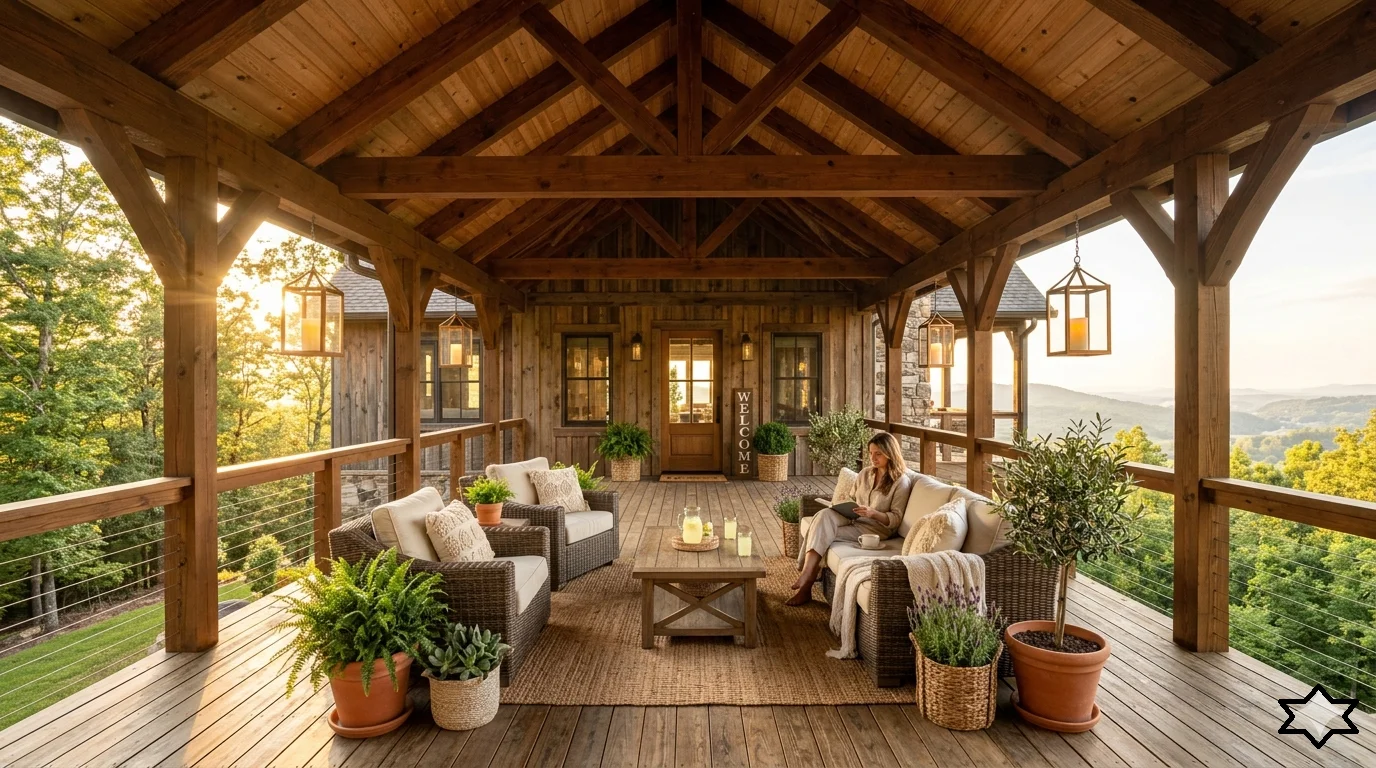
Building a wooden covered porch roof can transform your outdoor space into a cozy extension of your home. This project is not only functional but also enhances the aesthetic appeal of your property. With the right tools and a step-by-step approach, you can create a beautiful shelter that lasts for years. Whether you are a seasoned DIY enthusiast or a beginner, this guide will help you understand How to Build Wooden Covered Porch Roof.
Gather Your Materials and Tools
Before you start the construction, ensure you have all the necessary materials and tools on hand. Here is a list to get you started:
- Pressure-treated lumber (2x4s, 2x6s, and 4x4s)
- Plywood sheets (for the roof deck)
- Roofing material (shingles, metal, or tiles)
- Hammer and nails or screws
- Saw (circular or hand saw)
- Drill
- Tape measure
- Level
- Safety gear (gloves, goggles)
Planning Your Porch Roof Design
Start by measuring the area where you want to build the covered porch roof. A solid plan is crucial. Consider the roof pitch, the height, and how it will attach to your home. Here’s a simple method:
- Determine the dimensions of your porch.
- Decide on the type of roof (flat, gabled, or sloped).
- Sketch the design with measurements.
Preparing the Site
Clear the area where you plan to build the porch roof. Remove any obstacles such as plants or furniture. You’ll want a clean workspace. Next, lay out the foundation by marking where the posts will go. Ensuring the ground is level is key for your structure’s stability.
Building the Frame
Start with the main support beams. Install vertical posts that will serve as the structure’s backbone. Space them appropriately based on your design—usually around 6 to 8 feet apart. Here’s how you can do it:
- Dig holes for the posts at least 2 feet deep.
- Place concrete in the holes to secure the posts.
- Once the concrete sets, attach horizontal beams at the top of the posts.
Installing the Roof Joists
Next, you’ll want to install the roof joists. These joists provide the support for the roof itself:
- Cut the joists to size, ensuring they extend past the edge of the porch for eaves.
- Attach them to the top beam using a level to ensure they are straight.
- Secure each joist with nails or screws, making sure they are adequately spaced.
Adding the Roof Deck
Once the joists are in place, you can add the roof decking. This serves as a base for your roofing material:
- Lay the plywood sheets over the joists.
- Trim the edges so they fit snugly against the structure.
- Secure the sheets with screws or nails, ensuring they are flush with each other.
Installing the Roofing Material
Choose your roofing material based on your preferences, whether shingles, metal, or tiles. Follow the manufacturer’s directions carefully. Start from one edge and work your way across the roof:
- Lay out the first row of roofing material.
- Overlap the subsequent rows for optimal protection against leaks.
- Install flashing where necessary to prevent water intrusion.
Essential Tools and Materials Needed for your Porch Roof Project
When you’re planning to build a wooden covered porch roof, having the right tools and materials is essential for a successful project. It ensures not only your safety but also the quality of your work. Let’s dive into what you will need to get started.
Essential Tools
Having the right tools makes any project easier. Here’s a list of the key tools you will need:
- Measuring Tape: Accurate measurements are crucial. You’ll need a reliable measuring tape to take dimensions of your porch space.
- Level: A level helps ensure that your roof is even, which is vital for both appearance and function.
- Framing Hammer: Use a framing hammer to drive nails securely. It’s a must-have for constructing the frame of your porch roof.
- Saw: Depending on your preferences, you can use a miter saw or a circular saw to cut your wood pieces to size.
- Drill: A power drill is necessary for creating holes and driving screws. You may want to have different drill bits on hand.
- Safety Gear: Always wear safety glasses and a hard hat when working. Using work gloves is also advisable to protect your hands.
Wood and Materials
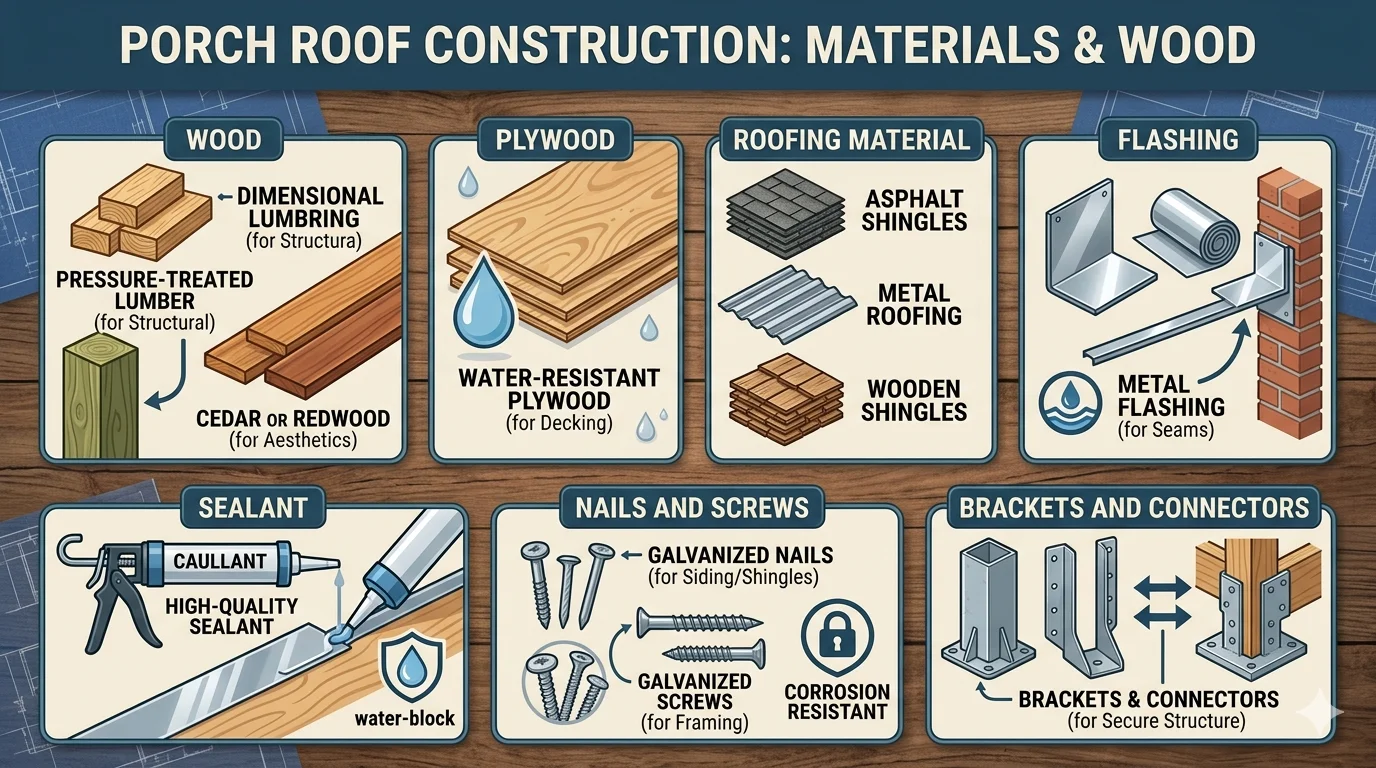
The materials will greatly influence the durability and appearance of your porch roof. Here’s what to gather:
- Wood: The type of wood will depend on your design choice. Pressure-treated lumber is common for structural elements, while cedar or redwood may be used for aesthetics.
- Plywood: Plywood sheets are essential for the roof decking. Choose water-resistant types to help prevent rot.
- Roofing Material: Consider your roofing finish. Asphalt shingles, metal roofing, or wooden shingles are popular options. Each has its own installation requirements.
- Flashing: Metal flashing is necessary to protect areas where the roof meets vertical surfaces. It helps to keep water from seeping underneath.
- Sealant: A high-quality sealant will protect joints and seams from moisture damage.
- Nails and Screws: Use galvanized nails or screws to avoid corrosion. This is particularly crucial for outdoor projects.
- Brackets and Connectors: These are essential for securely attaching the roof structure to your existing porch.
Organization and Planning
Before diving into construction, it’s wise to plan your project. Create a detailed list of materials and their quantities. This will help you avoid multiple trips to the hardware store. You should have everything on hand to keep your workflow smooth.
Where to Purchase
| Supplier | Website | Products Offered |
|---|---|---|
| Home Depot | homedepot.com | Tools, lumber, roofing materials |
| Lowes | lowes.com | Building supplies, tools |
| Menards | menards.com | Lumber, roofing supplies |
By ensuring you have the right tools and materials, you can create a beautiful and functional wooden covered porch roof. Not only will this improve your outdoor living space, but it will also add value to your home. With careful planning and the right resources, you’re set for a rewarding construction experience!
Common Mistakes to Avoid When Constructing a Porch Roof
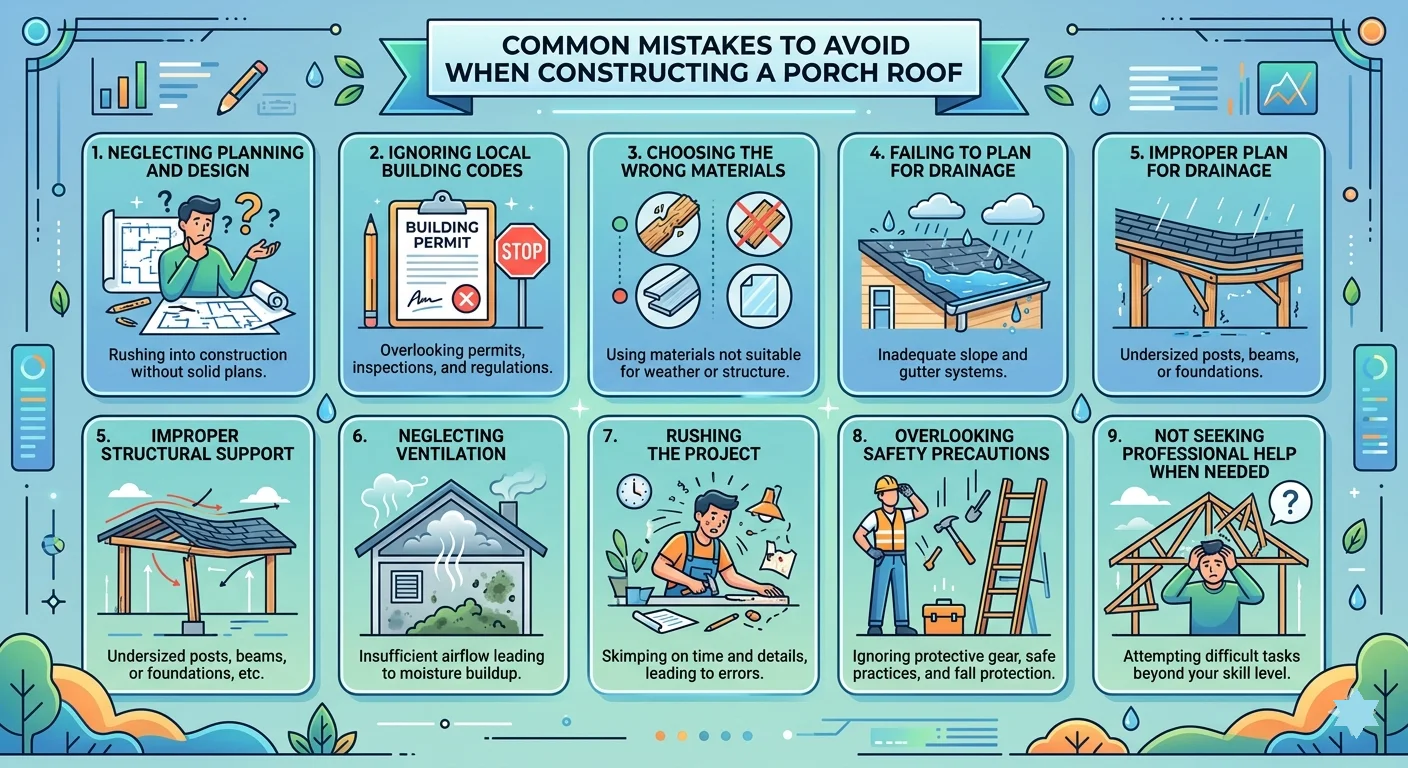
Building a porch roof can add significant charm and functionality to your home, but it’s important to avoid common mistakes that can lead to costly repairs or safety issues. Understanding these pitfalls ensures your project is successful and meets your expectations. Here are several critical mistakes to steer clear of during construction.
Neglecting Planning and Design
One of the biggest mistakes is skipping the planning phase. Before you start, take the time to design your porch roof. Consider factors like location, orientation, and style. Failing to plan can result in a roof that doesn’t blend with your home or provide adequate support.
Ignoring Local Building Codes
Every location has specific building codes and regulations pertaining to construction. Not taking these into account could lead to fines or, worse, the need to dismantle your work. Always check with your local building authority to ensure compliance. Here are some things to consider:
- Height restrictions
- Required permits
- Material specifications
Choosing the Wrong Materials
The materials you select for your porch roof play a crucial role in durability and aesthetics. Using low-quality materials can lead to deterioration and increased maintenance. While it might seem cost-effective initially, investing in the right materials pays off in the long run. Recommended materials include:
- Pressure-treated lumber for durability
- Corrosion-resistant metal hardware
- Quality roofing materials such as shingles or metal sheathing
Failing to Plan for Drainage
Proper drainage is essential for the longevity of your porch roof. Without adequate drainage, water can accumulate, leading to rot and structural damage. Ensure your design includes:
- A sufficient slope for water runoff
- Gutters and downspouts to channel water away from your home
Improper Structural Support
Too many builders overlook the importance of a strong frame. Make sure your roof has the necessary beams and trusses to support its weight, especially if you’re adding features like a ceiling fan or lights. Consider consulting a structural engineer if you’re unsure about the design.
Neglecting Ventilation
Good ventilation is key to preventing moisture buildup in your porch roof, which can lead to mold growth and rot. Ventilation systems allow airflow, keeping the area dry. Plan for vents in the roof and walls to promote air circulation.
Rushing the Project
It’s tempting to rush through construction, especially if you’re eager to enjoy your new porch. Taking shortcuts can lead to misaligned structures and poor finishes. Take your time to ensure every step is done correctly, from measurements to installation.
Overlooking Safety Precautions
Safety should always be your top priority. When constructing a roof, wear appropriate safety gear like helmets and harnesses. Ensure your work area is secure, and never work alone if you’re on a ladder or scaffolding. Additional safety tips include:
- Checking for overhead power lines
- Using the right tools for the job
- Tracking weather conditions before working
Not Seeking Professional Help When Needed
Some aspects of building a porch roof, such as electrical or structural work, might require professional expertise. Don’t hesitate to reach out for help when needed. Hiring a contractor can save you time and potential problems, ensuring the job is done right.
If you want more in-depth advice and guidance for your porch roof construction, consider checking out resources from Home Depot or Lowe’s. These sites provide detailed tutorials and customer service to help you navigate your project with ease.
By avoiding these common mistakes while constructing your porch roof, you can ensure a successful project that enhances your home and provides lasting enjoyment. Taking the time to properly plan, choose the right materials, and adhere to safety measures will lead to a well-built structure that meets both function and aesthetics.
Design Ideas for Aesthetic Wooden Porch Roofs
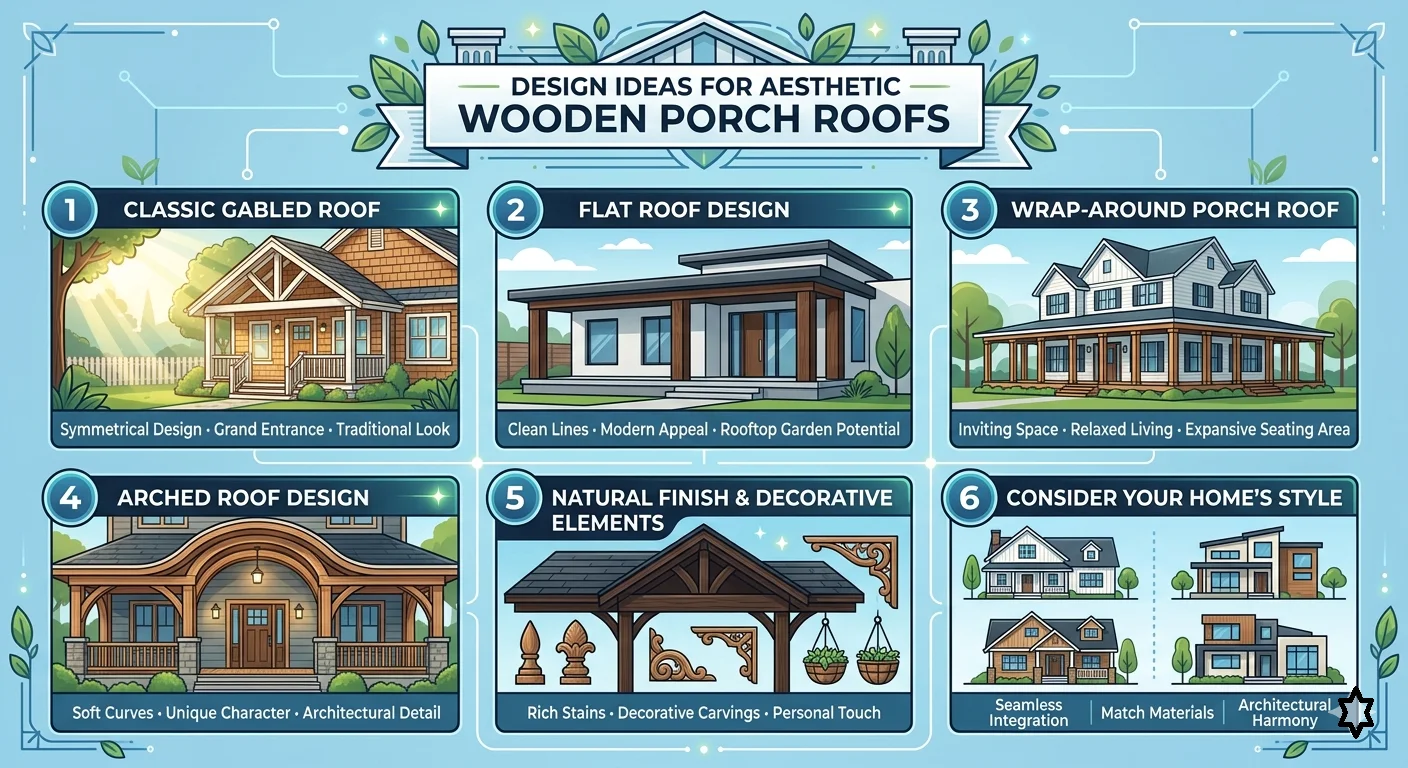
When considering a wooden porch roof, aesthetics play a vital role in enhancing your home’s overall look. The right design can elevate your outdoor space, blending functionality with beauty. Here are some design ideas to inspire you as you envision your perfect wooden porch roof.
Classic Gabled Roof
A gabled roof is a timeless choice that adds character and charm to your porch. This design features two sloping sides that meet at a peak, allowing for excellent rain drainage. Here are some key features:
- Visual Appeal: The sharp angles create a striking contrast to the straight lines of your home.
- Versatile Materials: You can use various wood types, such as cedar or pine, to suit your taste.
- Added Space: The shape allows for overhead storage or even decorative elements like hanging plants.
Flat Roof Design
If simplicity and modernism appeal to you, a flat roof design might be the best choice. It offers a sleek and understated aesthetic. Consider the following:
- Contemporary Look: Perfect for a minimalist approach, flat roofs work well with modern home designs.
- Easy Installation: This design typically requires fewer materials and labor.
- Expandable Living Space: You can place outdoor furniture or a skylight for extra light and ambiance.
Wrap-Around Porch Roof
For homeowners looking for a truly unique design, a wrap-around porch roof can enhance your home’s visual interest. This makes your porch feel larger and more inviting. Here are some design benefits:
- Enhances Outdoor Living: It creates a cozy atmosphere for gatherings and relaxation.
- Improves Airflow: The open design enhances ventilation, making it comfortable year-round.
- Customized Aesthetics: You can choose varied wood options and staining techniques for a personalized touch.
Arched Roof Design
Adding an arched roof can provide a distinct and elegant flair to your porch. This design is not common but offers a unique silhouette. Here’s what to consider:
- Elegant Lines: The curve adds a soft and inviting look to your home’s exterior.
- Enhanced Light: An arched roof can enable larger windows or glass panels that allow for natural light.
- Variety of Materials: Construct it in different woods or combine wood with metal for a striking effect.
Natural Finish with Decorative Elements
Sometimes, the best design comes from simplicity. A natural wood finish can provide warmth and harmony. By adding decorative elements, you bring personality to your porch roof. Here are a few ideas:
- Rustic Beams: Exposed beams look beautiful and add structural integrity.
- Carved Details: Consider intricate woodwork or carvings along the edges for a touch of sophistication.
- Lighting Fixtures: Adding pendant lighting or lanterns can enhance the ambiance during the evenings.
Consider Your Home’s Style
Ultimately, the design of your wooden porch roof should complement your home’s architecture. Here are some popular styles to consider:
| Style | Description | Best Wood Choices |
|---|---|---|
| Traditional | A classic design with sloping sides. | Cedar, Redwood |
| Modern | A flat design for a sleek appearance. | Pine, Douglas Fir |
| Farmhouse | Wrap-around roofs that are inviting. | Cedar, Oak |
| Craftsman | Intricate woodwork with arches. | Maple, Mahogany |
As you explore your options for a wooden covered porch roof, remember that your choice should harmonize with your home while reflecting your personal style. For more inspiration and tips, consider checking out resources such as Houzz and DIY Network. Whatever design you choose, a well-thought-out porch roof can transform your outdoor living space into a beautiful retreat you’ll enjoy for years to come.
Maintenance Tips for Keeping Your Wooden Porch Roof in Excellent Condition
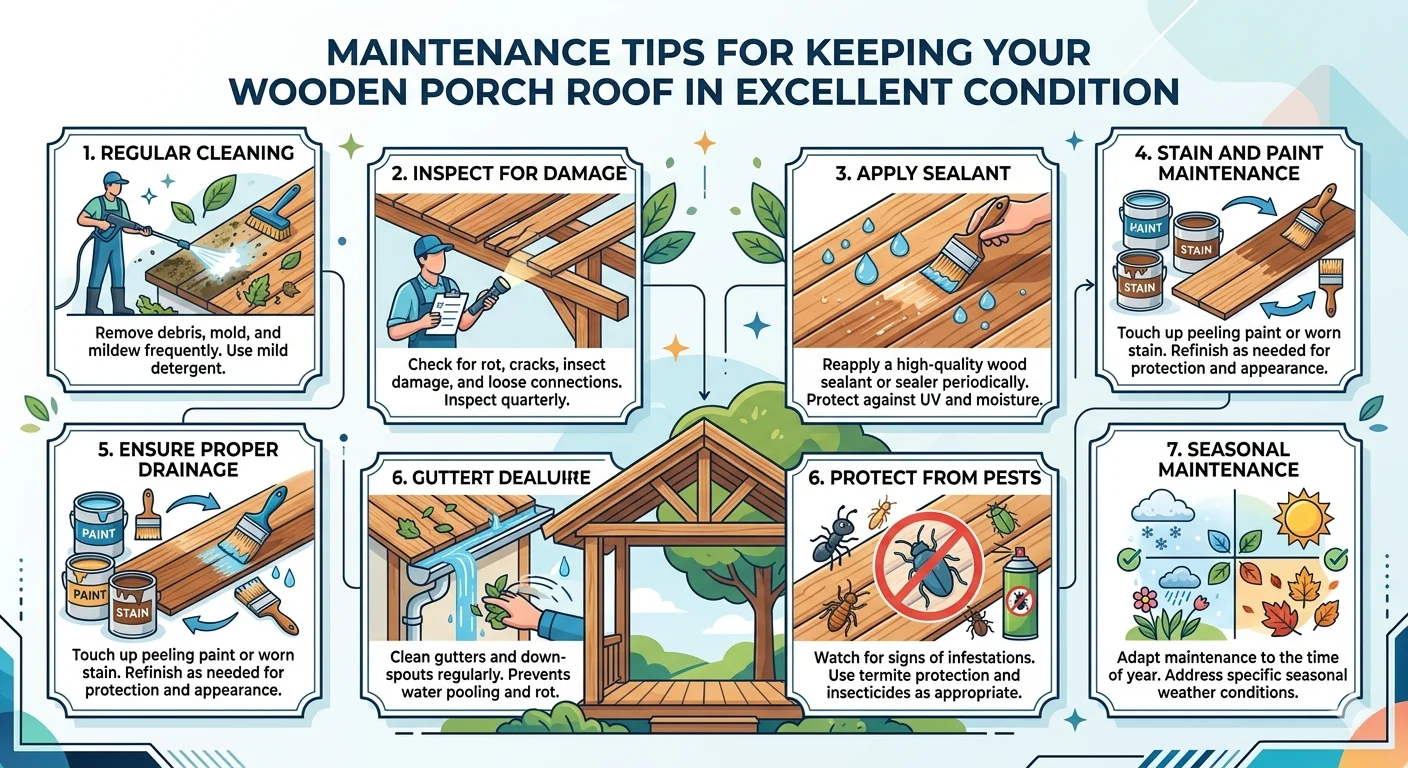
A wooden porch roof adds charm and character to your home, but maintaining it in excellent condition is crucial for its longevity and functionality. Regular maintenance ensures that your porch roof remains sturdy, weather-resistant, and visually appealing. Here are several key tips to help you keep your wooden porch roof looking its best.
Regular Cleaning
The first step in maintaining your wooden porch roof is a thorough cleaning. Debris such as leaves, dirt, and branches can accumulate, leading to water retention and potential rot. Follow these steps to clean your porch roof effectively:
- Use a broom to sweep off loose debris.
- For stubborn dirt, a mixture of mild soap and water can be used. Apply it with a sponge or soft cloth.
- Rinse with a hose to remove soap and any remaining grime.
Inspect for Damage
Regular inspections are vital in identifying any damage early. Look for signs of wear and tear, such as:
- Cracks or splinters in the wood.
- Loose or missing shingles, if applicable.
- Signs of water damage or rot.
If you notice any issues, address them quickly to prevent further damage. Minor repairs, such as filling in cracks or replacing damaged shingles, can be managed with straightforward tools and materials.
Apply Sealant
Applying a sealant is one of the best ways to protect your wooden porch roof from weather elements. A good sealant helps repel water and prevents wood rot. Here’s how to apply it:
- Choose a high-quality wood sealant designed for exterior use.
- Ensure the wood is clean and dry before application.
- Use a brush or roller to apply the sealant evenly across the surface.
- Allow it to dry thoroughly as per the manufacturer’s instructions.
Stain and Paint Maintenance
Staining and painting not only enhance the beauty of your wooden porch roof but also provide an additional layer of protection. Here’s how to properly maintain the paint or stain:
- Choose weather-resistant exterior paint or stain suitable for wood.
- Repaint or restain every 2-3 years, or as needed based on wear.
- If peeling or chipping occurs, sand the affected areas before repainting.
Ensure Proper Drainage
Proper drainage is essential to prevent water pooling on your porch roof, which can lead to rot and structural issues. Here are some tips to ensure adequate drainage:
- Keep gutters clean and free of debris to allow rainwater to flow freely.
- Consider installing downspouts that direct water away from the porch roof.
- Check for any slopes that may need adjustment to facilitate better water runoff.
Protect from Pests
Wooden structures are prone to pest infestations, including termites and carpenter ants. Protecting your porch roof from pests is essential for longevity. Follow these strategies:
- Inspect wooden areas regularly for signs of insect activity.
- Consider using pest control barriers, like treated wood or chemical treatments.
- Maintain proper ventilation to reduce moisture, making it less inviting for pests.
Seasonal Maintenance
Perform maintenance tasks seasonally to adapt to changing weather conditions. Here’s a general checklist for seasonal maintenance:
| Season | Maintenance Task |
|---|---|
| Spring | Clean roof, inspect for winter damage. |
| Summer | Apply sealant, trim overhanging branches. |
| Fall | Clear gutters, check for pest infestations. |
| Winter | Remove snow and ice buildup. |
By following these maintenance tips, you can ensure that your wooden porch roof remains in excellent condition for years to come. For more information on wooden maintenance and care, visit Wood Magazine and This Old House. Regular upkeep not only boosts the aesthetic appeal but also enhances safety and functionality, allowing you to enjoy your outdoor space without worry.
Conclusion
Building a wooden covered porch roof is a rewarding project that enhances your home’s aesthetics and provides a cozy outdoor space. By following the step-by-step guide, you set yourself up for success, ensuring that each phase of construction is thoughtfully executed. Equipping yourself with essential tools and materials will streamline the process and contribute to a sturdy and attractive roof.
As you embark on this journey, remember to be aware of common mistakes that can derail your progress. Taking the time to plan your design carefully can elevate the visual appeal of your porch, allowing it to reflect your personal style while harmonizing with the overall architecture of your home. Various design ideas are available, from rustic to modern looks, ensuring you find one that resonates with your vision.
Once your wooden porch roof is complete, maintenance is key to preserving its beauty and function. Regular inspections, proper cleaning, and timely repairs will keep the roof in excellent condition, allowing you to enjoy your outdoor space for years to come.
Ultimately, investing time and effort into building and maintaining your wooden covered porch roof pays off, creating a welcoming environment for family and friends to gather. With careful planning and attention to detail, you can create a space that not only enhances your home’s beauty but also enriches your outdoor living experience. So roll up your sleeves and get started on this exciting project. Happy building!