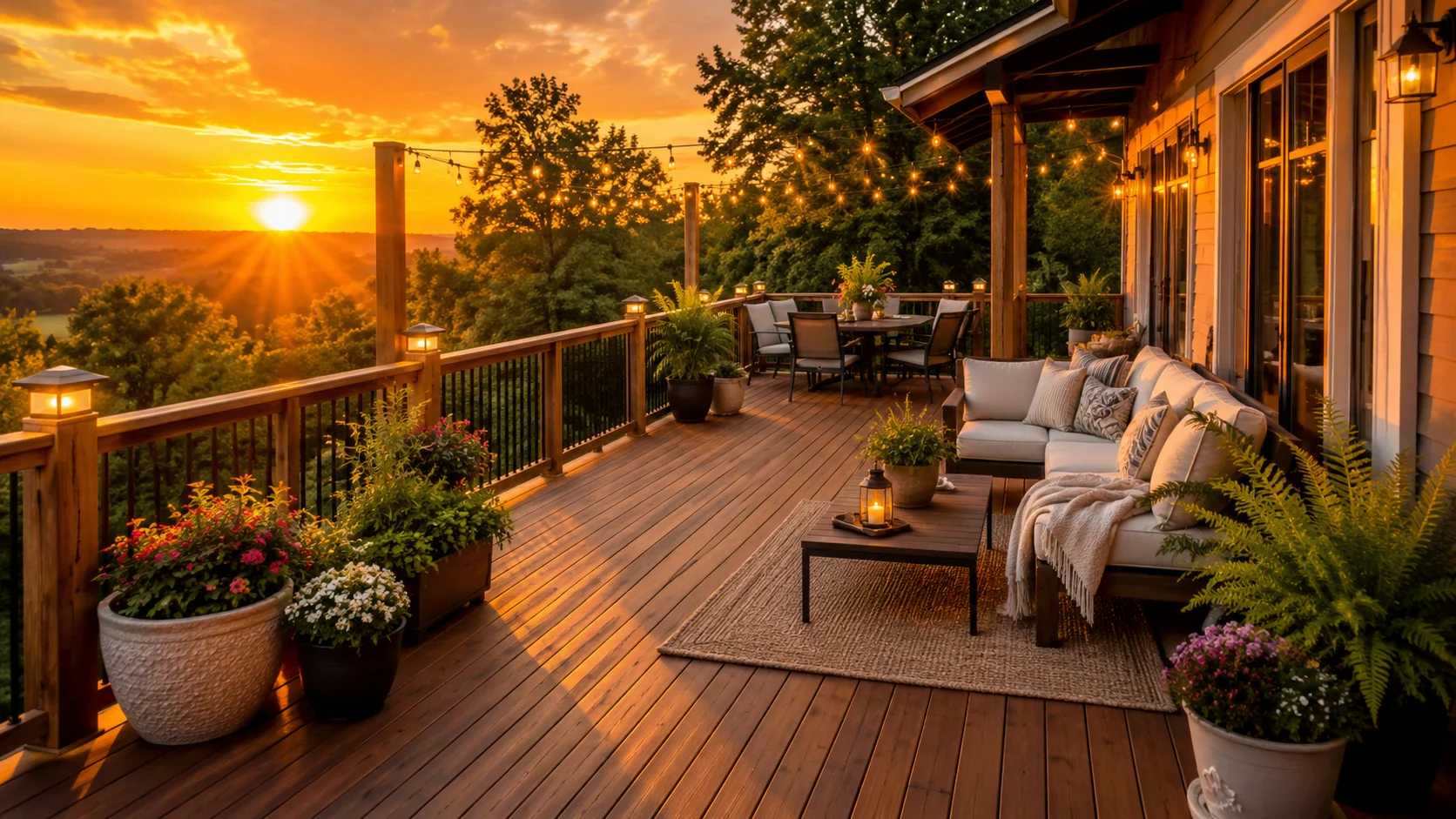
Building a wooden veranda deck can transform your outdoor space into a stunning retreat. Whether you’re looking for a place to relax, entertain friends, or enjoy the fresh air, a wooden deck adds beauty and functionality to your home. Here are the essential steps to build your own wooden veranda deck effectively.
Planning Your Wooden Veranda Deck
Start by deciding on the size and location of your veranda deck. Consider factors like sunlight, shade, and privacy. A well-thought-out plan will guide your construction process. Here are a few details to keep in mind:
- Dimensions: Measure the area where you want to build. Be sure to account for any local building regulations.
- Design: Think about the layout and any additional features such as railings, steps, and furniture.
- Materials: Choose quality wood that can withstand weather elements. Options include cedar, redwood, or pressure-treated wood.
Gathering Your Tools and Materials
Before you start the building process, gather all necessary tools and materials. Here’s a list to help you:
- Circular saw or miter saw
- Drill and drill bits
- Screwdriver
- Measuring tape
- Level
- Safety goggles and gloves
- Wooden beams, decking boards, screws, and nails
Preparing the Site
Once you have your design and materials, prepare the site for construction:
- Clear the area: Remove any debris, plants, or rocks from the site.
- Level the ground: Make sure the ground is as flat as possible. This will help your deck be stable.
- Mark the layout: Use stakes and string to outline your deck’s perimeter.
Building the Frame
The foundation is the backbone of your wooden veranda deck. Here’s how to go about building the frame:
- Install post anchors: Securement is crucial. Install post anchors in the ground.
- Cut beams: Use your saw to cut beams to the desired length.
- Attach the beams: Fix the beams to the anchors using screws. Ensure everything is level.
Laying the Deck Boards
It’s time to apply the decking boards. This step gives your wooden veranda deck its completed look and feel:
- Cut the boards: Measure and cut the boards according to your layout.
- Attach boards: Start from one end and work your way across, securing the boards with screws. Ensure a consistent gap between each board for drainage.
- Check for level: Regularly check that the boards are level as you go.
Finishing Touches
After your boards are laid, it’s time for the finishing touches that enhance both the safety and aesthetics of your wooden veranda deck:
- Railings: If your deck is elevated, consider adding railings for safety.
- Stain or seal: Apply a quality wood stain or sealant to protect against weathering.
- Install lighting: If desired, add outdoor lighting to create a warm atmosphere during evenings.
Maintaining Your Wooden Veranda Deck
To preserve the beauty and longevity of your wooden veranda deck, regular maintenance is essential:
- Clean the surface regularly to remove dirt and debris.
- Inspect for loose boards or screws and tighten them as necessary.
- Reseal or restain the wood every couple of years to protect it from moisture.
Choosing the Right Wood for Your Veranda Deck
When planning to build a wooden veranda deck, one of the most critical decisions is choosing the right wood. This choice will influence not only the deck’s appearance but also its durability, maintenance needs, and overall safety. Many factors will come into play, including climate, wood treatment options, and personal style preferences. Here, we’ll walk you through some essential considerations to help you select the ideal wood for your veranda deck.
Types of Wood for Your Veranda Deck
There are several types of wood suitable for deck building, each offering distinct advantages and features. Here are some of the most popular choices:
- Pressure-Treated Pine: This is a highly affordable option, widely available and treated to resist rot and insects. It’s an excellent choice for those on a budget, but it requires regular maintenance.
- Cedar: Known for its natural beauty and aromatic scent, cedar is naturally resistant to decay and insect damage. It’s lightweight, easy to work with, and can last for many years with proper care.
- Redwood: Similar to cedar, redwood offers a rich color and impressive durability. It’s great for warmer climates and can withstand various weather conditions if properly maintained.
- Ipe: This tropical hardwood is incredibly dense and durable, offering excellent resistance against the elements and pests. Ipe is an investment due to its high cost but will provide a beautiful and long-lasting deck.
- Treated Composite: While not wood in the traditional sense, composite decking is made from a combination of wood fibers and plastic. It is low maintenance and available in a variety of colors and textures.
Climate Considerations
Your local climate plays a significant role in determining which wood is best for your veranda deck. For example:
| Climate | Recommended Wood |
|---|---|
| Wet or Humid | Ipe or Composite |
| Dry and Arid | Cedar or Redwood |
| Cold and Snowy | Pressure-Treated Pine |
| Hot and Sunny | Ipe or Composite |
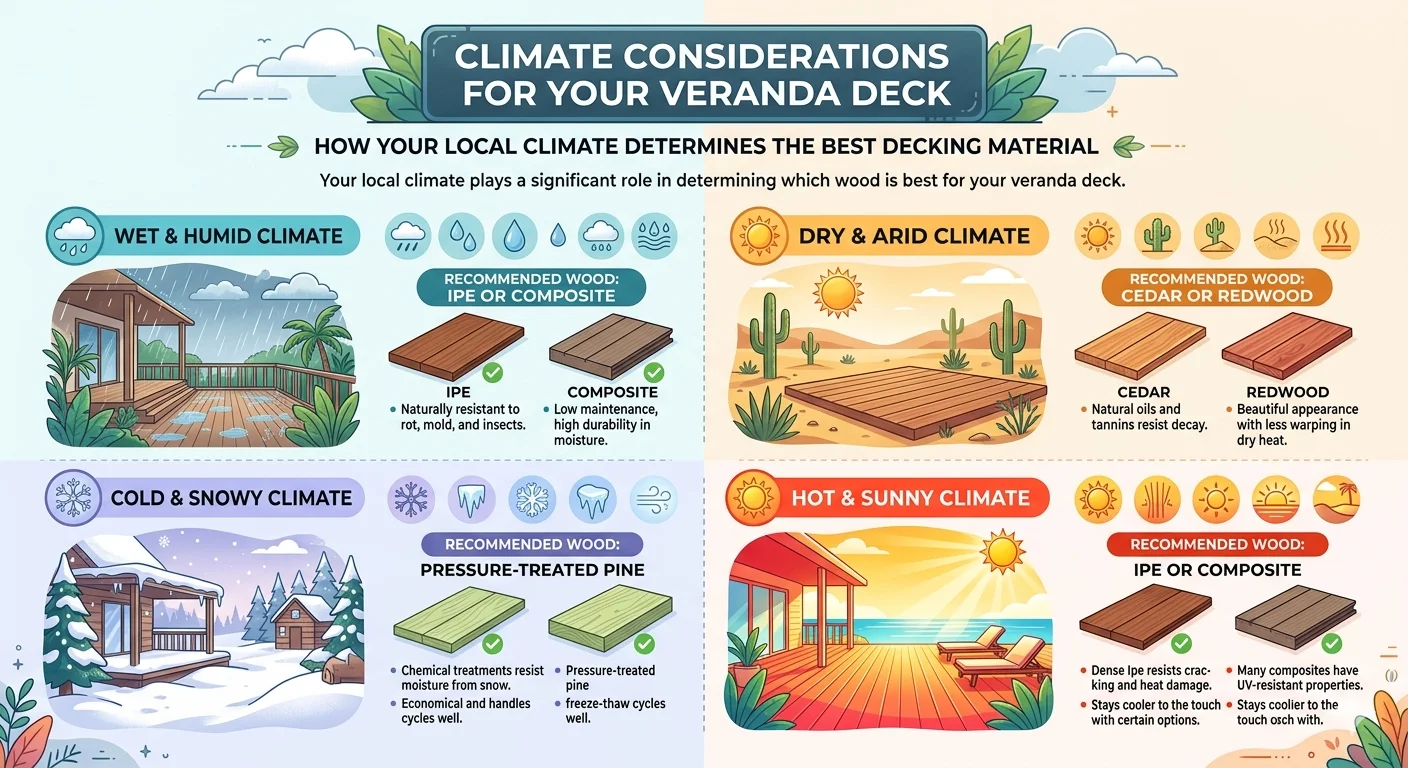
Understanding your climate can help you make a sound decision that ensures your veranda deck remains in excellent condition for years to come. If you live in an area with high humidity, consider a wood that is more resistant to moisture, such as Ipe.
Maintenance and Longevity
Different wood types require varying levels of maintenance. Here’s what to expect:
- Pressure-Treated Pine: Needs annual sealing and regular washing to prevent mold and rot.
- Cedar: Can last around 15-20 years with occasional sealing every few years.
- Redwood: Requires sealing every few years to maintain its color and prevent weathering.
- Ipe: Needs little maintenance once installed; however, periodic cleaning and oiling can help preserve its rich color.
- Treated Composite: Very low maintenance, requiring only a wash with soap and water occasionally.
Eco-Friendliness
If sustainability is a concern for you, opt for woods that are certified by organizations such as the Forest Stewardship Council (FSC). This ensures that the wood comes from responsibly managed forests. Composite materials are also a sustainable option, especially if they incorporate recycled materials. You can explore more about eco-friendly wood choices on FSC’s website.
Selecting the right wood for your veranda deck is a crucial decision that impacts its function, aesthetics, and lifespan. By assessing your budget, climate, maintenance needs, and environmental concerns, you can choose the best option for your project and enjoy a beautiful outdoor space for many years to come. For further insights on outdoor wooden structures, visit Deck Magazine and Houzz for expert guidance and inspiration.
Essential Tools and Materials for Building a Wooden Deck
Building a wooden deck can transform your outdoor space into a delightful area for relaxation and entertainment. However, before you start, you need to gather the right tools and materials. This guide will help you understand the essential items required for this DIY project, ensuring that you set yourself up for success.
Essential Tools for Building a Wooden Deck
The right tools make a significant difference in smoothness and efficiency while building. Here’s a list of must-have tools:
- Measuring Tape: A reliable measuring tape is crucial for accurate measurements and ensuring that your deck is evenly constructed.
- Level: To ensure your deck is perfectly flat, a spirit level is a necessary tool that ensures balance and symmetry.
- Square: A framing square helps you create perfect angles, essential for constructing corners in your deck.
- Circular Saw: A powerful circular saw is needed for cutting decking boards and beams to the desired length.
- Drill/Driver: An electric drill or driver is vital for making holes and driving in screws, which are essential for securing the deck.
- Post Hole Digger: If your deck requires footings or posts, a post hole digger will help you make clean, precise holes in the ground.
- Safety Gear: Don’t forget safety goggles, gloves, and ear protection to safeguard yourself while working.
Key Materials for Your Wooden Deck
- Decking Boards: The primary material for your deck, choose between composite or treated wood. For durability, consider high-quality options like western red cedar or pressure-treated timber.
- Joists and Beams: These structural elements support the decking boards. You will need to select dimensions that can support your deck’s size and weight. A common choice is 2×8 or 2×10 lumber.
- Decking Screws: Specially designed for outdoor use, these screws will hold your decking boards in place. Look for screws that are corrosion-resistant.
- Concrete Footings: If your deck requires posts, secure your structure by pouring concrete footings to support those posts.
- Railing Materials: Depending on your design, include railing materials. This can be built from wood, metal, or a combination of both.
- Sealant or Stain: A good sealant or stain protects your wooden deck from the elements and enhances its appearance.
Estimating Costs
| Material | Estimated Cost per Unit | Quantity Needed | Total Cost |
|---|---|---|---|
| Decking Boards | $2 – $5 per board | 20 | $40 – $100 |
| Joists and Beams | $5 – $10 each | 10 | $50 – $100 |
| Decking Screws | $10 per box | 2 | $20 |
| Concrete Footings | $4 each | 4 | $16 |
| Railing Materials | $15 – $30 per foot | 30 feet | $450 – $900 |
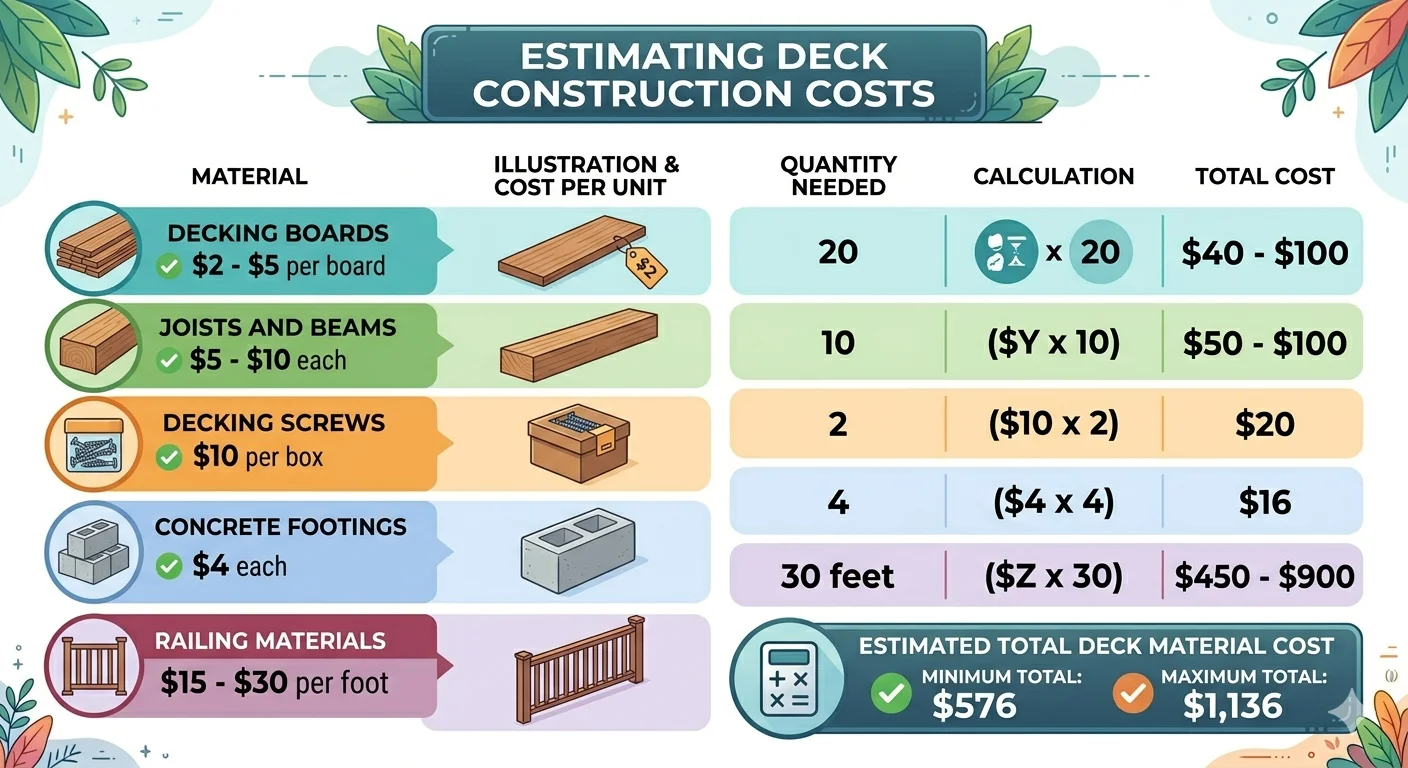
Based on this estimation, the total cost of materials can greatly vary from a few hundred to a thousand dollars. Therefore, it’s wise to create a budget and plan accordingly.
Getting Guidance and Assistance
If you need additional help in sourcing materials or learning more about the building process, several resources can assist you:
- Deck Plans – offers various deck designs and plans.
- Wood Magazine – provides detailed articles and how-tos on various woodworking projects.
- HomeAdvisor – connects you with pros and offers a wide range of resources for home improvement.
With the right tools and materials, you can confidently embark on your wooden deck construction project. Plan your budget well and ensure that safety is your priority throughout the building process. Enjoy creating a beautiful outdoor space for you and your family!
Maintenance Tips for Preserving Your Wooden Veranda Deck
Keeping your wooden veranda deck in good shape ensures its beauty and longevity. With the right maintenance tips, you can protect your investment and enjoy your outdoor space for years to come. Let’s explore some effective strategies for preserving your wooden veranda deck.
Regular Cleaning
Routine cleaning is one of the most important steps in maintaining your wooden veranda deck. Here are some essential tips:
- Use a broom to sweep away debris like leaves and dirt. This simple step can prevent mold and mildew buildup.
- Wash your deck with a mixture of water and gentle soap. Avoid harsh chemicals that can damage the wood’s finish.
- For stubborn stains, a deck cleaner specifically designed for wood can work wonders.
For more detailed guidelines on cleaning wooden decks, check out Wood Magazine.
Seal and Protect
Applying a sealant is crucial to safeguard your wooden veranda deck from the elements. Here’s how to do it effectively:
- Choose a high-quality wood preservative or sealant that provides UV protection and waterproofing.
- Make sure the deck is clean and dry before applying. This helps the sealant adhere better.
- Reapply the sealant every one to three years, depending on weather conditions and usage.
Inspect Regularly
Frequent inspections can help you spot potential issues before they become major problems. Follow these steps:
- Look for signs of rot or decay in the wood. If you find any soft spots, they may need replacing.
- Check for loose or protruding nails and screws. These can pose safety risks and may also damage your deck.
- Inspect for any boards that look warped or cracked. Addressing these promptly can prevent further damage.
Control Moisture
Moisture is a leading enemy of wooden decks. To minimize its impact:
- Ensure proper drainage around the deck to avoid water pooling.
- Consider installing a drainage system if your deck tends to get wet easily.
- Keep potted plants off the deck or use trays to catch excess water.
For more advice on managing moisture, visit Better Homes & Gardens.
Protect from Sun Damage
Just like moisture, sunlight can also harm your wooden deck. Here are ways to shield it:
- Consider adding an awning or umbrella to your veranda to provide shade.
- Use furniture covers when your deck is not in use to protect against UV rays.
- Choose UV-resistant wood finishes to help maintain your deck’s color and quality.
Seasonal Care
Your wooden veranda deck needs specific attention during different seasons:
| Season | Action |
|---|---|
| Spring | Inspect and clean after winter debris. |
| Summer | Apply UV protection and sealant. |
| Fall | Remove leaves and prepare for winter. |
| Winter | Clear snow and ice to prevent damage. |
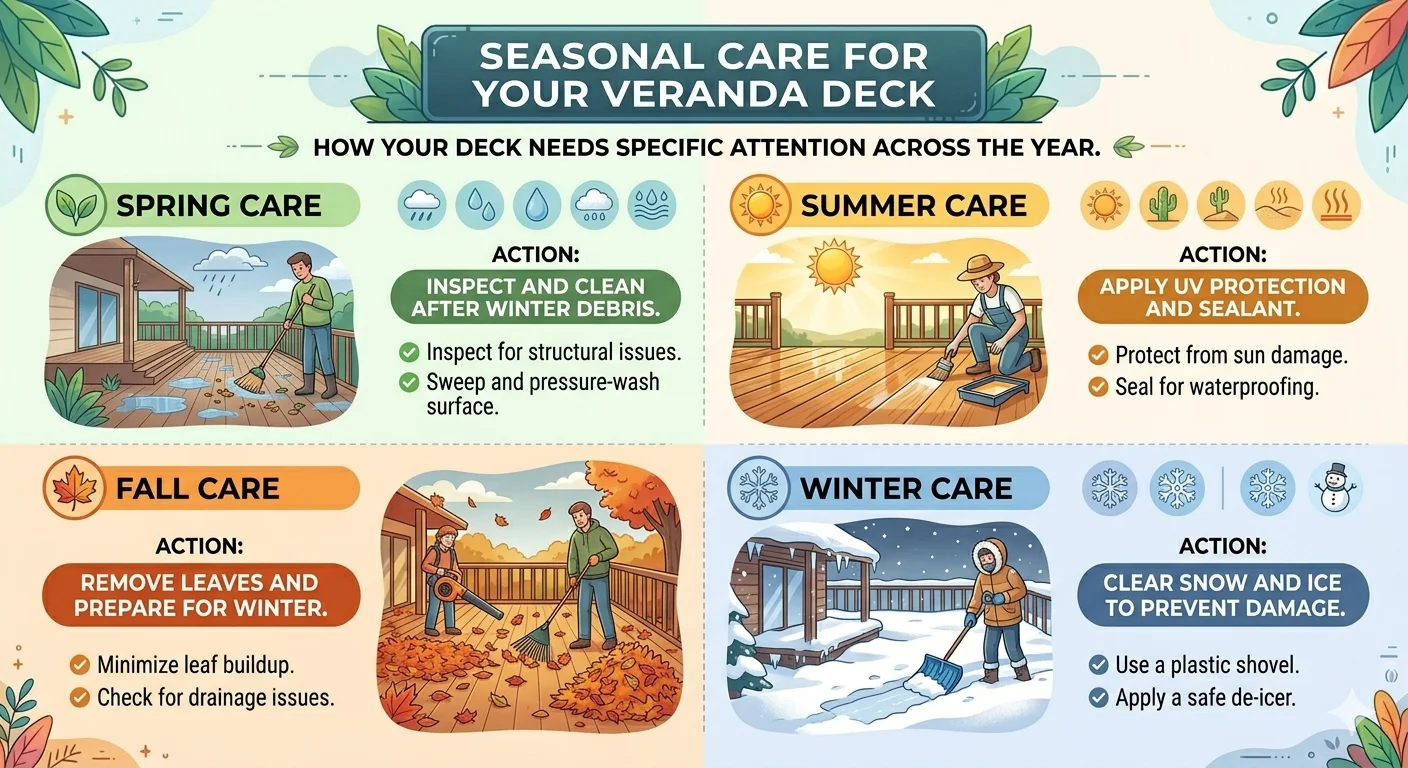
By following these maintenance tips, you can ensure that your wooden veranda deck remains a beautiful, functional space. Remember, a little effort today can result in lasting enjoyment tomorrow. For more detailed insights on deck maintenance, you can visit The Spruce.
Design Ideas to Enhance the Aesthetic Appeal of Your Deck
Color Schemes That Pop
The right color can transform your deck from ordinary to extraordinary. Consider bold and vibrant colors that reflect your style. For wood decks, stain colors such as mahogany or walnut can enhance the natural grain while providing depth. For a modern feel, try using contrasting colors; a deep gray paired with bright furniture can create a chic ambiance. Make sure to choose colors that complement your home’s exterior to create a cohesive look.
Functional Furniture Arrangements
Furniture plays a vital role in the aesthetics of your deck. Opt for stylish pieces that are also functional. Arrange your furniture to promote conversation and interaction among guests. Consider using:
- Modular seating: Flexible and easy to reconfigure.
- Outdoor lounge chairs: Great for relaxation.
- Tables of various heights: To cater to different activities.
Don’t forget to incorporate cushions and throws for added comfort and visual interest.
Adding Greenery
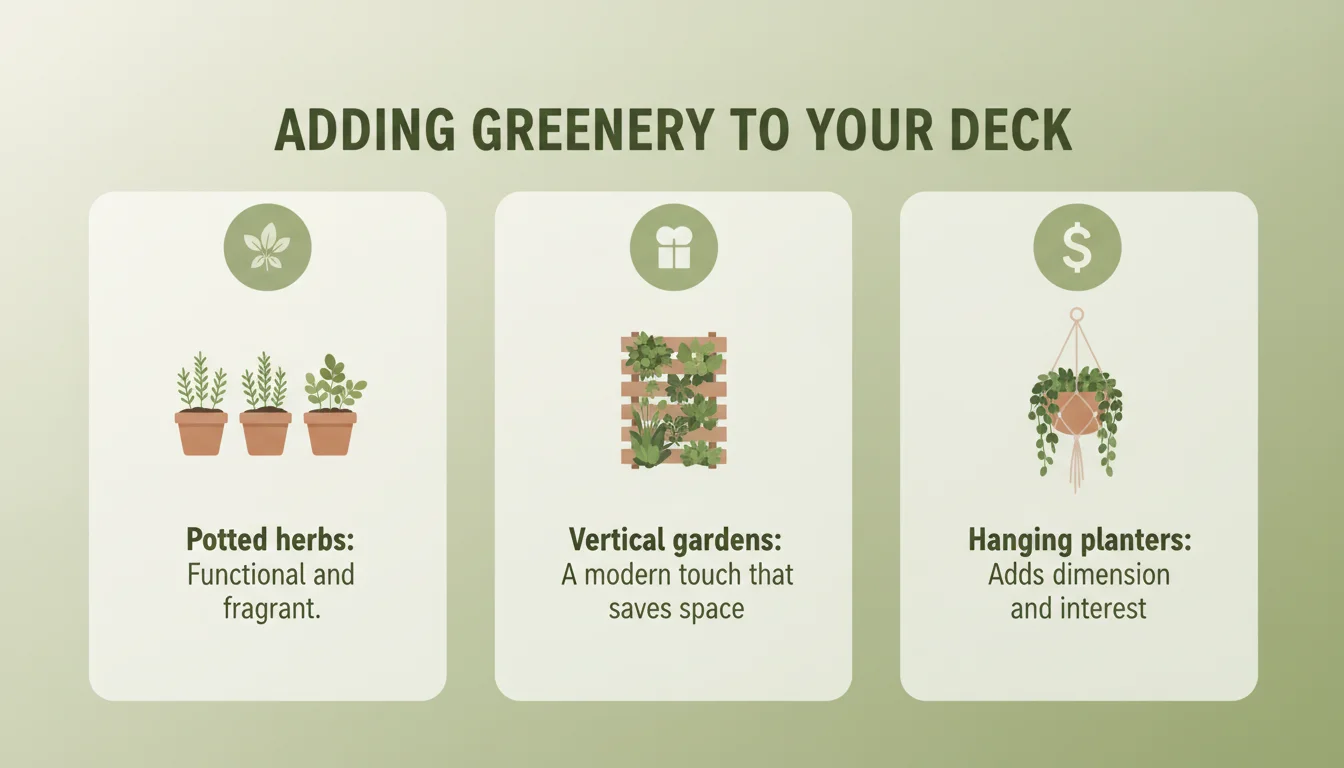
Plants can breathe life into your deck space. Choose a variety of pots and plants to create a lush atmosphere. Here are some suggestions:
- Potted herbs: Functional and fragrant.
- Vertical gardens: A modern touch that saves space.
- Hanging planters: Adds dimension and interest.
Regularly rotating plants with the seasons can keep your deck lively and fresh throughout the year.
Lighting That Sets the Mood
Proper lighting can dramatically enhance the atmosphere of your deck, making it a perfect spot for evening gatherings. Consider using:
- String lights: Create a whimsical, festive environment.
- Solar-powered lanterns: Eco-friendly and cost-effective.
- Recessed lighting: For a sleek and modern look.
Experiment with different lighting styles to find the perfect balance that showcases your deck while maintaining a warm, inviting feel.
Decor Elements
Decorative elements can add character to your deck. Choose items that resonate with your personal style. Consider incorporating:
- Outdoor rugs: To define spaces and add warmth.
- Art pieces: Weatherproof art can serve as a stunning focal point.
- Decorative screens: Add privacy while serving as a design element.
Mix and match these decor pieces to create a unique space that reflects your personality.
Creating Zones with Different Themes
Dividing your deck into themed areas can enhance its functionality and visual appeal. Here are a few ideas:
- Dining area: A space for meals and gatherings.
- Relaxation zone: Include hammocks or loungers for comfort.
- Outdoor kitchen: Perfect for grilling and entertaining.
Using planters, outdoor rugs, or furniture arrangements can help define these areas while maintaining style.
Water Features
Water features can add tranquility to your deck. Consider options like:
- Small fountains: Provides soothing sounds without overwhelming space.
- Ponds: A tranquil area for relaxation.
- Bird baths: Attract local wildlife while beautifying the space.
Water features not only elevate the aesthetics but also promote a sense of peace.
Sustainable Choices
Enhancing your deck with eco-friendly materials and plants can appeal to environmentally conscious homeowners. Consider using:
- Recycled materials: For flooring and furniture.
- Native plants: Require less water and care.
- Solar lighting: Reduces energy usage.
These choices will not only improve the aesthetics but also reduce your environmental impact.
Conclusion
Building a wooden veranda deck is an exciting venture that can transform your outdoor space. By following the steps outlined in this guide, you can create a sturdy and inviting deck that serves as the perfect extension of your home. Remember, the choice of wood is crucial; whether you opt for pressure-treated pine, cedar, or redwood, selecting high-quality materials will ensure durability and aesthetics.
Equipping yourself with the essential tools—such as a circular saw, drill, and level—and gathering the right materials will streamline the building process. Don’t forget the importance of safety gear to protect yourself while working. After construction, regular maintenance is key to preserving the beauty and integrity of your deck. Simple tasks like cleaning, sealing, and staining can significantly extend its lifespan while keeping it looking pristine.
Design ideas can further enhance your deck’s appeal. Whether you’re considering built-in seating, decorative railings, or planters, adding personal touches will create a unique outdoor oasis that reflects your style. Whether entertaining guests or enjoying peaceful evenings, your wooden veranda deck will soon become a favorite spot.
With the right preparation and creativity, you can successfully build a wooden veranda deck that adds value and charm to your home, providing a cherished space for years to come. Enjoy the journey, and don’t hesitate to reach out to professionals for advice or assistance if needed—your dream deck is within reach!