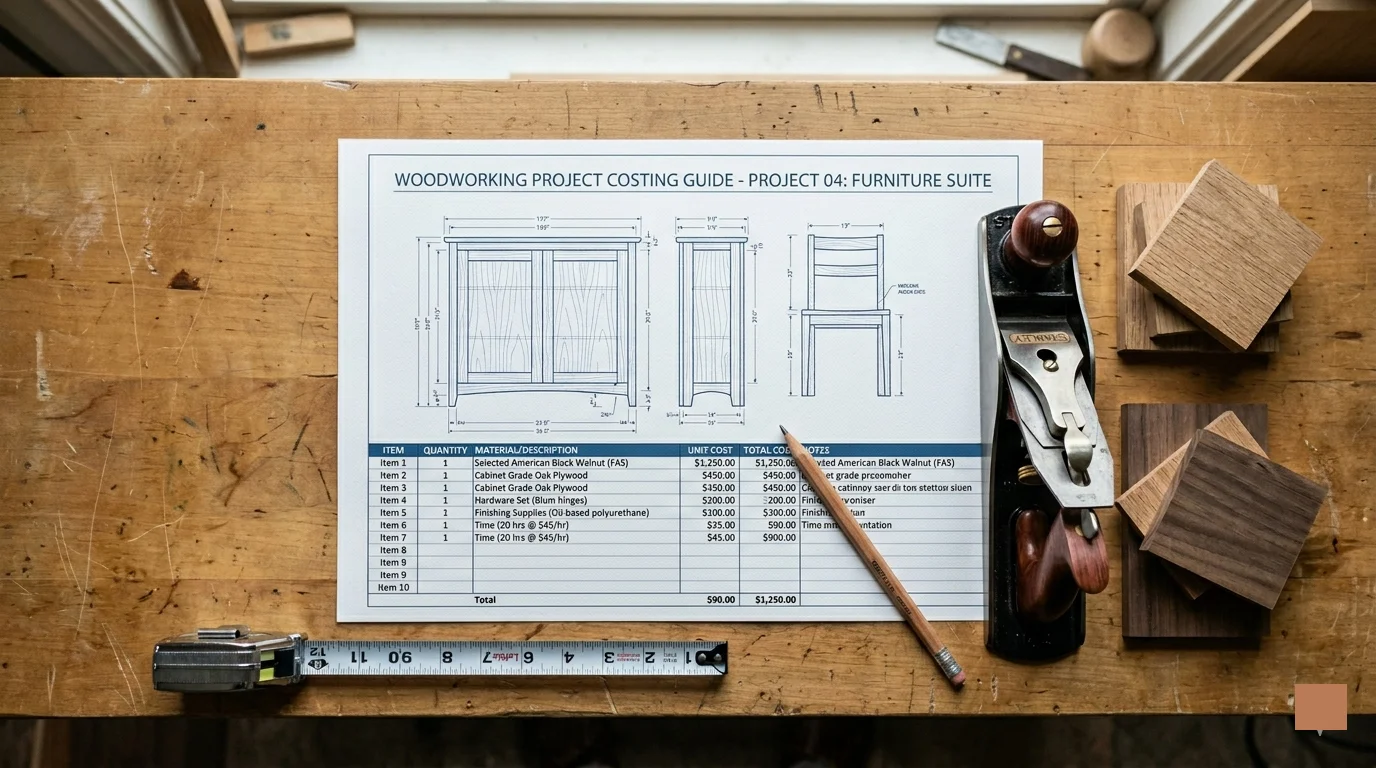
When diving into the world of woodworking, one of the most crucial steps is understanding how to accurately estimate the costs involved in your projects. A well-built Woodworking Project Costing Guide not only helps you stay on budget but also gives you a clearer picture of how to allocate resources for future projects. Below are essential elements to include in your costing guide to ensure precise budgeting and planning.
Materials Cost
Every woodworking project begins with selecting the right materials, which can significantly impact your overall budget. Here are key points to consider:
- Wood Type: Different types of wood have different costs. For instance, oak and cherry are generally more expensive than pine. Consider the appearance and durability you desire.
- Additional Materials: This includes screws, glue, finishes, and any decorative elements. Each plays a role in the final look and structural integrity.
- Buying in Bulk: Often, purchasing materials in larger quantities can lead to wholesale discounts. Planning ahead can save you money over time.
Tools and Equipment
Investing in tools is an essential part of woodworking. Here’s how to factor their costs into your projects:
- Initial Investment: Some tools can be expensive up front, such as table saws or planers. Spread this cost over multiple projects to get a true per-project expense.
- Maintenance and Replacement: Tools wear down and may require replacements or servicing. Account for these ongoing expenses to keep your woodworking efficient.
Time Investment
Understanding the time it takes to complete a project is just as important as the monetary costs. Consider the following:
- Project Duration: Estimate how long each phase of the project will take—from planning and designing to construction and finishing. This helps in setting realistic timelines.
- Hourly Rate: If you are doing woodworking for profit, calculate your hourly wage. Make sure to factor this into your total project cost.
Project Complexity
The complexity of your design will affect both material and labor costs. If you are tackling a more advanced project, keep these aspects in mind:
- Skill Level Required: More complex projects may require specialized skills. You might need to hire an expert, which can increase costs significantly.
- Number of Components: Projects with numerous parts may require more time and materials, impacting your budget.
Shipping and Delivery Costs
When sourcing materials, don’t forget to include shipping fees if they apply:
- Distance: The further away your materials come from, the more you may pay for transportation. Looking local can help reduce costs.
- Bulk Shipping: If ordering large quantities, some suppliers might offer lower shipping rates.
Contingency Fund
Unexpected expenses can pop up in any project. Set aside a small percentage of your total budget—around 10 to 15 percent—as a contingency fund to cover surprises.
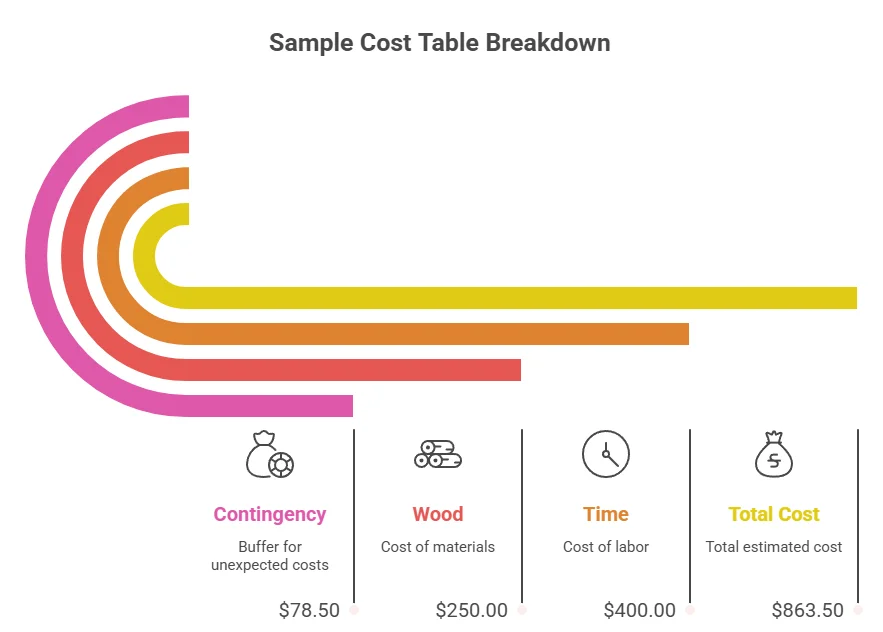
Sample Cost Table
Creating a sample cost table can help visualize your expenses:
| Item | Estimated Cost |
|---|---|
| Wood (Oak – 10 boards) | $250 |
| Screws and Glue | $25 |
| Stain and Finish | $30 |
| Tools (Amortized Cost) | $50 |
| Time (20 hours @ $20/hr) | $400 |
| Shipping | $30 |
| Contingency (10%) | $78.50 |
| Total Cost | $863.50 |
To further enhance your Woodworking Project Costing Guide, consider exploring resources such as Wood Magazine and Popular Woodworking. They offer valuable insights into budgeting and material selection for various woodworking projects.
By breaking down these essential elements, you can create a comprehensive costing guide that serves as a reliable roadmap for your woodworking endeavors. Whether you’re a hobbyist or a professional, a clear understanding of costs will lead to more successful and enjoyable projects.
Budgeting Tips for Beginner Woodworkers
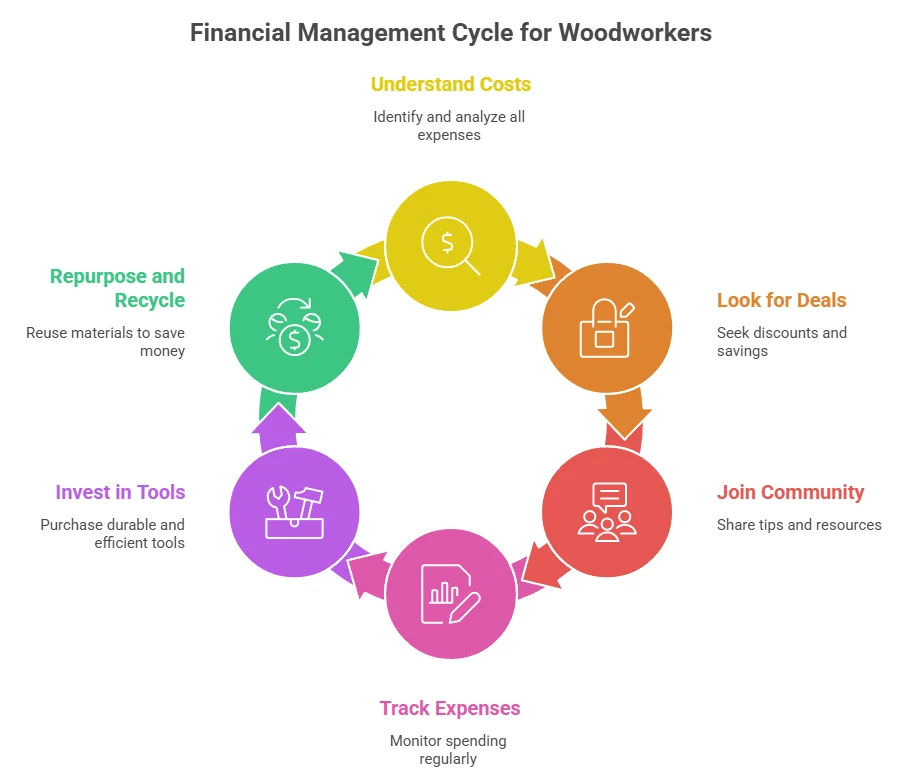
When stepping into the world of woodworking, budgeting can be a crucial aspect of your new hobby. Knowing how to manage your finances will help you create stunning projects without breaking the bank. Here are some essential budgeting tips to keep in mind as you start your woodworking journey.
Understand Your Costs
Before you start any project, it’s essential to understand the various costs involved. Here are the primary expenses to consider:
- Materials: This includes wood, glue, screws, and finishing supplies. The type of wood plays a significant role in price, so choose wisely.
- Tools: Start with basic hand tools like saws, hammers, and drills. As you progress, you may want to invest in power tools, which can be more costly.
- Space: Make sure you have a suitable workspace, whether it’s a garage, shed, or designated area in your home.
Look for Deals and Discounts
Shopping smart can save you a lot of money. Here are some tips on finding deals:
- Local Shops: Visit lumberyards and local hardware stores; they often have clearance sales.
- Online Retailers: Websites like Woodcraft or Rockler have sales and discounts for beginners.
- Buy in Bulk: If you’re sure you’ll use a lot of a particular material, buying in bulk can save you money in the long run.
Join a Community
Consider joining a woodworking club or an online community. Here, you can gain valuable insights, including budgeting tips, from experienced woodworkers. Websites like Woodworking Talk provide a wealth of information and support.
Track Your Expenses
It’s easy to lose sight of your budget as you get excited about woodworking. Keep a detailed record of your expenses. Use apps or simple spreadsheets to track what you spend on materials, tools, and supplies. This practice will help you stick to your budget and identify areas where you might save.
Invest in Quality Tools
While it may be tempting to purchase the cheapest tools, investing in quality tools can save money in the long run. High-quality tools last longer and perform better, leading to better finished projects and reducing the need for replacements.
Repurpose and Recycle
Think about ways to reuse old materials instead of buying new ones. Look around your home or visit second-hand stores for wood that can be repurposed for a project. It’s eco-friendly and budget-friendly at the same time.
By following these budgeting tips, you can enjoy woodworking without worrying about your finances. This exciting hobby not only allows you to create beautiful pieces but also teaches you valuable skills and provides a sense of accomplishment.
For more information on woodworking projects and budgeting strategies, check out Popular Woodworking for inspiring ideas and advice.
Common Mistakes in Woodworking Cost Estimation
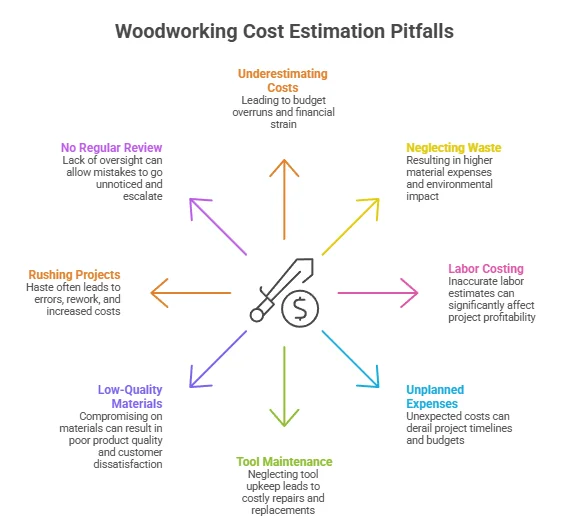
Woodworking projects can be a rewarding and fulfilling hobby or profession, but accurately estimating costs can often pose a challenge. Many woodworkers stumble into common pitfalls that can inflate their budgets and derail their projects. By being aware of these mistakes, you can better manage your budget and ensure your woodworking endeavors are both successful and financially sound.
Underestimating cost estimation
One of the most frequent errors in woodworking cost estimation is underestimating the cost of materials. It’s crucial to have a clear list of all materials you’ll need before starting your project. This includes not just the wood but also hardware, adhesives, finishes, and tools. To avoid this mistake, create a detailed materials list and check prices at local suppliers or reputable online stores, such as Woodcraft or Rockler.
Neglecting account for waste
Another common mistake is neglecting to account for waste. Woodworking often involves cutting materials and can lead to losses. Whether it’s due to errors or simply the nature of the project, you should budget for about 10-20% extra material to cover waste. This helps ensure that you have enough resources to complete your project without needing last-minute purchases.
Labor costing
Labor costs are another area where mistakes often occur. Many woodworkers overlook the value of their time. If you’ve decided to take on a complex project, be sure to estimate how long it will realistically take and adjust your budget accordingly. If you’re working on a project for a client, it’s essential to factor in your hourly rate. A common error is undervaluing your craftsmanship and time, leading to unprofitable outcomes.
Unplanned expenses
Unplanned expenses can also derail your budget. Whether it’s that unexpected tool needed or a trip to the hardware store for additional supplies, having a cushion in your budget for surprises can help. It’s often wise to set aside an extra 5-10% of your total budget for miscellaneous costs that may arise during the project.
Costs associated with tool maintenance and replacement
Another aspect to consider is the costs associated with tool maintenance and replacement. Over time, tools wear out and may require sharpening, repair, or replacement. Factor in these costs in your overall Woodworking Project Costing Guide. A new tool might seem like an additional expense you don’t want, but investing in quality equipment can pay off in the long run.
Using low-quality materials
Using low-quality materials to save money can also backfire. While it may seem appealing to choose cheaper wood or hardware, this can often lead to increased costs down the line due to repairs or replacements. On the contrary, investing in quality materials usually results in a better end product and fewer issues, making it a more prudent choice in the long term.
Rushing through a project
Scheduling can also impact your budget. Rushing through a project to meet a deadline can lead to mistakes, which may cost more to fix than if you took your time. Be sure to plan your project timeline realistically so that you can work at a steady pace without the pressure of time constraints. Proper planning helps prevent shortcuts that can lead to errors and additional costs.
No regular review
It’s also essential to regularly review and adjust your estimates as the project progresses. New information or changes to your project can drastically affect costs. Maintaining flexibility in your budget allows you to adapt to these changes efficiently. Analyzing your estimates as you work will help you remain aligned with your financial goals.
| Common Mistakes | Suggestions |
|---|---|
| Underestimating Material Costs | Create a detailed materials list. |
| Neglecting Waste Factor | Add 10-20% extra materials. |
| Ignoring Labor Value | Estimate time realistically and charge appropriately. |
| Overlooking Unexpected Expenses | Set aside 5-10% for miscellaneous costs. |
| Sacrificing Quality for Cost | Invest in quality materials. |
| Rushing Projects | Plan your schedule realistically. |
You can find valuable tools and resources to aid in your cost estimation process on websites like Wood Magazine and Fine Woodworking. These resources provide insights, tips, and tools that can enhance your woodworking skills while helping you stay on budget.
Understanding these common mistakes in woodworking cost estimation can help you manage your budget more effectively. As you gather your tools and materials, remain aware of these key points to ensure that your projects not only look fantastic but also stay within your financial reach.
Tools That Influence Project Costs in Woodworking
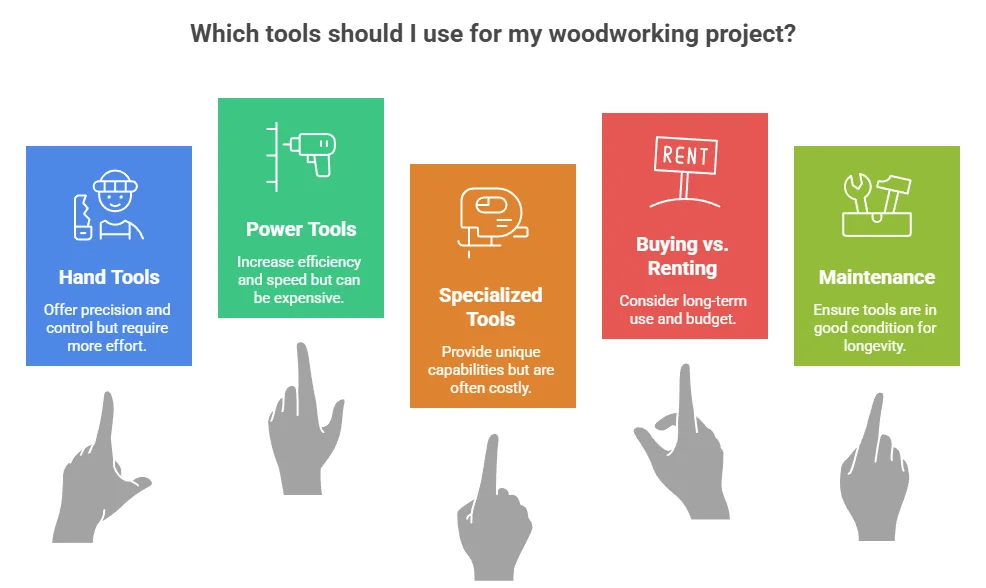
Woodworking projects can be both rewarding and challenging, but one of the most significant factors that can influence project costs is the tools you choose to use. Whether you are a seasoned woodworker or just starting, understanding the impact of various tools on your budget is crucial for planning successful projects.
Types of Tools
In woodworking, tools can be classified into three main categories: hand tools, power tools, and specialized tools. Each of these categories comes with its own set of costs that can affect your overall project budget.
Hand Tools
Hand tools are often the first tools a woodworker acquires. While they can be more affordable, their costs can still add up. Here are some essential hand tools to consider:
- Saws: A quality hand saw might cost $20 to $50, whereas a Japanese-style saw could range from $30 to $100.
- Chisels: A set of chisels may cost between $30 and $200 depending on brand and quality.
- Planes: Hand planes can vary from $25 to over $300 for premium brands.
Power Tools
Power tools tend to be more expensive but can save time and provide precision. Consider these key power tools:
- Table Saws: Prices range from $200 for basic models to several thousand dollars for top-rated ones.
- Drills: Battery-operated drills can range from $50 to $300 based on features and brand.
- Router: A good router will typically cost between $100 and $300.
Specialized Tools
For more complex projects, specialized tools may be necessary, and these can significantly escalate costs. Here are some examples:
- Thickness Planer: Prices typically start around $300 and can exceed $1,500 for high-performance models.
- Dust Collection System: A decent system can range from $200 to $1,000, depending on capacity and effectiveness.
- Laser Cutters or CNC Machines: These can range from $1,000 to tens of thousands, depending on their size and features.
Buying vs. Renting Tools
One important decision woodworkers face is whether to buy or rent tools. Buying may be more economical for frequent users, but renting can be beneficial for occasional projects. Consider these aspects:
- Cost Efficiency: If you plan to use a tool regularly, purchasing it may save you money in the long run.
- Storage: If you lack space, renting tools can help avoid clutter.
- Upgrading: Renting allows you to use the latest models without the commitment of a purchase.
Maintenance and Accessories
Beyond the initial purchase price, maintenance is another cost element. Maintaining tools ensures they last longer and perform better, impacting your overall production costs:
- Sharpening Tools: You might need to invest in sharpening tools for hand tools, which can cost from $20 to $100.
- Replacement Parts: Always budget for replacement blades, batteries, or other integral parts that may wear out.
An Informed Approach to Tool Costs
Understanding the costs associated with different woodworking tools helps you manage your budget effectively. Whether you are just starting or are looking to expand your tool collection, invest wisely and plan for both immediate and long-term expenses. Visit Wood Magazine for more insights on woodworking costs and techniques. Additionally, check out Popular Woodworking and Woodworker’s Journal to help guide your purchasing decisions.
As you embark on your woodworking projects, keep in mind that the right tools can not only influence costs but also enhance your experience and the quality of your work. Equip yourself with knowledge and make informed choices that will lead to successful and enjoyable woodworking adventures.
Strategies for Reducing Costs Without Compromising Quality
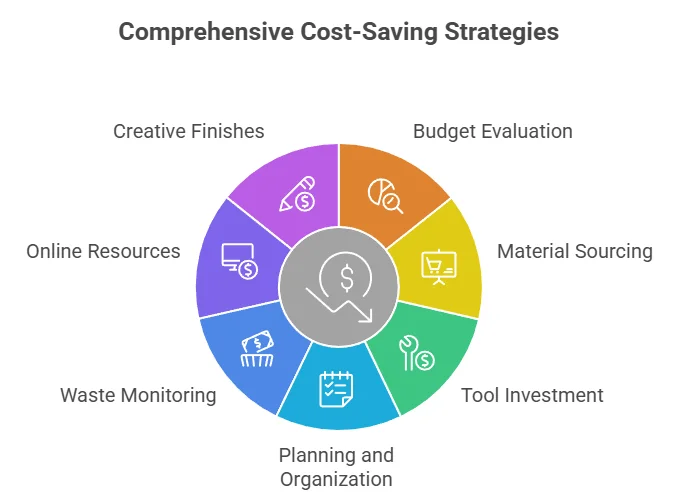
Saving money on projects while still delivering high-quality outcomes is a common goal for many woodworkers. There are several strategies you can employ to ensure that you cut costs effectively without sacrificing the quality you strive to achieve. By implementing these techniques, you can maintain high standards while keeping your budget intact.
Evaluate Your Budget
Before starting any woodworking project, it’s essential to have a clear idea of your budget. Knowing exactly how much you can spend will help you make informed decisions. Start by listing all expected costs, including materials, tools, and labor if needed. Here’s a simple breakdown to follow:
- Materials: Estimate the quantity and quality of wood needed.
- Tools: List out any additional tools you may need.
- Labor: Consider if you will hire professionals for any of the work.
- Miscellaneous: Don’t forget to include glue, screws, or finishes.
Source Materials Wisely
Finding quality materials at a lower price is critical to reducing costs. Consider these approaches:
- Local Lumberyards: Often, these places offer competitive pricing compared to big box stores.
- Reclaimed Wood: Using salvaged wood can reduce costs and add unique character to your project.
- Bulk Purchases: If you’re working on multiple projects, buying in bulk can save money over time.
Invest in Quality Tools
While it may seem counterintuitive, investing in high-quality tools can save you money in the long run. Cheap tools often lead to:
- Frequent replacements
- Substandard work
- Increased project time
Rather than buying low-cost tools repeatedly, consider quality brands that will serve you for years to come. Good tools can lead to smoother cuts and less wastage, which ultimately saves money.
Plan Ahead and Be Organized
Rushed projects often lead to costly mistakes. Take time to plan your woodworking project meticulously. Create detailed drawings and cut lists before you start building. This practice minimizes go-backs to purchase additional materials, which can sometimes inflate your budget surprising ways. Here are key points to consider:
- Use computer software for design and planning.
- Double-check your measurements and cut lists.
- Work on your skills to reduce mistakes that cost time and resources.
Monitor Waste
Waste not, want not. Keeping an eye on material waste can significantly lower costs. Here are some suggestions to reduce wastage:
| Technique | Description |
|---|---|
| Calculate Cuts | Planning cuts strategically can minimize leftover material. |
| Use Leftovers | Keep remnants for future projects or smaller items. |
| Practice Efficient Assembly | Arrange pieces in a way that maximizes material use. |
Utilize Online Resources
Take advantage of online communities and resources to share tips and strategies. There are numerous websites offering insights on how to approach various woodworking projects, including cost-effective methods. Some useful sites include:
Get Creative with Finishes
Finishes enhance the appearance of your project but can be costly. To save money, consider mixing your finishes or making homemade options. This can decrease the overall finish cost without compromising the aesthetic quality. Some touches you might find useful include:
- DIY Stains using natural ingredients
- Using leftover paint from previous projects
- Applying a simple clear coat instead of complex varnishes
By adopting these strategies, you can effectively reduce costs without compromising the quality of your woodworking projects. Planning and smart sourcing can go a long way in ensuring you achieve beautiful results within a budget.
Conclusion
Bringing your woodworking dreams to life doesn’t have to come with a hefty price tag, especially if you follow the essential elements of a Woodworking Project Costing Guide. By understanding the components that contribute to project costs, you can create a realistic budget to help you navigate your woodworking journey. Remember, when you’re just starting, using budgeting tips specifically designed for beginner woodworkers can set you on the right path.
It’s crucial to avoid common mistakes in cost estimation, as these errors can lead to overspending or project delays. Keep in mind that the tools you choose directly influence your project’s overall cost. Investing in quality tools can save you money in the long run, while also enhancing your craftsmanship.
To further stretch your budget, implement strategies that reduce costs without sacrificing quality. For instance, look for reclaimed materials, utilize off-cuts, or even collaborate with fellow woodworkers to share resources. By making informed decisions and planning your projects carefully, you can ensure your woodworking adventure is both enjoyable and financially manageable.
Ultimately, approaching your woodworking projects with a solid understanding of costing will not only help you bring your ideas to life, but it will also provide you with a sense of confidence in your skills. You’re now equipped with the knowledge to tackle your next project wisely and effectively!