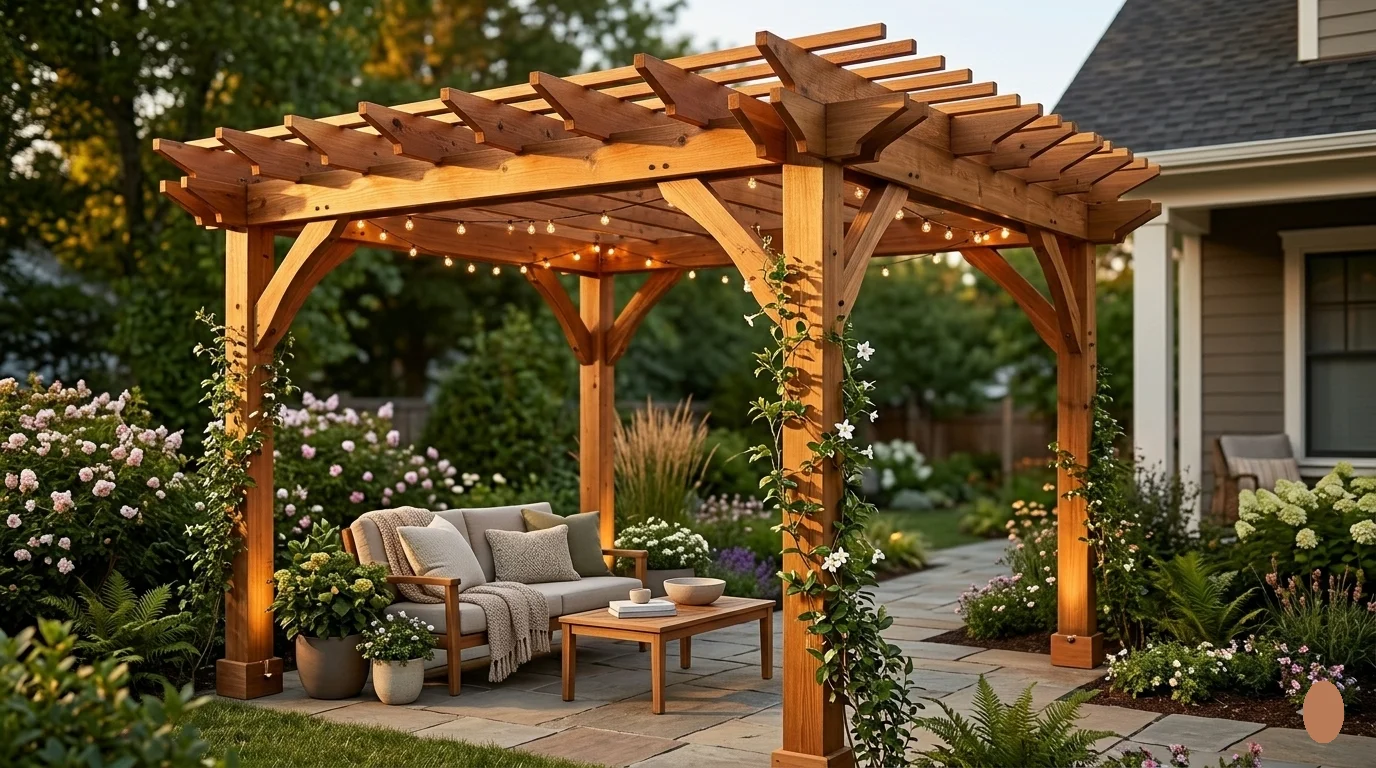
Building a wooden pergola can be a rewarding project that enhances your outdoor space. Whether you want a cozy spot for relaxation or a shaded area for entertaining, this structure can add charm and functionality to your yard. Here are the key steps to guide you in creating your own wooden pergola.
Planning Your Pergola
Before you start building, careful planning is essential. Begin by identifying the location of your pergola. Consider factors like sunlight, wind, and proximity to your house. This will affect how you design the space. Next, think about the size of your structure. A typical pergola could vary in size from 10 feet by 10 feet to much larger dimensions, depending on your needs. In How To Build A Wooden Pergola projects, layout is everything.
Gathering Materials
Once you have your plan, it’s time to gather materials. You will need:
- Wooden beams: Pressure-treated lumber is a popular choice due to its durability.
- Concrete: For securing your posts in the ground.
- Metal brackets and screws: To provide additional support.
- Stain or paint: If you want to finish your pergola for aesthetic appeal.
Creating the Foundation
Start by marking the location where your pergola will sit. Use stakes and string to outline the perimeter. Dig holes for your support posts that are at least 2 feet deep to ensure stability. Place the posts into the holes and fill them with concrete. Allow it to set according to the manufacturer’s recommendations—usually about 24-48 hours. This solid foundation is critical for the longevity of your pergola.
Assembling the Structure
Once the concrete is set, it’s time to assemble the main structure:
- Attach the top beams: Start with the longest beams by placing them horizontally on top of the vertical posts. Secure them with metal brackets.
- Add the rafters: These are the smaller beams that will provide the pergola with its signature look. Space them evenly across the top beams.
- Secure the rafters: Use screws and brackets for added strength. This part is crucial, as it will hold up against the elements.
Finishing Touches
Once the main structure is complete, it’s time for the finishing touches. You can choose to paint or stain your pergola to protect the wood and enhance its appearance. Also, consider adding climbing plants or vines for a natural touch. Another option is to include fabric shades for additional sun protection.
Maintenance Tips
To keep your wooden pergola looking great, regular maintenance is necessary. Inspect the wood for signs of wear and tear, and reapply stain as needed. Cleaning the wood with a gentle soap solution and a soft brush can also keep it looking fresh, preventing mold and mildew.
Additional Resources
If you’re looking for detailed guides and tutorials, websites like American Eagle and Better Homes & Gardens offer comprehensive resources that can enhance your building experience.
| Material | Estimated Cost |
|---|---|
| Pressure-treated wood (per board) | $3 – $5 |
| Concrete mix (per bag) | $4 – $6 |
| Metal brackets and screws | $20 – $50 (for a set) |
| Stain or paint | $15 – $30 (per gallon) |
By following these steps, you can successfully build a sturdy and beautiful wooden pergola that will serve your outdoor space for years to come. Enjoy your new structure and the beauty it adds to your garden.
Choosing the Right Materials for Your Pergola
When you decide to build a wooden pergola, choosing the right materials is one of the most important steps in the process. The materials you select will impact the aesthetic, durability, and overall quality of your structure. A well-built pergola can enhance your outdoor space and provide a perfect spot for relaxation. In this guide, we’ll break down the best materials for constructing your wooden pergola, helping you make informed choices for How To Build A Wooden Pergola.
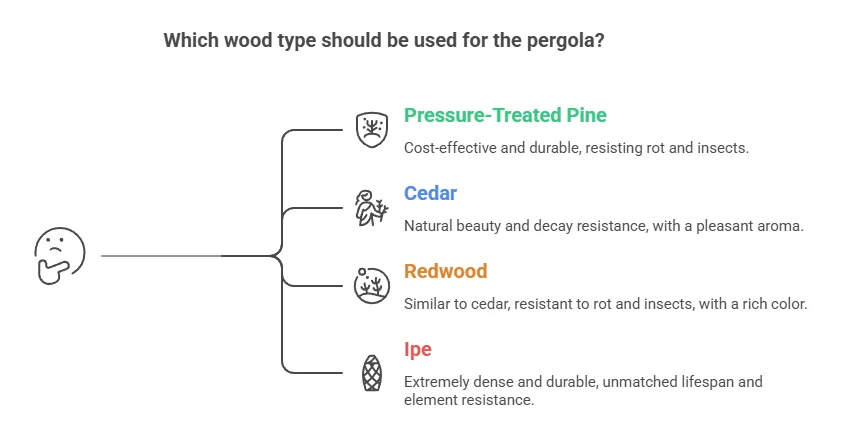
Types of Wood for Your Pergola
- Pressure-Treated Pine: This is a cost-effective choice. Pressure-treated pine resists rot and insect damage, making it a durable option for various climates.
- Cedar: Known for its natural beauty and resistance to decay, cedar offers great longevity. It has a pleasant aroma and an appealing color, which many people prefer.
- Redwood: Similar to cedar, redwood is resistant to rot and insects. It has a rich color and tight grains, allowing for a beautiful finish that doesn’t require extensive treatment.
- Ipe: This exotic hardwood is extremely dense and durable. While it is more expensive, its lifespan and resistance to the elements are unmatched.
Wood Treatments and Finishes
- Stains: Stains can enhance the color and grain of the wood while providing a protective layer. Look for semi-transparent stains designed for outdoor use.
- Sealants: Applying a sealant can help to prevent moisture from entering the wood, thus reducing the risk of rot.
- Preservatives: Wood preservatives keep pests at bay and add an extra layer of protection against the elements.
Consider Your Climate
| Climate | Recommended Material |
|---|---|
| Humid | Cedar or Redwood |
| Dry | Ipe or Pressure-Treated Pine |
| Temperate | Cedar or Pressure-Treated Pine |
| Cold | Pressure-Treated Pine or Ipe |
Design and Aesthetic Considerations
- Style: Think about how your pergola will fit with your home’s architecture. Some designs pair well with modern aesthetics, while others suit traditional homes.
- Color: Depending on your choice of wood and treatment, you can achieve various looks. Natural finishes highlight the wood grain, while painted options can add a unique touch.
- Type of Pergola: Decide if you want a freestanding or attached pergola. This will also help determine the material choices as certain materials may be more suitable for particular styles.
Before making any decisions, it’s also wise to check local building codes and regulations, as they can influence the material choices and design of your pergola. Researching local permit requirements is essential.
For further reading and resources on How To Build A Wooden Pergola, visit Wood Magazine and Family Handyman. These websites offer insightful guides and professional advice to help you in your pergola project.
Design Ideas to Enhance Your Outdoor Space
Transform Your Backyard with Stunning Features
Your outdoor space can be more than just a patch of grass; it can be an extension of your home. With the right design ideas, you can create a beautiful and functional space that invites comfort, relaxation, and entertaining. Here are some creative ideas to enhance your outdoor area.
Incorporate a Pergola
A pergola offers a defined area for lounging, dining, or simply enjoying the outdoors. This structure provides shelter while allowing sunlight to filter through, which creates a cozy atmosphere. Here are a few key benefits of adding a pergola:
- Shade and Comfort: Enjoy your outdoors without the intense sun beating down.
- Visual Appeal: A stylish pergola adds architectural beauty to your yard.
- Support for Plants: Enhance aesthetics with climbing plants or vines.
For help on How To Build A Wooden Pergola, check out Houzz.
Embrace Outdoor Lighting
- String Lights: Hang these above your seating area for a magical feel.
- Pathway Lights: Illuminate walkways for safe navigation at night.
- Spotlights: Use them to highlight trees or architectural features.
For more ideas on outdoor lighting, visit Lighting Direct.
Outdoor Furniture
Comfortable and stylish furniture is crucial for enjoying your outdoor space. Consider these options:
- Sectional Sofas: Perfect for larger gatherings and offers ample seating.
- Dining Sets: Pair with your pergola for delightful al fresco dining experiences.
- Fire Pits: Create a warm gathering spot with comfortable chairs around.
For furniture selections, check out Wayfair.
Include a Water Feature
Water features, such as fountains or small ponds, introduce a serene ambiance to your outdoor space. Here are why you should consider one:
- Sound of Water: The sound can be calming and drown out background noise.
- Wildlife Attraction: Birds and butterflies will be drawn to your garden.
For more inspiration on water features, visit Flickr to see images and ideas.
Outdoor Rugs and Decor
Introduce elements like rugs, cushions, and artwork to make the space feel cozy and inviting. Consider these decor tips:
- Patterns and Colors: Use bright colors or fun patterns to create a lively atmosphere.
- Functional Decor: Incorporate stylish storage solutions that blend with your design.
- Wall Art: Hang outdoor-friendly art pieces to create visual interest.
For outdoor decor inspiration, check out Etsy.
Plant Beautiful Gardens
Plants and flower gardens is key to enhancing your outdoor space. Here’s how:
- Native Plants: Choose easy-care options that thrive in your local climate.
- Vertical Gardens: Utilize walls or fences to grow plants upward.
- Edible Gardens: Grow herbs or vegetables for a functional garden.
For guidelines on planting, refer to Gardener’s Supply Company.
Maintenance Tips for Wooden Pergolas
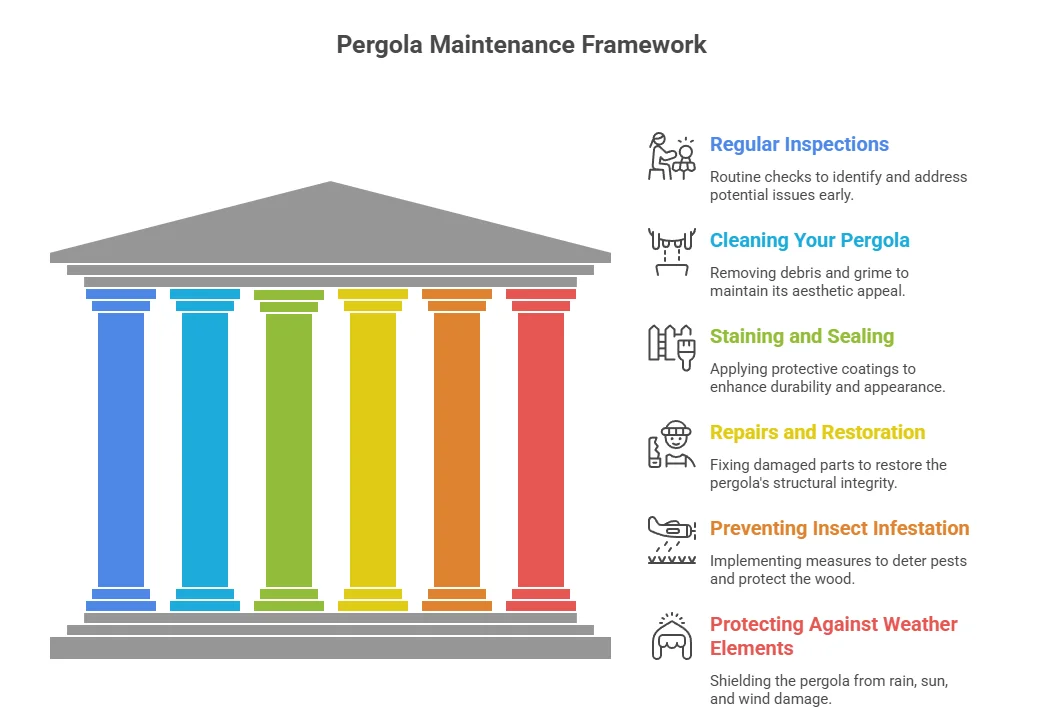
Wooden pergolas are beautiful structures that enhance your outdoor living space. However, to ensure they last for years, proper maintenance is key. Here’s how you can keep your wooden pergola looking its best while ensuring its durability.
Regular Inspections
Start with regular inspections of your pergola. Look for signs of wear and tear, such as:
- Cracks in the wood
- Mucoid or rotten areas
- Loose connections
- Signs of insect infestation
Identifying these issues early can save you time and money down the line. If you spot any damage, address it promptly to prevent further decay.
Cleaning Your Pergola
Keeping your wooden pergola clean is essential. Dirt and debris can cause mold and mildew to develop. Here’s how to do it:
- Use a soft-bristle brush to remove loose dirt.
- Mix mild soap with water in a bucket.
- Gently scrub the wood with a cloth or sponge.
- Rinse thoroughly with a hose.
A regular cleaning schedule, ideally every few months, will help maintain its beauty.
Staining and Sealing
Staining and sealing your pergola protects the wood from moisture and UV rays. It’s best to do this every 2-3 years. Follow these steps:
- Choose a high-quality wood stain that’s suitable for outdoor use.
- Apply the stain with a brush or roller, following the wood grain.
- Allow the stain to dry completely before applying a sealant.
This process not only keeps your pergola looking vibrant but also prolongs its lifespan.
Repairs and Restoration
If you discover significant damage, consider consulting a professional for repairs. It’s better to invest in a few repairs than to face the need for a complete replacement later on. You might need to replace rotting beams or reinforce joints. If you’re handy, you could take on minor repairs yourself, but always prioritize safety. Check out Wood Magazine for guidance on fixing wooden structures.
Preventing Insect Infestation
Insects, like termites, can be a real threat to wooden pergolas. To prevent infestations:
- Keep the area around your pergola clear of debris.
- Apply insect repellents designed for wood.
- Inspect for signs of infestation 2-3 times a year.
If you notice any pests, consider contacting a pest control professional for treatment options.
Protecting Against Weather Elements
Your wooden pergola faces various weather conditions. Here are some simple steps to protect it:
- Install a canopy or shade cloth to shield it from heavy rains and intense sunlight.
- Consider placing it in a sheltered area if possible.
- Regularly check for debris from nearby trees, such as leaves and branches, that can trap moisture against the wood.
By taking these precautions, you will extend the life of your beautiful wooden pergola.
Cost Factors and Budgeting Your Pergola Project
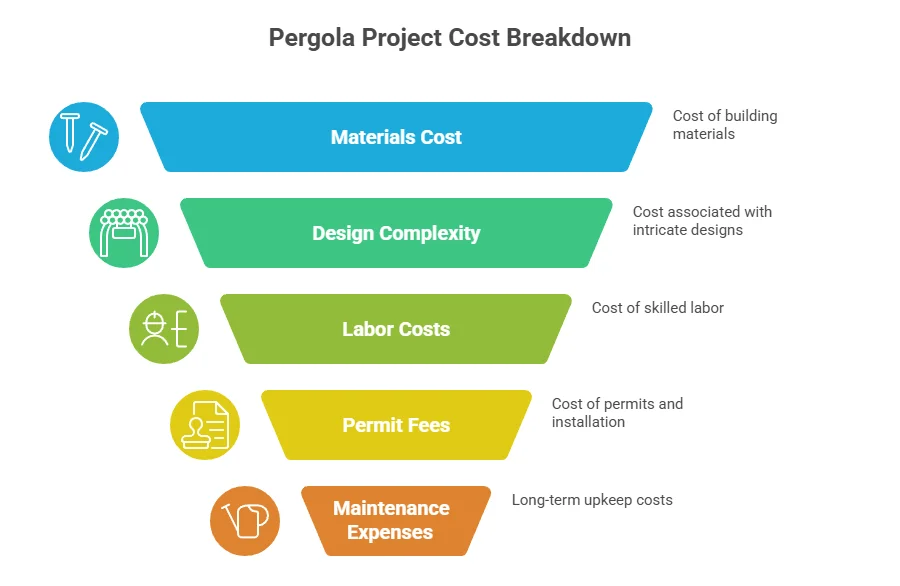
Building a wooden pergola can add beauty and value to your outdoor space. However, before you start, it’s essential to understand the cost factors involved in the project. Proper budgeting can ensure that you stay on track and don’t overspend. Various elements will influence the total cost, and knowing them can help you make informed decisions for How To Build A Wooden Pergola.
Materials
One of the significant factors in budgeting your pergola project is the cost of materials. The wood you choose will greatly affect your budget.
- Cedar: Popular for its natural resistance to rot, cedar typically costs between $25 to $35 per board.
- Redwood: This is more expensive, ranging from $30 to $45 per board, due to its durability and aesthetic appeal.
- Pine: A budget-friendly option, treated pine can cost as little as $10 to $15 per board.
Design Complexity
The complexity of the pergola design will also play a crucial role in your budget. A simple rectangular pergola will generally cost less than one with intricate details or curves. Here are some design options to consider:
- Basic design: Minimal features and straight lines will keep costs down.
- Multi-level design: Different height levels can enhance aesthetics but increase costs due to additional materials and labor.
- Integrated features: Adding lighting, seating, or a roof will bump up your budget significantly.
Labor Costs
If you’re not a DIY enthusiast, hiring professionals can add to the overall cost. Labor costs vary based on your location and the complexity of the design. Generally, you can expect to pay:
- $50 to $70 per hour: Average labor rates for carpenters.
- Fixed quotes: Some companies may offer a complete package, which can help manage costs.
Permit and Installation Fees
In many areas, you’ll need a building permit before constructing a pergola. Check your local regulations. Permit costs can range from $25 to $200, depending on your location.
Additionally, if you hire a contractor, the installation fees should be factored into your budget. Get estimates from multiple contractors to ensure reasonable pricing.
Maintenance Expenses
Don’t forget about future maintenance costs. All wood will require care to prevent rot, insects, and weather damage. Comprehensive budgeting should include:
- Sealers: Expect to spend about $25 to $50 per gallon.
- Replacement costs: Consider potential repairs or replacements over time.
Cost Breakdown Table
| Item | Estimated Cost |
|---|---|
| Wood (Cedar) | $25 – $35 per board |
| Wood (Redwood) | $30 – $45 per board |
| Wood (Pine) | $10 – $15 per board |
| Labor (Average) | $50 – $70 per hour |
| Permit | $25 – $200 |
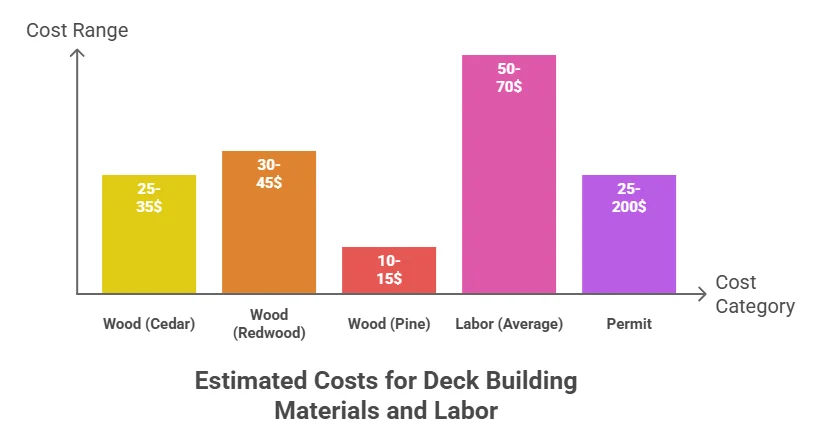
Creating a realistic budget for your wooden pergola project involves considering materials, design complexity, labor, permits, and maintenance. Understanding these factors will help you achieve the beautiful outdoor space you desire while keeping your finances in check.
For more detailed information on How To Build A Wooden Pergola projects, check out Wood Magazine and The Spruce.
Conclusion
Building a wooden pergola can transform your outdoor area into a cozy and inviting space. By following the key steps outlined earlier, you can create a strong and beautiful structure that adds charm to your yard. Selecting the right materials is crucial; opt for durable wood that withstands the elements while fitting your aesthetic preferences. Don’t forget to explore various design ideas that can elevate your pergola’s appeal, such as unique shapes, decorative elements, or integrated lighting.
Regular maintenance is essential for ensuring that your wooden pergola remains in top shape for years. Simple cleaning and periodic treatments can protect it from weather damage. Additionally, understanding cost factors is vital to effectively budget your pergola project. Consider everything from the initial materials to the ongoing maintenance costs, so you don’t run into surprises down the road.
Ultimately, a well-planned pergola not only enhances your outdoor space but also provides a perfect backdrop for entertaining, relaxation, and enjoying nature. Whether you engage in a DIY project or choose to hire a professional, the effort you put into How To Build A Wooden Pergola can yield satisfying rewards. Embrace the journey of adding this timeless feature to your garden. You’ll create a lasting space that generations can enjoy.