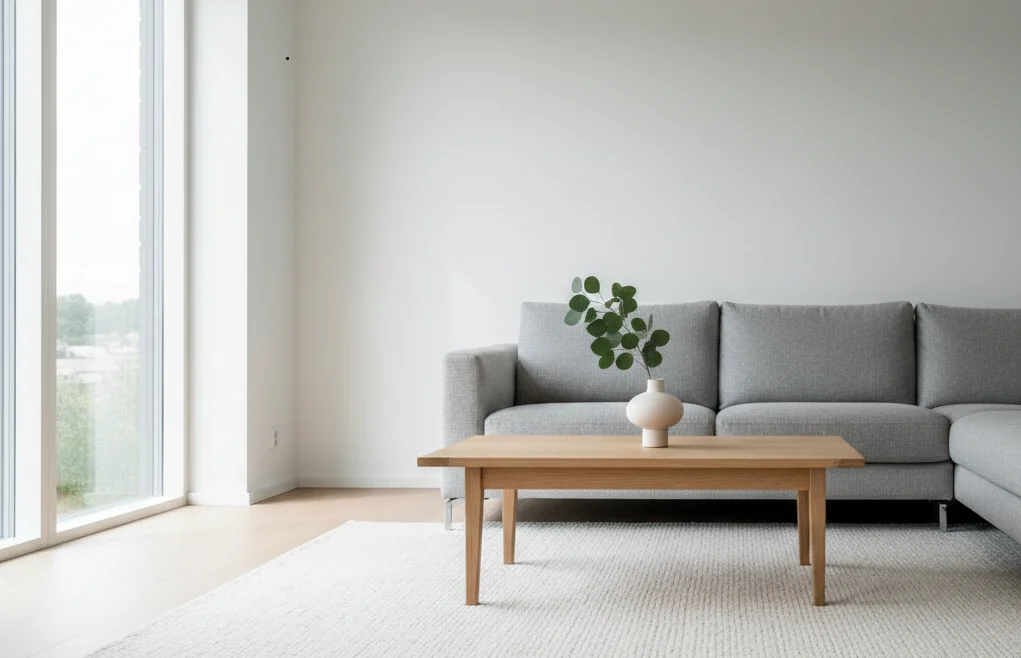
Embracing the spirit of minimalism, DIY Scandinavian Wooden Furniture offers a unique way to enhance your living space while showcasing your creativity. The Scandinavian design aesthetic is known for its simplicity, functionality, and connection to nature. By crafting your own furniture, you not only save money but also create pieces that reflect your personal style and values. In this article, we will explore the charm of DIY Scandinavian Wooden Furniture and share tips for getting started on your design journey.
Understanding Scandinavian Design
Scandinavian design is characterized by clean lines, organic shapes, and a focus on functionality. When you create your own furniture, you can adhere to the following key principles:
- Minimalism: Keep the design simple, using only essential elements.
- Natural Materials: Use wood, wool, and other sustainable materials that connect with the outdoors.
- Light Colors: Opt for light tones that brighten spaces, often incorporating white and soft pastels.
- Functionality: Ensure each piece serves a purpose while also being aesthetically pleasing.
Materials You’ll Need
To get started on your DIY Scandinavian Wooden Furniture project, gather the following materials:
- High-quality wood (such as pine, oak, or birch)
- Screws and nails
- Wood glue
- Sandpaper
- Wood finish or stain
- Measuring tape and square
- Hand or power tools (saw, drill, sander)
Popular DIY Scandinavian Furniture Projects
Here are some popular projects that align with the Scandinavian aesthetic and are achievable for DIY enthusiasts:
- Coffee Tables: Simple, sleek coffee tables made from thick wooden slabs with clean lines.
- Shelving Units: Open shelving for books and decor makes for functional, stylish storage.
- Benches: A minimalist bench can serve both as seating and a decorative piece in your entryway.
- Dining Tables: Craft a raw, rustic dining table perfect for family gatherings.
Steps to Create Your Own Scandinavian Wooden Furniture
Follow these simple steps to create your own piece:
- Plan Your Design: Sketch your ideas and determine the dimensions necessary for your space.
- Gather Materials: Purchase wood from a local supplier. Many opt for reclaimed wood to stay eco-friendly.
- Cut and Assemble: Carefully cut the wood according to your design, then assemble the pieces using screws and glue.
- Sanding: Smooth the edges and surfaces with sandpaper to give a polished finish.
- Finishing Touches: Apply a wood finish, stain, or paint to enhance the look and protect the wood.
Benefits of DIY Scandinavian Wooden Furniture
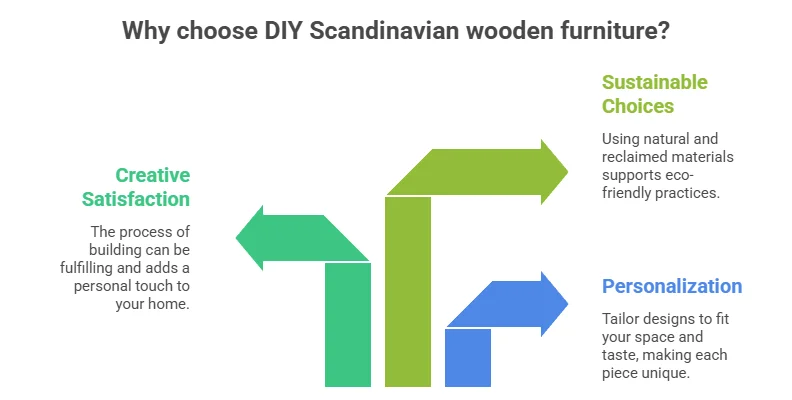
Choosing to make your own furniture comes with several benefits:
- Cost-effective: Crafting your own pieces can save you money compared to buying retail.
- Personalization: You can tailor designs to fit your space and taste, making each piece unique.
- Creative Satisfaction: The process of building can be fulfilling and adds a personal touch to your home.
- Sustainable Choices: Using natural and reclaimed materials supports eco-friendly practices.
Resources for DIY Projects
If you’re interested in learning more about DIY Scandinavian Wooden Furniture, check out these resources:
- Love Furniture – Offering inspiration and tips for your projects.
- Wood Magazine – Featuring various woodworking projects and guides.
- Dwell – Showcasing modern home design and ideas.
Transform your home into a Scandinavian sanctuary by crafting your very own wooden furniture. The charm of DIY projects lies in their ability to express your personal style while also celebrating the beauty of simplicity. So grab your tools, and let your creativity flow!
Essential Tools and Materials for Crafting Your Own Scandinavian Furniture
Crafting your own DIY Scandinavian Wooden Furniture is a rewarding project that can bring both function and beauty to your home. To achieve high-quality results, it’s vital to have the right tools and materials on hand. Below, you’ll find a comprehensive guide to essential tools and materials, so you can get started on your DIY Scandinavian Wooden Furniture journey.
Tools for Creating Scandinavian Furniture
When you begin your DIY project, having the proper tools will make the process smoother and more enjoyable. Here’s a list of some essential tools:
- Measuring Tape: Accurate measurements are crucial in furniture making.
- Square: This tool ensures that your cuts are straight and angles are precise.
- Hand Saw or Circular Saw: Great for cutting wood to the desired dimensions.
- Drill: A drill will help you create holes for screws and install hardware.
- Screwdriver: Necessary for assembling your pieces.
- Sanding Block: Smooth out rough edges for a polished look.
- Clamps: These hold your pieces together while the glue dries.
- Wood Glue: A strong adhesive that bonds well and dries clear.
Materials to Use for Your Scandinavian Furniture
Scandinavian design emphasizes simplicity and functionality, which can be reflected in the materials you choose for your furniture. Here’s a list of commonly used materials:
- Wood: Pine, birch, or oak are popular options. Choose high-quality, sustainable wood for durability.
- Finishing Products: Natural oils or water-based paints allow you to enhance the wood’s appearance while keeping it eco-friendly.
- Hardware: Brass or stainless steel screws and hinges add a modern touch and ensure longevity.
- Legs and Bases: Consider pre-purchased legs or bases to elevate your design effortlessly.
Choosing the Right Wood
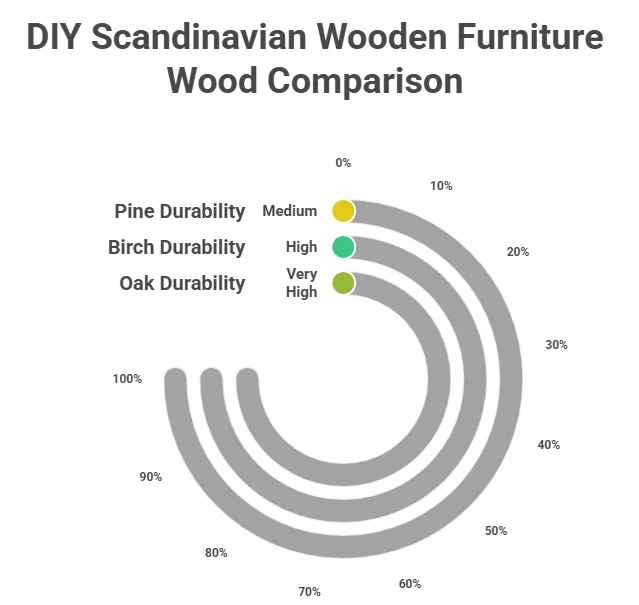
Selecting the right type of wood is essential for both strength and aesthetic appeal. Below is a comparison of various types of wood ideal for your DIY Scandinavian Wooden Furniture projects:
| Wood Type | Durability | Cost | Aesthetic |
|---|---|---|---|
| Pine | Medium | Low | Light color, knots add charm |
| Birch | High | Medium | Smooth grain, pale color |
| Oak | Very High | High | Rich color, prominent grain |
Where to Buy Tools and Materials
Finding quality tools and materials is crucial for ensuring your DIY project goes smoothly. Some reliable sources include:
- Woodcraft – Offers a wide variety of tools and quality wood.
- Home Depot – A great source for tools and common materials.
- Lowe’s – Another retailer with a solid selection of DIY supplies.
To truly embrace the Scandinavian aesthetic, keep your design simple and functional. Select materials that not only look good but will withstand the tests of time. As you set out to craft your own DIY Scandinavian Wooden Furniture, investing in quality tools and materials is the first step in ensuring your success. Happy crafting!
Step-by-Step Guide: Building a Simple Scandinavian-Style Coffee Table
Creating your own Scandinavian-style coffee table can be a rewarding project, especially if you enjoy woodworking and want to add a personal touch to your home decor. This guide will walk you through building a simple yet elegant coffee table that embodies the clean lines and minimalist aesthetic characteristic of Scandinavian design. The best part? You don’t need advanced skills or expensive tools to get started!
Materials Needed
- 1×3-inch lumber (choose pine or birch for that Scandinavian feel)
- 1×4-inch lumber (optionally for tabletop support)
- Wood screws (1 1/4 inch)
- Plywood (for the tabletop)
- Wood glue
- Sandpaper (100 and 220 grit)
- Paint or wood stain (optional)
- Varnish (for protection)
- Wood finish brush or cloth
- Measuring tape
- Circular saw or miter saw
- Drill with drill bits
- Screwdriver
- Safety goggles
- Clamps (optional for stability)
Step 1: Measuring and Cutting the Wood
Start by measuring the pieces of wood you’ll need. For a coffee table, a standard size would be around 45 inches long, 20 inches wide, and 18 inches high. Based on these dimensions, you can cut your pieces accordingly:
- Two pieces at 45 inches for the table length
- Two pieces at 20 inches for the table width
- Four legs at 18 inches each
Use a circular saw or miter saw for precise cuts. Always wear safety goggles when using power tools!
Step 2: Assemble the Tabletop
To create a sturdy tabletop, you may opt for plywood. Cut your plywood to the size of 45 x 20 inches. If you want a thicker tabletop, you can layer multiple pieces of thinner wood to achieve the desired thickness. Lay the cut pieces flat and secure them together using wood glue. Use clamps to hold them tight while the glue dries. Once dry, sand the surface with 100-grit sandpaper followed by 220-grit for a smooth finish.
Step 3: Construct the Base
Now, let’s build the base. Take the two long pieces (the sides) and attach the shorter ones (the front and back) using wood screws and wood glue. This should form a rectangular frame. Ensure that you drill pilot holes first to prevent splitting the wood.
Step 4: Attaching the Legs
To attach the legs, position them at each corner of the rectangular frame. Use wood screws to secure them into place. Make sure each leg is flush with the frame to maintain balance. This step is vital as a stable base ensures your coffee table will withstand daily use.
Step 5: Final Assembly
Once the base is complete, flip it over and attach the plywood tabletop with wood screws. It’s essential to ensure that everything aligns well and is stable.
Step 6: Sanding and Finishing Touches
After assembly, give the entire table another round of sanding to smooth out any rough edges. This is a crucial step in preparing your coffee table for finishing. Choose to paint or stain your table according to your preference. For that classic Scandinavian look, a light stain or just a clear varnish often works well. Apply using a brush or cloth and allow it to dry completely.
Step 7: Protection and Maintenance
To protect the surface, consider adding a coat of varnish after applying the stain. This will help in resisting damage from spills or scratches. Regularly clean your table with a soft cloth to maintain its appearance. Learn more about Scandinavian furniture style and how to incorporate these elements into your DIY projects. Ana White offers various plans and tips for DIY furniture projects.
Building your Scandinavian-style coffee table not only enhances your living space but also provides a sense of accomplishment. Embrace your creativity, and enjoy the process of crafting a piece that truly reflects your personal style!
Tips for Choosing the Right Wood for Scandinavian Designs
When embarking on a DIY project, especially in Scandinavian designs, selecting the right wood is crucial. Scandinavian furniture is known for its minimalism, functionality, and natural aesthetic, but the wood you choose can greatly influence the overall look and feel of your piece. Understanding the characteristics of different types of wood will help you create stunning, high-quality furniture that embodies the essence of Scandinavian design.
Types of Wood Commonly Used in Scandinavian Designs
Here are some types of wood that are popular in Scandinavian furniture:
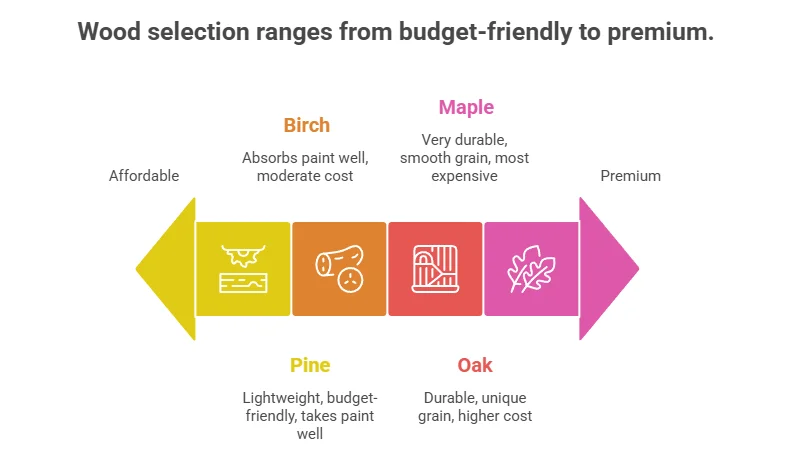
- Pine: This is a favorite choice due to its light color, affordability, and ease of use.
- Birch: With its fine grain and smooth texture, birch is often used for its durability and strength.
- Oak: Oak is recognized for its robustness and timeless beauty.
- Maple: Known for its durability and resistance to scratches, maple has a subtle grain.
- Beech: Beech has a light color and is highly versatile.
Factors to Consider When Choosing Wood
Choosing the right wood for your Scandinavian DIY project involves several key factors:
| Factor | Description |
|---|---|
| Durability | Consider how much wear and tear the furniture will undergo. Hardwoods such as oak and maple are ideal for high-traffic areas. |
| Grain Pattern | Different wood types have unique grain patterns. Choose a wood type that complements your desired aesthetic. |
| Weight | If you plan to move your furniture often, opt for lighter wood like pine. |
| Finish | Some woods take stains and finishes better than others. Birch, for example, absorbs paint well. |
| Cost | Budget is an important factor. Pine is generally more affordable than other hardwoods. |
How to Source Quality Wood
Once you have determined which type of wood to use, sourcing quality wood is the next step. Here are some tips:
- Visit Local Lumber Yards: Lumberyards often offer quality wood and expert advice.
- Check Online Retailers: Websites like Woodworkers Source provide a variety of options.
- Look for Reclaimed Wood: Reclaimed wood is eco-friendly and brings a unique look.
- Consider Sustainability: Always try to choose sustainably sourced wood (FSC certified).
FAQs about Wood Selection for Scandinavian Designs
Here are some common questions related to choosing wood for Scandinavian furniture:
- What is the most popular wood for Scandinavian furniture? Pine is one of the most popular due to its light color and ease of handling.
- Can I use plywood for my projects? Yes, plywood can be a good option. It often has a veneer finish that mimics solid wood.
- How do I care for my wooden furniture? Regular dusting and periodic oiling can enhance the wood’s natural beauty.
By understanding these various factors and available types of wood, you can better select the perfect material for your DIY Scandinavian Wooden Furniture. With the right choice, you’ll not only create beautiful pieces but also enjoy the process of crafting functional art for your home.
How to Incorporate DIY Scandinavian Furniture into Your Home Décor
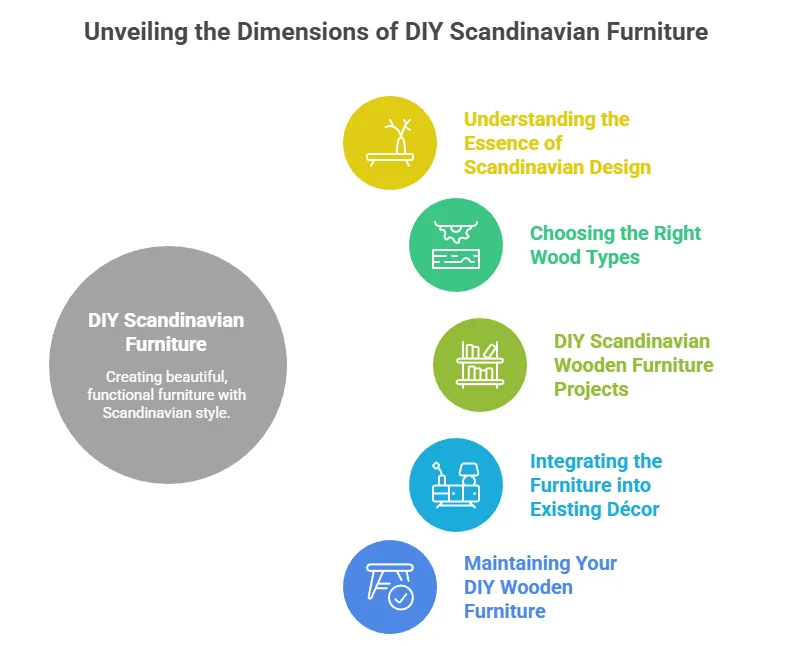
Scandinavian design emphasizes simplicity, functionality, and beauty. Incorporating DIY Scandinavian Wooden Furniture into your home can elevate your décor while adding a personal touch. This guide will help you explore how to seamlessly blend these stylish pieces into various rooms of your home.
Understanding the Essence of Scandinavian Design
Scandinavian design is characterized by clean lines, minimalism, and a focus on natural materials. When choosing wooden furniture, look for pieces that highlight the wood’s grain and texture. This allows each item to tell its own story while contributing to a harmonious atmosphere in your space.
Choosing the Right Wood Types
When embarking on DIY projects, it’s essential to select appropriate wooden materials. Here are a few popular choices:
- Pine: Affordable and readily available, this softwood is easy to work with and takes stain well.
- Birch: Known for its fine grain, birch is durable and offers a smooth finish.
- Oak: A hardwood that is both strong and aesthetically pleasing.
- Teak: Excellent for outdoor furniture, teak withstands moisture.
DIY Scandinavian Wooden Furniture Projects
Now that you’ve chosen your wood type, it’s time to dive into some DIY projects that will help you incorporate Scandinavian design into your home.
1. Scandinavian Coffee Table
Building a coffee table is a rewarding project that offers a central centerpiece for your living room. To make one: Cut the wood into large rectangular pieces for the tabletop and smaller pieces for the legs. Assemble the legs at each corner and finish to highlight the wood’s natural beauty.
2. Simple Bookshelves
Bookshelves can serve as both functional and decorative elements. Create a simple yet stylish wooden bookshelf using a few planks: Measure your desired height, cut shelves and supports, and secure them using brackets for stability.
3. Cozy Wooden Bench
A wooden bench can act as extra seating or a decorative piece in your hallway: Choose a thick piece of wood for the top and sturdy legs, sand the edges, and finish it with a clear sealant.
Integrating the Furniture into Existing Décor
Once you’ve crafted your DIY Scandinavian Wooden Furniture, consider how to integrate these pieces into your home. Here are some tips:
- Color Coordination: Use a neutral color palette to enhance simplicity. Whites, grays, and soft blues work well.
- Natural Light: Position wooden furniture near windows to showcase its natural beauty.
- Accessorize: Use minimalistic decorations, such as potted plants, to keep the focus on the furniture.
Maintaining Your DIY Wooden Furniture
To keep your DIY Scandinavian Wooden Furniture looking its best, regular maintenance is key. Clean with a damp cloth, apply wood conditioner every few months, and avoid placing hot items directly on the surface.
Enhancing your home with DIY Scandinavian Wooden Furniture is not only budget-friendly but also allows you to create personalized pieces that reflect your style. For more design inspiration, visit Scandinavian Home or check out IKEA for versatile wooden designs. Get started on your DIY journey, and embrace the minimalist charm of Scandinavian design!
Conclusion
Creating your own DIY Scandinavian Wooden Furniture is a rewarding journey that allows you to embrace a minimalist aesthetic while adding personal touches to your home. The charm of Scandinavian design lies in its simplicity, functionality, and beauty. By crafting pieces like a coffee table or a bookshelf, you not only invest in your living space but also in a unique artistry that reflects your personality. As you gather essential tools and materials, you’ll find that building furniture can become an enjoyable weekend project. Following the step-by-step instructions helps demystify the process, making it accessible for everyone.
Choosing the right wood is crucial—opt for durable yet lightweight options like pine or birch. Once you’ve built your DIY Scandinavian Wooden Furniture, the fun doesn’t stop there. Integrating your handmade pieces into your home décor is an exciting way to create harmony in your living space. Ultimately, the journey of DIY Scandinavian Wooden Furniture allows you to express creativity while enjoying the peaceful, uncluttered vibe this style offers. So get inspired, roll up your sleeves, and start crafting your own Scandinavian charm today!