
When diving into woodworking, many beginners want to create items that not only hone their skills but also generate profit. There are plenty of Woodworking Projects for Profit that are suitable for beginners. These projects are generally easy to make, require minimal tools, and can yield a good return on investment. Below are some exciting ideas that can get you started on your woodworking journey while earning some extra cash.
Simple Furniture Projects
Furniture is always in demand, and starting with simple pieces can help build your confidence. Here are a few beginner-friendly options:
- Stools: Build a basic wooden stool. You can sell these for indoor use or outdoor settings.
- Bookshelves: Simple shelving units can be made from plywood. They’re great for storage and are always sought after.
- Coffee Tables: A rustic coffee table can attract many buyers. A little creativity in design can increase its value.
Home Décor Items
Home décor is a booming market. Items here often sell quickly and can have high-profit margins:
- Wooden Signs: Personalization is key. Create custom signs for homes. You can add family names, quotes, or addresses.
- Picture Frames: Offer unique designs and sizes. Frames are always in demand for personal use or gifts.
- Coasters: Simple wooden coasters can be made from scrap wood. Add a finish to make them appealing.
Outdoor Projects
With the rise in outdoor activities, woodworking projects that cater to these interests can be quite profitable. Consider creating the following:
- Birdhouses: Design and build charming birdhouses. They attract customers who love gardening and wildlife.
- Planters: Wooden planters can fit various styles. They’re popular among homeowners looking to beautify their gardens.
- Garden Benches: Simple garden benches are easy to make and can bring customers looking to relax outdoors.
Crafting Toys
Handcrafted wooden toys can be a hit with parents who prefer non-toxic options for their children. Here are some toy ideas:
- Building Blocks: Wooden blocks are timeless. Design unique shapes and sizes to attract buyers.
- Puzzles: Create simple shape puzzles. They are good for developmental play and are always a hit.
- Pull Toys: Simple pull toys can be both fun and decorative. Kids will love them, and parents will appreciate the craftsmanship.
Craft Shows and Online Platforms
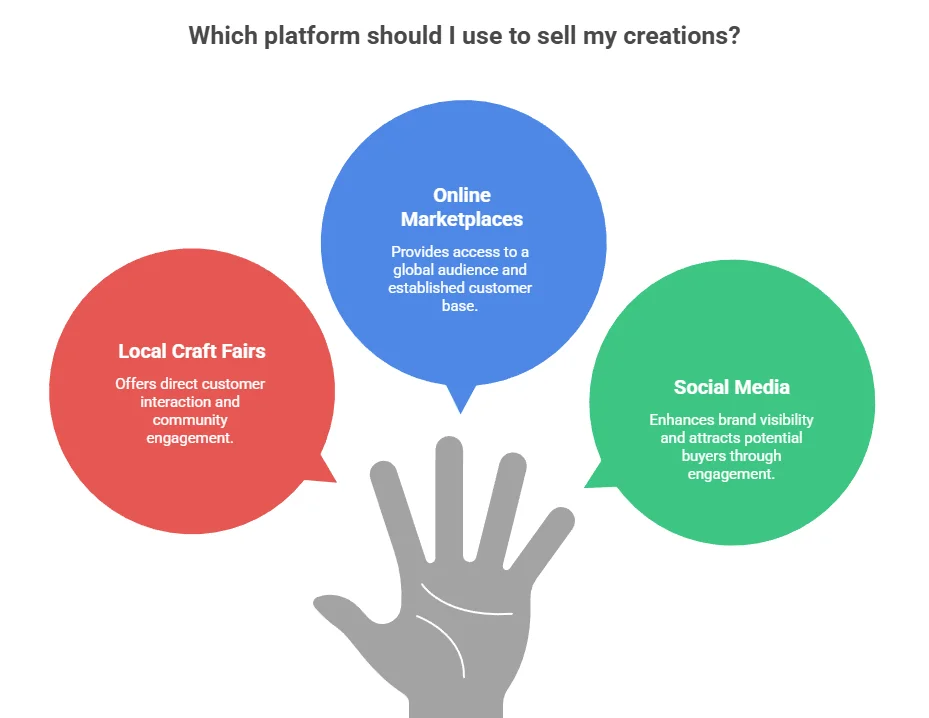
Now that you have some projects in mind, you’ll want to consider where to sell your creations. You can explore the following avenues:
| Platform Type | Description |
|---|---|
| Local Craft Fairs | Set up a booth to showcase your items directly to customers. |
| Online Marketplaces | Use platforms like Etsy to reach a wider audience. |
| Social Media | Promote your projects on platforms like Instagram and Facebook to attract potential buyers. |
Deciding on what to create can be daunting, but focusing on these profitable Woodworking Projects for Profit for beginners will give you a great start. As you create and sell, you’ll gain experience and confidence, allowing you to explore even more complex designs in the future. For additional resources, you might want to check out Wood Magazine for ideas and project plans. With the right approach and creativity, woodworking can be a fulfilling and profitable endeavor!
Essential Tools for Making Money with Woodworking
Are you ready to turn your woodworking hobby into a profitable venture? Having the right tools is crucial for success in this field. With essential tools at your disposal, you can create high-quality products that customers will love. Below, we’ll explore the must-have tools to help you make money with woodworking projects.
Essential Hand Tools
Hand tools are the backbone of any woodworking project. They provide precision and control that power tools often cannot match. Here’s a list of essential hand tools:
- Chisels: Necessary for intricate cuts and shaping. A good set should include different sizes for versatility.
- Saws: A coping saw, hand saw, and a dovetail saw are great choices for various cuts. They allow for detailed work and fine adjustments.
- Planes: Essential for smoothing surfaces and refining edges. A block plane can be particularly useful for small tasks.
- Clamps: Having several types, like bar clamps and pipe clamps, is crucial for holding pieces together as glue dries.
- Measuring and Marking Tools: A tape measure, square, and marking gauge will help you achieve precise measurements and quality results.
Power Tools for Efficiency
While hand tools are vital, power tools can significantly increase your efficiency and expand your capabilities. Here are some power tools that can help you maximize your woodworking output:
- Table Saw: This is one of the most important tools for any serious woodworker. It allows you to make straight cuts quickly and accurately.
- Band Saw: Ideal for cutting curves and intricate shapes. It can also handle thicker pieces of wood that other saws might struggle with.
- Router: Perfect for hollowing out areas of wood and creating decorative edges. Routers are versatile and can open up new design possibilities.
- Drill Press: This tool provides a stable platform for drilling holes in wood and ensures accuracy, letting you create perfect holes each time.
- Sander: A power sander helps you achieve a smooth finish quickly. Orbital and belt sanders are popular choices among woodworkers.
Safety Gear
Safety is paramount when working with woodworking tools. It’s crucial to protect yourself while pursuing your passion. Here’s some essential safety gear:
- Safety Glasses: Protect your eyes from flying debris and dust.
- Ear Protection: Use earplugs or noise-canceling headphones to safeguard your hearing from loud tools.
- Dust Masks: A mask protects you from inhaling dust produced during woodworking, which can be harmful to your lungs.
- Gloves: Use gloves that allow for dexterity but also provide some protection against splinters and sharp edges.
Investing in Quality Tools
When investing in tools for woodworking projects, it’s wise to focus on quality over quantity. Quality tools not only perform better but also last longer. Start with the basics and add more specialized tools as your business grows. Keep in mind, some brands are renowned for their durability and performance. Research and read reviews to see what fellow woodworkers recommend. Additionally, consider visiting your local hardware store or reputable online sites like Fine Woodworking for recommendations on tools that match your needs.
Expanding Your Workshop
As you start to see profits from your woodworking projects, think about how you can expand your workshop. More efficient workspace layouts, additional storage solutions, and better organization can enhance your productivity. It’s worthwhile to invest in workbenches that suit your projects and ease your workflow.
Remember, making money through woodworking involves not just the tools but also honing your skills and offering quality products that meet customer demands. As you build your portfolio, don’t forget to promote your projects using social media and local markets. Websites like Wood Magazine provide great insights into market trends and woodworking techniques. With the right tools and dedication, you can turn your passion for woodworking into a profitable business. Whether you’re crafting furniture, decorative pieces, or useful household items, ensure that your workspace is set up for success!
Marketing Your Woodworking Creations: Strategies for Success
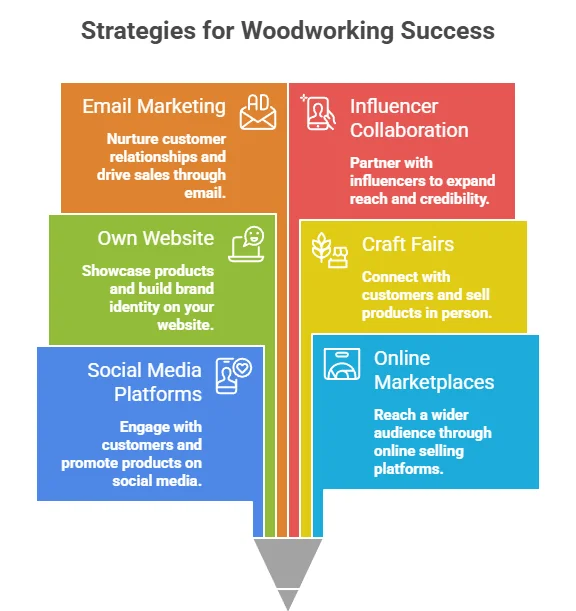
Turning your woodworking passion into profit requires more than just skill; it requires effective marketing strategies. By showcasing your creations properly, you can attract customers and maximize sales. Here, you’ll find several actionable ways to market your woodworking projects effectively.
Leverage Social Media Platforms
Social media is a powerful tool for promoting your woodworking creations. By setting up profiles on platforms like Facebook, Instagram, and Pinterest, you can reach a broader audience. Here are some tips for leveraging these platforms:
- High-Quality Images: Post pictures of your finished projects. Make sure they are well-lit and showcase the details of your work.
- Behind-the-Scenes Content: Share stories or videos of your crafting process. This makes your audience feel connected to your work.
- Engagement: Respond to comments and questions. Engaging with your followers builds community and trust.
Utilize Online Marketplaces
Consider selling your woodworking projects on online marketplaces like Etsy or Amazon Handmade. These platforms have built-in audiences already looking for handmade products. Here’s how to get started:
- Create Detailed Listings: Include clear descriptions, dimensions, and materials used.
- Keywords: Use relevant keywords in your product titles and descriptions to improve search visibility.
- Offer Customization: Allow customers to request personalized items, adding unique value to your offerings.
Build Your Own Website
A personal website allows you to fully control your brand. This is a space where you can showcase your portfolio, share your story, and sell your creations. Consider the following components for an effective website:
- Portfolio Page: Display your best projects with beautiful photos.
- Blog Section: Share your woodworking tips and tricks. This can attract more visitors and improve SEO.
- E-commerce Setup: Use platforms like WooCommerce or Shopify to create an online store.
Attend Craft Fairs and Markets
Local craft fairs and farmers’ markets provide an excellent venue for selling your woodworking projects face-to-face. Here are some tactics to make the most of these events:
- Visual Appeal: Create an attractive booth that highlights your work.
- Networking: Connect with other crafters and vendors for mutual support.
- Give Out Business Cards: Make sure visitors can easily reach you after the event.
Use Email Marketing
Email marketing allows you to reach interested customers directly. Here’s how to utilize email effectively:
- Build a Subscriber List: Add a signup form on your website for interested visitors.
- Monthly Newsletters: Share updates, new products, or upcoming sales.
- Exclusive Offers: Offer discounts or early access to new products for your email subscribers.
Collaborate with Influencers
Partnering with woodworking influencers can dramatically increase your reach. Identify influencers who align with your brand and reach out for collaborations. You could:
- Send Samples: Offer them your products in exchange for reviews.
- Join Forces for Projects: Collaborate on special projects that benefit both parties.
- Offer Affiliate Programs: Incentivize influencers to promote your products through a commission on sales.
Participate in Online Forums and Communities
Joining forums such as Reddit woodworking communities or Facebook groups can be beneficial. Here you can:
- Share Your Knowledge: Answer questions and provide value to others.
- Showcase Your Work: Share links to your projects within discussions, but ensure it’s relevant and not spammy.
- Network: Connect with other woodworkers and enthusiasts who may share your work.
For additional resources on marketing woodworking creations, you may find the following websites helpful: Wood Magazine, Etsy, and Shopify. By implementing these strategies, you enhance your chances of turning your woodworking projects into a profitable venture. With the right approach, you can turn your passion into a successful business.
Eco-Friendly Woodworking: Turning Sustainability into Profit
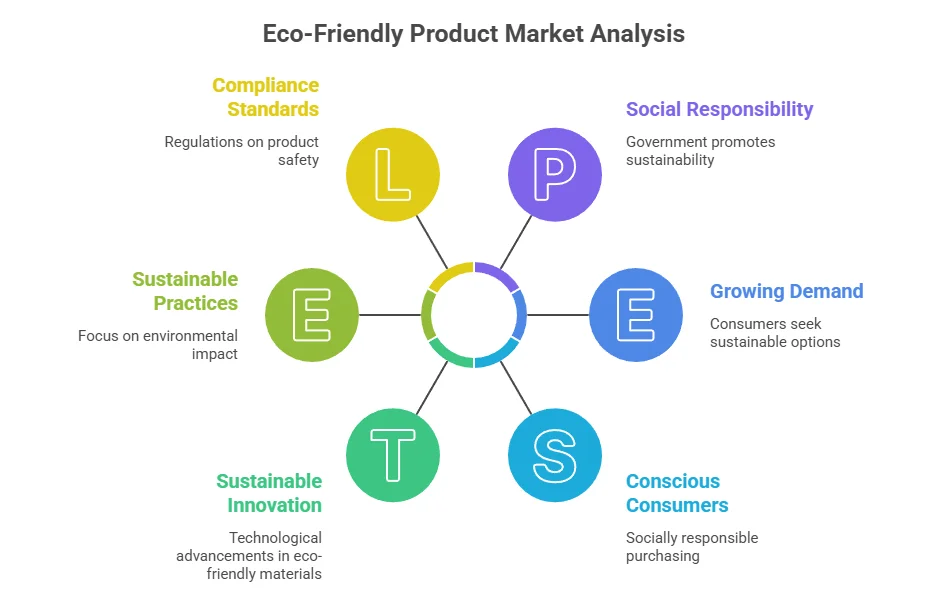
As consumers become more aware of environmental issues, the demand for eco-friendly products continues to rise. This presents an exciting opportunity for woodworking enthusiasts to turn their skills into profitable ventures. By focusing on sustainable materials and practices, you can create beautiful, functional pieces while also promoting a greener planet. Let’s explore various ways you can embark on eco-friendly woodworking projects that can lead to profit.
One of the first steps to start your eco-friendly woodworking journey is to choose sustainable materials. Here are some great options:
- Reclaimed Wood: Salvaging wood from old buildings, furniture, or pallets helps reduce waste and gives your projects unique character.
- Bamboo: This fast-growing grass is a renewable resource that can be used for furniture, decor, and more.
- Sustainable Forestry Products: Look for wood certified by organizations like the Forest Stewardship Council (FSC), ensuring ethical sourcing.
- Composite Materials: Made from recycled wood and plastic, these materials can offer durability and sustainability.
Next, consider the types of products you can create that align with eco-friendly principles. Here are some project ideas:
- Custom Furniture: Build tables, chairs, or shelves using reclaimed wood. Unique designs highly appeal to eco-conscious consumers.
- Home Decor: Items like wooden picture frames, wall art, or planters can be made from leftover materials.
- Kids’ Toys: Craft safe, non-toxic toys using sustainably sourced wood. These often attract parents looking for eco-friendly options.
- Garden Accessories: Raised planters, birdhouses, and compost bins can encourage sustainability in gardening.
Eco-friendly woodworking isn’t just about materials; it’s also about minimizing waste. Consider these waste-reducing strategies while working on your projects:
- Optimize Material Usage: Plan your cuts carefully to make the most of each piece of wood.
- Recycling Offcuts: Small scraps of wood can be used for smaller projects or as accents in larger pieces.
- Compostable Waste: Dispose of wood shavings or other organic waste in your compost bin to enrich the soil.
To maximize profit, it’s essential to price your items correctly. Consider these factors: Cost of materials and tools, Time spent on each project, Market demand for eco-friendly products, and Competition in your area or online.
Once you have created your products, effective marketing is vital to reach potential customers. Here are some effective strategies to promote your eco-friendly woodworking projects:
- Social Media: Share photos and stories of your projects on platforms like Instagram and Pinterest to connect with like-minded individuals.
- Online Marketplaces: Utilize sites like Etsy or eBay to reach a broader audience interested in eco-friendly products.
- Create a Website: Showcase your creations, share your process, and provide educational content about sustainability in woodworking.
- Collaborate: Partner with local businesses and eco-friendly organizations to increase visibility and access new customer bases.
Understanding customer preferences can also enhance your product offerings. Market research can help you identify trends and needs in your local area or online. Here is a table to summarize different types of eco-friendly products and their customer appeal:
| Product Type | Target Audience | Market Appeal |
|---|---|---|
| Furniture | Homeowners, Eco-conscious buyers | High demand for unique pieces |
| Children’s toys | Parents, Educators | Seeking safe, sustainable options |
| Decor Items | Interior Designers, Home Decor Enthusiasts | Trendy and socially responsible |
| Garden Accessories | Gardening Enthusiasts, Eco-conscious homeowners | Growing interest in sustainable gardening |
For more insights and resources on eco-friendly woodworking, visit Wood Magazine and Woodworker’s Source Blog. Both provide valuable information on sustainable practices and woodworking tips. Embracing eco-friendly woodworking is a rewarding path that not only potentially brings you profit but also contributes positively to our environment. By choosing sustainable materials, minimizing waste, and marketing your creations effectively, you are setting yourself up for success while making a difference. Start exploring the possibilities today!
Crafting Custom Furniture: A Lucrative Woodworking Venture
Crafting custom furniture offers an exciting blend of creativity and profitability, perfect for woodworking enthusiasts looking to turn their passion into a lucrative business. If you have woodworking skills, the potential for profit is immense. With the right guidance and approach, you can create unique pieces that appeal to various buyers.
When it comes to crafting custom furniture, one of the first steps is to identify your target market. Consider the following groups: Homeowners looking for unique pieces, Interior designers seeking custom solutions for clients, Businesses wanting to upgrade their office furniture, and Real estate agents needing staging furniture. Understanding who you want to sell to will help you tailor your projects accordingly. This can also influence the types of materials you work with, the designs you choose, and the price points of your offerings.
Next, think about the types of furniture that will resonate with your market. Some popular custom furniture projects for profit include:
- Dining Tables: A well-crafted dining table can be a centerpiece of a home. Offering unique designs or customization options can significantly enhance appeal.
- Bookshelves: Customized bookshelves cater to different spaces and preferences, making them an attractive option for many buyers.
- Bed Frames: Adding unique touches to bed frames or creating tailored designs can attract customers looking for specific styles.
- Cabinets: Custom storage solutions are always in demand, especially those that maximize space in unique ways.
After identifying potential projects, it’s essential to focus on the materials you’ll use. High-quality materials often lead to higher prices and happier customers. Consider the following options:
- Hardwoods: Oak, maple, and cherry are not only beautiful but durable, making them perfect for furniture.
- Sustainable Options: Eco-friendly woods and materials attract a growing group of environmentally conscious consumers.
- Mixed Materials: Combining wood with metal or glass can create striking visual contrast, appealing to modern design aesthetics.
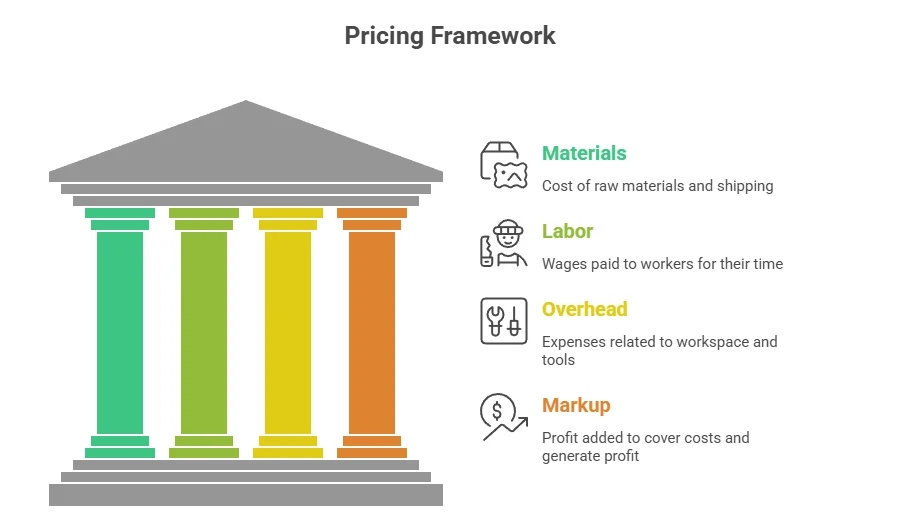
Pricing your custom furniture appropriately is crucial. Your prices should reflect the quality of your work, the materials used, and your time spent on each project. You can use this formula to calculate your prices:
| Cost Element | Calculation |
|---|---|
| Materials | (Cost of materials) + (Shipping costs if applicable) |
| Labor | (Hourly wage) x (Time spent on project) |
| Overhead | (Utilities, tool maintenance, workspace costs) |
| Markup | (Percentage profit added on total cost) |
In addition to crafting, marketing your custom furniture is essential for success. Use social media platforms like Instagram and Pinterest to showcase your work. A visually appealing feed can attract potential customers. Consider building a website to display your portfolio and include e-commerce features for easy purchasing. Check out resources like Woodworkers Source for materials and inspiration.
Don’t forget the power of word-of-mouth referrals. Deliver quality pieces, and encourage satisfied customers to share their experiences. Offering discounts for referrals can also motivate customers to promote your work. Participating in local craft fairs and online marketplaces like Etsy allows you to reach a broader audience. This can significantly boost sales while letting you gather feedback on your creations. Focus on producing standout items that highlight your skills and creativity.
Crafting custom furniture can be a rewarding venture, both creatively and financially. By understanding your market, creating quality pieces, and utilizing effective marketing techniques, you can transform your woodworking passion into a profitable business. Explore more tips and community connections at Wood Magazine to further enhance your woodworking business strategies.
Conclusion
Venturing into Woodworking Projects for Profit opens up a world of opportunities for both beginners and seasoned artisans alike. By starting with profitable projects tailored for beginners, you can quickly build confidence and refine your skills while creating sought-after items. Equipping yourself with the essential tools for woodworking not only enhances your craftsmanship but also boosts your efficiency, ensuring you can maximize profits.
Effective marketing strategies play a pivotal role in your success. By showcasing your creations through social media, local craft fairs, and online marketplaces, you can reach potential customers eager for unique, handcrafted items. Remember, the story behind each piece can make it even more appealing. Sharing your passion and the process involved in crafting your items can draw customers to your work.
Moreover, embracing eco-friendly woodworking practices not only appeals to the growing market of environmentally conscious consumers but also adds an extra layer of value to your products. Sustainability can be a selling point that differentiates your offerings from mass-produced alternatives.
Crafting custom furniture presents a lucrative venture as it allows you to cater to individual client needs while often commanding higher prices for bespoke pieces. Balancing creativity with business acumen will ultimately turn your woodworking hobby into a rewarding career. By harnessing these strategies and focusing on quality, you can build a profitable woodworking business that reflects your unique style and craftsmanship while also fulfilling market demands. Embrace the journey ahead and let your wooden creations work for you.