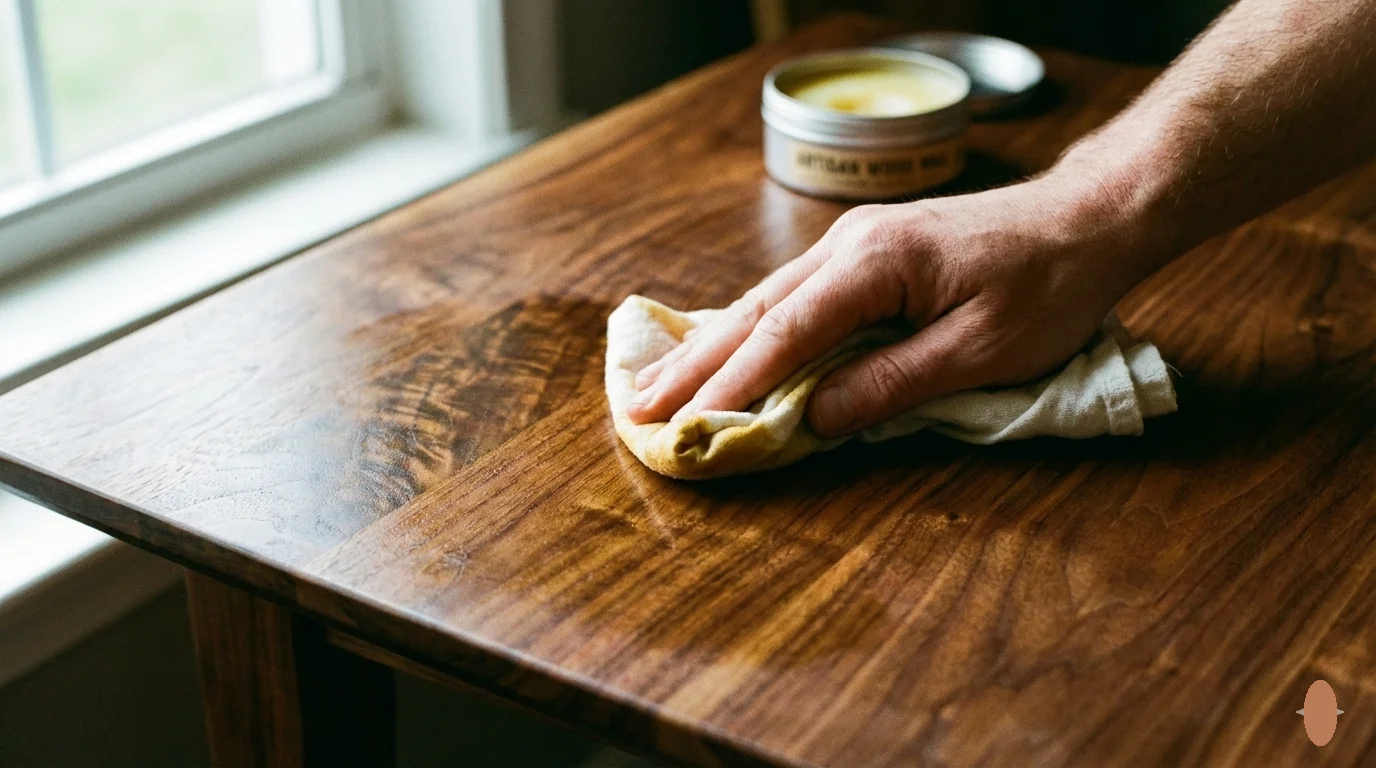
Wood cracking is a common issue that affects furniture, which can lead to unsightly damage and decreased value. Understanding How to Prevent Wood Cracking is crucial for preserving the beauty and integrity of your wooden pieces. By taking the right precautions, you can keep your furniture looking stunning for years to come. Here are some effective techniques to prevent wood cracking.
What are the Causes of Wood Cracking
Before implementing preventive measures, it’s important to know what can cause wood cracking. Key factors include:
- Temperature changes: Extreme heat or cold can cause wood to expand and contract, leading to cracks.
- Humidity levels: Low humidity can dry out wood, making it brittle and prone to cracking.
- Improper finishing: Lack of or inappropriate finishes can expose wood to moisture and air, contributing to damage.
Maintain Consistent Humidity
One of the simplest methods to prevent wood cracking is to maintain a consistent humidity level in your home. Ideally, the humidity should be between 40% and 60%. You can use a hygrometer to monitor the humidity levels in your home. If the humidity drops, consider using a humidifier to bring it back up. Conversely, if it gets too high, a dehumidifier can help.
Use Proper Sealing and Finishing Techniques
Proper sealing is vital in protecting your furniture. Here are some tips to ensure your furniture is well-protected:
- Choose the right finish: Use high-quality wood finishes such as polyurethane, varnish, or lacquer that provide a strong barrier against moisture.
- Apply correctly: Follow application instructions carefully. Ensure you sand the wood properly before applying the finish to enhance adhesion.
- Reapply regularly: Over time, finishes can wear off. Periodically reapply a protective coat to keep your furniture safe.
Avoid Direct Sunlight
Direct sunlight can cause wood to dry out and crack. It can also fade colors over time. To protect your furniture:
- Move furniture: Position your pieces away from windows or areas where they receive direct sunlight.
- Use window treatments: Install blinds, shades, or curtains to block sunlight during peak hours.
- Consider UV-resistant coatings: Applying these coatings can also help protect wood from sun damage.
Temperature Control
Keeping a stable temperature in your home is essential for wood furniture. Fluctuations can cause expansion and contraction, leading to cracks. Here are some suggestions:
- Keep heating systems in check: Avoid placing furniture near radiators or heating vents.
- Use air conditioning: Maintaining a stable temperature, especially during the summer months, can help prevent damage.
Regular Dusting and Cleaning
Regular maintenance can enhance both the beauty and durability of your furniture. Consider these tips:
- Dust frequently: Use a soft, dry cloth to remove dust and debris, which can trap moisture.
- Cleansing products: Use wood-specific cleaners that won’t strip away protective finishes.
Consider Using Wood Conditioners
Wood conditioners can effectively reduce the risk of cracking by penetrating deep into the wood fibers. Use them before applying any finishes to ensure the wood absorbs moisture evenly and stays hydrated.
Repair Cracks As They Occur
If you notice a small crack forming, address it immediately. Here’s how:
- Fill with wood filler: Use a color-matched filler to disguise the crack.
- Sand and finish: Smooth the area and reapply finish for a uniform look.
By taking these steps, you can significantly reduce the chances of wood cracking in your furniture. This not only enhances the longevity of your pieces but also keeps your home looking stylish and well-maintained. Make sure to stay informed about proper wood care through resources like Wood Magazine and Woodworking Network. Protecting your furniture now will pay off with years of enjoyment.
Understanding the Causes of Wood Cracking
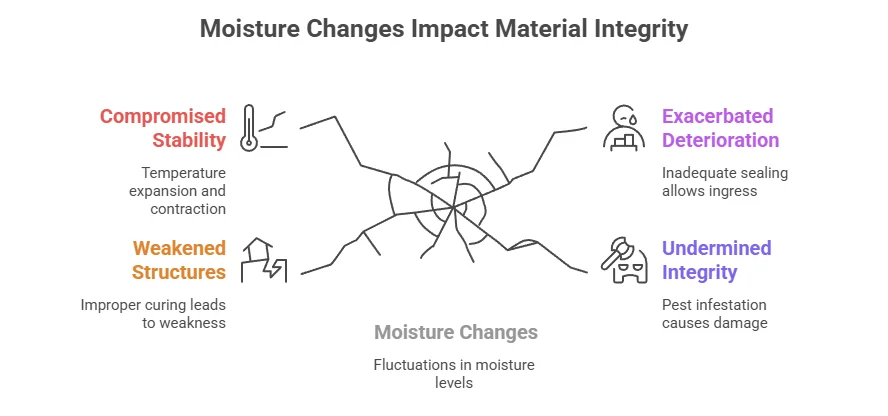
Wood is a beautiful and versatile material, often used in furniture, building, and crafts. However, one of the most frustrating issues you may encounter is wood cracking. Understanding the causes of wood cracking can help you preserve your wooden items and prevent further damage. By recognizing these factors, you will be better equipped to protect your investments. Let’s explore the primary reasons behind wood cracking.
Moisture Changes
One of the main culprits for wood cracking is moisture imbalance. Wood is a hygroscopic material, meaning it absorbs and releases moisture based on its surroundings. When wooden items are exposed to high moisture levels, they swell. Conversely, when the humidity decreases, the wood shrinks. This constant expansion and contraction can lead to stress fractures, resulting in cracks.
Key Factors in Moisture Changes:
- Environment: Your home’s climate can significantly affect the moisture content in wood. Regions with high humidity or constant temperature fluctuations tend to increase the chances of cracking.
- Indoor Heating: Heating systems during winter can reduce indoor humidity, causing wood to dry out rapidly and crack.
Improper Curing
Improper drying and curing processes during wood production can lead to inherent weaknesses. When wood isn’t dried adequately, it may contain excessive moisture that eventually escapes as the wood settles in its final environment. As the moisture leaves, it can create stress within the wood, leading to cracking over time.
The Importance of Curing: The curing process should follow industry guidelines to ensure that the wood achieves optimal moisture content. If you purchase green or freshly cut lumber, allow ample time for the wood to cure before using it.
Temperature Fluctuations
Temperature changes can also contribute to wood cracking. Thermal expansion and contraction can cause wood to weaken. Rapid temperature shifts, especially moving from a cold to a warm environment, can increase the likelihood of cracks forming. It is essential to store wooden items in areas where the temperature remains stable to minimize this risk.
Recommendations for Temperature Control:
- Keep wooden items away from direct heat sources, such as radiators or stoves.
- Consider using humidifiers in dry climates to maintain stable environmental conditions.
Inadequate Sealing
If wooden objects are not sealed correctly, they become more susceptible to cracking. Sealants and finishes protect the wood by preventing moisture from penetrating its surface. When these protective coatings wear off due to wear and tear or exposure to the elements, wood becomes vulnerable.
Sealing Strategies: Regularly check and reapply sealants to wooden items, especially those exposed to outdoor elements. Identify signs of wear, such as discoloration or rough texture, which can indicate that a new coat of sealant is needed.
Pest Infestation
Certain pests can damage wood and lead to cracks. Termites, for example, can eat through wood, compromising its structural integrity. Ants and other wood-boring insects can also create tunnels and weaken wooden items. This damage can manifest as cracks over time.
Prevention Tips for Pest Control:
- Regularly inspect wooden structures and furniture for signs of infestation.
- Employ pest control methods to protect your wood against potential damage.
By understanding the various causes of wood cracking, you can take proactive steps to protect your wooden belongings. Regular maintenance, environmental control, and proper handling are key factors in preserving the beauty and integrity of wood items. For more information on wood care and prevention, you can visit Wood Magazine or check out Woodworker’s Source for tips on maintaining your wooden furniture and products.
The Role of Humidity in Wood Preservation
Wood is a natural material that is constantly interacting with its environment, and one of the most significant factors influencing its longevity and stability is humidity. Understanding the relationship between humidity and wood preservation can help you maintain the structural integrity and aesthetic appeal of your wooden items. Humidity refers to the amount of moisture present in the air. When humidity levels change, wood absorbs or releases moisture, resulting in movement that can lead to cracking, warping, or other forms of damage. Keeping your wood items at an optimal humidity level is essential for preventing these issues.
The Impact of High Humidity on Wood
High humidity can create several problems for wooden structures and furnishings. Here are some common effects:
- Swelling: Wood absorbs excess moisture, causing it to swell. This can result in doors and windows sticking or not closing properly.
- Mold and Mildew: High humidity levels can also encourage the growth of mold and mildew, damaging the wood and posing health risks.
- Decay: Prolonged exposure to moisture can lead to wood decay, dramatically reducing the lifespan of wood products.
Low Humidity and Its Effects on Wood
On the other end of the scale, low humidity presents its own challenges:
- Creaking Sounds: As wood dries out, its size decreases, which may cause creaking and popping noises.
- Cracking: Insufficient moisture can cause wood to crack. This is particularly an issue for delicate items or high-quality furniture.
- Splitting: Over time, wood can split along the grain, which can ruin its appearance and integrity.
Optimal Humidity Levels for Wood Preservation
It’s crucial to maintain an optimal humidity range for preserving wooden items. Generally, the ideal indoor humidity level for wood is between 30% and 50%. Here’s how to check and maintain these levels:
- Use a Hygrometer: Invest in a hygrometer to monitor humidity levels in your home. This device will help you keep track and make adjustments as necessary.
- Dehumidifiers and Humidifiers: In areas with extreme humidity fluctuations, consider using a dehumidifier in damp months or a humidifier during dry seasons.
- Proper Ventilation: Ensure that spaces housing wooden items are well-ventilated to promote air circulation and moisture control.
Methods for Wood Treatment and Preservation
| Method | Description |
|---|---|
| Sealants | Applying sealants or coatings can help form a barrier against moisture penetration, thus reducing the wood’s absorption of humidity. |
| Oil Treatments | Wood oils, like linseed or tung oil, penetrate the wood, providing moisture resistance and flexibility to prevent cracking. |
| Wood Treatments | Specialized preservatives can be applied to prevent decay and mold growth, ensuring the wood remains stable in various conditions. |
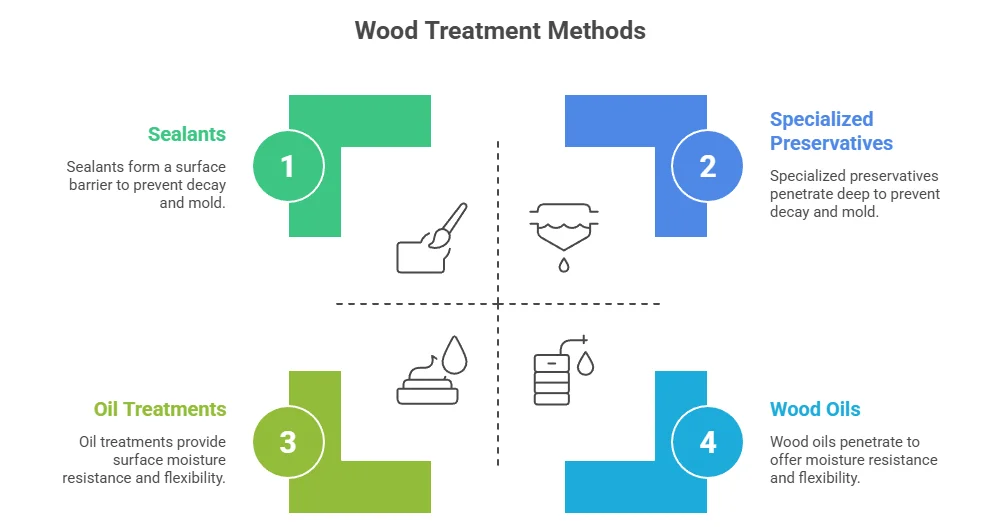
By understanding the role of humidity in wood preservation, you can implement effective strategies to maintain the life and beauty of your wooden items. Managing the humidity levels in your home will not only protect your wooden pieces but will also enhance their longevity and performance. For more information on preserving wood effectively, you might find these resources helpful: Wood Magazine, Fine Woodworking, and University of Minnesota Extension.
Best Products for Sealing and Protecting Wood Surfaces
When it comes to maintaining the beauty and longevity of wood surfaces, choosing the right products for sealing and protecting is crucial. Using effective sealers not only enhances the natural charm of wood but also protects it from moisture, dirt, stains, and aging. Here are some of the best products you can consider for sealing and protecting wood surfaces.
Polyurethane Sealers
Polyurethane sealers are popular for both interior and exterior wood surfaces. They offer a hard, protective finish ideal for high-traffic areas. Here are two top-rated products:
- Minwax Fast-Drying Polyurethane – This oil-based formula dries quickly and provides excellent durability.
- Varathane Advanced Polyurethane – A water-based option that dries crystal clear, providing a durable finish without the harsh odors.
Water-Based Sealers
Water-based sealers are an environmentally friendly alternative to oil-based products. They emit fewer volatile organic compounds (VOCs) and are easy to clean up. Consider these top choices:
- General Finishes High Performance Topcoat – This product is known for its durability and ease of application.
- Minwax Polycrylic Protective Finish – A versatile sealer that works well on wood furniture, cabinets, and more.
Oil-Based Products
Oil-based sealers offer a rich finish while penetrating the wood to provide deep protection. Here are two noteworthy products:
- Benjamin Moore Water Repellent Sealer – Ideal for outdoor wood surfaces, this product helps repel water and prevent damage.
- Eastwood Clear Urethane Exterior Wood Sealer – This sealer not only protects but also enhances the natural wood grain.
Stains and Sealers
Combining a stain with a sealant can simplify the process of enhancing and protecting your wood surfaces. Two excellent options include:
- Behr Semi-Transparent Wood Stain – This product offers rich color and long-lasting protection in a single application.
- Sherwin-Williams Exterior Wood Stain and Sealer – A product that combines color and protection for outdoor wooden surfaces.
Natural Oils
If you prefer a more natural approach, consider using oils that nourish and protect the wood. Here are top options:
- Food-Grade Mineral Oil – Ideal for kitchen surfaces like cutting boards and butcher blocks.
- Boiled Linseed Oil – It penetrates deep into the wood while providing a durable finish, perfect for furniture.
Application Tips
To achieve the best results when sealing and protecting wood surfaces, keep these tips in mind:
- Ensure the wood surface is clean and dry before applying any product.
- Use a high-quality brush or sprayer for an even application.
- Always test the product on a small, inconspicuous area before full application.
- Follow the drying times specified by the manufacturer for optimal performance.
By selecting the right products and following proper application techniques, you can greatly enhance the durability and beauty of your wood surfaces. Whether you’re working on an indoor project or an outdoor installation, these sealers will protect your investment for years to come. For more specialized information, tips, and product comparisons, visit Wood Magazine.
Seasonal Maintenance Tips to Avoid Wood Damage
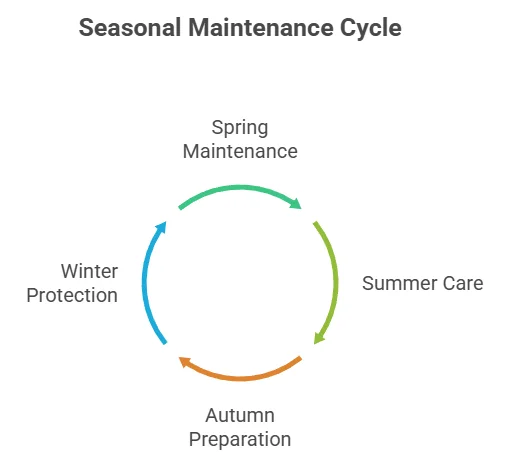
Wood is a popular material found in many homes and outdoor spaces, but it’s not immune to the effects of weather and seasonal changes. Proper seasonal maintenance can significantly reduce the risk of wood damage, ensuring that your wooden items maintain their beauty and integrity for years to come. Here are some effective tips to help you protect your wood from damage throughout the seasons.
Spring Maintenance
As the weather warms up, it’s time to prepare your wood for the upcoming months. Follow these steps to maintain your wooden items in spring:
- Inspect for Damage: Take the time to visually inspect your wooden structures, furniture, and decking for any signs of damage from winter. Look for cracks, loose boards, or areas that show signs of rot.
- Clean Thoroughly: Use a mild detergent mixed with water to clean your wooden furniture and decking. A soft brush can help remove dirt and debris without damaging the wood.
- Seal and Stain: After cleaning, it’s important to apply a wood sealant or stain. This layer of protection will help shield the wood from moisture and prevent cracking. Choose products that are suitable for the type of wood you are working with.
Summer Care
During the hotter months, wood can become dry and overly exposed to the sun, leading to cracking and fading. Here’s how to care for wood in summer:
- Provide Shade: If possible, position outdoor wooden furniture under shaded areas to protect them from direct sunlight. This can help minimize fading and drying.
- Moisturize the Wood: Consider using a wood conditioner or oil to keep the wood hydrated. This helps prevent the wood from drying out and cracking during the hot summer days.
- Monitor Humidity Levels: Use a hygrometer to keep track of indoor humidity levels, aiming for between 30% and 50%. If the air is too dry, consider using a humidifier.
Autumn Preparation
As the leaves turn and temperatures drop, it’s important to prepare wooden items for cooler conditions. Here’s what you should do in autumn:
- Clear Debris: Remove leaves and debris from wooden surfaces. Build-up can hold moisture, leading to mold growth and wood rot.
- Inspect Roof and Gutters: Check your roof and gutters for blockages that can cause water to overflow onto wooden structures. Proper drainage will help prevent unnecessary moisture exposure.
- Apply a Protective Finish: Before the first snowfall, consider applying a weatherproof finish. This provides an added layer of protection against moisture and ice.
Winter Protection
Winter can be harsh on wood due to cold temperatures and snow. Taking preventive steps during the winter months can minimize damage:
- Cover Outdoor Furniture: Use weather-resistant covers for outdoor wooden furniture to keep them dry and protected from the elements.
- Remove Snow Accumulation: Gently brush off snow from wooden surfaces. Avoid using metal shovels, as they can scratch and damage the wood.
- Maintain Indoor Conditions: Keep indoor temperatures steady. Avoid placing wooden items near heating sources which can cause them to dry out.
To ensure long-lasting durability and aesthetic appeal of wood, regular maintenance throughout the seasons is crucial. Following these tips can prevent wood damage and extend the life of your wooden items. For more detailed insights on maintaining your wooden structures and furniture, visit Wood Magazine or Family Handyman. Investing time into seasonal maintenance will not only enhance the appearance of your wood but will also save you from costly repairs in the future. Remember, a little care goes a long way!
Conclusion
Taking proactive steps to prevent wood cracking is vital for maintaining the beauty and longevity of your furniture and wooden fixtures. Understanding the causes of wood cracking, such as fluctuations in humidity and temperature, empowers you to take appropriate actions. Humidity plays a crucial role; therefore, utilizing a dehumidifier during dry seasons or placing a humidifier in your home can make a significant difference. Sealing and protecting your wooden surfaces with high-quality products tailored for wood preservation ensures that moisture and environmental factors are kept at bay. Regularly applying these protective finishes not only enhances the appearance of your furniture but also creates a barrier against potential damage.
Seasonal maintenance is equally important. By making it a habit to inspect and care for your wood items throughout the year, you can catch small issues before they escalate into bigger problems. Simple actions like adjusting indoor humidity levels during seasonal transitions, refining your furniture arrangement to allow airflow, and avoiding direct sunlight exposure can dramatically extend the life of your wooden pieces.
By implementing these effective techniques and understanding the interplay between environmental conditions and wood health, you can create a protective environment for your furniture. This approach not only preserves their natural beauty but also saves you time and money in the long run. Embrace these best practices to enjoy your cherished wooden treasures for generations to come.