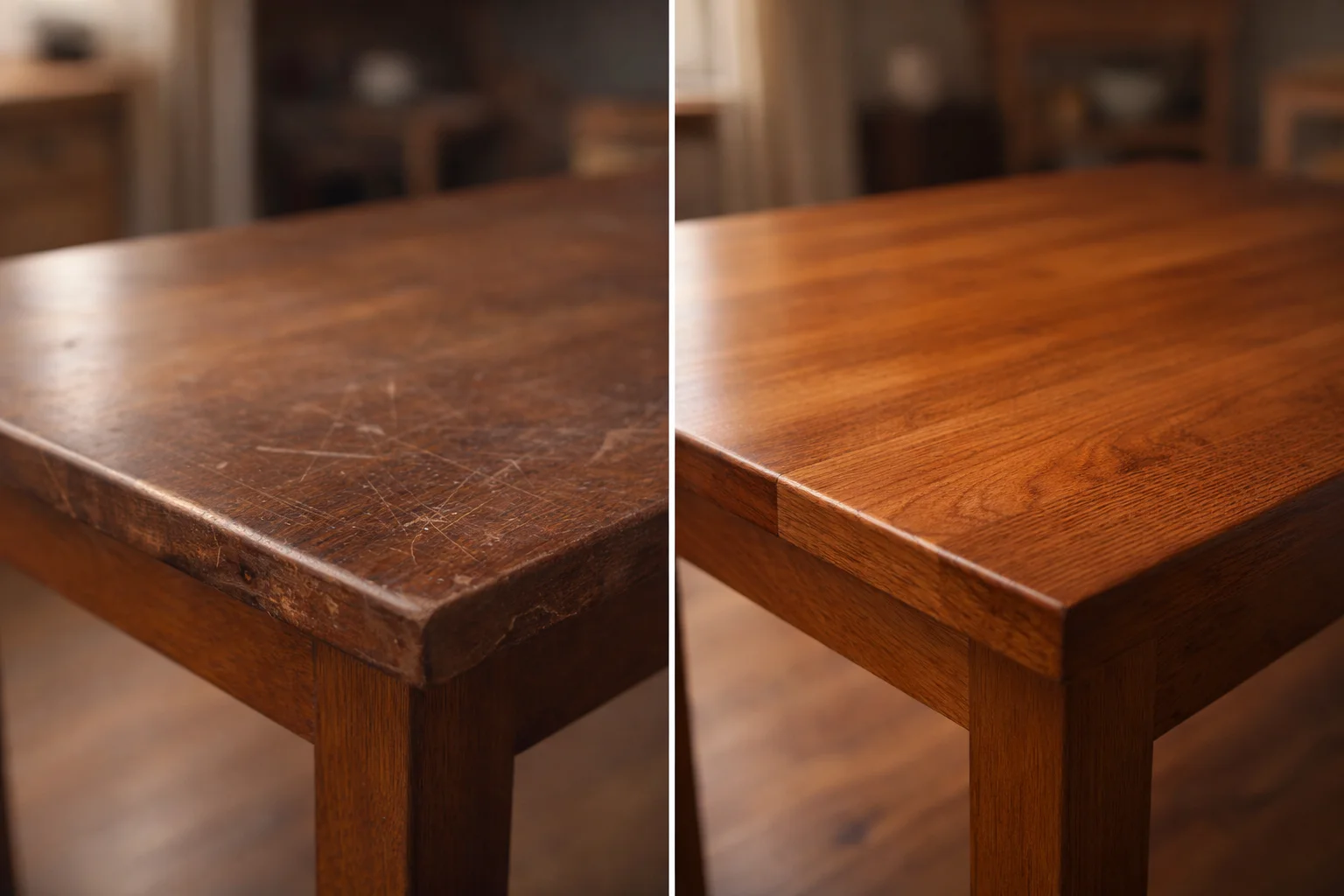
Wooden furniture can bring warmth and charm to your home, but over time it may require some repair. Whether your piece has scratches, dents, or is simply showing its age, effective techniques for repairing wooden furniture can enhance its beauty and extend its life. You can take on these repair tasks yourself with a few simple steps, allowing you to maintain your cherished items without the need for professional help.
Assessing the Damage
The first step in repairing wooden furniture is to assess the damage. Look closely at the piece and note issues like:
- Scratches and scuffs
- Dents or deep gouges
- Loose joints
- Chipping or faded paint
- Water stains
Understanding the extent of the damage will help you decide the best repair techniques to use.
Repairing Scratches and Scuffs
For minor scratches and scuffs, you can try several effective fixing methods:
- Wood Fillers: If the scratch is deep, apply a wood filler that matches the color of your furniture. Use a putty knife to fill the scratch, then let it dry before sanding it smooth.
- Walnut Method: For superficial scratches, rub a walnut along the scratch. The natural oils from the walnut can help blend away the scratch without much hassle.
- Resin Repair Kits: These kits are designed specifically for wood furniture and can fill, color, and finish scratches seamlessly.
Fixing Dents and Gouges
Dents can be a bit tricky, but a common technique involves using steam:
- Place a damp cloth over the dent.
- Use a steam iron over the cloth for several seconds to help the wood fibers expand back into shape.
- Once the dent is raised, let it cool, then lightly sand and finish to blend it in.
Deep gouges may require wood filler, as mentioned above, while ensuring to sand and finish to match the surrounding area.
Strengthening Loose Joints
If your wooden furniture has loose joints, don’t worry. Fixing them is straightforward:
- Identify the loose area—this could be a chair leg or a table corner.
- Disassemble the joint carefully if possible.
- Apply wood glue generously into the joint and clamp it tightly.
- Allow it to dry completely before using the furniture again.
Addressing Water Stains
Water stains can be unsightly. To combat these:
- Mix equal parts of vinegar and olive oil to create a natural solution.
- Apply it to the stain with a soft cloth moving in the direction of the grain.
- Buff with a clean cloth and repeat if necessary until the stain lessens.
In cases of severe water damage, refinishing the entire surface might be the best approach.
Repainting or Staining
If your wooden furniture is fading or chipped, you may want to repaint or restain it. Here’s how:
- Prepare the Surface: Clean, sand, and remove any existing finish.
- Choose the Correct Paint or Stain: Select colors that complement your decor.
- Apply Even Coats: Use a brush or sprayer to apply an even coat, allowing each layer to dry before applying another.
Final Touches and Maintenance
After repairing your wooden furniture, consider applying a wood polish, such as Minwax Wood Polish, to help protect the surface. Regular maintenance, such as dusting and occasional polishing, can keep your furniture looking its best.
For more detailed tips and resources on repairing wooden furniture, check out Wood Magazine or visit Woodworking Network for trends and advice. By following these effective techniques, you can enhance the beauty of your wooden furniture, making it a lasting part of your home for years to come.
Common Damage Types and How to Fix Them
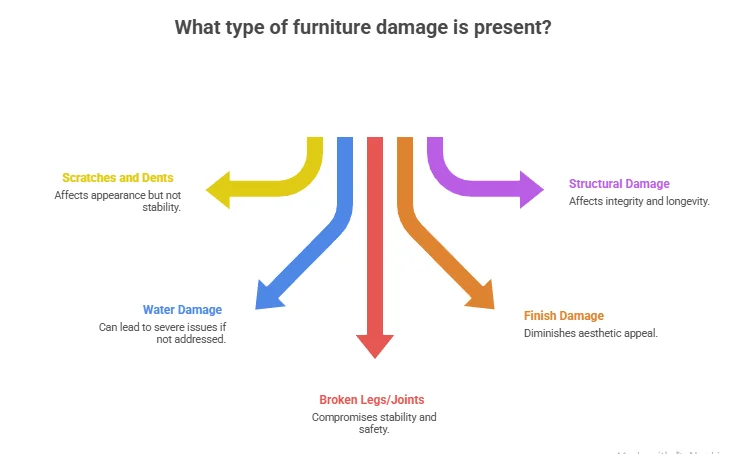
Wooden furniture can bring warmth and character to any space. However, over time, various types of damage can occur, leading to the need for repairs. Knowing How To Repair Wooden Furniture can save you money and help maintain the beauty of your cherished pieces. Below, we explore common damage types and how to effectively fix them.
Scratches and Dents
Scratches and dents are prevalent issues that can occur from everyday use. Fortunately, they are often easy to repair.
- For minor scratches, use a wood polish or wax. Apply it with a soft cloth, rubbing it gently into the scratch. This can often blend the damaged area with the surrounding wood.
- For deeper scratches, a furniture marker or crayon that matches your furniture color can work wonders. Fill in the scratch and then buff it with a cloth for an even finish.
- For dents, place a damp cloth over the area and use a steam iron slightly above it for a few seconds. This can help lift the wood fibers back into place.
Water Damage
Water rings from glasses or spills can cause unsightly marks on wooden surfaces. To fix water damage, follow these steps:
- Mix equal parts of vinegar and olive oil. Using a soft cloth, rub this mixture into the stained area, working with the grain of the wood.
- If the stain persists, consider using a harder approach such as fine-grit sandpaper or a furniture refinisher. Lightly sand the area until the stain disappears, then apply a matching finish to restore the shine.
Broken Legs and Joints
If your furniture’s legs or joints become loose or broken, it’s essential to address the issue to prevent further damage. In the process of learning How To Repair Wooden Furniture, you will find that stability is key.
- For a loose joint, apply wood glue to the area. Clamp it until the glue dries to ensure a secure bond.
- If a leg is broken, you may need to replace it. Consider using a dowel joint for stability. Drill holes into both the leg and the body, insert a wooden dowel with glue, and secure the parts together.
Finish Damage
Over time, the finish on wooden furniture can wear off or become discolored. Repairing the finish can enhance the furniture’s overall appearance.
- Start by cleaning the surface thoroughly to remove dust and grime.
- Next, sand the damaged area lightly with fine-grit sandpaper to create a smooth surface.
- Apply a new coat of finish, whether it’s varnish, lacquer, or oil, depending on the original finish. Apply it evenly and allow it to dry completely.
Structural Damage
If your wooden furniture has suffered structural damage, such as cracks or splits, these repairs require more attention.
- For small cracks, use a wood filler that matches the wood’s color. Apply the filler and smooth it out with a putty knife. Once dry, sand the area for a smooth finish.
- For larger splits, consider using clamps to hold the pieces together while applying wood glue. Clean any excess glue that oozes from the joint.
By understanding common types of damage and How To Repair Wooden Furniture, you can keep your pieces looking their best for years to come. Careful self-repair not only saves you money but also deepens your connection to your home and belongings. For more detailed guidance, visit The Spruce or check out Family Handyman.
Essential Tools for Furniture Repair
When embarking on furniture repair, having the right tools is crucial. Whether you’re restoring a beloved wooden chair or fixing a table leg, a well-equipped toolkit can make your task easier and more efficient. Let’s explore the essential tools that every furniture repair enthusiast should consider keeping on hand.
Basic Hand Tools for Furniture Repair
Hand tools are the backbone of any furniture repair project. Here are some must-have items:
- Screwdrivers: A set of screwdrivers in various sizes is essential. You’ll need both flat and Phillips head types to handle different screws.
- Hammer: A good hammer is vital for driving nails and making adjustments. Consider using a rubber mallet for delicate repairs.
- Pliers: Needle-nose pliers are perfect for gripping small items, while regular pliers can help twist or cut wires and nails.
- Wood Chisel: A sharp wood chisel can assist in shaping and carving wood during repairs.
Essential Power Tools
For those who prefer speed and efficiency, power tools can make furniture repair much quicker:
- Power Drill: A power drill is essential for drilling holes and driving screws. Choose one with adjustable speed settings for different tasks.
- Saw: A circular saw or jigsaw will come in handy if you need to cut wood pieces. Make sure to have fine-toothed blades for clean cuts.
- Sander: Use a power sander to smooth surfaces and remove old finishes. Orbital sanders are excellent for furniture refinishing.
Specialty Tools for Precision Repair
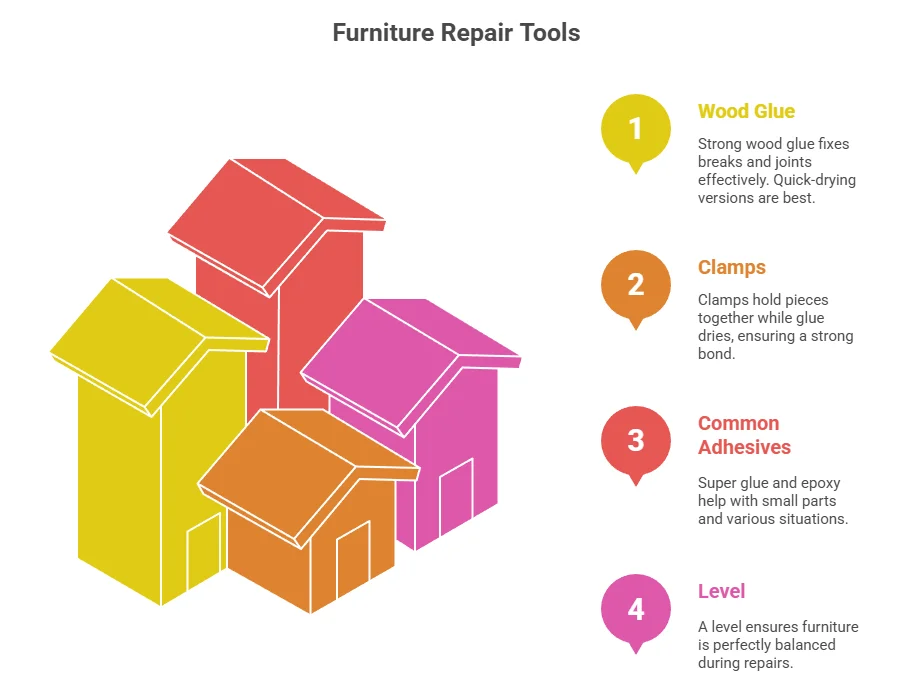
Some projects require specialized tools to achieve a perfect finish. When you study How To Repair Wooden Furniture, these items become indispensable:
- Wood Glue: Strong wood glue can fix breaks and joints effectively. Choose a quick-drying version for faster repairs.
- Clamps: Clamps hold pieces together while the glue dries, ensuring a strong bond.
- Common Adhesives: Besides wood glue, having super glue and epoxy can help in various situations, especially with small parts.
- Level: A level ensures that your furniture is perfectly balanced during repairs.
Finishing Tools
Once the structural repairs are done, it’s time to focus on finishing:
- Paintbrushes and Rollers: These are vital for applying paint or stain. Use high-quality brushes for a smoother finish.
- Rags: Soft, lint-free rags are necessary for applying finishes and cleaning up excess paint or glue.
- Varnish or Topcoat: Sealing your work with varnish or polyurethane will protect it, providing a beautiful finish and durability.
Storage and Organization
Having all these tools is only helpful if you can find them easily. A sturdy toolbox or tool chest is ideal for storing your equipment. Consider the following:
- Toolbox: Look for one with compartments to keep smaller tools organized.
- Magnetic Strips: These can hold metal tools or screws, ensuring they are quickly accessible.
Each of these tools has its own function, and knowing when and how to use them will greatly improve your furniture repair experience. For detailed guidelines, you can explore Family Handyman and for advanced techniques, consider visiting Wood Magazine. By acquiring these essential tools and understanding their use, you will be better prepared for any furniture repair challenge that comes your way. Not only will this equip you for repairs, but it will also inspire greater creativity and confidence in your woodworking skills.
Choosing the Right Finish for Repaired Wood
When you repair wooden furniture, selecting the right finish is crucial. Not only does the finish protect the wood, but it also enhances its appearance. Choosing a finish that complements your repaired piece can significantly impact its final look and longevity. Here’s a comprehensive guide to help you navigate through choosing the right finish for your repaired wood.
Types of Finishes
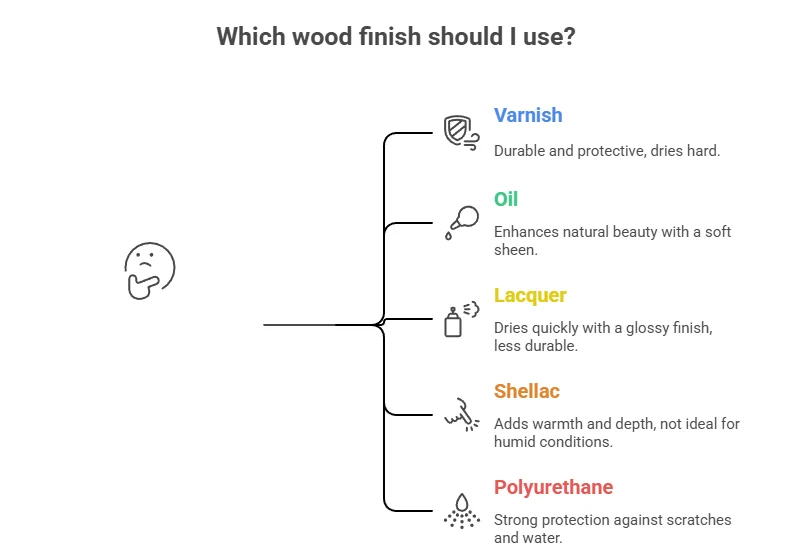
There are several types of finishes available, each with its unique characteristics. Here’s a brief overview:
- varnish – A durable finish that dries hard and provides a protective layer.
- oil – Penetrates the wood to enhance its natural beauty with a softer sheen.
- lacquer – Dries quickly and offers a glossy finish, but can be less durable.
- shellac – A natural finish that adds warmth and depth but may not hold up in humid conditions.
- polyurethane – Offers strong protection against scratches and water, available in oil-based and water-based formulas.
Considerations for Your Finish
When selecting a finish for repaired wood, consider the following:
- Type of wood: Different woods react differently to finishes. For instance, oak can take oil finishes well, while softer woods like pine might be better suited for lacquer.
- Location: If the furniture will be in a high-traffic area or exposed to moisture, opt for a more durable finish like polyurethane.
- Desired look: Consider whether you want a matte, satin, or glossy finish. Each one can drastically change the appearance of wood.
- Application method: Some finishes are easier to apply than others. If you’re a beginner, you might prefer a finish that can be wiped on, like oil.
Application Techniques
Once you’ve chosen your finish, you’ll want to apply it correctly for the best results. Here are some tips for the application:
- Preparation: Ensure your repaired surface is clean and sanded smoothly. This step is vital for the finish to adhere properly.
- Tools: Use the appropriate tools for application. Brushes, foam applicators, or cloths can all work well depending on the finish.
- Thin coats: Apply several thin coats rather than one thick coat. This method helps to prevent runs and drips.
- Sanding between coats: Lightly sand between coats for a smoother finish, using fine-grit sandpaper.
Choosing the Finish for Different Furniture Types
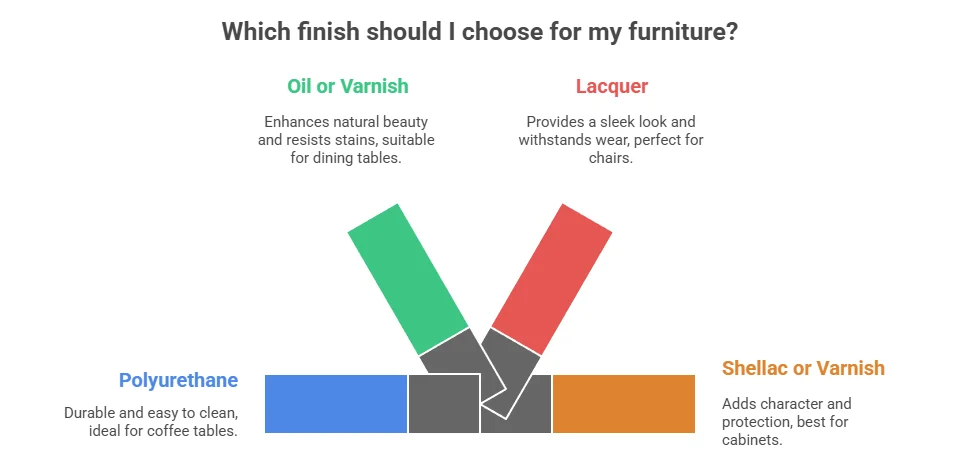
Different pieces of furniture may require specific finishes. Understanding How To Repair Wooden Furniture involves matching the finish to the use case. Here’s a quick guide:
| Furniture Type | Recommended Finish | Notes |
|---|---|---|
| Coffee Tables | Polyurethane | Durable and easy to clean. |
| Dining Tables | Oil or Varnish | Enhances natural beauty; choose a finish that resists stains. |
| Chairs | Lacquer | Provides a sleek look; ensure it can withstand wear. |
| Cabinets | Shellac or Varnish | Adds character while providing protection. |
Resources for Finishing Techniques
For detailed guidance and step-by-step instructions, you can check valuable resources, such as Wood Magazine or Instructables. These sites provide expert tips and visual aids that can help you along the way. Choosing the right finish for your repaired wooden furniture can enhance its look and durability. By understanding the types of finishes available and considering your specific needs, you can make an informed decision that will help your furniture shine for years to come.
Maintaining Wooden Furniture for Longevity
Wooden furniture adds charm and elegance to any home. To keep your beloved pieces looking great and functioning well, proper maintenance is key. Here are some effective strategies you can use to ensure the longevity of your wooden furniture.
Regular Cleaning
One of the easiest ways to maintain your wooden furniture is through regular cleaning. Dust can accumulate quickly, leading to scratches and dullness. Use a soft, lint-free cloth or a microfiber cloth to regularly wipe down your furniture.
- Avoid using harsh chemicals; instead, opt for a gentle wood cleaner.
- For sticky spots, mix equal parts of vinegar and water for a natural cleaner.
- Always dry the surface after cleaning to prevent water damage.
Polishing for Protection
Polishing not only enhances the beauty of your wooden furniture but also provides a protective layer against moisture and dirt. Choose a polish that is suitable for your furniture type.
- Make it a habit to polish your furniture every three months.
- Apply the polish with a clean cloth, working in the direction of the wood grain.
- Buff the surface gently to achieve a beautiful shine.
Environmental Considerations
The environment around your wooden furniture can greatly impact its longevity. Here are some tips to create a safe space for your furniture:
- Keep wooden pieces away from direct sunlight to avoid fading.
- Maintain a stable humidity level in your home to prevent cracking and warping.
- Avoid placing furniture near heating or cooling vents, as extreme temperatures can damage wood.
Repairing Scratches and Dents
No matter how well you care for your furniture, scratches may still happen. Here’s how you can repair minor scratches and dents as part of knowing How To Repair Wooden Furniture:
- For light scratches, use a walnut half to rub over the scratched area, as the oils will help conceal the damage.
- If the scratch is deeper, try using a wood filler that matches your furniture’s color.
- Sand and refinish the area carefully, ensuring it blends well with the surrounding surface.
Taking Care of Stains
Stains can be more challenging, but with quick action, you can often remove them. For various types of stains, follow these tips:
- For water stains, place a dry cloth over the stain and apply a warm iron briefly to lift the moisture.
- For grease stains, sprinkle baking soda on the area and let it sit for a few hours before wiping it clean.
- A professional wood cleaning service can help with tougher stains if necessary.
Periodic Inspections
Regularly inspecting your wooden furniture will help catch small issues before they become big problems. Look for:
- Loose joints or wobbly legs that need tightening.
- Signs of insect infestation, like tiny holes or dust.
- Areas where the finish is coming off, indicating a need for refinishing.
Maintaining wooden furniture is essential for preserving its beauty and functionality. By following these simple yet effective tips, you can extend the life of your wooden pieces and keep them looking their best. For more information on caring for your wooden furniture, visit Wood Magazine or check out Woodworker’s Source. Remember, a little care goes a long way when it comes to your cherished wooden furniture.
Conclusion
Repairing wooden furniture is both a rewarding and practical skill that can significantly extend the life of your cherished pieces. By employing effective techniques, you can address common damage types, such as scratches, dents, and loose joints. Understanding How To Repair Wooden Furniture and fixing these issues not only enhances the appearance of your furniture but also maintains its structural integrity.
Equipping yourself with essential tools is crucial for successful repairs. A basic toolkit can include sandpaper, wood glue, clamps, and various finishes. These tools enable you to undertake a range of tasks, from simple touch-ups to more complex restorations. When selecting a finish for your repaired wood, it’s important to choose one that complements the existing color and texture, ensuring a seamless blend with your furniture.
Regular maintenance plays a key role in preserving the beauty and longevity of wooden furniture. Simple tasks, such as dusting, applying furniture polish, and avoiding excessive moisture, can prevent damage and keep your pieces looking their best. By incorporating these practices into your routine, you safeguard your investments while enjoying the timeless charm of wooden furniture.
As you develop your skills and knowledge in furniture repair, remember that each project is an opportunity to learn and grow. With patience and practice, you will be able to bring new life to worn-out pieces, transforming them into stunning focal points in your home. Embrace the journey of furniture repair, and let your creativity shine as you tackle each unique challenge.