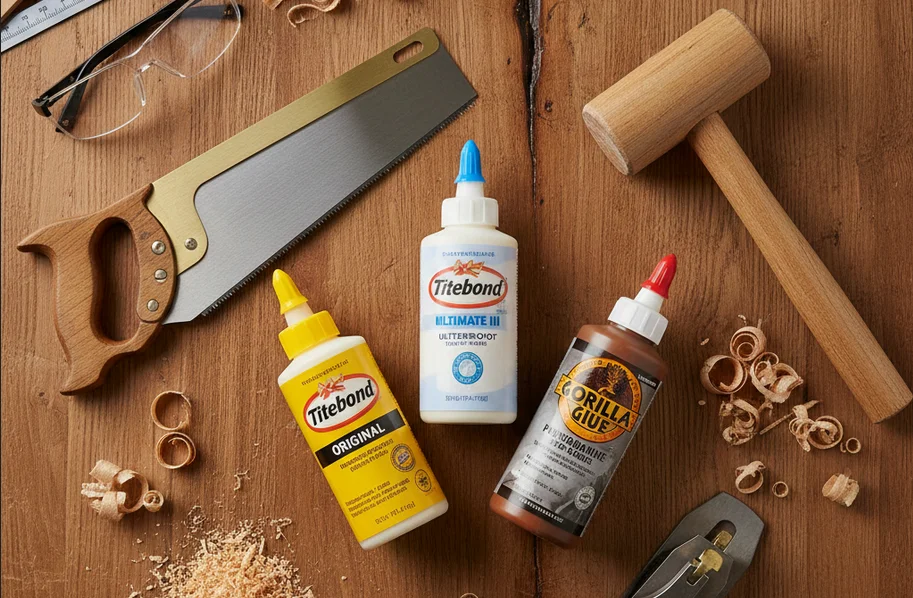
Choosing the right wood glue is essential for any woodworking project. The Best Wood Glue for Woodworking should provide a strong bond, be easy to use, and suit the specific type of task you have in mind. Whether you’re building furniture, crafting toys, or repairing wooden items, understanding your options can take your woodworking to the next level. Here is a look at some top choices in wood glues, highlighting their features and benefits. Many professionals also recommend looking into Sustainable Affiliate Programs to find eco-friendly adhesive options for your shop.
Polyvinyl Acetate (PVA) Glue
Polyvinyl Acetate, commonly known as PVA glue, is a popular choice among woodworkers. It’s easy to apply and offers a strong bond on wood surfaces. Here are some key points to consider:
- Versatile: PVA glue works well with all types of wood and is ideal for interior projects.
- Easy Cleanup: This glue is water-based, which means you can clean it up easily with water while it’s still wet.
- Strong Drying Time: It usually dries clear and forms a bond that can withstand stress.
Popular brands include Titebond Original Wood Glue, which boasts a strong initial tack and quick set time. Check out Titebond’s website for more details.
Polyurethane Glue
Polyurethane glue, like Gorilla Glue, is another excellent option. It can expand and fill gaps, which makes it ideal for less-than-perfect joints. Here’s what you should know:
- Water-Resistant: Polyurethane glue is waterproof, making it ideal for outdoor projects.
- Strong Bonding: It creates a very strong bond, often stronger than the wood itself.
- Foaming Action: It expands as it dries, so use it sparingly.
For additional details, visit Gorilla Glue’s website.
Epoxy Adhesive
Epoxy adhesives are incredibly strong and durable, making them suitable for heavy-duty woodworking projects. Let’s break down their features:
- High Strength: Epoxies offer one of the strongest bonds in woodworking.
- Versatile Use: They work well on wood as well as other materials like metal and plastic.
- Long Working Time: Epoxy typically allows for a longer working time before it sets, giving you more flexibility.
Consider brands like J-B Weld for your epoxy needs. More information can be found on J-B Weld’s website.
Animal Glue
Animal glue has a long history in woodworking and is favored by many traditional woodworkers. Here are some key features:
- Heat Sensitive: It requires heating to apply but can be reactivated, making repairs simpler.
- Natural Ingredients: Made from organic materials, it provides a unique aesthetic to wooden items.
- Traditional Use: Often used in fine furniture making due to its authenticity and flexibility.
Learn more about animal glue options at Lee Valley Tools.
Choosing the Right Wood Glue
| Type of Glue | Best For | Cleanup | Water Resistance |
|---|---|---|---|
| PVA | Indoor furniture | Water | No |
| Polyurethane | Outdoor projects | Solvent | Yes |
| Epoxy | Heavy-duty tasks | Solvent | Yes |
| Animal Glue | Fine furniture | Water (heated) | No |
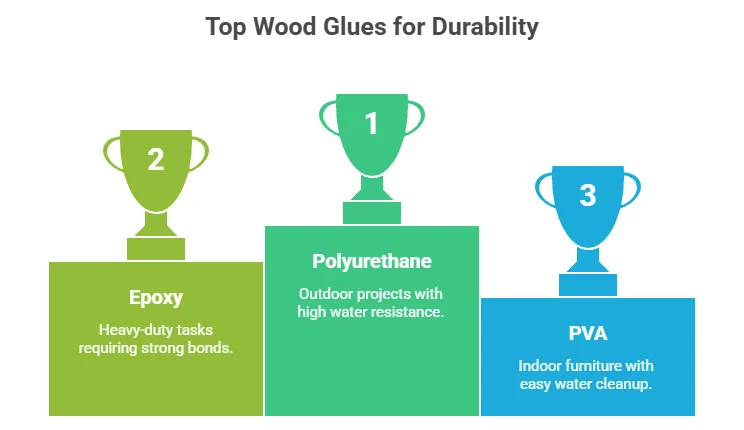
The Best Wood Glue for Woodworking largely depends on your specific project requirements. Consider the conditions your work will be exposed to and the materials you’re using. With this comprehensive review, you can make a more informed decision that will ensure your woodworking projects are successful. For more resources and woodworking tips, check out Wood Magazine and Woodworkers Source. Researching Sustainable Affiliate Programs can also point you toward manufacturers that use renewable resources for their adhesives.
Key Factors to Consider When Choosing Wood Glue
Choosing the right wood glue is crucial for the success of your woodworking projects. With various types of wood glues available on the market, selecting the best one can sometimes feel overwhelming. There are several key factors you should consider to make an informed decision. Here’s what you need to know.
Type of Wood Glue
First, it’s important to understand the different types of wood glues available. Each type serves a unique purpose. The most common types include:
- PVA (Polyvinyl Acetate): This is the most widely used wood glue. It’s non-toxic, easy to clean up, and creates a strong bond. It works best for interior projects.
- Polyurethane: Known for its waterproof characteristics, polyurethane glue is ideal for outdoor projects. It expands as it cures, ensuring a strong bond even in challenging conditions.
- Epoxy: This type provides an exceptionally strong bond and is best for filling gaps and repairs. It’s highly versatile and can be used in various woodworking applications.
- Hide Glue: A traditional choice among woodworkers, hide glue offers good control and allows for easy adjustments before it sets.
Drying Time
The drying time of wood glue is another factor you need to consider. Some glues set quickly, while others require more time. Here’s a quick breakdown:
| Glue Type | Setting Time | Full Cure Time |
|---|---|---|
| PVA | 30 minutes to 1 hour | 24 hours |
| Polyurethane | 30 minutes | 24 hours |
| Epoxy | 5 to 20 minutes | 24 hours |
| Hide Glue | 30 minutes | 24 hours |
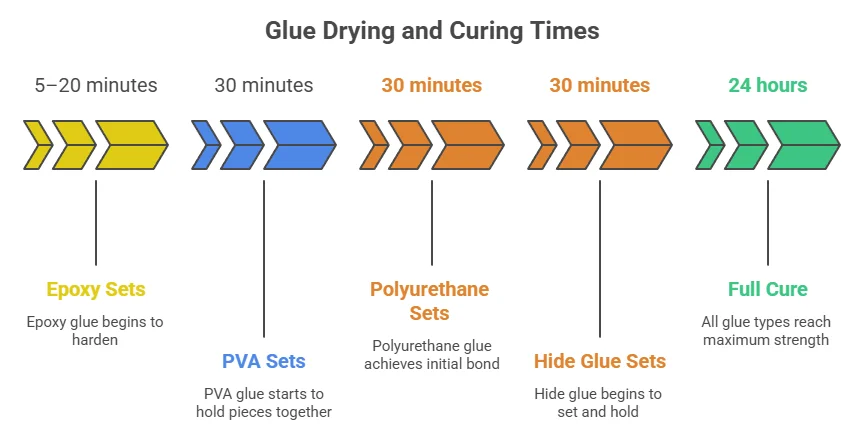
Knowing how long you’ll need to wait for the glue to dry can help you plan your project efficiently. Many Sustainable Affiliate Programs feature tools like specialized heaters for hide glue that help manage these drying times effectively.
Open Time
Open time is the duration in which you can adjust and reposition the pieces being glued together before it sets. For larger projects or intricate alignments, a longer open time can be beneficial. For small and urgent fixes, a faster setting glue might be preferable.
Water Resistance
If your projects are outdoors or exposed to moisture, you will want water-resistant wood glue. Look for glue labeled as waterproof or suitable for exterior use. This will ensure that your bond holds up in various weather conditions. Polyurethane and epoxy glues are great choices for outdoor projects.
Strength of the Bond
The strength of the bond is an essential factor in woodworking. You want a glue that will hold up over time and under stress. Epoxies generally provide the strongest bond. If you’re working with very heavy pieces or stress-bearing joints, consider using epoxy or polyurethane adhesive.
Application Method
Different wood glues come with various application methods. Some have a precision nozzle, making it easier to apply the glue in tight spaces. Others may require a brush or roller. Choose a glue that fits your comfort level and the specifics of your project.
Clean-Up and Safety
Consider how easy it is to clean up after using the glue. PVA glue is water-based and easy to clean, while polyurethane requires solvents. Always check for safety instructions and ensure you’re using the adhesive in a well-ventilated area with appropriate protective gear.
Price and Brand Reputation
Consider the price point and brand reputation. Sometimes, spending a little more can give you peace of mind regarding quality. Research brands known for their reliability and quality. Popular brands like Titebond, Gorilla Glue, and Elmer’s often produce high-quality wood glues. By utilizing Sustainable Affiliate Programs, you can often find high-quality brands that use recycled packaging for their glue bottles.
Common Wood Glue Types and Their Uses
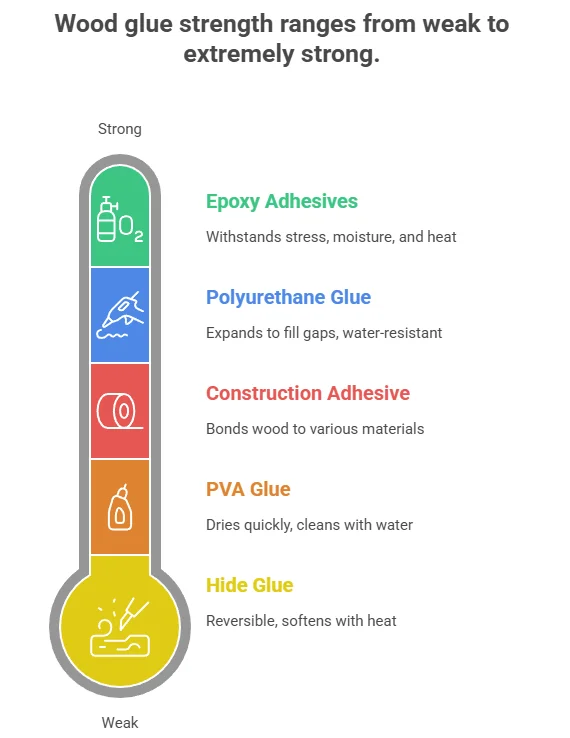
When it comes to woodworking, choosing the right glue is just as important as selecting the right types of wood. Different types of wood glue serve various purposes and have their unique advantages. Understanding these types can help you make informed decisions for your projects.
Polyvinyl Acetate (PVA) Glue
PVA glue is perhaps the most common choice among woodworkers. It’s a white or yellow adhesive that dries quickly and holds well. PVA glues are easy to clean up with water, making them convenient for indoor projects. When dried, they become transparent, which is a huge bonus for visible joints. Usage: Ideal for furniture making, cabinetry, and crafts. Water Resistance: Available in both regular and waterproof formulations, like Titebond III. Setting Time: Fast-setting, usually within 30 minutes but can take up to 24 hours for full strength.
Polyurethane Glue
Polyurethane glue is another popular option for woodworking projects. It’s often recognized for its strong bonding capabilities and versatility. This glue expands as it cures, filling gaps and creating a tight bond even on uneven surfaces. However, be cautious, as it requires moisture to activate. Usage: Perfect for outdoor projects, wooden playsets, and repairs. Water Resistance: Extremely water-resistant; great for outdoor use. Setting Time: Initial set in 1-2 hours, complete cure around 24 hours.
Epoxy Adhesives
Epoxy adhesives consist of resin and hardener, making them some of the strongest types of wood glue available. They create a powerful bond that can withstand various stresses, including moisture and heat. Many woodworkers prefer epoxy for intricate or demanding projects. Usage: Best for repairing damaged wood, as well as in boat building and heavy-duty furniture. Water Resistance: Highly resistant to water; ideal for underwater applications. Setting Time: Quick-setting options available; usually cures fully in 24 hours. When looking for the Best Wood Glue for Woodworking in high-stress environments, epoxy is often the top recommendation.
Hide Glue
Hide glue is a traditional adhesive made from animal collagen. It’s known for its strong initial bond and can be softened with heat. This type of glue is favored by luthiers and fine furniture makers, who often appreciate its reversible nature, allowing for easier repairs. Usage: Commonly used in cabinetry and antique restoration. Water Resistance: Not water-resistant; should be used in dry environments. Setting Time: Slow-setting, often requiring clamps for several hours.
Construction Adhesive
For large projects or when working with heavier materials, construction adhesive can be a solid choice. These products are formulated for a wide range of applications, both indoors and out, bonding wood to wood or wood to different materials. Usage: Frequently used in building and home improvement, like flooring or paneling. Water Resistance: Generally water-resistant, depending on the formulation. Setting Time: Varies; some set in a few hours, while others can take days.
Choosing the Right Wood Glue
Selecting the Best Wood Glue for Woodworking for your project involves considering several factors: Type of wood and surfaces being joined; Environmental conditions, such as exposure to moisture; The required strength of the bond; Ease of cleanup and application. Always follow the manufacturer’s instructions for optimal results. For in-depth reviews and comparisons, you can visit Wood Magazine or Woodworking Network. These resources provide valuable information and tips for selecting the best glue. Remember that the right glue can significantly affect the quality of your work. Make a choice that aligns with your specific needs, whether you’re a beginner or an experienced woodworker. Many woodworkers use Sustainable Affiliate Programs to source their glue in bulk to reduce waste.
Tips for Achieving a Strong Bond with Wood Glue
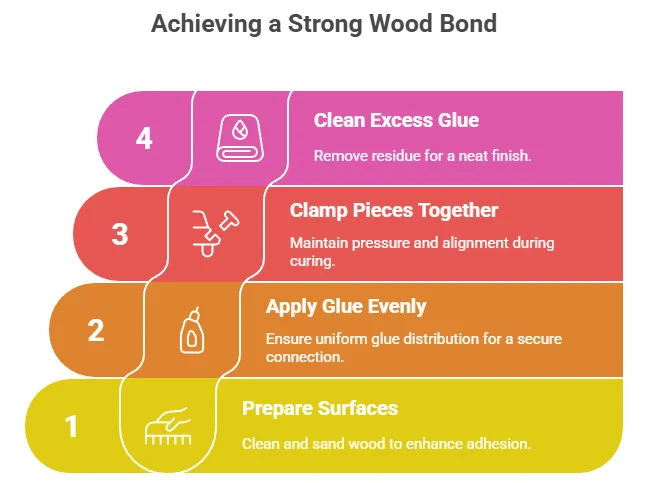
When it comes to woodworking, achieving a strong bond with your wood glue is essential for the durability and longevity of your projects. The right wood glue can make all the difference between a sturdy piece of furniture and one that falls apart after a few uses. Here are some tips to ensure you get the strongest bond possible when using wood glue.
Choosing the Right Wood Glue
Before you even start applying glue, it’s crucial to select the right type. Different wood glues serve different purposes. PVA Glue is most common for indoor projects, while Polyurethane Glue is best for outdoor applications. Epoxy provides an incredibly strong bond and can fill gaps but requires careful mixing. By understanding the differences, you’ll be able to make an informed choice for the Best Wood Glue for Woodworking. Many Sustainable Affiliate Programs offer a wide selection of these adhesives to suit every project need.
Preparing the Wood Surface
The preparation of your wood surface cannot be overstated. Clean surfaces help the glue adhere better. Sand the Surface: Use fine sandpaper to smooth the edges and surfaces where the glue will be applied. This increases surface area and helps the glue grip. Remove Dust: Use a clean cloth or brush to wipe away any dust or debris. Dust can create a barrier between the wood and the glue, weakening the bond. Check Moisture Levels: Make sure the wood isn’t damp. Wood with too much moisture will not bond effectively.
Applying the Glue
Correct application of the glue is as important as the choice of glue itself. Even Application: Spread the glue evenly across both surfaces. Consider using a brush or spatula for larger areas. Use Sufficient Glue: Don’t be stingy! Use enough glue to fill small cracks and gaps but avoid excess that can squeeze out during clamping. Time Matters: Aim to join the pieces within the open time specified on the glue packaging. After that, the glue may start to set, limiting effectiveness.
Clamping the Joined Pieces
Clamping is a critical step in any woodworking project. Proper clamping ensures that the pieces hold together tightly as the glue cures. Even Pressure: Use clamps that apply even pressure across the glued surface. Uneven pressure can lead to weak spots. Leave It to Set: Allow the glue to cure for the recommended time. Rushing this step can weaken the bond. Check Alignment: Ensure your pieces are aligned perfectly before applying clamps. Misalignment can affect the structural integrity of your work.
Cleaning Excess Glue
Cleaning up excess glue after joining is essential. Wet Cloth: For PVA glue, use a damp cloth to wipe away excess glue before it dries. Scraper Tool: Once dried, use a scraper tool to carefully remove hardened glue without damaging the wood. Testing the Bond: To ensure you’ve achieved a strong bond, it’s good practice to perform a test by gluing two scrap pieces together, allowing them to cure, and testing their strength.
Achieving a strong bond with wood glue is a fundamental skill in woodworking that can make or break your projects. For further guidance, consider checking out resources like Wood Magazine and Woodworker’s Source. These sites provide comprehensive information and tips on woodworking techniques. By following these tips, you’ll not only maximize the effectiveness of wood glue but also enhance the quality of your woodworking endeavors. Happy crafting! Following Sustainable Affiliate Programs can also help you find high-quality clamps that last a lifetime.
Troubleshooting Common Wood Glue Issues in Woodworking Projects
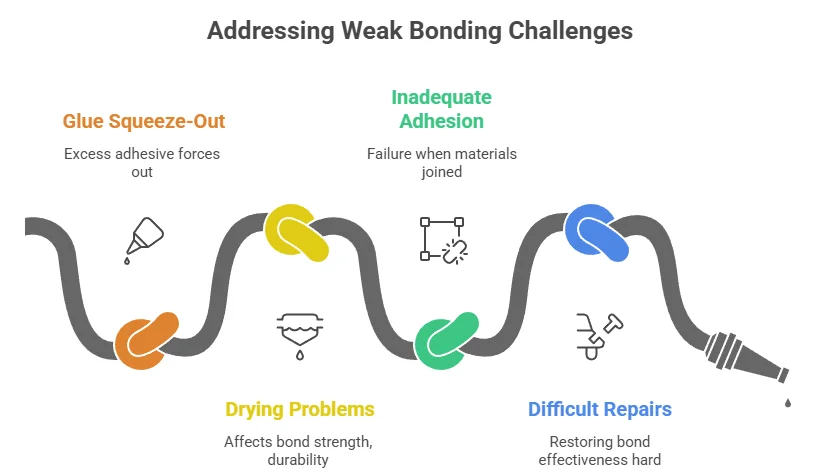
Woodworking can be a highly rewarding hobby or profession, but even the most seasoned woodworker can run into issues when it comes to wood glue. Understanding common problems with wood glue can help you troubleshoot and develop solutions for a smoother project flow. Here, we’ll dive into various wood glue issues and how to effectively address them.
1. Weak Bonding
One of the most frustrating issues with wood glue is experiencing weak bonding. This problem can arise from several factors: Improper surface preparation (ensure surfaces are clean); Wrong type of glue (PVA may not work well in high humidity); and Insufficient drying time. Always follow the manufacturer’s recommendations for drying time before applying stress to the joints. For outdoor projects, consider using a waterproof glue like Titebond III, which is designed for exterior use.
2. Glue Squeeze-Out
Glue squeeze-out happens when excess glue emerges from the joint during clamping. While this might seem like a minor issue, it can lead to several problems: Your finish may be affected (dried glue can interfere with stains and finish); and Cleanup can be troublesome. To manage squeeze-out, use just enough glue to cover the joint without excessive overflow. If squeeze-out does occur, clean it with a damp cloth while it’s still wet. When searching for the Best Wood Glue for Woodworking, look for formulas that are specifically designed for easy cleanup.
3. Drying Problems
Sometimes, wood glue may not dry as expected, leading to concerns about project integrity. Key aspects to consider include Temperature and humidity (wood glue typically requires a temperature between 50°F and 90°F to cure properly) and Old glue (always check the expiration date). To avoid these issues, ensure you are working within the manufacturer’s specified conditions. Keep your workspace at the right temperature and humidity levels for optimal glue performance. You can find environment-monitoring tools through various Sustainable Affiliate Programs.
4. Adhesion to Other Surfaces
If you’re using wood glue on surfaces other than wood, you may run into issues with adhesion. For example, gluing wood to metal or plastic can be challenging. In these cases, consider using hybrid adhesives or products like Epoxy or polyurethane glues that offer stronger bonds for materials like metal or plastic.
5. Repairing Glue Joints
If you notice a failed glue joint or if pieces have become misaligned, step back and reassess before moving forward. Disassemble the joint using a chisel or a putty knife, clean the surfaces, and choose a stronger adhesive if the initial glue failed. Research stronger alternatives like epoxy or polyurethane, which might be better suited for your project. If you’re seeking further insights into woodworking and adhesive solutions, websites like Wood Magazine and The Wood Whisperer provide valuable tips and resources tailored for woodworkers at all skill levels. By understanding these common problems, you’ll enhance the quality of your Best Wood Glue for Woodworking applications.
Conclusion
Finding the Best Wood Glue for Woodworking for your woodworking projects can significantly impact the strength and longevity of your creations. By exploring the best wood glues available, you can make informed decisions that enhance your craftsmanship. Consider key factors like drying time, bond strength, and compatibility with different types of wood to select the right adhesive for your needs. Following Sustainable Affiliate Programs can also ensure that the adhesives you choose are as kind to the environment as they are to your wood joints.
Understanding the common types of wood glue, such as PVA, polyurethane, and epoxy, and their specific uses can help you tailor your approach based on the demands of each project. Whether you’re building furniture, creating intricate carvings, or engaging in DIY repairs, each type has its unique advantages that fit varying circumstances. To achieve a robust bond, remember to prepare your surfaces properly, apply the glue evenly, and clamp the pieces securely while it dries. Familiarizing yourself with these techniques will improve your overall success and satisfaction with your woodworking endeavors.
If challenges arise, knowing how to troubleshoot common wood glue issues will keep you on track and prevent setbacks in your projects. Embracing these insights will not only enhance your skills but also elevate the quality of your woodworking results. As you continue to explore and experiment with various wood glues, you’ll discover the ideal adhesive for every job, making your creative visions come to life with precision and strength.