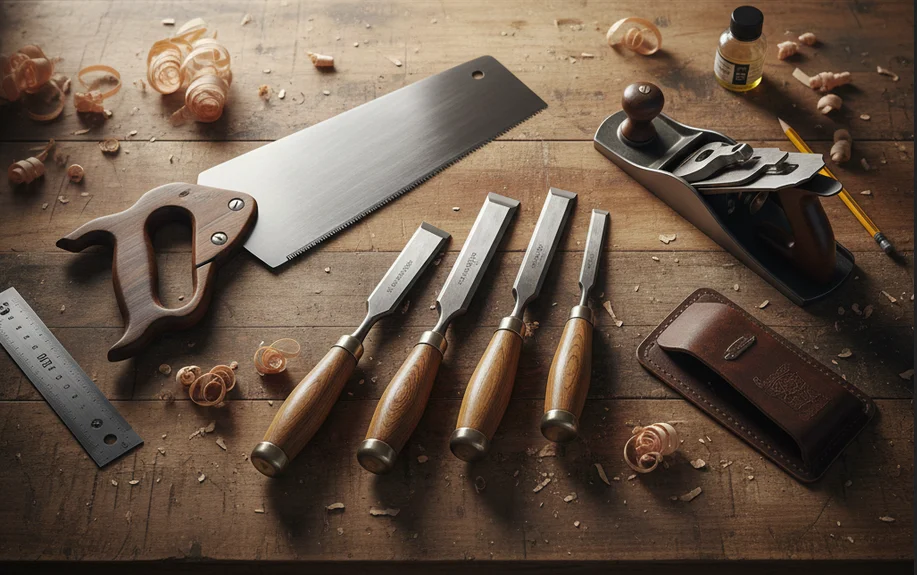
When it comes to woodworking, having the right hand tools is crucial for achieving precision and quality in your projects. From cutting to shaping wood, the Best Woodworking Hand Tools empower you to create beautiful items that reflect your skill and craftsmanship. In this guide, we will highlight essential hand tools every woodworker should consider adding to their toolkit.
Hand Saws
Hand saws are fundamental in woodworking. They allow you to make precise cuts in various materials. Here are some types you might want to use:
- Crosscut Saws: Ideal for cutting across the grain of wood.
- Rip Saws: Designed for cutting with the grain, creating a fine finish.
- Back Saws: Useful for detailed work, especially in joinery.
Consider brands like Lee Valley for quality options.
Chisels
Wood chisels are essential for shaping and refining wood. A good set of chisels can help you create intricate designs or clean joints. Look for a set with a variety of widths:
| Chisel Width | Use |
|---|---|
| 6 mm | Fine detail work |
| 12 mm | General purposes |
| 25 mm | Heavy removal of material |

You can find high-quality chisels on websites like Woodcraft.
Planes
Hand planes are indispensable for smoothing and shaping wood. They are particularly useful for achieving a flat surface or adjusting thickness. Consider the following:
- Jack Planes: Versatile and great for flattening surfaces.
- Block Planes: Perfect for trimming and finishing edges.
- Router Planes: Used for cleaning out recessed areas.
For reliable hand planes, check out Wood Magazine for recommendations.
Measuring Tools
Accurate measurements are key to any woodworking project. The right measuring tools will help you achieve precise cuts and joins. Essential measuring tools include:
- Tape Measures: Short and long tape measures for versatile use.
- Squares: To ensure corners are perfectly 90 degrees.
- Calipers: Ideal for measuring smaller dimensions accurately.
You can source high-quality measuring tools from Lee Valley.
Files and Rasps
Files and rasps are used for shaping and refining surfaces. They are ideal for smoothing rough edges and adding contours to your woodworking projects. Key types include:
- Flat Files: Great for flat surfaces.
- Round Files: Useful for curved surfaces.
- Cabinet Rasps: Offer quick material removal, ideal for large projects.
Consider visiting Rockler to browse their selection.
Screwdrivers
Having a reliable set of screwdrivers is essential for assembly and adjustment in woodworking. Look for a set that includes various sizes and types:
- Flathead Screwdrivers: For traditional screws.
- Phillips Screwdrivers: For modern screws that require grip.
Check out Tools Direct for quality options. Investing in the Best Woodworking Hand Tools guarantees improved efficiency and quality in your projects. Whether you’re a beginner or an experienced woodworker, having these essential tools at your disposal will enhance your craft and reduce frustration. Make sure you have the right tools to help bring your ideas to life—your woodworking journey deserves it!
The Importance of Quality in Woodworking Hand Tools
When it comes to woodworking, selecting high-quality hand tools is crucial for achieving the best results. Quality tools not only improve the process but also enhance the final product. You might wonder why investing in quality hand tools matters so much. Here are several reasons that highlight their importance. First and foremost, the durability of quality woodworking hand tools cannot be overstated. When you choose tools made from premium materials, they last longer and require fewer replacements. This means savings in the long run, both in terms of costs and time spent on finding replacements.
A well-crafted chisel or saw can serve you faithfully for years, allowing you to focus more on your projects rather than tool maintenance. Another significant advantage of using reputed hand tools is precision. Quality woodworking tools are designed to perform specific functions with accuracy. For example, a well-designed hand plane allows you to achieve smooth surfaces and precise thicknesses, directly impacting the quality of your work. When your tools produce exact measurements and cuts, it becomes easier to create intricate designs and flawless joints. Comfort and ergonomics also play a vital role in the overall woodworking experience.
Quality hand tools often come with ergonomic handles that provide a better grip and reduce fatigue. This is especially beneficial during long working sessions, where comfort can directly influence your productivity. Look for tools that fit well in your hand and allow for a comfortable experience, reducing the likelihood of repetitive strain injuries. There’s also an element of safety involved in using quality hand tools. Low-quality tools may fail under pressure or become damaged easily, posing a risk of injury. For example, a poorly made saw might bind during use, leading to accidents. On the other hand, trusted brands often implement safety features designed to protect users. Investing in quality means you’re more likely to have tools that are both safe and reliable.
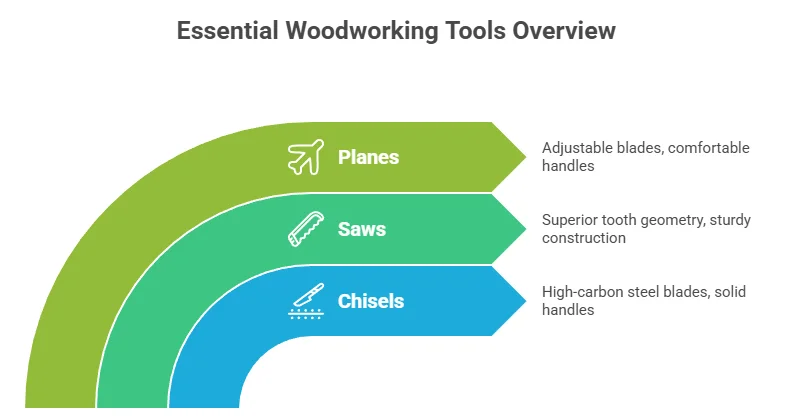
| Tool Type | Quality Features | Recommended Brands |
|---|---|---|
| Chisels | High-carbon steel blades, solid handles | Lee Valley, Woodcraft |
| Saws | Superior tooth geometry, sturdy construction | Stanley, Woodworking Crafts |
| Planes | Adjustable blades, comfortable handles | Rockler, |
The finish you achieve with high-quality tools is another aspect to consider. When you use quality hand tools, they create finishes that are smooth and ready for staining or sealing. A quality block plane, for instance, can give you a surface that’s almost ready to finish without requiring much sanding. This not only saves you effort but also improves the overall look of your project. Additionally, working with high-quality hand tools can be tremendously satisfying. The feel and performance of a well-crafted tool can add to your woodworking experience. You’re not just crafting a piece of wood; you’re creating something meaningful with tools that enhance your skills and creativity.
The online woodworking community values quality tools. Engaging with it can provide insights and recommendations. Websites like Wood Magazine and forums like Woodworking Talk often discuss the merits of various tools. You can learn from experienced woodworkers what they use and why they prefer quality products. To wrap it up, quality **Best Woodworking Hand Tools** are non-negotiable for anyone serious about woodworking. They provide durability, precision, comfort, safety, and superior finishes, all of which help you elevate your craft. Investing in quality means investing in your craft and ensuring that your woodworking projects stand the test of time.
Tips for Maintaining Your Woodworking Hand Tools
Maintaining your woodworking hand tools is essential to ensure their longevity and effectiveness. Proper care can make the difference between a tool that performs well and one that becomes a frustrating hindrance in your woodworking projects. Here are some essential tips to help you keep your Best Woodworking Hand Tools in prime condition.
Keep Your Tools Clean
Cleaning your tools after each use is crucial. Dust, sap, and moisture can lead to rust and other damage if left unchecked. Follow these steps:
- Use a soft cloth: Wipe down metal surfaces to remove dust and debris.
- Brush off wood particles: For tools like chisels and planes, use a brush to get into the nooks and crannies.
- Use soapy water: For tough residues, use a mild soap solution, then dry thoroughly to prevent rust.
Sharpen Your Blades Regularly
Sharp tools are safer and more effective. Dull blades require more force, which can lead to accidents. To maintain sharpness:
- Use a honing guide: This helps ensure a consistent angle while sharpening your chisel or plane blades.
- Invest in whetstones: Different grits can help refine the edge of your tools effectively.
- Strop your tools: A leather strop will polish the edge and keep it razor-sharp.
Store Your Tools Properly
How you store your tools can greatly affect their condition. Here are some storage tips:
- Use toolboxes: A good toolbox can protect your hand tools from dust and damage.
- Hang tools: For some tools, hanging them on a wall or pegboard can help keep them organized and prevent wear.
- Control humidity: Use silica gel packs or a dehumidifier in your storage area to prevent rust from humidity.
Apply Protective Coatings
To further safeguard your tools, applying protective coatings can be beneficial. Here are some coatings to consider:
- Oil: A light coat of mineral oil or linseed oil can protect metal parts from moisture and rust.
- Wax: Applying wax on tools can help minimize friction and corrosion.
- Rust inhibitors: These sprays can provide an extra layer of protection during storage.
Inspect Your Tools Regularly
Routine inspections can help catch minor issues before they become significant problems. Check your tools for:
- Deterioration: Look for chips, cracks, or excessive wear.
- Loose parts: Tighten any screws or bolts that may have become loose over time.
- Rust spots: Early treatment can prevent rust from spreading; use a rust eraser or fine sandpaper to remove it.
Use Tools for Their Intended Purpose
Many novice woodworkers often misuse tools, leading to unnecessary wear. To extend your tool life:
- Follow usage guidelines: Each tool comes with recommendations for proper use; adhere to them.
- Avoid substitutions: Don’t use a chisel as a pry bar; this can damage its edge.
- Educate yourself: Understand the function of each tool; this knowledge can prevent mishaps.
If you’re looking for supplies or resources to help keep your woodworking hand tools in great shape, several websites offer quality products and valuable tips:
Remember to engage in regular maintenance routines. Similar to caring for any valuable tools, consistent upkeep will ensure that your Best Woodworking Hand Tools remain effective and safe for years to come. By following these helpful tips, you can enhance your woodworking experience and produce quality work with tools that perform excellently every time you reach for them.
How to Choose the Right Hand Tools for Your Woodworking Projects

Choosing the right hand tools for your woodworking projects can seem overwhelming, especially with the vast variety available in the market. However, with the right knowledge and understanding of your needs, you can simplify this process significantly. Here are some helpful tips to guide you in selecting the Best Woodworking Hand Tools tailored for your projects.
Identify Your Project Needs
Before diving into tool shopping, take a moment to assess your woodworking goals. Are you constructing a simple birdhouse, or perhaps a complex piece of furniture? Your projects will dictate the types of hand tools you need. Here are some common woodworking tasks and the tools that can assist with them:
- Cutting: Hand saws, chisels, and coping saws
- Shaping: Planes and rasps
- Sanding: Sanding blocks and spokeshaves
- Joining: Clamps and doweling jigs
Consider Tool Quality
Quality is essential when it comes to hand tools. Investing in high-quality tools often leads to better results and improved safety. Superior tools facilitate efficiency and precision in your work. Look for reputable brands and consider these factors:
- Materials used in construction
- Ergonomics for comfort
- Reviews and recommendations from other woodworkers
Brands like Lee Valley and Woodcraft are known for their durable and well-designed tools.
Choose Versatile Tools
When starting your woodworking journey, it’s smart to select tools that can serve multiple purposes. Versatile tools will save you space and money. Some multi-functional hand tools to consider include:
- Combination square: Useful for measuring and marking a variety of angles.
- Block plane: Ideal for smoothing edges and shaping wood.
- Chisels with various widths: Offer flexibility for different tasks.
Evaluate Your Budget
Your budget will also influence your choice of hand tools. While there are many affordable options, remember that sometimes spending a little more on quality tools can be a better investment in the long run. Look for tools that offer great performance at a reasonable price. Here’s a breakdown to consider:
| Tool Type | Price Range |
|---|---|
| Hand Saws | $20 – $100 |
| Chisels | $10 – $50 |
| Planes | $30 – $200 |
| Sanders | $15 – $100 |
Test Tools for Comfort and Fit
Whenever possible, try out tools before buying. Comfort and grip can significantly impact your woodworking experience. A tool that feels good in your hand can enhance your accuracy and endurance while you work. Visit local woodworking stores or shops where you can physically handle the tools. Pay attention to the following:
- Weight and balance of the tool
- Grip texture and comfort during use
- Ease of adjustment or usage
Seek Expert Advice
Don’t hesitate to ask for help. Many local woodworking clubs and online forums are filled with experienced woodworkers who can provide valuable input. Websites like Wood Magazine and Fine Woodworking offer a wealth of resources for tool selection and project ideas. Engaging with other enthusiasts can also inspire you to try new techniques or tools. Ultimately, choosing the right hand tools for your woodworking projects involves a careful consideration of your needs, budget, and preferences. By following these guidelines, you can build a set of tools that will serve you well for years to come. Remember that woodworking is not just about having the **Best Woodworking Hand Tools**; it’s also about enjoying the craft and creating beautiful pieces of art.
The Evolution of Woodworking Hand Tools: From Traditional to Modern
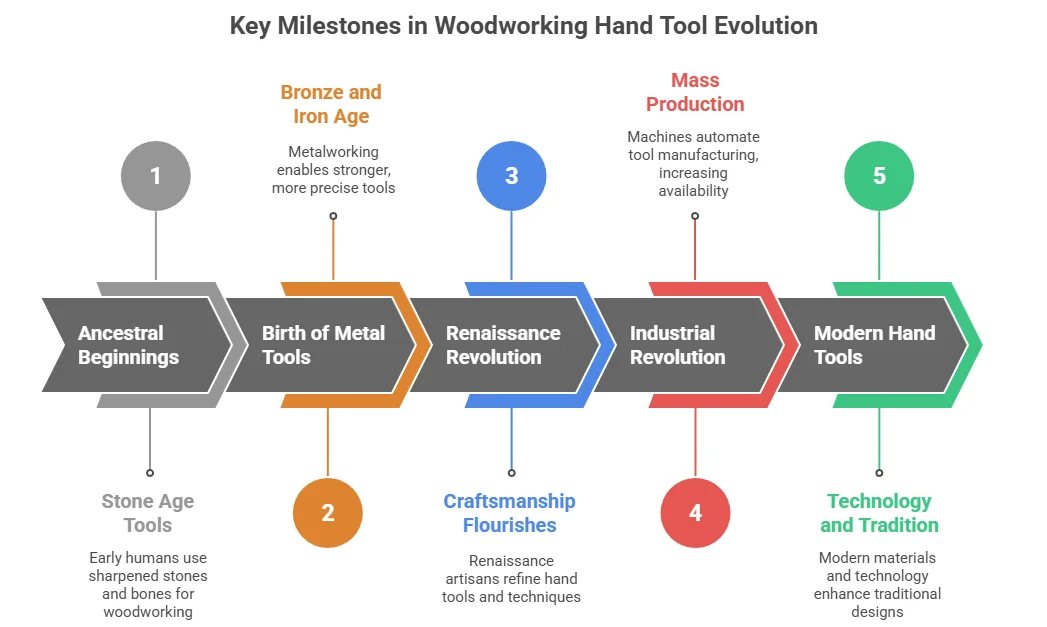
The journey of woodworking hand tools is a fascinating tale that intertwines craftsmanship, innovation, and the evolution of technology. From ancient times to present-day tool design, the development of these essential tools reflects the growing demands of woodworkers and the advancements in materials and functionality.
Ancestral Beginnings
Historically, woodworking tools were rudimentary and fashioned from natural materials. The earliest woodworkers used simple tools like sharpened stones, chisels made from bones, and axes crafted from wood and flint. These primitive tools were effective for their time, enabling early humans to create shelters, tools, and art. As societies flourished, so too did the demand for more sophisticated woodworking techniques and tools.
The Birth of Metal Tools
The introduction of metals marked a significant turning point in the evolution of woodworking hand tools. By the Bronze Age, artisans began to use bronze to create stronger and sharper tools. This shift enabled more intricate work and opened up new possibilities for craftsmen. Some key advancements included:
- Bronze Chisels: These enhanced chisel designs allowed for detailed carving and shaping of wood.
- Iron Tools: Iron and later steel provided durability, making tools that could withstand more demanding projects.
- Hand Saws: The innovation of saws permitted more accurate cuts and the ability to work with thicker and larger pieces of wood.
The Renaissance and the Craftsmanship Revolution
During the Renaissance, woodworking saw a revival not just in tools, but in skill and artistry as well. Guilds began to form, promoting the sharing of techniques and the development of trade. Woodworkers had access to a range of specialized tools, including:
- Hand Planes: Used for smoothing and shaping wood surfaces.
- Scrapers: Essential for finishing fine details, allowing woodworkers to create intricate designs.
- Compasses and Squares: Vital for ensuring accuracy in measurements and angles.
This era underscored the idea that woodworking was not merely a trade but a form of art, elevating the status of woodworkers and their craft.
The Industrial Revolution: A Game Changer
The Industrial Revolution brought about significant changes in how tools were manufactured. While hand tools remained vital, the advent of mass production meant that they became more accessible to the average craftsman. New inventions, such as the scroll saw and the jigsaw, transformed woodworking. The precision and efficiency afforded by these tools allowed craftsmen to undertake more complex projects with greater ease.
Modern Hand Tools: Technology Meets Tradition
Today, woodworking hand tools have reached a remarkable balance between tradition and modern technology. While power tools dominate the shop, hand tools still play a crucial role for many artisans who appreciate the tactile feedback and control they offer. The Best Woodworking Hand Tools in the modern market today include:
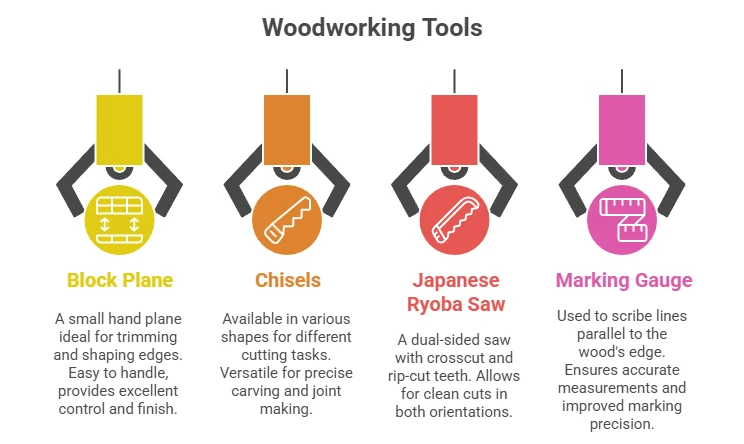
| Tool Type | Description | Benefits |
|---|---|---|
| Block Plane | A small hand plane ideal for trimming and shaping edges. | Easy to handle, provides excellent control and finish. |
| Chisels | Available in various shapes for different cutting tasks. | Versatile for precise carving and joint making. |
| Japanese Ryoba Saw | A dual-sided saw with crosscut and rip-cut teeth. | Allows for clean cuts in both orientations. |
| Marking Gauge | Used to scribe lines parallel to the wood’s edge. | Ensures accurate measurements and improved marking precision. |
In recent years, innovations like ergonomic designs, improved materials, and digital tools have enhanced the functionality of hand tools, making them more comfortable and efficient for both beginners and experts. For enthusiasts wanting to dive deeper into woodworking, online resources such as Wood Magazine or Woodcraft provide valuable insights, tips, and tools. As woodworking evolves, the Best Woodworking Hand Tools remain a blend of tradition and innovation, showcasing the artistry and craftsmanship that have defined this timeless skill.
Conclusion
As you embark on your woodworking journey, understanding the range of essential hand tools available can make a significant difference in your projects. Quality matters; investing in the Best Woodworking Hand Tools not only enhances your craftsmanship but also ensures your tools last longer with proper care. Regular maintenance practices, such as cleaning and sharpening, will keep your tools in top shape and ready for your next creation. Choosing the right tools tailored to your specific projects can seem daunting, but focusing on your unique needs will guide you toward the ideal selections.
The evolution of woodworking hand tools—from traditional designs to modern innovations—reflects the continuous improvement in the craft, enabling both beginners and seasoned woodworkers to achieve exceptional results. Remember, every great woodworking project starts with the right tools. By equipping yourself with high-quality hand tools and caring for them diligently, you will unlock your full potential as a woodworker. As you grow and evolve in your skills, allow your choice of tools to adapt to your style and the nature of your projects, making your woodworking experience enjoyable and fulfilling. Embrace the journey, and let your creativity flow, knowing that the Best Woodworking Hand Tools are your reliable partners in this rewarding craft.