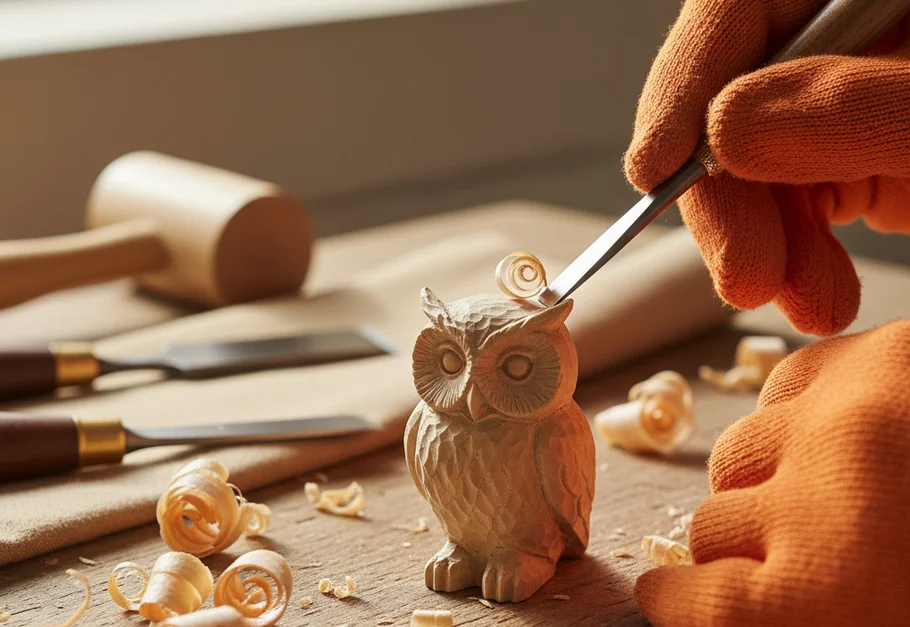
If you’re looking to dive into the world of creativity and craftsmanship, wood carving is an excellent hobby that allows you to bring your ideas to life. Many projects suit beginners and experienced carvers alike. Knowing where to start can feel overwhelming, but fear not! Here are some exciting Wood Carving Projects for Hobbyists to inspire you.
Project Ideas by Skill Level
Essential Tools for Wood Carving
Before tackling any Wood Carving Projects for Hobbyists, you’ll need the right tools. Here’s a list to get you started:
- Carving Knives: A basic set of carving knives will help you in shaping and detailing your work.
- Gouges: These tools help with more intricate cuts and are essential for adding texture.
- Whittling Knife: Great for general shaping, especially in projects like small figurines.
- Safety Gear: Always use gloves and goggles to keep yourself safe while carving.
Beginner-Friendly Projects
As a hobbyist, it’s best to start with simple Wood Carving Projects for Hobbyists that build your confidence and skills. Here are a few ideas:
- Wooden Spoons: Crafting spoons is a classic first project. They require basic cuts and are surprisingly satisfying.
- Simple Figurines: Choose an animal or person and carve it out of a block of wood. This project introduces you to the shaping process.
- Wooden Signs: Customize your home with engraved signs. Try woodburning techniques for an added effect.
Intermediate Projects to Elevate Your Skills
Once you’re comfortable, consider trying your hand at more complex creations:
- Jewelry Boxes: These require precise measuring and detail work, perfect for showcasing your skills.
- Decorative Wall Art: Create a statement piece using a mix of textures and patterns carved into the wood.
- Walking Sticks: Adding personal designs to a walking stick can be a fun, long-term project that is useful, too!
Advanced Wood Carving Ideas
For those looking to challenge themselves, advanced Wood Carving Projects for Hobbyists can truly showcase your talent:
- Sculptures: Dive deeper into anatomical shapes or abstract designs. Take your time and focus on details.
- Musical Instruments: If you’re musically inclined, consider carving a simple flute or other instruments.
- Furniture Accents: Add intricate carvings to furniture pieces. This can completely transform a simple item into custom art.
Resources and Community for Wood Carving
Online Resources for Wood Carvers
To guide you along your woodworking journey, consider checking out some wonderful resources:
- Woodcraft – Offers a variety of tools, supplies, and project ideas.
- Woodworker’s Journal – A source of techniques, tips, and tricks for wood carving enthusiasts.
- Carving Magazine – Provides inspiration, designs, and expert advice for carving projects.
Joining a Community
One of the best ways to improve your craft is to connect with other hobbyists. Online forums and local clubs offer a wealth of knowledge, tips, and support. Here’s what to look for in a community:
- Workshops: Join local workshops to learn from experienced carvers.
- Online Forums: Participate in discussions to share ideas and get feedback on your projects.
- Social Media Groups: Follow wood carving groups on platforms like Facebook or Instagram for inspiration and tutorials.
Embarking on Wood Carving Projects for Hobbyists can be a highly rewarding experience. With practice, patience, and the right tools, you’ll create stunning works of art that showcase your creativity. So, grab your tools, select a project, and let your imagination run wild!
Essential Tools and Materials for Wood Carving Enthusiasts
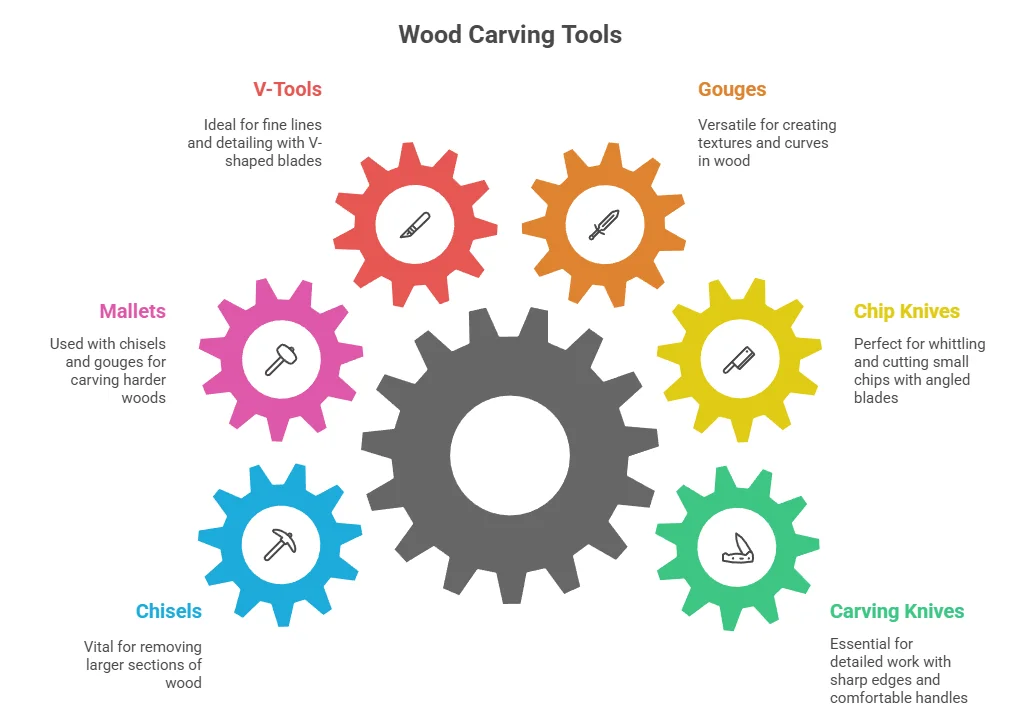
For those diving into the world of wood carving, having the right tools and materials can make all the difference. Whether you are a beginner or an experienced carver, understanding what you need is essential to creating beautiful pieces of art. Here’s a look at the must-have tools and materials for wood carving enthusiasts.
Primary Carving Tools
First, let’s talk about the primary tools used in wood carving.
- Carving knives: These are essential for detailed work. A good carving knife has a sharp edge and a comfortable handle for improved control.
- Chip knives: Perfect for whittling and cutting small chips. Their angled blades help in achieving precision in your designs.
- Gouges: Gouges come in various shapes and sizes, making them versatile for creating different textures and curves in wood.
- V-tools: Ideal for fine lines and detailing. The V-shaped blade allows for deep grooves that add intricate details to your work.
- Mallets: Used in conjunction with chisels and gouges, mallets help to apply force for carving harder woods.
- Chisels: Flat chisels are vital for removing larger sections of wood, paving the way for finer details after the bulk of the design is created.
Having a variety of these tools at hand allows you to tackle different types of projects, from simple carvings to complex sculptures.
Additional Tools for Enhanced Experience
Next, let’s explore some additional tools that can enhance your wood carving experience:
- Sharpening tools: Keeping your tools sharp is crucial. A good sharpening stone or a honing guide will ensure your blades maintain their edge.
- Gloves: Safety should always be a priority. Wearing protective gloves can help prevent injuries while carving.
- Dust masks: When woodworking, dust can be harmful to your lungs. A good dust mask helps keep the air clean while you work.
- Clamps: These are useful for holding your wood securely in place as you carve, ensuring stability and precision.
Materials for Wood Carving
Now, let’s discuss the materials needed for your wood carving adventures.
- Wood: This is, of course, the main material you will need. Beginners often start with softer woods like basswood or butternut due to their easy workability. If you’re feeling adventurous, hardwoods such as oak or cherry add durability and beauty to your projects.
- Wood finish: Once your carving is complete, a good finish will protect the wood and enhance its beauty. Options include oils, varnishes, and waxes.
- Wood glue: Essential for any joints or repairs, wood glue helps keep your pieces together as they dry.
Creating the Ideal Workspace
In addition to tools and materials, having a proper workspace is also critical for successful wood carving. Consider these features when setting up your workshop:
- Workbench: A solid and stable workbench provides the perfect surface for carving.
- Good lighting: Proper lighting is crucial for detailed work; ensure your workspace is well-lit.
- Organization: Keep your tools organized to access them quickly, preventing any loss of focus during your carving sessions.
The world of Wood Carving Projects for Hobbyists is vast and fulfilling. Experimenting with different tools and materials not only enhances your skills but also ignites creativity. To expand your knowledge, check out resources like Woodcraft for helpful guides and tips, and The Wood Whisperer for instructional videos and project ideas.
As you embark on your wood carving journey, remember that practice is key. Experiment with various tools and materials to find what suits your style and projects best. With patience and dedication, you can create stunning works of art that you can cherish for years to come.
Techniques to Enhance Your Wood Carving Skills
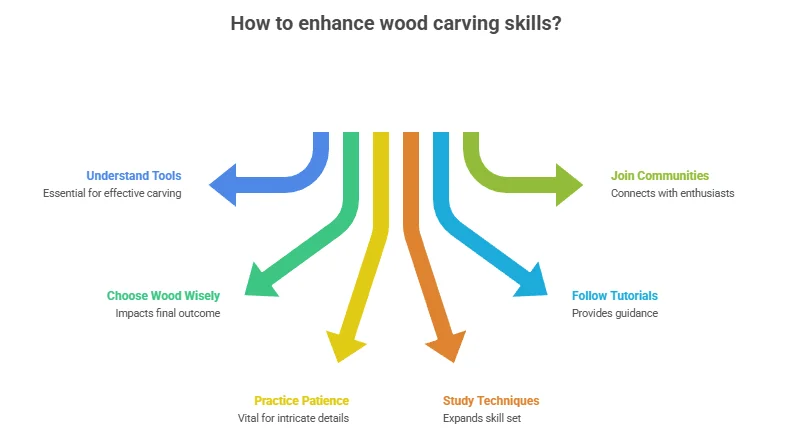
Wood carving is a fulfilling hobby that allows you to create beautiful pieces of art, from intricate sculptures to functional items. To enhance your wood carving skills, it’s essential to learn and practice various techniques. Here are several methods that can help you take your Wood Carving Projects for Hobbyists* to the next level.
Understanding Your Tools
The right tools are essential for successful wood carving. Here’s a list of basic tools you should have:
- Gouges: Used for hollowing out areas in the wood.
- Chisels: Ideal for making straight cuts and fine details.
- Knives: Perfect for whittling and smaller detailing.
- Rasps and files: Help shape and smooth surfaces.
- Saws: For cutting larger pieces before detailing.
Familiarize yourself with these tools. Each tool plays a unique role in the wood carving process, and understanding how to use them will enhance your skill set significantly.
Choosing the Right Wood
Wood selection impacts your carving experience. Different types of wood have diverse characteristics that can affect how easy they are to carve and the final outcome. Consider the following woods:
| Type of Wood | Characteristics |
|---|---|
| Basswood | Soft, easy to carve, great for beginners, and holds detail well. |
| Butternut | Light brown color, easy to work with, and excellent for intricate work. |
| Oak | Dense and strong, challenging for beginners but results in durable carvings. |
| Pine | Affordable and widely available, provides a good medium for practice. |
For more on selecting wood, visit Wood Magazine.
Practice Patience and Precision
Carving wood takes time and practice. Start with simple shapes and gradually move on to complex designs. Focus on precision in your cuts, as attention to detail will significantly improve your skill level. Take small, controlled strokes rather than trying to remove large amounts of wood at once.
Study Different Techniques
There are various wood carving techniques worth exploring. Here are some prominent ones:
- Sculptural Carving: This involves creating three-dimensional figures and forms.
- Relief Carving: This technique creates images that project from the background but are not fully detached from the base.
- Whittling: A simpler technique where you shave the wood into a desired shape, often done with a single knife.
- Chainsaw Carving: For the adventurous, this method uses a chainsaw for larger pieces, creating bold and striking forms.
Each technique can teach you something new. As you gain experience, try combining features from different methods.
Following Online Tutorials and Classes
Learning from experts can accelerate your progress. Numerous online resources provide step-by-step guidance and tips for wood carving:
- The Wood Carving Illustrated website offers a variety of tutorials and articles.
- Consider joining online platforms like Craftsy, where you can find comprehensive wood carving courses.
- YouTube also has several channels dedicated to wood carving, allowing you to watch techniques in action.
Join Wood Carving Communities
Being a part of a community can provide support and valuable feedback. Consider these options:
- Local clubs or classes often offered at craft stores or community centers.
- Online forums where you can share your work, ask questions, and receive critique.
- Social media groups focused on wood carving can provide inspiration and opportunities to connect.
Engagement with others can stimulate your creativity and encourage you to try new things. Enhancing your wood carving skills is a journey of exploration and practice. Prioritize understanding your tools, choosing the right wood, practicing patience, and engaging with the community. By implementing these techniques, you will surely see growth in your skill and confidence in your Wood Carving Projects for Hobbyists.
Common Mistakes to Avoid in Wood Carving Projects
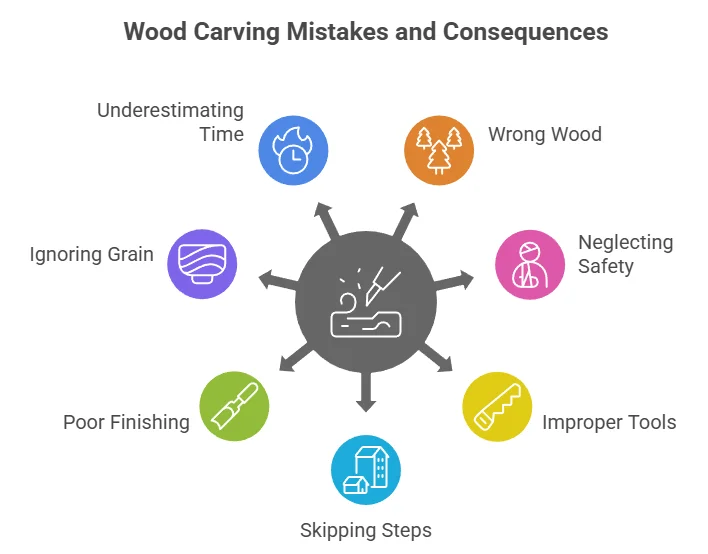
Wood carving is an enjoyable hobby that many people find fulfilling. However, even enthusiastic hobbyists can make mistakes that affect the quality of their projects. By recognizing and avoiding these common pitfalls, you can enhance your wood carving experience and produce stunning results. Here’s a look at the frequent errors and how to sidestep them.
Choosing the Wrong Wood
One of the first mistakes hobbyists make is selecting the wrong type of wood for their project. Softwoods like pine and cedar are easier to carve but might not hold intricate details well. On the other hand, hardwoods such as oak or cherry are tougher to work with but can produce more durable carvings. Always consider the level of detail you want before purchasing wood. For beginners, starting with softwoods is advisable.
Neglecting Safety Gear
Your safety should be a priority when engaging in wood carving. Many hobbyists underestimate the importance of wearing protective gear. Common protective equipment includes:
- Safety glasses to protect your eyes from flying debris
- Cut-resistant gloves, which can help prevent injuries
- A dust mask to avoid inhaling wood particles
Don’t skip this step; protecting yourself will ensure a more enjoyable and safer experience.
Not Using Proper Tools
Having the right tools can make a significant difference in your wood carving project. Some common tools include:
- Carving knives for intricate details
- Gouges for deeper cuts and textures
- Chisels for shaping wood
Using dull or inappropriate tools can lead to frustration. Invest in a good quality set of tools to achieve better results and enjoy the process more. For more upon selecting tools, you can check Wood Magazine.
Skipping Essential Steps in the Process
When you’re excited about starting your Wood Carving Projects for Hobbyists, it’s easy to rush into the process. However, each project requires certain steps to ensure success:
- Design your project—plan what you want to carve and how it will look.
- Transfer your design onto the wood—skipping this can lead to mistakes.
- Roughly carve your shape before adding details—this step is essential.
- Finish with sanding and applying a protective finish like oil or varnish.
Skipping any of these steps can lead to less than desirable results.
Poor Finishing Techniques
Finishing your wood carving properly is crucial as it enhances the beauty and longevity of your project. Common mistakes include:
- Applying a finish too soon—allow your carving to dry completely.
- Using the wrong type of finish—ensure it’s suitable for the wood and desired effect.
- Not sanding between coats—this can lead to a rough finish.
Make sure to research the correct finishing techniques to give your project the professional touch it deserves.
Ignoring Wood Grain
Understanding the grain of the wood can transform your carving. The grain direction affects how the wood responds to your tools. Carving against the grain can cause the wood to splinter and ruin your design. Take time to observe the wood grain and carve with it for smoother results.
Underestimating Time and Patience
Wood carving is not a race; it requires time and patience. Rushing through your project can result in mistakes and lower-quality work. Allocate enough time for intricate details and make sure to take breaks when feeling fatigued. A well-carved project speaks volumes but takes time!
Many new hobbyists also feel tempted to give up when challenges arise. To stay motivated, consider joining local carving clubs or online communities where you can ask questions and share experiences. Websites like Wood Carving World provide resources that can guide you through challenges. Avoiding these common mistakes can significantly improve your Wood Carving Projects for Hobbyists. Always choose the right materials, prioritize safety, use appropriate tools, and allow yourself the necessary time to create. Happy carving!
Inspiring Wood Carving Project Ideas for Every Skill Level
Wood carving is a rewarding hobby that allows you to create beautiful and functional pieces. Whether you are a beginner or an experienced artisan, there are inspiring Wood Carving Projects for Hobbyists that cater to every skill level. Here’s a look at some exciting projects that will spark your creativity and enhance your skills.
Simple Projects for Beginners
If you’re just getting started, it’s essential to choose projects that build confidence without overwhelming you. Here are some ideas to kick off your wood carving journey:
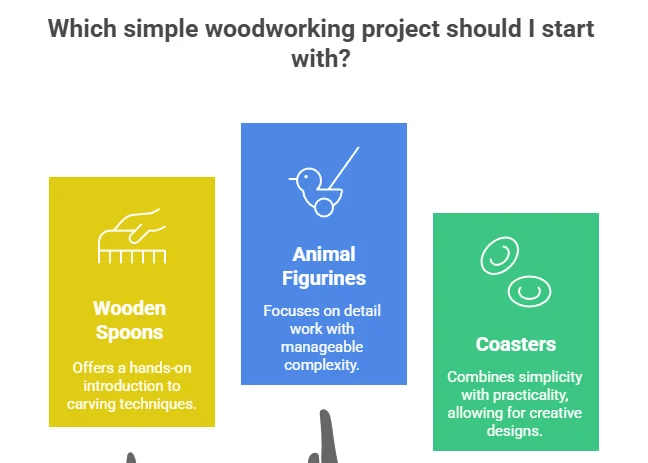
- Wooden Spoons: Crafting a wooden spoon is a great introduction. You can start with a block of softwood and use a carving knife to shape your spoon.
- Simple Animal Figurines: Choose a basic animal shape like a fish or a bird. This will help hone your skills in detail work without being too complex.
- Coasters: Create unique coasters by carving designs or patterns into pieces of wood. This project is not only simple but also practical.
Intermediate Projects to Improve Skills
Once you’re comfortable with basic techniques, you can challenge yourself with intermediate Wood Carving Projects for Hobbyists that require more detail and technique:
- Wooden Jewelry: Carve pendants or earrings from wood. Experiment with different shapes, textures, and finishes to create unique pieces.
- Personalized Name Signs: Carve a name sign or house number that can be displayed outdoors. This project combines practical use with creative flair.
- Picture Frames: Enhance your home decor by creating a wooden picture frame with intricate designs. This project gives you plenty of room to explore patterns and finishes.
Advanced Wood Carving Projects
For seasoned woodworkers looking for a challenge, try these advanced Wood Carving Projects for Hobbyists that push your skills to the next level:
- Carved Furniture: Construct a small side table or stool using significant carving techniques. This project combines functionality with artistry.
- Sculptures: Create life-sized busts or abstract sculptures. This will require patience and a good understanding of anatomy and proportions.
- Intricate Relief Carvings: Explore the world of relief carving by designing 3D images on flat wood surfaces. This project is excellent for enhancing depth perception and detail work.
Resources for Wood Carving Projects
To make the most of your wood carving journey, you may want to explore online resources. Some websites offer tutorials, plans, and inspiration for your projects:
- Wood Carving Illustrated – A source for expert advice, techniques, and community support.
- Carving Path – A platform for sharing and exploring different carving techniques and styles.
- Woodworkers Source – Offers a range of wood types and tools ideal for your projects.
Tips for Success in Wood Carving
Here are some helpful tips to ensure your projects are successful:
- Choose the Right Tools: Invest in quality carving tools that fit comfortably in your hand.
- Practice Regularly: The more time you dedicate to carving, the better you will become.
- Aid with Safety Gear: Always wear protective gear to ensure your safety while carving.
Wood carving offers a rich variety of projects that can suit anyone, from beginners to advanced carvers. By selecting projects that challenge your skills while remaining enjoyable, you can cultivate your wood carving talents. With the right tools, resources, and a pinch of creativity, you’re sure to create outstanding wooden pieces!