
Woodworking is a beautiful craft that brings nature indoors. To keep this art alive, it’s important to adopt eco-friendly methods. More than just a trend, Sustainable Woodworking Practices connect us with the earth, ensuring that we preserve our forests for future generations. Here are some effective methods you can use to engage in this responsible approach to the craft.
Choosing Sustainable Materials
When starting a woodworking project, your choice of wood is crucial. Opt for reclaimed wood, which not only saves trees but also adds character to your creations. Additionally, select wood from certified sustainable sources. Look for labels such as FSC (Forest Stewardship Council) and PEFC (Programme for the Endorsement of Forest Certification), which ensure responsible forest management. Some sustainable wood options include:
- Bamboo: Fast-growing and highly renewable.
- Cork: Harvested without harming the tree.
- Reclaimed Lumber: Utilizes existing wood and reduces waste.
Efficient Use of Materials
Once you have chosen your materials, it’s important to use them wisely. Implementing Sustainable Woodworking Practices means minimizing waste wherever possible:
- Plan Your Cuts: Before cutting, sketch out your design and make a cutting plan. This will help you maximize the use of each board.
- Use Offcuts Creatively: Save smaller pieces for future projects or smaller items such as shelves or coasters.
- Donate Excess Material: If you end up with surplus wood, consider donating it to local schools or community workshops.
[Image of woodworking cutting plan diagram]
Eco-Friendly Adhesives and Finishes
Many traditional wood glues and finishes contain harmful chemicals. Instead, explore natural alternatives that are kinder to both you and the environment:
- Plant-Based Adhesives: Look for glues made from soy or other natural sources.
- Natural Oils: For finishing, use tung oil, linseed oil, or beeswax instead of synthetic varnishes.
- Water-Based Finishes: If you require paint or sealants, choose water-based options that have low VOCs (volatile organic compounds).
Energy-Efficient Tools and Practices
Another aspect of Sustainable Woodworking Practices is the energy used in production. To reduce your carbon footprint, consider the following:
- Use Hand Tools: Whenever possible, opt for hand tools over electric ones. They are not only eco-friendly but can also enhance your skills.
- Electric Tools: If you must use power tools, choose energy-efficient models. Turn them off when not in use to save energy.
- Solar Power: If feasible, power your workshop using solar panels to completely eliminate non-renewable energy usage.
Community and Education
Engaging with your local community can help spread the message of sustainability. You can:
- Participate in local woodworking groups to share ideas and learn from others.
- Host workshops focused on Sustainable Woodworking Practices to teach newcomers.
- Join organizations that advocate for sustainable forestry and woodworking.
Tracking Your Progress
To understand your sustainability impact better, keep a log of materials used, waste minimized, and energy consumed. This will not only provide insight into your projects but also help improve future endeavors.
Inspirational Resources
Many resources are available to help you dive deeper into Sustainable Woodworking Practices:
- Woodworking for Women: A community that focuses on empowering women in woodworking while promoting sustainable practices.
- Wood Magazine: Offers articles and tutorials on sustainable woodworking techniques and materials.
By adopting Sustainable Woodworking Practices, you can make a positive impact on the environment while indulging in your passion. Every small step counts! Whether you’re a beginner or an experienced woodworker, incorporating these strategies will enhance not only your craft but also the world around you.
The Importance of Sourcing Responsible Timber
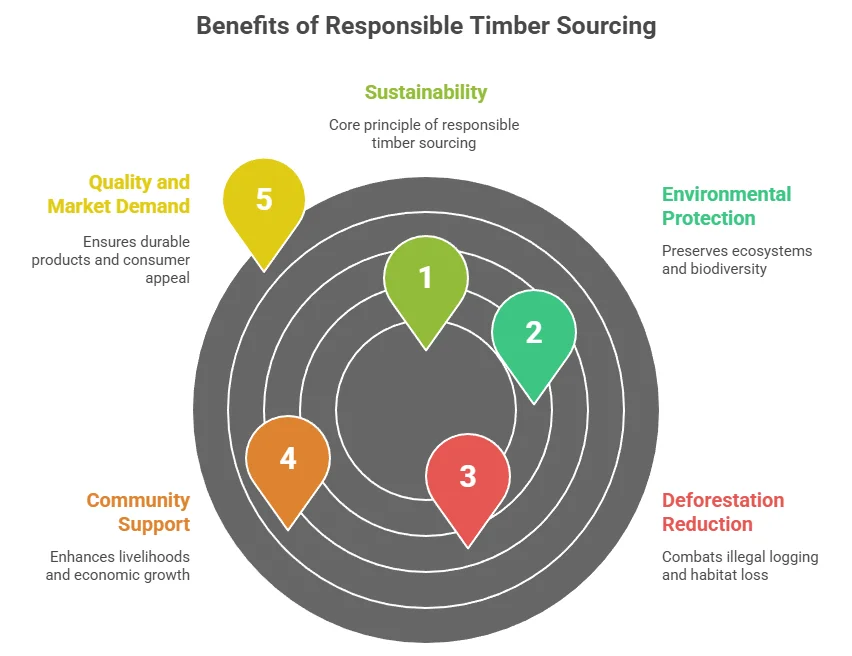
When it comes to woodworking, one crucial step that often gets overlooked is sourcing responsible timber. As consumers become more aware of environmental issues, the need for Sustainable Woodworking Practices has grown significantly. Selecting the right type of wood can have profound implications not only for the environment but also for the quality of your projects.
Responsible timber sourcing targets several important factors, ensuring that the wood used in your projects does not contribute to deforestation or degrade ecosystems. Here are key reasons why this practice is vital:
- Environmental Protection: Trees play a crucial role in absorbing carbon dioxide, releasing oxygen, and supporting biodiversity. Sourcing timber from responsible suppliers means you are supporting forests that play an essential part in the global ecosystem.
- Reduction of Deforestation: Unsustainable logging practices lead to the loss of vital forests worldwide. This not only destroys habitats but also contributes to climate change. By choosing certified timber from sustainable sources, you help reduce the demand for illegally harvested wood.
- Support for Local Communities: Many communities rely on sustainable forestry for their livelihoods. Responsible timber sourcing ensures that these communities benefit fairly from forest resources. This leads to improved living conditions and local economic growth.
- High Quality and Durability: Sustainable timber is often of higher quality. It tends to be harvested at the right age, ensuring it has the properties needed for durable and long-lasting wooden items. Choosing responsibly sourced wood not only aids the planet but can also save you money in the long term.
- Market Demand: With growing consumer interest in sustainability, products made from responsible timber are more appealing to your customers. If you’re a business or craftsman, using certified materials can increase sales and enhance your brand image.
How to Identify Responsible Timber
It’s essential to know how to identify responsible timber. Look for certifications from reputable organizations such as the Forest Stewardship Council (FSC) or the Programme for the Endorsement of Forest Certification (PEFC). These organizations ensure that timber is harvested sustainably and ethically.
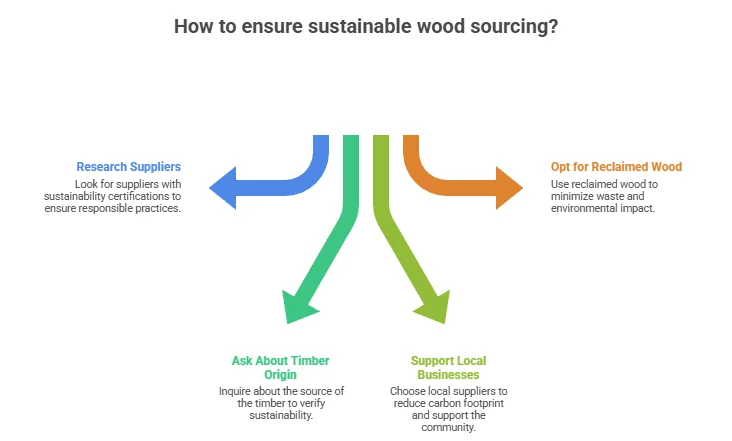
Creating a checklist for Sustainable Woodworking Practices can be rewarding and straightforward. Here is a guide to help you ensure that you’re sourcing timber responsibly:
| Checklist Item | Action Needed |
|---|---|
| Research Suppliers | Look for suppliers with sustainability certifications. |
| Ask About Timber Origin | Inquire where the timber comes from and if it’s sourced sustainably. |
| Support Local Businesses | Choose local suppliers to reduce your carbon footprint. |
| Opt for Reclaimed Wood | Consider using reclaimed wood for projects to minimize waste. |
By adopting responsible timber sourcing and understanding its importance, you contribute to environmental conservation. Explore more on sustainable woodworking at Woodworking Network or visit WWF’s Guide to Wood for insights on sustainable timber.
Techniques for Reducing Waste in Woodworking
Embracing eco-friendly practices in woodworking is crucial for reducing waste and promoting sustainability. Here are some effective techniques to minimize wood waste while still creating beautiful, high-quality wooden products.
Optimize Material Usage
One of the most straightforward ways to reduce waste is to optimize the usage of materials. When planning your project, consider the dimensions of the wood pieces carefully. This can involve:
- Using software or apps to visualize cuts before making them.
- Creating a detailed cut list that maximizes the use of each board.
- Arranging parts on the material to minimize off-cuts.
Utilize Off-Cuts Wisely
Even small leftover pieces can be valuable. Instead of discarding off-cuts, think creatively. You can:
- Use them for smaller projects like coasters, keychains, or picture frames.
- Employ off-cuts as jigs or fixtures in future projects.
- Consider using them as fuel for your shop’s heating system, if applicable.
Embrace Reclaimed Wood
Reclaimed wood is a fantastic material choice that helps divert waste from landfills. By using salvaged wood from old buildings or discarded furniture, you engage in Sustainable Woodworking Practices that give new life to remarkable old materials.
Implement Efficient Sawing Techniques
Minimizing waste during the sawing process is essential. Proper techniques can save valuable wood. Focus on:
- Using sharp blades to ensure clean cuts, reducing splintering and wastage.
- Employing the right type of saw for each cut—choose between table saws, miter saws, or band saws based on your project needs.
- Keeping measurements precise to avoid excessive trimming.
Invest in Quality Tools and Shop Habits
Quality tools yield better precision, which can significantly reduce waste. Invest in high-quality saw blades and miter saws with laser guides. Furthermore, creating a culture of waste reduction in your workshop leads to better Sustainable Woodworking Practices. Maintain a clean workspace to identify materials easily and organize off-cuts in labeled bins.
For more information on preparation, visit Woodworkers Source or explore The Wood Whisperer for additional tips and resources.
Innovative Tools and Materials in Sustainable Woodworking
In the realm of woodworking, harnessing innovative tools and materials is crucial for promoting sustainability without sacrificing quality. By integrating new technologies and eco-friendly resources, craftsmen can achieve remarkable results while conserving the environment.
Advanced Tools for Sustainable Woodworking
Modern woodworking relies on tools that maximize effectiveness while minimizing waste. Here are some noteworthy innovations:
[Image of CNC machine carving wood]
- Laser Cutters: These devices offer precise cuts, reducing the amount of material wasted. By using computer-controlled cutting, these machines ensure that every piece counts.
- CNC Machines: Computer Numerical Control (CNC) machines precisely carve wood into custom shapes. This technology ensures minimal waste, as designers can optimize the layout for cutting patterns.
- Router Technology: Advanced routers can create intricate designs with less effort and waste. Their versatility means they can also work with recycled or repurposed wood.
- Battery-Powered Tools: Electric woodworking tools that use rechargeable batteries reduce reliance on cords and enhance mobility.
Eco-Friendly Materials for Woodworking
Choosing the right materials is essential for Sustainable Woodworking Practices. Here are some innovative options:
- Reclaimed Wood: Sourced from old pallets, barns, and buildings, it conserves resources by minimizing the need for new lumber.
- Bamboo: This fast-growing grass is a highly sustainable alternative to traditional hardwood.
- Particle Board and MDF from Sawdust: These engineered boards are made from recycled wood particles, providing an excellent way to repurpose leftover wood scraps.
Resources for Further Learning
If you’re interested in diving deeper into Sustainable Woodworking Practices, consider these helpful resources:
- The Wood Whisperer – A site dedicated to woodworking education, offering tutorials and insights on sustainable practices.
- Forest Stewardship Council – An organization that provides information on sourcing sustainable wood and timber products.
Building a Community Around Sustainable Woodworking
Building a vibrant community around Sustainable Woodworking Practices is not only beneficial for the environment, but it also fosters creativity and collaboration among woodworking enthusiasts. By engaging individuals through shared values, skills, and knowledge, woodworking can transition from a mere hobby to a communal effort that champions sustainability.
Engaging Your Local Community
Getting started with creating your community means engaging local enthusiasts. Consider hosting workshops and events that showcase Sustainable Woodworking Practices. Here are some effective strategies:
- Workshops: Organizing classes in local community centers can attract individuals of all skill levels.
- Meetups: Regularly scheduled meetups enable members to share projects, discussions, and advice.
- Collaborative Projects: Work on community projects that utilize sustainable methods, such as building furniture or community gardens.
Utilizing Online Platforms
In addition to local engagement, online platforms can greatly enhance community building. Consider these approaches:
- Social Media Groups: Create dedicated Facebook groups or Instagram pages to share projects, tips, and resources.
- Forums and Chat Rooms: Websites like Woodworking Talk provide a space for discussions about sustainable techniques.
- Webinars and Live Streams: Hosting virtual workshops through platforms like Zoom allows a broader audience to participate.
Measuring Community Growth and Engagement
As your community grows, tracking engagement will help optimize strategies. Consider these metrics:
| Metric | Description |
|---|---|
| Membership Growth | Track the number of new members joining over time. |
| Event Participation | Measure attendance at workshops, meetups, and online events. |
| Feedback Surveys | Regularly solicit feedback to gauge member satisfaction and areas for improvement. |

Building a community focused on Sustainable Woodworking Practices is a rewarding endeavor. Not only does it nurture skills and creativity, but it also contributes to a more sustainable future.
Conclusion
Embracing Sustainable Woodworking Practices is not only beneficial for the environment but also enriches your experience as a craftsman. As you engage in eco-friendly projects, you contribute to a larger movement that prioritizes responsible sourcing of timber. Understanding the importance of choosing wood that comes from sustainable sources ensures that your creations do not deplete natural resources or harm ecosystems.
Adopting techniques to reduce waste is essential in woodworking. Whether it’s through accurate measurements or reusing scraps, every small effort counts towards minimizing your impact. The advancement of innovative tools and materials offers exciting possibilities for eco-conscious woodworkers. These options not only enhance your craftsmanship but also align your projects with sustainable goals.
Ultimately, your commitment to Sustainable Woodworking Practices leads to better quality projects, a healthier environment, and a supportive network of fellow craftsmen. It’s an inspiring journey of creativity and mindfulness, transforming each piece of wood into a work of art that celebrates both beauty and sustainability. As you apply these principles, you’re not just making furniture; you’re actively participating in a sustainable future for generations to come.