Choosing the right wood for furniture making is crucial for durability, aesthetics, and functionality. Different types of wood offer unique characteristics and benefits, making them ideal for various furniture pieces. Below is an overview of some of the Best Wood Types for Furniture Making, helping you make an informed decision for your next project.
Hardwoods vs. Softwoods
When selecting wood, it’s important to understand the two main categories: hardwoods and softwoods. Hardwoods come from deciduous trees that lose their leaves, such as oak and maple. Softwoods come from evergreen trees like pine and cedar. Hardwoods are typically denser and more durable, making them excellent for high-use furniture.
Top Wood Types for Furniture Making
| Wood Type | Characteristics | Benefits |
|---|---|---|
| Oak | Heavy, durable, and has a prominent grain | Resistant to wear and tear, great for both traditional and modern designs |
| Maple | Strong with a fine, consistent grain | Stains well, making it versatile for many finishes |
| Cherry | Rich color that darkens with age | Beautiful appearance, perfect for heirloom furniture |
| Mahogany | Deep color and is resistant to swelling and warping | Classic look, ideal for luxury furniture options |
| Pine | Lightweight, easy to work with, and has a rustic feel | Cost-effective and great for casual or farmhouse-style furniture |
| Cedar | Known for its aroma and natural resistance to pests | Great for outdoor furniture due to natural decay resistance |
Popular Hardwoods
Hardwoods like oak, maple, cherry, and mahogany dominate furniture-making due to their strength and beauty. Oak, for example, is loved for its endurance and stunning grain patterns. It’s perfect for dining tables and cabinetry. Maple is another excellent choice, known for its versatility and durability, making it suitable for furniture that may experience daily wear.
Versatile Softwoods
While hardwoods are typically more sought after, softwoods offer incredible versatility, especially for budget-conscious projects. Pine is one of the most popular softwoods, valued for its ease of use and availability. It’s perfect for DIY enthusiasts creating anything from rustic tables to shelving units.
Cedar is another softwood that stands out, especially for outdoor furniture. Its natural oils act as preservatives, helping it withstand the elements and resist decay. Cedar also adds a pleasant aroma, making it a favorite for garden furniture and storage chests.
Considerations When Choosing Wood
When selecting wood for furniture making, take these factors into account:
- Durability: Consider how much use the furniture will get. Hardwoods like oak and cherry are robust and suitable for items like beds and dining tables.
- Appearance: Choose a wood type that matches your design vision. If you’re looking for a warm, rich color, cherry or mahogany may be ideal.
- Cost: Budget is always crucial. Softwoods like pine and cedar can provide beautiful results without breaking the bank.
- Maintenance: Some woods require more maintenance than others. For instance, certain finishes can enhance the look of hardwoods but soften their durability over time.
To help you learn more about the Best Wood Types for Furniture Making, resources like Wood Magazine offer detailed insights and guides. You can delve deeper into different wood properties and understand which type fits best with your furniture design needs.
Comparing Hardwoods and Softwoods for Durable Furniture

When choosing wood for furniture making, one of the primary decisions is whether to use hardwoods or softwoods. Each type offers distinct characteristics and benefits that influence durability, aesthetics, and cost. Understanding the differences can help you make an informed choice for your furniture projects.
Hardwoods
Hardwoods come from deciduous trees that shed their leaves annually. Some popular hardwood species include:
- Oak
- Maple
- Cherry
- Walnut
- Teak
Softwoods
Softwoods, on the other hand, come from coniferous trees that remain evergreen. Common softwood species include:
- Pine
- Cedar
- Fir
- Spruce
- Redwood
Characteristics of Hardwoods
Hardwoods are typically denser and more resistant to wear and tear compared to softwoods. This makes them an excellent choice for furniture intended for heavy use. Their natural beauty often includes rich grains and textures, adding elegance to any room. With proper care, hardwood furniture can last for generations.
Here’s a breakdown of the advantages of using hardwoods:
- Durability: Hardwoods resist dents and scratches.
- Variety: Available in numerous attractive colors and grains.
- Value: Often maintains or increases in value over time.
- Finishes: Takes stains and finishes well, allowing for various appearances.
Characteristics of Softwoods
Softwoods are generally lighter and easier to work with, making them ideal for DIY projects or those who are new to furniture making. They are also more affordable than hardwoods, which can be a significant factor for budget-conscious buyers. However, softwoods may not be as durable as hardwoods, so they are often best used for items that won’t face heavy wear, like decorative pieces or temporary furniture.
Here are the notable benefits of softwoods:
- Cost-Effective: Generally cheaper than hardwoods.
- Easy to Work With: Lighter weight allows for easier manipulation.
- Fast Growth: Softwoods grow more quickly, making them a more sustainable option.
- Versatility: Can be painted or stained easily, adapting to different styles.
Comparing Hardwoods and Softwoods
| Feature | Hardwood | Softwood |
|---|---|---|
| Durability | High | Moderate |
| Cost | Higher | Lower |
| Weight | Heavier | Lighter |
| Workability | Challenging | Easy |
Choosing the Right Type of Wood
Your choice between hardwoods and softwoods should align with the intended use of the furniture. If you’re creating a dining table, for example, hardwoods like oak or cherry are ideal for their strength and longevity. If you’re building a coffee table or a decorative shelf, softwoods like pine or cedar may be suitable and cost-effective.
Additionally, consider the environment where the furniture will be placed. In high-humidity areas, certain woods like teak resist moisture better, while others might warp or crack. For outdoor furniture, hardwoods typically have more resistance to the elements but may require more maintenance than softwoods.
Both hardwoods and softwoods have unique advantages that make them suitable for different types of furniture. Understanding the characteristics and potential applications of each will help you create beautiful and functional pieces that meet your needs.
Sustainable Wood Choices: Environmentally Friendly Options for Furniture
When you’re considering furniture for your home or office, choosing sustainable wood options is important for both your space and the environment. Here’s a look at some of the best environmentally friendly wood types, along with their benefits, uses, and sustainability features that can guide you in your furniture-making journey.
Many furniture makers today focus on using sustainable materials that minimize their impact on the planet. Here are some popular sustainable wood choices:
- Bamboo: Bamboo is a highly renewable resource that grows much faster than traditional hardwoods. It can reach maturity in just three to five years. Its lightweight yet durable nature makes it an excellent choice for furniture, providing both functionality and eco-friendliness.
- Beech: Beech is a robust and dense hardwood that is often sourced from sustainably managed forests. It is known for its lovely grain and smooth texture, which can enhance any piece of furniture. It is also a renewable option due to responsible harvesting practices.
- Cherry: Cherry wood is celebrated for its rich color and fine grain. When sourced from certified forests, it offers a sustainable option. Cherry develops a deep, beautiful patina over time, making it a favorite for heirloom pieces that will last generations.
- Maple: Hard maple is a strong, durable wood that comes from trees that grow in managed forests. Its natural beauty and resilience make it suitable for creating durable furniture. Maple’s light color can also brighten up your space.
- Mahogany: Although traditional mahogany faces sustainability issues, there are sustainable varieties available, often sourced from certified forests. Mahogany is prized for its warm color and durability, making it ideal for high-end furniture.
- Reclaimed Wood: Using reclaimed wood from old buildings or furniture allows you to give new life to materials that would otherwise be discarded. This reduces the need for new logging and promotes recycling, definitely making it a great sustainable choice.
When selecting wood for your furniture projects, consider the environmental certifications associated with the wood. Look for the following certifications to ensure that the wood is sourced sustainably:
| Certification | Description |
|---|---|
| FSC (Forest Stewardship Council) | Ensures that wood comes from responsibly managed forests that provide environmental, social, and economic benefits. |
| PEFC (Programme for the Endorsement of Forest Certification) | Presents sustainable forest management and allows consumers to identify products from sustainably managed forests. |
| USDA Organic | Certifies products as organic when sourced from sustainably managed forests without synthetic fertilizers or pesticides. |
| SFI (Sustainable Forestry Initiative) | Focuses on sustainable forest management and the conservation of biodiversity. |

Choosing sustainable wood not only benefits the environment but also helps support local economies and responsible forestry practices. When you invest in sustainable options, you are making a difference one piece at a time.
It’s also worth considering local woods as they generally have a lower carbon footprint due to reduced transportation costs and emissions involved. If you live in a region with abundant native trees, look for locally sourced hardwoods. This practice not only supports local businesses but also helps preserve the community’s ecosystem.
For inspiration and to see a variety of sustainable wood options, check out websites like FSC for certified products, or explore Woodworkers Source for quality reclaimed materials. These resources can help you find the best wood types for your furniture projects and make responsible choices.
The Role of Grain Patterns in Furniture Aesthetics
When considering furniture aesthetics, the choice of wood and its grain patterns play a significant role. Different wood types offer unique grain patterns, which contribute not only to the visual appeal but also to the overall character of furniture pieces. Understanding how these patterns affect aesthetics can empower you to make more informed choices when selecting furniture for your home or workspace.
Wood grain refers to the pattern of fibers in the wood, and it varies widely depending on the species of tree. Some grains are straight and fine, while others are wavy, curly, or even interlocked. Here’s how grain patterns can influence the aesthetics of furniture:
Types of Grain Patterns
Here are some common grain patterns you might encounter in various wood types:
- Straight Grain: Wood with a straight grain displays a uniform pattern that is pleasing to the eye. It is often found in hardwoods such as oak and maple, giving furniture a clean and classic look.
- Wavy Grain: This pattern creates a soft, flowing appearance. Wood types like cherry exhibit wavy grain that adds warmth and elegance, often enhancing traditional furniture designs.
- Curly Grain: Found in woods like curly maple and mahogany, this pattern presents a stunning visual effect, with a distinct chatoyancy—a shimmering optical effect that can steal the show in any furniture piece.
- Interlocked Grain: Common in woods like koa and African mahogany, interlocked grain patterns add depth and complexity to the furniture. These grains demonstrate a beautiful interplay of colors, making them a popular choice for high-end pieces.
The Impact of Grain Patterns
The choice of grain pattern affects not only aesthetics but also the perceived value of the furniture. Here are some specific impacts:
- Style Versatility: Different grain patterns can match various interior styles—from rustic to modern. A straight grain is perfect for minimalist designs, while more intricate patterns can enhance traditional or eclectic styles.
- Color Variations: Grain patterns can influence the color depth of the wood. For example, lighter grains can appear brighter and airier, whereas darker, more complex grains add richness and warmth.
- Texture and Feel: The tactile experience of furniture is also influenced by grain patterns. A piece with a pronounced grain texture invites touch, while smoother grains might feel more refined and modern.
Choosing the Right Wood for Your Furniture
When selecting wood, consider not only the grain pattern but also how it will complement other elements in the room. Some popular wood types and their grain characteristics are:
| Wood Type | Grain Pattern | Common Uses |
|---|---|---|
| Oak | Straight Grain | Tables, Chairs |
| Maple | Straight & Fine Grain | Cabinets, Dressers |
| Cherry | Wavy Grain | Traditional Furniture |
| Teak | Interlocked Grain | Outdoor Furniture |
| Mahogany | Curly Grain | High-End Furniture |
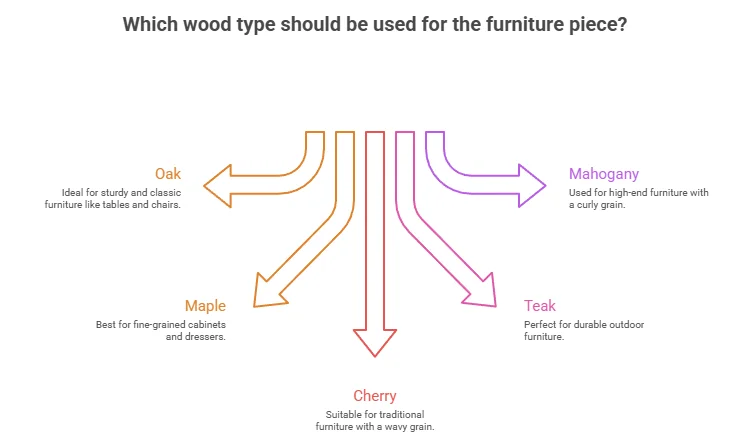
Consider how the grain patterns in these wood types will fit with your home décor. For more insights into wood types and their suitability, you can explore resources like Wood Magazine and Popular Woodworking.
Furniture with attractive grain patterns enhances visual interest and reflects your personal style. Whether you prefer the timeless elegance of straight grain or the dynamic flair of curly patterns, choosing the right type of wood can elevate your space and make a striking statement. Remember, the beauty of wood grain is not just in its appearance; it tells a story of the tree’s growth and the environment from which it hails. So, when selecting furniture, let the wood’s unique grain patterns inspire and inform your choices.
Maintenance Tips for Wooden Furniture: Ensuring Longevity and Beauty

Wooden furniture can bring warmth and elegance to any home. To ensure they remain stunning and functional over the years, proper maintenance is essential. Here are some valuable maintenance tips to keep your wooden pieces looking their best.
Regular Cleaning
Dust accumulation can tarnish the beauty of your wooden furniture. Regular cleaning not only removes dust but also prevents scratches. Follow these simple steps:
- Use a soft, dry cloth: A microfiber cloth is perfect for trapping dust without scratching the surface.
- Avoid wet cleaning: Excess moisture can warp wood. Dampen the cloth slightly, if necessary, but ensure it’s not soaked.
- Clean spills promptly: Wipe up spills immediately to prevent stains and water damage.
Polishing
Polishing your wooden furniture enhances its shine and creates a protective layer against dust and moisture.
- Choose the right polish: Use a polish that is specifically designed for wood furniture. Avoid silicones and wax, as they can build up over time.
- Apply evenly: Use a soft cloth to apply the polish evenly, following the direction of the wood grain.
- Frequency: Aim to polish every three to six months, depending on usage.
Avoid Direct Sunlight
Sunlight can cause wooden furniture to fade and discolor over time. Protect your pieces by:
- Using window treatments: Curtains or blinds can help shield your furniture from direct sunlight.
- Rearranging furniture: If possible, position your furniture away from sunny spots to minimize exposure.
Temperature and Humidity Control
Wood is sensitive to changes in temperature and humidity. Extreme conditions can cause it to expand and contract, leading to cracks or warping. Here’s how to create a stable environment:
- Maintain consistent temperature: Keep the room temperature between 60-80°F (15-27°C) for optimal comfort.
- Monitor humidity: Aim for a humidity level of 40-60%. A dehumidifier or humidifier can help when necessary.
Regular Inspections
Inspecting your furniture regularly can help you catch issues before they escalate. Look for:
- Loose joints: Tighten screws or clamps as needed to maintain stability.
- Scratches and dents: Use a wood filler or touch-up pen to repair minor damages.
- Signs of pests: Keep an eye out for wood-boring insects and consult a professional if necessary.
Protective Measures
To prevent damage, take protective actions:
- Coasters and placemats: Always use coasters under drinks and placemats under hot dishes.
- Furniture pads: Use felt pads under heavy objects to avoid scratches and dents.
- Rugs: Placing rugs underneath furniture can protect the flooring and add an extra layer of protection against scratches.
For further information on maintaining wooden furniture, consider visiting these helpful resources: Wood Magazine and Better Homes and Gardens.
By following these maintenance tips, you can ensure your wooden furniture remains beautiful and serves you well for years to come. Taking these simple steps will not only protect your investment but also enhance the overall aesthetics of your home.
Conclusion
Choosing the Best Wood Types for Furniture Making involves a thoughtful consideration of various factors, each contributing to the quality and appeal of your final piece. Understanding the characteristics and benefits of different woods enables you to select materials that suit your style and functional needs. Hardwoods like oak and maple are renowned for their durability and resistance to wear, while softwoods such as pine are favored for their lightweight and cost-effectiveness.
Sustainable wood choices not only support environmentally friendly practices but also offer unique aesthetics, helping you create beautiful furniture without compromising the planet. As you explore options, consider the distinct grain patterns found in different species; these not only enhance the overall appearance of your furniture but also tell a story that enriches its character.
To ensure your wooden furniture remains in great condition, proper maintenance is essential. Regular cleaning, polishing, and the application of protective finishes can extend the life of your pieces, allowing them to retain their beauty for generations. By investing time in understanding the types of wood and their maintenance needs, you can create stunning, durable furniture that reflects your personal style and values.
Ultimately, choosing the right wood for your furniture is a blend of practicality and artistry. By considering durability, sustainability, aesthetics, and maintenance, you give yourself the best chance of crafting a beautiful, lasting piece that you’ll cherish for years to come.