ideas that are perfect for newcomers.
Simple Weekend Woodworking Projects for Beginners
Wooden Planter Boxes
Creating wooden planter boxes is a straightforward and rewarding project. You can build a simple rectangular box using untreated lumber like pine. These boxes are perfect for indoor plants or flowers, adding a charming touch to your home. This is a great choice for Weekend Woodworking Projects. Here’s a quick guide to get started:
Materials Needed:
- Untreated lumber (1×6 or 1×8 boards), wood screws, wood glue, and outdoor finish (optional).
Steps:
- Cut the boards to size, assemble the frame using screws and glue, and sand the edges for a smooth finish.
Tip: Consider drilling holes in the bottom for drainage.
Picture Frames
Custom picture frames can be a delightful addition to your home decor. This project is fun because you can personalize it according to your style. Start with reclaimed wood for a rustic look. Making custom frames is an excellent choice among simple Weekend Woodworking Projects.
Materials Needed:
- Reclaimed wood, wood glue, miter saw, clamps, and nails.
Steps:
- Cut the wood at 45-degree angles, assemble it in a square or rectangle shape, and secure it with glue and nails.
Tip: Paint or stain the frame to match your aesthetic.
Coasters
Coasters are essential household items that you can craft easily. They make for great gifts as well! You can create unique designs using different types of wood or even incorporate resin for a creative touch. These are quick Weekend Woodworking Projects you’ll love.
Materials Needed:
- Wooden squares or circles, sandpaper, and wood sealer.
Steps:
- Sand the wood pieces until smooth, apply a coat of sealer to protect them, and let dry.
Tip: Use a wood router to add decorative edges.
Bookshelves
A simple bookshelf can transform any space in your home. This project is not only practical but also gives you a chance to express your creativity. Using a few pieces of lumber, you can design a custom bookshelf that suits your needs. This is one of the more substantial Weekend Woodworking Projects.
Materials Needed:
- Plywood or solid lumber, screws, wood glue, and brackets.
Steps:
- Cut and assemble the wood according to your desired dimensions, and secure it to the wall using brackets.
Tip: Finish the wood with paint or stain to enhance its appearance.
Birdhouses
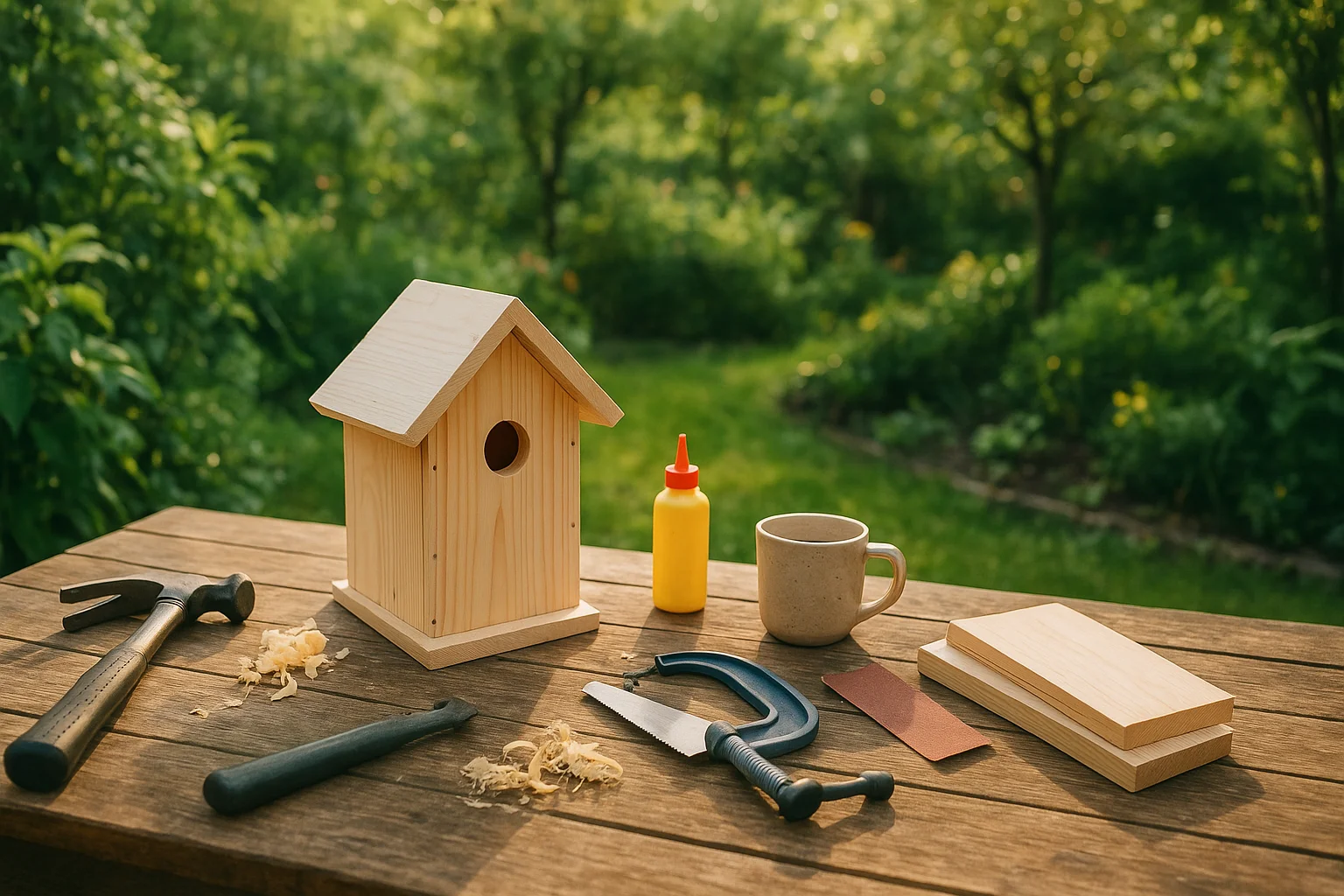
Building a birdhouse can be a fantastic project that connects you with nature. You can attract local birds and enjoy their company while also working on your woodworking skills. This is a delightful choice for Weekend Woodworking Projects.
Materials Needed:
- Untreated lumber (cedar or pine), wood screws, and non-toxic paint.
Steps:
- Cut pieces for the walls, roof, and floor, then assemble them. Don’t forget to leave a small entrance for the birds!
Tip: Customize your birdhouse with decorative paint or patterns.
Simple Benches
A wooden bench can add style and functionality to your outdoor space. This project requires minimal tools and can be completed in a weekend. Adding outdoor seating is one of the most useful Weekend Woodworking Projects.
Materials Needed:
- Pressure-treated lumber, screws, and sandpaper.
Steps:
- Cut the wood to create the bench top and legs, then assemble and secure them tightly.
Tip: Consider adding a coat of waterproof sealant for durability.
For additional inspiration and detailed plans, websites like Wood Magazine and Popular Woodworking offer a wealth of resources and project ideas suitable for beginners. Embarking on Weekend Woodworking Projects is not just a way to develop your craft, but it can also provide a deep sense of satisfaction. By tackling these beginner-friendly projects, you’ll not only fill your space with handmade
items, but you will also cultivate skills that will serve you in more advanced endeavors in the future.
Essential Tools Every Woodworker Should Have
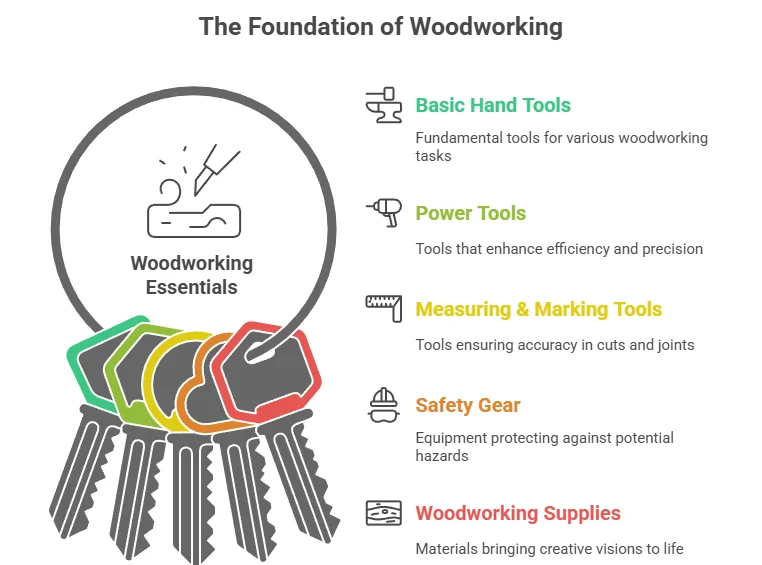
Whether you’re just starting in woodworking or you’re an experienced craftsman, having the right tools is essential. The right set of tools can make your Weekend Woodworking Projects easier, safer, and more enjoyable. Getting started doesn’t have to be overwhelming; here’s a list of essential tools every woodworker should consider having.
Basic Hand Tools
Hands tools are the backbone of any woodworking workshop. They offer precision and control that power tools may not provide. They are perfect for your Weekend Woodworking Projects. Here are some must-have hand tools:
- Chisels: A good set of chisels can help you perform tasks like carving and cleaning joints. Look for high-quality steel chisels.
- Saws: Different types of saws serve various purposes. A hand saw, coping saw, and a dovetail saw offer versatility in your projects.
- Clamps: Clamping your workpieces securely is essential for accuracy. Invest in various sizes, such as C-clamps, bar clamps, and spring clamps.
- Routers: Routers are used to hollow out or shape the edges of wood. They can add decorative elements to your projects.
Power Tools
Power tools can speed up your work and help you achieve a more polished finish. This is especially helpful when tackling Weekend Woodworking Projects. Here are some power tools to consider:
- Circular Saw: This versatile tool is great for making straight cuts in various materials. It’s ideal for sheet goods like plywood.
- Jigsaw: For curved or intricate cuts, a jigsaw is invaluable. It’s easy to use and perfect for beginners.
- Drill: A cordless drill is essential for drilling holes and driving screws. Look for one with multiple torque settings.
- Table Saw: If you have the space, a table saw makes precise cuts and is a cornerstone of many woodworking shops.
Measuring and Marking Tools
Accurate measurements are crucial in woodworking. Invest in reliable measuring and marking tools to ensure your Weekend Woodworking Projects turn out perfectly.
- Measuring Tape: A good-quality measuring tape is a must-have for every woodworker. Look for one that locks in place for accuracy.
- Square: A framing square or combination square will help you check drafts and joints for squareness.
- Marking Gauge: This tool is perfect for marking out cuts and ensuring your measurements are precise.
- Pencil: A fine-point pencil or a mechanical pencil will provide cleaner lines than a regular carpenter’s pencil.
Safety Gear
Your safety should always be a priority in any woodworking project. Ensure you have the following safety gear when working on Weekend Woodworking Projects:
- Safety Glasses: Protect your eyes from dust and debris while you work.
- Ear Protection: Investing in a good pair of earplugs or earmuffs will protect your ears from loud machines.
- Dust Mask: A quality dust mask or respirator is essential to filter out harmful particles.
- Work Gloves: While gloves allow for better grip, ensure they fit well to prevent any accidents when using power tools.
Woodworking Supplies
Along with your tools, you will need consumable supplies that can enhance and finalize your projects:
- Glue: Wood glue is essential for joining pieces. Titebond III is widely recommended for its strength and water resistance.
- Sandpaper: Various grits of sandpaper are necessary for smoothing surfaces. Start with a coarse grit and work your way to a fine finish.
- Finishing Products: Stains, paints, and sealants will protect your projects and add an aesthetic touch.
For more detailed guides on woodworking tools, visit sites like Wood Magazine and Popular Woodworking. These resources offer great insights and reviews on various tools and techniques. Equipping yourself with these essential tools will set you on the right path
toward crafting beautiful Weekend Woodworking Projects. As with any craft, practice and patience will help you improve your skills and achieve great results.
How to Choose the Right Wood for Your Weekend Woodworking Projects
Choosing the right wood for your Weekend Woodworking Projects is crucial to achieving the best results. Each type of wood has its unique characteristics that can greatly affect the look, durability, and functionality of your finished piece. In this guide, we will explore how to select the perfect wood to make your DIY adventures successful.
Consider Your Project Type
The first step in choosing wood is understanding the type of project you’re planning. Different projects require different wood strengths and aesthetic qualities. Here are some common Weekend Woodworking Projects and suggestions for suitable wood types:
- Furniture: For building furniture like chairs or tables, solid hardwoods such as oak, maple, or cherry are excellent choices due to their durability and beauty.
- Outdoor Projects: If you’re creating something for the outdoors, like a bench or a birdhouse, go for pressure-treated pine or cedar, as they resist moisture and pests.
- Crafts and Small Projects: Simple projects like picture frames or smaller decor items can be made from plywood or softwoods like pine for easier handling and cutting.
Understand Wood Properties
Knowing the properties of different woods will help you make an informed decision. Here are some key considerations:
| Wood Type | Durability | Workability | Cost |
|---|---|---|---|
| Oak | High | Moderate | Moderate to High |
| Pine | Moderate | High | Low |
| Cedar | Moderate | Moderate | Moderate |
| Maple | High | Moderate | High |
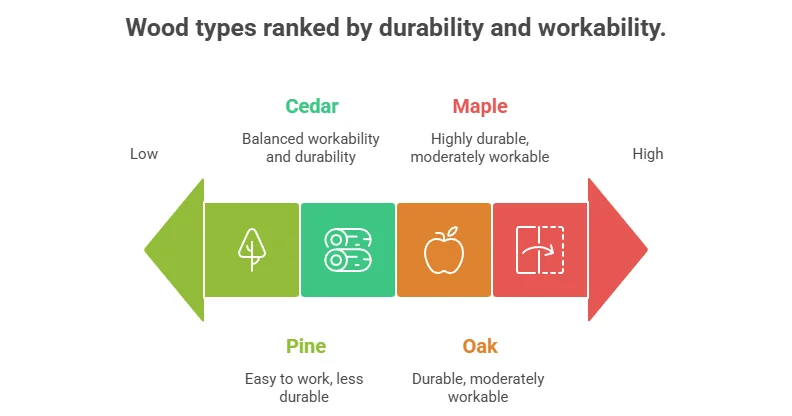
Durability indicates how well the wood will hold up over time. Workability refers to how easy it is to cut, shape, and join the wood. Cost is also a major factor, especially for hobbyists looking to keep budget in check when choosing their Weekend Woodworking Projects.
Assess Availability and Accessibility
Before making your decision, check your local suppliers. Some types of wood may be more readily available than others. Home improvement stores often stock common woods like pine and plywood, while specialty lumber yards might have exotic or high-quality hardwoods. Don’t hesitate to reach out to local suppliers or check their websites for availability, such as Woodfinder.
Consider Environmental Impact
As a responsible woodworker, it’s essential to consider the environmental impact of your choices. Look for woods that are sustainably sourced or certified by organizations like the Forest Stewardship Council (FSC). This helps ensure that the wood you use supports responsible forestry practices. For more information on sustainable options, visit FSC.
Finish Matters Too
Think about the finish you plan to apply to your project. Some woods, like oak, take stain well and highlight their natural grain beautifully. Others, like pine, are often painted due to their less dramatic grain. Experimenting with finishes can help you achieve the desired look for your Weekend Woodworking Projects. To sum up, selecting the right wood for your Weekend Woodworking Projects
revolves around understanding the project type, the properties of the wood, availability, sustainability, and how well the finish will complement your work. By keeping these factors in mind, you’ll set yourself up for a successful and enjoyable woodworking experience. If you want to explore more ideas for Weekend Woodworking Projectscheck out sites like Wood Magazine or Woodworker’s Source Blog.
Your next weekend project can be a creative and fulfilling venture when you choose the right wood.
Time-Saving Tips for Efficient Woodworking Over the Weekend
Woodworking on the weekends can be both an enjoyable and rewarding hobby. However, managing your time efficiently is crucial to make the most of your projects. Here are some time-saving tips that can help you maximize your woodworking efforts and achieve great results over the Weekend Woodworking Projects.
Plan Your Project Ahead
Before your weekend begins, take some time to plan your Weekend Woodworking Projects. Decide on what you want to create and sketch out your design. Planning not only helps you visualize the finished product, but it also prevents wasted time during the actual build. Here’s how you can streamline your planning process:
- Gather Inspiration: Look for ideas online at places like Wood Magazine.
- List Required Materials: Make a detailed list of what you’ll need, including wood types, tools, and hardware.
- Create a Timeline: Set realistic time frames for each step of the process to keep yourself on track.
Organize Your Workspace
A tidy workspace can significantly enhance your productivity. A cluttered area makes it tough to find tools and materials, wasting precious time you could use on Weekend Woodworking Projects. Here are some tips to keep your workspace organized:
- Clear Your Bench: Remove any unnecessary items before starting your project.
- Group Similar Tools Together: Keep saws, drills, and other common tools in a designated area.
- Use Storage Solutions: Utilize bins or pegboards to store small items and keep your workspace clean.
Use Quality Tools and Materials
Having the right tools can save you a lot of time and effort. Invest in quality equipment that will last longer and perform better. Here’s why quality matters for your Weekend Woodworking Projects:
- Efficiency: Good tools can speed up your work and reduce effort.
- Accuracy: Precision tools offer better results, requiring less adjustment later on.
- Durability: Sturdy materials and tools can withstand rigorous use, saving time on replacements.
Cut Parts in Bulk
Instead of cutting pieces one by one as you go along, consider cutting all your parts at once. This bulk approach can significantly reduce the amount of time spent measuring and adjusting. Follow these steps:
- Measure Twice: Ensure your measurements are accurate to minimize errors.
- Use a Stop Block: This will allow you to mark consistent lengths quickly.
- Finish Cuts Quickly: Use efficient methods like a table saw for quicker, cleaner cuts.
Minimize Setup and Cleanup Times
The time spent setting up and cleaning up can add up quickly. Make small changes to streamline these processes:
- Prepare in Advance: Lay out tools and materials the night before your project begins.
- Use a Tarp: Place a tarp under your work area to catch dust and debris for quick cleanup.
- Clean as You Go: Regularly tidy up your workspace to avoid clutter buildup.
Learn to Utilize Jigs
Jigs are an excellent investment for speeding up repetitive tasks. They not only improve accuracy but also save you time during assembly of your Weekend Woodworking Projects. Consider using a:
- Circle Cutting Jig: For perfect circular cuts on your projects.
- Router Table: To achieve smooth edges and cut consistent grooves.
- Sled for Crosscuts: Ensures accurate crosscuts on wider boards.
Delegate Tasks or Collaborate
If you have friends or family interested in woodworking, consider collaborating on projects. Divide tasks to complete work quicker. This can be great for larger Weekend Woodworking Projects. Here are some ideas:
- Assign tasks based on skill levels.
- Share tools for efficiency.
- Host a woodworking day where everyone brings a project.
For more tips and project ideas, visit Popular Woodworking or Family Handyman. These resources provide plenty of guidance to help you make the most of your Weekend Woodworking Projects. By implementing these strategies, you can significantly increase the
efficiency of your woodworking projects. An organized approach and advanced planning means more time to enjoy the satisfaction that comes from creating beautiful, handmade items.
Transforming Waste Materials into Stunning Wood Projects
Creativity knows no bounds, especially when it comes to turning discarded materials into beautiful woodworking projects. Weekend Woodworking Projects centered on recycling waste materials not only save money but also promote sustainability. Here’s how you can dive into this rewarding hobby, transforming ordinary trash into fabulous treasures.
Types of Materials You Can Use
Many waste materials can serve as the foundation for your woodworking adventures. Here are some common materials that can be repurposed for *Weekend Woodworking Projects:
- Wood Pallets: These sturdy structures are often discarded after shipping goods. With a little effort, they can be turned into furniture like chairs, tables, or garden planters.
- Scrap Wood: Cut-offs and leftover pieces from other projects can make great additions to new creations. These small pieces can be used for intricate details in furniture or crafts.
- Old Furniture: Instead of throwing away old furniture, consider refurbishing it. A fresh coat of paint or new hardware can breathe life into tired pieces.
- Packaging Wood: Whenever you buy large appliances or equipment, they often come packed with wood supports. These can be disassembled and transformed into artistic projects.
- Tree Branches: Natural debris from landscaping, such as branches or logs, can be sculpted into rustic decorations or functional items like coat racks.
Benefits of Using Waste Materials
Utilizing waste materials offers numerous advantages for your Weekend Woodworking Projects:
- Eco-Friendly: By repurposing materials, you decrease the demand for new resources, helping reduce your carbon footprint.
- Cost-Effective: Using scrap materials limits the need for expensive raw materials, making it easier to start woodworking on a budget.
- Unique Creations: Projects made from repurposed materials often have a distinct, one-of-a-kind look that new items cannot match.
- Skill Development: Working with unconventional materials challenges you to think creatively and develop your woodworking skills.
Project Ideas to Get Started
Here are six engaging Weekend Woodworking Projects you can create using waste materials:
| Project Name | Materials Needed | Estimated Time |
|---|---|---|
| Wood Pallet Coffee Table | Wood pallets, screws, sandpaper, paint/stain | 4-6 hours |
| Shelf from Scrap Wood | Scrap wood, brackets, screws | 2-3 hours |
| Retrofitted Old Chairs | Old chairs, paint, new cushions | 3-5 hours |
| Picture Frame from Packaging Wood | Packaging wood, glass, backing, hooks | 1-2 hours |
| Natural Branch Coat Rack | Branches, dowels, wall mounts | 3-4 hours |
| Garden Planter Boxes | Wood pallets, nails, wood sealer | 2-4 hours |
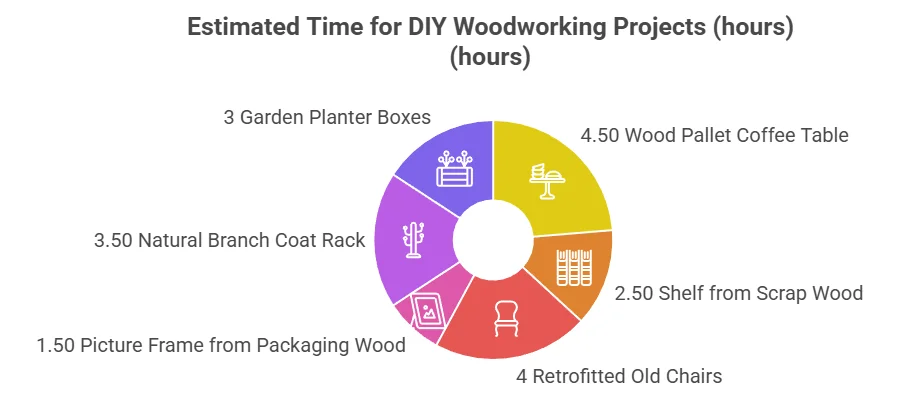
Each of these projects can be modified to suit your personal style. You can mix and match techniques based on the materials you have at hand.